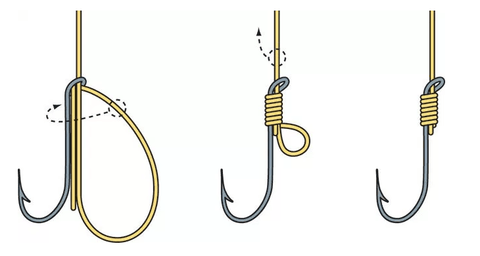
You want to catch more fish, but first, you need to master one simple skill: how to hook a fishing line correctly. If your line isn’t hooked right, you could lose the big catch every time.
Imagine feeling the tug, reeling in with confidence, knowing your line won’t slip or break. You’ll discover easy, step-by-step tips to hook your fishing line like a pro. Whether you’re a beginner or just need a quick refresher, these tricks will boost your fishing game immediately.
Keep reading, and get ready to transform your fishing experience.
Choosing The Right Hook
Selecting the right fishing hook is important for a good catch. The right hook helps you catch fish easily and keeps the bait secure.
Many factors affect your choice of hook. These include the type of fish, hook size, and the material used.
Types Of Fishing Hooks
There are many types of fishing hooks. Each type fits different fishing styles and fish species.
- J-Hooks: Classic shape, good for many fish types
- Circle Hooks: Designed to hook fish in the corner of the mouth
- Treble Hooks: Have three points, used for lures
- Siwash Hooks: Single hooks, often used on spoons and spinners
- Octopus Hooks: Short shank and wide gap, good for bait fishing
Matching Hook Size To Fish
Hook size must match the fish you want to catch. Small hooks catch small fish, large hooks catch big fish.
Using the right size hook helps bait stay on longer. It also improves your chance to catch fish.
- Sizes 10 to 16: Small fish like panfish and trout
- Sizes 6 to 8: Medium fish like bass and walleye
- Sizes 2 to 4: Large fish like catfish and pike
- Size 1 and larger: Very big fish like saltwater species
Material And Coating Options
Fishing hooks come in different materials. These affect strength and resistance to rust.
Coatings protect hooks from water damage and improve performance.
| Material | Description |
|---|---|
| High Carbon Steel | Strong and sharp, but can rust without coating |
| Stainless Steel | Resists rust and lasts longer in saltwater |
| Nickel Plated | Protects against rust and adds shine |
| Teflon Coated | Reduces friction and improves hook penetration |
| Black Nickel | Durable, less visible underwater |

Credit: n1outdoors.com
Selecting The Best Fishing Line
Choosing the right fishing line is key for a good catch. The line affects how you cast, feel, and land fish. Different lines work better in different situations.
Understanding the types and features of fishing lines helps you pick the best one. This guide covers the main types, strength, and visibility factors.
Monofilament Vs. Braided Vs. Fluorocarbon
Monofilament is stretchy and easy to use. Braided line is very strong and thin but has low stretch. Fluorocarbon is nearly invisible underwater and sinks fast. Each line suits different fishing styles.
- Monofilament:Good for beginners and light fishing.
- Braided:Best for deep water and heavy fish.
- Fluorocarbon:Great for clear water and wary fish.
Line Strength And Test Ratings
Line strength is shown by its test rating. This rating tells the maximum weight the line can handle before breaking. Always pick a line strong enough for your target fish.
| Line Type | Test Rating Range (lbs) | Stretch |
| Monofilament | 4 – 30 | High |
| Braided | 10 – 80 | Low |
| Fluorocarbon | 6 – 40 | Medium |
Line Visibility And Water Conditions
Fishing line visibility can scare fish in clear water. Choose a line that blends well with the water. Dark water can handle darker lines, but clear water needs low-visibility lines.
- Use fluorocarbon in clear water for low visibility.
- Monofilament suits stained or murky water.
- Braided line is visible but works well with a fluorocarbon leader.
Preparing The Line
Fishing requires the right setup for success. Preparing the line is a crucial step. It ensures a smooth fishing experience.
Proper preparation of the fishing line helps in catching fish effectively. Let’s explore the key steps involved.
Cutting And Inspecting The Line
Start by cutting the line to your desired length. Use sharp scissors to make clean cuts. This avoids frayed edges.
Inspect the line for any damage. Look for nicks or weak spots. Replace the line if necessary to prevent breaks.
- Check the line’s entire length
- Feel for rough patches
- Ensure line strength is intact
Attaching Leader Lines
Leader lines help in reducing line visibility. Attach them securely to the main line. This aids in fooling fish.
Choose a leader line that matches your fishing conditions. It should be strong yet less visible in water.
- Use a knot to secure the leader line
- Ensure the leader line is the right length
- Test the connection for strength
Using Swivels And Weights
Swivels prevent line tangles. Attach them between the main line and the leader. This allows the line to spin freely.
Weights help in sinking the bait to the desired depth. Choose the right size for your fishing needs.
- Secure the swivel with a strong knot
- Select weights based on water conditions
- Test the setup in shallow water
Tying The Knot
Tying a strong knot is important for fishing. It keeps the hook secure on the line.
Good knots help catch fish without losing them. Learning to tie knots is easy with practice.
Popular Knots For Hook Tying
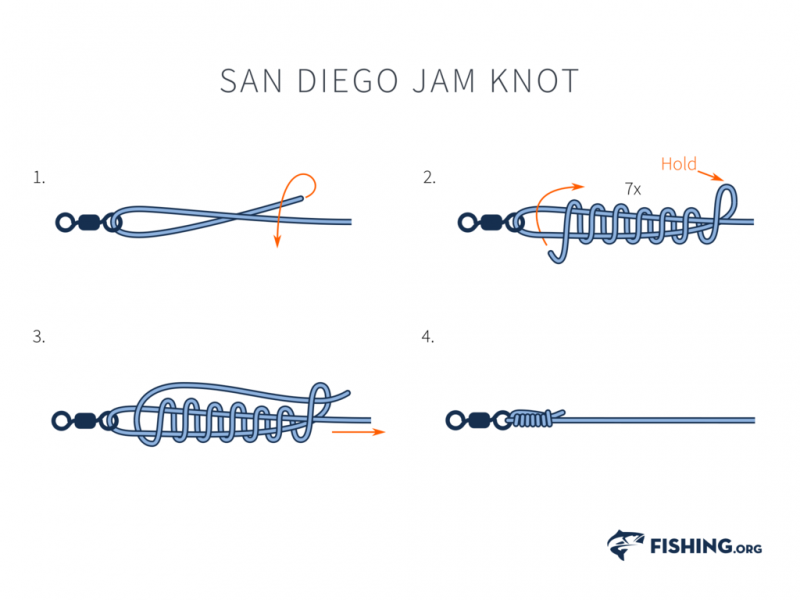
Some knots work better for fishing hooks. They hold tight and do not slip.
- The Improved Clinch Knot is simple and strong.
- The Palomar Knot is easy and very secure.
- The Uni Knot works well with many lines.
- The Snell Knot is good for strong hook holding.
Step-by-step Knot Instructions
Follow these steps to tie an Improved Clinch Knot:
- Thread the line through the hook eye.
- Wrap the line around itself 5 times.
- Pass the end through the small loop near the eye.
- Pull the end back through the big loop.
- Wet the knot and pull tight slowly.
The Palomar Knot steps:
- Double about 6 inches of line.
- Pass the loop through the hook eye.
- Tie a simple overhand knot with the doubled line.
- Pass the hook through the loop.
- Pull both ends to tighten the knot.
Tips For Knot Strength And Security
Keep your knots strong to avoid losing fish. Use these tips:
- Moisten the line before tightening to reduce friction.
- Pull the knot slowly and firmly for a tight hold.
- Trim excess line close to the knot.
- Practice tying knots to improve speed and strength.
- Check knots often during fishing to ensure they hold.
Hook Placement And Baiting
Knowing how to place the hook and bait it properly helps catch more fish. The right hook placement keeps the bait secure and looks natural.
Different baits need different hook setups. Using the right method improves your chances of a good catch.
Positioning The Hook For Different Baits
Soft baits like worms need the hook placed where the bait can move freely. This makes the bait look alive and attracts fish.
Hard baits like minnows require the hook to be placed through the lips or back. This keeps the bait steady and natural in water.
- For worms, insert the hook near the head and thread through the body
- For minnows, hook through the upper lip or behind the dorsal fin
- For cut bait, secure the hook in the thickest part of the meat
Natural Vs. Artificial Bait Setup
Natural bait needs gentle hook placement to avoid tearing. The hook should be hidden but still able to hook the fish.
Artificial baits require a firm hook setup to keep them from slipping off. The hook should be exposed enough to catch fish easily.
- Natural bait: hide the hook inside to protect the bait
- Artificial bait: keep the hook visible for better hooking
- Check bait often to make sure it stays on the hook
Avoiding Common Baiting Mistakes
Do not place the hook too far inside the bait. This can reduce the hook’s ability to catch fish.
Don’t use too much bait on the hook. It can look unnatural and scare fish away.
- Place hook where it can easily catch fish
- Use enough bait to cover the hook but keep it natural
- Check for torn bait and replace it quickly
- Keep the hook sharp for better penetration
Testing The Setup
After hooking your fishing line, it is important to test your setup. This ensures your gear works well and will not fail when fishing.
Testing helps you find any weak points and make changes before you start fishing. It also improves your chances of catching fish.
Checking Knot Tightness
Check the knots by pulling the line firmly. The knot should hold without slipping or loosening.
If the knot moves or looks loose, retie it. A strong knot keeps the hook secure during a catch.
- Pull the line with steady force
- Look for any gaps or slippage in the knot
- Retie knots that feel weak or loose
Line And Hook Movement
Move the hook gently to test line flexibility. The hook should move but stay attached firmly.
Too much line slack can cause problems. Too tight can limit natural hook movement.
- Watch how the hook swings with the line
- Check if the line pulls tight or stays loose
- Ensure the hook does not spin too much
Adjusting For Optimal Performance
Make small changes to improve your setup. Adjust the knot or line length as needed.
Test again after each change. This helps you find the best balance for your fishing style.
- Tighten or retie knots if needed
- Change line length for better hook movement
- Test the setup in water or air
Maintenance And Safety Tips
Keeping your fishing gear in good shape helps you fish safely. Regular checks stop accidents and save money. Handling hooks with care prevents injuries.
Follow these tips to maintain your gear and keep yourself safe while fishing.
Inspecting Gear Regularly
Check your fishing line and hooks often. Look for rust, bends, or cracks. Replace worn parts to avoid breaking while fishing.
- Examine hooks for sharpness and rust.
- Test the line for weak spots or frays.
- Check knots to ensure they are tight.
- Inspect rod guides for damage.
- Clean gear after each use to prevent corrosion.
Storing Hooks Safely
Store hooks in a safe place to avoid injuries. Use containers that close well. Keep hooks away from children and pets.
| Storage Method | Benefits |
| Plastic tackle box with compartments | Prevents hooks from tangling |
| Magnetic hook holder | Keeps hooks organized and visible |
| Hook covers or caps | Protects from accidental pricks |
Handling Hooks To Prevent Injuries
Always handle hooks with care. Keep your fingers clear of sharp points. Use pliers to attach or remove hooks safely.
- Never carry hooks loose in pockets.
- Wear gloves if you are new to fishing.
- Keep hooks away from your face and body.
- Dispose of damaged hooks properly.
Credit: www.evoprecision.com

Credit: www.wikihow.com
Frequently Asked Questions
How Do You Properly Hook A Fishing Line?
To hook a fishing line properly, thread the line through the hook eye. Then tie a secure knot, like the improved clinch knot. Trim excess line close to the knot to avoid tangling. Always test the knot’s strength before fishing.
What Knot Is Best For Hooking A Fishing Line?
The improved clinch knot is best for hooking a fishing line. It is strong, reliable, and easy to tie. This knot holds well under pressure, preventing the line from slipping off the hook during fishing.
Can I Use Any Hook For All Fishing Lines?
No, not all hooks fit every fishing line. Match the hook size and type to your line strength and fishing target. Using the correct hook improves your catch rate and prevents line breakage.
How Tight Should I Tie A Fishing Line Knot?
Tie your fishing line knot tight enough to secure the hook firmly. Avoid overtightening, which can weaken the line. Pull the knot steadily and test its strength before casting your line.
Conclusion
Hooking a fishing line is a simple skill anyone can learn. Practice tying knots until they feel natural and secure. Choose the right hook size for your bait and fish type. Keep your line tight but not too tight to avoid breakage.
Patience and care make fishing more fun and successful. Try different techniques to see what works best for you. Enjoy the calm and thrill of fishing every time you go out. Small steps lead to better catches and great outdoor memories.