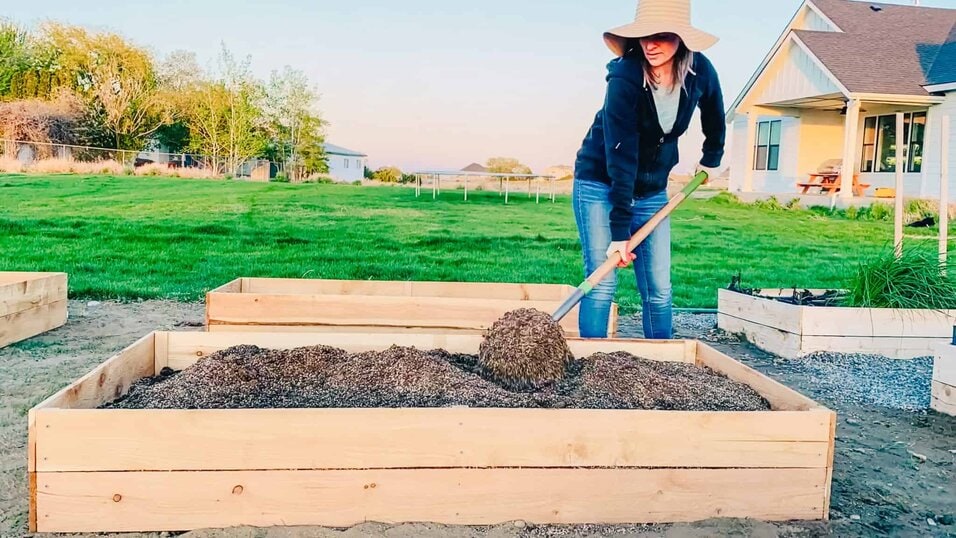
Are you ready to transform your raised garden beds into a thriving oasis? It all starts with the right soil.
The quality of your garden soil can make or break your plants’ growth, health, and yield. But how do you create the perfect soil mix that feeds your plants and keeps them strong? In this guide, you’ll discover simple, proven steps to make rich, nutrient-packed soil tailored just for your raised beds.
Keep reading to unlock the secrets that will help your garden flourish like never before. Your green thumb is about to get a serious boost!
Choosing The Right Soil
Good soil is the base of a healthy garden. Choosing the right soil helps plants grow strong. Raised beds need soil that drains well and has nutrients.
Before filling your raised bed, learn about soil types, how to test soil, and what to add. This guide helps you pick the best soil mix.
Soil Types For Raised Beds
Different soil types affect water and air flow in raised beds. Know the main soil types to get the best mix.
- Sandy soil:Drains fast but holds less nutrients.
- Clay soil:Holds water but can be heavy and slow draining.
- Loamy soil:Balanced mix of sand, silt, and clay. Ideal for most plants.
- Silty soil:Smooth and holds moisture well, but can compact easily.
Testing Soil Quality
Testing soil helps you know its pH and nutrient levels. This tells you what your soil needs to grow plants well.
| Test Type | What It Checks | Why It Matters |
| pH Test | Soil acidity or alkalinity | Plants grow best in certain pH ranges |
| Nutrient Test | Levels of nitrogen, phosphorus, potassium | Shows which nutrients to add |
| Texture Test | Proportion of sand, silt, clay | Helps adjust soil drainage and aeration |
Selecting Soil Components
Mix different ingredients to make good soil for raised beds. Each component adds value.
- Topsoil:Base soil with minerals and organic matter.
- Compost:Adds nutrients and improves soil structure.
- Peat moss:Holds moisture and lightens heavy soil.
- Perlite or vermiculite:Improves aeration and drainage.
- Sand:Helps drainage in clay soils.
Credit: www.thecooldown.com
Gathering Materials
Good soil is key for healthy plants in raised beds. Gathering the right materials helps you make soil that grows strong roots.
Start by collecting natural and useful items. These will build a mix that holds water and nutrients well.
Compost And Organic Matter
Compost adds life to your soil. It comes from broken-down plants and food scraps. Organic matter keeps soil loose and full of air.
- Use kitchen scraps like vegetable peels and coffee grounds
- Add leaves and grass clippings from your yard
- Include well-rotted manure from farm animals
- Avoid fresh weeds or diseased plants
Topsoil And Fillers
Topsoil is the base of your garden bed. It should be clean and free of stones. Fillers help give bulk and improve drainage.
| Material | Purpose |
| Topsoil | Provides minerals and structure |
| Sand | Improves drainage and loosens soil |
| Perlite | Keeps soil airy and light |
| Coconut coir | Holds water and adds texture |
Amendments And Nutrients
Amendments add extra nutrients that plants need. These keep your soil healthy and fertile over time.
- Bone meal for phosphorus
- Blood meal for nitrogen
- Wood ash for potassium
- Rock phosphate for slow-release minerals
Preparing The Soil Mix
Creating the right soil mix for raised garden beds is essential. It helps plants grow healthy and strong.
Good soil mix needs the right ingredients. It must be loose and rich in nutrients.
Proportions For Ideal Soil
A balanced soil mix has three main parts. These are topsoil, compost, and aeration material.
- 50% topsoil for structure
- 30% compost for nutrients
- 20% aeration material like perlite or sand
Mixing Techniques
Mixing the soil well is important. It ensures that all parts are evenly distributed.
Use a shovel or rake to blend the materials together. Turn the soil from the bottom to the top.
Ensuring Proper Drainage
Proper drainage prevents water from pooling. It protects plant roots from rotting.
To improve drainage, add coarse materials. You can use small rocks or gravel at the bottom of the bed.
- Rocks allow water to flow out
- Gravel keeps soil from compacting
Filling Raised Beds
Filling raised beds with the right soil mix helps plants grow well. Good soil holds water and nutrients for healthy roots.
Prepare your soil carefully to avoid problems like poor drainage or compacted earth. This guide covers key steps to fill your raised beds.
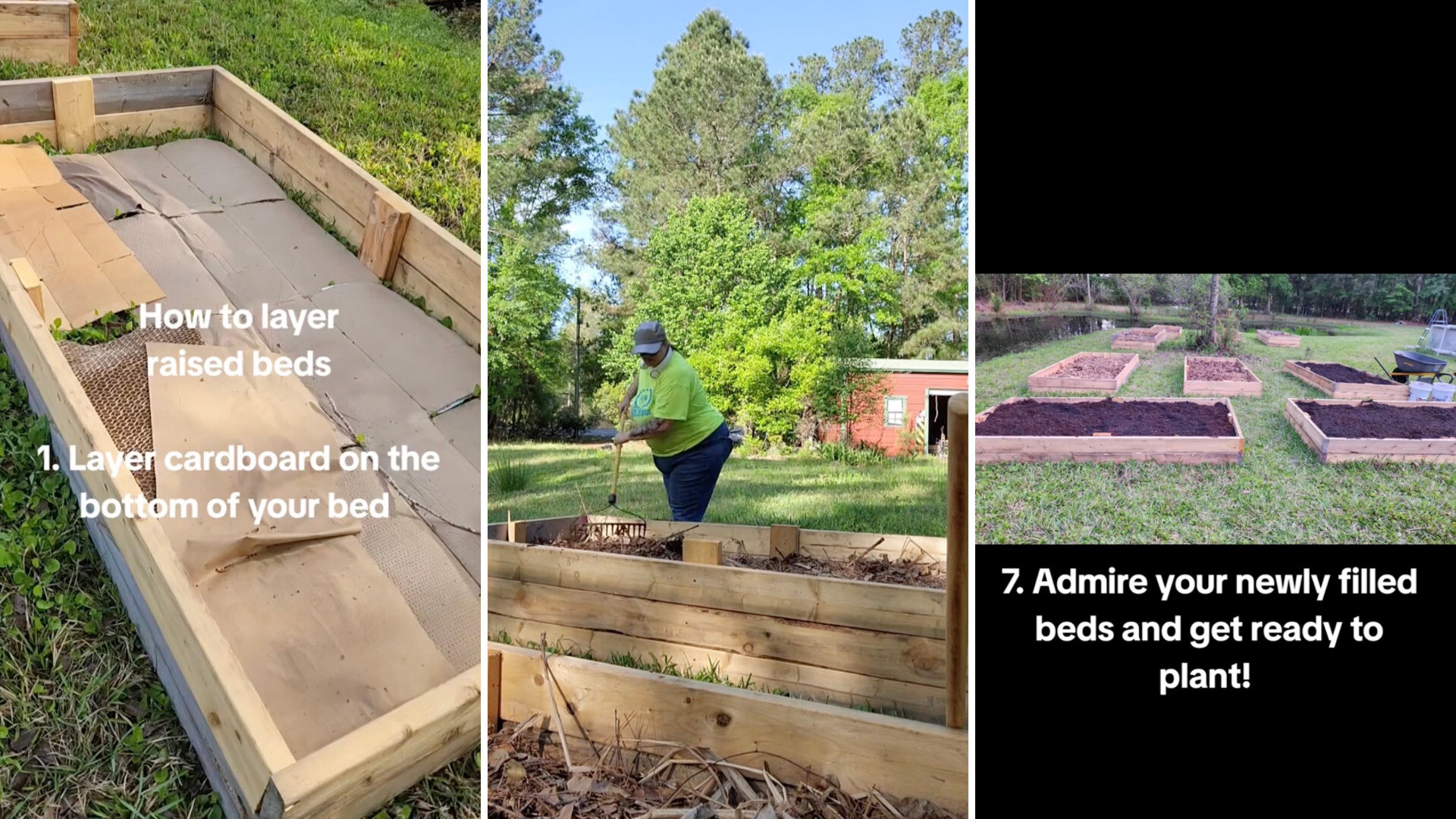
Layering Soil Components
Build your soil in layers to create a rich mix. Start with coarse materials and work up to finer soil on top.
- Bottom layer: small branches or straw for drainage
- Middle layer: compost or aged manure for nutrients
- Top layer: quality garden soil or loam for planting
Avoiding Soil Compaction
Soil compaction blocks air and water from reaching roots. Avoid packing soil too tightly as you fill the bed.
Tips to prevent compaction:
- Do not step inside the bed after filling
- Use a garden fork to gently loosen soil if needed
- Add organic matter like compost to keep soil light
Leveling And Settling
After adding soil layers, level the surface with a rake. Lightly water the soil to help it settle naturally.
| Action | Reason |
| Rake soil surface | Creates even planting area |
| Water soil lightly | Helps soil particles settle |
| Add more soil if needed | Maintains bed height after settling |
Maintaining Soil Health
Good soil health is key for raised garden beds. Healthy soil grows strong plants and high yields. It needs care and attention regularly.
Simple actions help keep soil rich and alive. Test soil, add organic matter, and rotate crops for best results.
Regular Soil Testing
Testing soil shows nutrient levels and pH balance. This helps you know what your soil needs. Test soil at least once a year for best results.
- Collect soil samples from different parts of the bed
- Send samples to a local extension service or use a home test kit
- Review results to check nutrient and pH levels
- Adjust soil with lime or sulfur to fix pH if needed
- Add fertilizers based on nutrient deficiencies
Adding Mulch And Fertilizers
Mulch helps keep soil moist and cool. It stops weeds and adds organic matter as it breaks down. Fertilizers replace nutrients plants use up.
| Type | Benefits | Examples |
| Organic Mulch | Improves soil, retains moisture | Straw, wood chips, leaves |
| Inorganic Mulch | Weed control, moisture retention | Plastic, stones |
| Organic Fertilizer | Slow nutrient release, soil health | Compost, manure |
| Synthetic Fertilizer | Quick nutrient supply | NPK blends |
Rotating Crops And Resting Beds
Crop rotation stops soil diseases and pest build-up. It balances nutrient use. Resting beds lets soil recover naturally.
- Change plant families each season in the same bed
- Plant legumes to add nitrogen to soil
- Leave beds fallow or plant cover crops to rest soil
- Use green manure crops to add organic matter
Credit: www.thunderbirddisco.com
Troubleshooting Common Issues
Raised garden beds need good soil to help plants grow strong. Sometimes problems happen with the soil. Knowing how to fix these problems can help your garden thrive.
This guide covers how to deal with poor drainage, manage soil pH, and stop nutrient deficiencies in your raised bed soil.
Dealing With Poor Drainage
Poor drainage can cause water to stay in the soil too long. This can hurt plant roots and slow growth. Raised beds often drain better, but problems can still happen.
Fix poor drainage by adding materials that let water flow through the soil easily. Avoid compacting the soil to keep spaces for air and water.
- Add coarse sand or small gravel to the soil mix
- Mix in organic matter like compost or shredded leaves
- Use raised beds with good height to help water drain
- Do not step on soil in the bed to keep it loose
Managing Soil Ph
Soil pH shows how acidic or alkaline the soil is. Plants grow best in certain pH ranges. Most garden plants like soil that is slightly acidic to neutral.
Test your soil pH with a kit. If the pH is too low or too high, you can change it by adding the right materials.
- Add lime to raise (make more alkaline) the pH
- Add sulfur or peat moss to lower (make more acidic) the pH
- Retest the soil after a few weeks to check changes
- Adjust slowly to avoid shocking plants
Preventing Nutrient Deficiencies
Plants need nutrients like nitrogen, phosphorus, and potassium to grow. Raised beds can lose nutrients over time. This can cause weak plants and poor harvests.
Use organic matter and fertilizers to keep nutrients in the soil. Watch your plants for signs of nutrient problems.
- Add compost or well-rotted manure to feed the soil
- Use balanced fertilizers based on soil tests
- Look for yellowing leaves or stunted growth as warning signs
- Rotate crops to keep soil healthy

Credit: www.thunderbirddisco.com
Frequently Asked Questions
What Materials Are Best For Raised Bed Garden Soil?
The best soil mix includes equal parts compost, peat moss, and vermiculite or perlite. This blend ensures good drainage, moisture retention, and nutrient supply for healthy plant growth in raised beds.
How Do I Prepare Soil For Raised Bed Gardening?
Start by removing weeds and debris. Mix compost with existing soil or create a new blend. Ensure the soil is loose, well-draining, and rich in organic matter for optimal plant health.
Can I Use Regular Garden Soil In Raised Beds?
Regular garden soil may compact and drain poorly in raised beds. It’s better to use a custom soil mix to improve aeration, drainage, and nutrient content, promoting healthier root development and plant growth.
How Often Should I Amend Soil In Raised Beds?
Amend soil annually by adding compost or organic matter. This replenishes nutrients, improves soil structure, and maintains fertility, supporting continuous healthy plant growth in raised beds.
Conclusion
Creating good soil for raised beds takes time and care. Use a mix of compost, topsoil, and organic matter. This blend helps plants grow strong and healthy. Keep the soil loose for roots to spread easily. Test the soil regularly and add nutrients as needed.
With proper soil, your garden will thrive season after season. Enjoy the process and watch your plants flourish. Gardening becomes easier with soil you prepare yourself. Start small, learn, and improve each year. Your raised beds will thank you with better harvests.