Are you ready to make your next fishing trip a success? Knowing how to put fishing line on a pole the right way can save you time and frustration.
If your line isn’t set up correctly, you might miss out on the big catch or deal with annoying tangles. In this guide, you’ll learn simple steps to spool your fishing pole like a pro. Whether you’re a beginner or just need a quick refresher, this easy-to-follow advice will get your gear ready fast.
Keep reading, and you’ll be casting with confidence in no time!

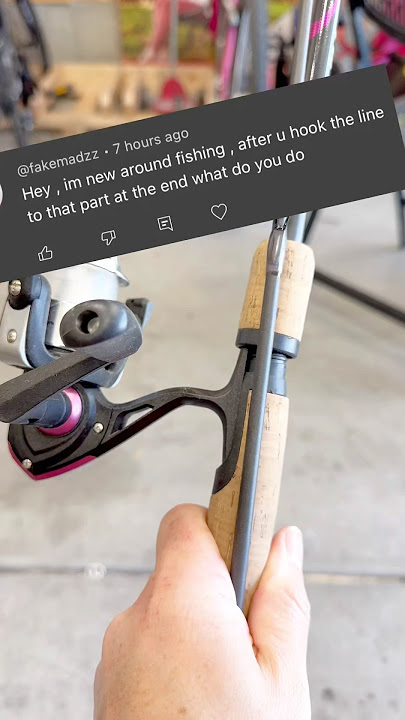
Credit: www.youtube.com
Choosing The Right Fishing Line
Picking the right fishing line is key for a good catch. It affects your casting and how you handle the fish.
This guide helps you select the best line for your fishing pole. Learn about line types and matching strength to fish size.
Types Of Fishing Lines
There are three main types of fishing lines: monofilament, fluorocarbon, and braided. Each has its own features and uses.
- Monofilament:Soft and easy to handle. Good for beginners and general use.
- Fluorocarbon:Harder to see underwater. Great for clear water fishing.
- Braided:Strong and thin. Best for heavy cover and long casts.
Matching Line Strength To Fish Size
Choose a line strength that fits the size of the fish you want to catch. Using the right strength avoids line breaks or losing fish.
| Fish Size | Recommended Line Strength (lbs) |
| Small fish (up to 5 lbs) | 4 – 8 |
| Medium fish (5 – 15 lbs) | 10 – 20 |
| Large fish (15 – 30 lbs) | 25 – 35 |
| Very large fish (over 30 lbs) | 40+ |
Preparing The Fishing Pole
Before putting fishing line on your pole, it is important to get the pole ready. This makes sure your fishing goes smoothly.
Preparing the pole includes cleaning the reel and checking the guides. These steps help avoid problems while fishing.
Cleaning The Reel
Clean the reel to remove dirt and old line residue. A clean reel works better and lasts longer.
Use a soft cloth to wipe the reel. Remove any sand, salt, or grime that can cause damage.
- Remove the spool if possible
- Wipe all parts with a damp cloth
- Dry the reel completely
- Apply a small amount of reel oil to moving parts
Checking The Guides
The guides are the small rings along the pole. They keep the line in place and help it flow smoothly.
Look for cracks or bends in the guides. Damaged guides can cut or tangle the fishing line.
- Inspect each guide carefully
- Check for smoothness inside the rings
- Replace any guides that are broken or bent
Attaching The Line To The Reel
Attaching the fishing line to the reel is an essential step in preparing your fishing pole. Doing it properly ensures a smooth fishing experience.
Follow these instructions to secure the line effectively and avoid any hassles while fishing.
Tying The Arbor Knot
The arbor knot is vital for attaching the line to the reel. It is reliable and straightforward to tie.
- Wrap the line around the spool.
- Tie an overhand knot around the standing line.
- Tie a second overhand knot in the tag end.
- Pull the standing line to slide the knots together.
- Trim the excess line from the tag end.
Securing The Line Properly
After tying the arbor knot, ensure the line is securely attached to the reel to prevent slipping.
Here is a simple check to ensure the line is secure:
- Lightly pull on the line to test strength.
- Ensure the knot doesn’t slip under pressure.
- Re-tighten if necessary for added security.
Properly securing the line will give you confidence as you cast and reel in your next big catch.
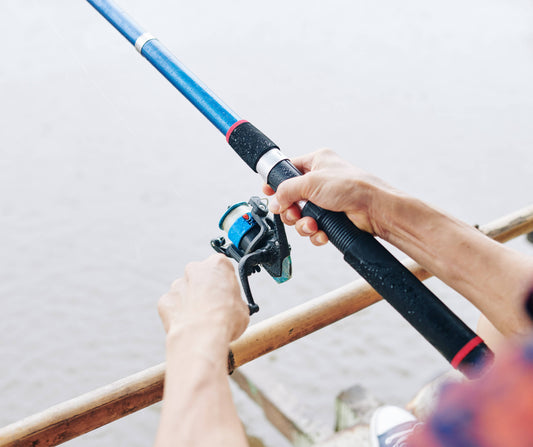
Credit: windrider.com
Spooling The Line
Spooling the fishing line onto your pole is an important task. It helps your fishing line work well and lasts longer. Doing it right makes fishing easier and more fun.
This guide shows how to spool the line properly. You will learn how to keep tension and avoid twists and tangles while spooling.
Maintaining Tension
Keeping the line tight while spooling is very important. Tension stops the line from wrapping loosely or getting tangled. It also helps the line sit evenly on the spool.
You can keep tension by holding the line between your fingers as it goes on. Another way is to use a cloth or a rubber band to add resistance. This stops the line from becoming loose or messy.
Avoiding Twists And Tangles
Line twists and tangles cause problems while fishing. They can make casting difficult and cause breaks. To avoid twists, let the line spool off the reel freely if you use a spinning reel.
Check the line often as you spool. If you see loops or twists, stop and fix them before adding more line. Spooling slowly helps keep the line neat and smooth.
- Keep the line straight and tight
- Use slow, steady motion when spooling
- Stop and untwist any loops
- Make sure the line flows from the spool correctly
Finishing Touches
Putting fishing line on a pole is not complete without a few final steps. These finishing touches help keep the line secure and ready for fishing.
Taking time to trim the line properly and test your setup ensures a smooth fishing experience.
Trimming Excess Line
After tying the line to the reel, cut off the extra line close to the knot. Leaving too much line can cause tangles and snags.
Use sharp scissors or a line cutter to make a clean cut. This keeps the setup neat and ready for casting.
- Cut the line about 1/8 inch from the knot
- Avoid pulling on the line while cutting
- Check for any loose ends that might catch on guides
Testing The Setup
Before you go fishing, test your line and reel. Turn the reel handle to see if the line moves smoothly.
Pull the line gently to check the knot’s strength. This helps avoid losing fish or the line breaking.
- Spin the reel to ensure no snags or resistance
- Pull on the line to test the knot’s hold
- Adjust tension if the line feels too loose or tight

Credit: www.youtube.com
Frequently Asked Questions
How Do I Start Putting Fishing Line On A Pole?
Begin by attaching the line to the reel spool with a secure knot. Then, slowly wind the line evenly around the spool to avoid tangles or overlaps.
What Type Of Fishing Line Is Best For My Pole?
Choose a fishing line based on your fishing style and target species. Monofilament is versatile, braided offers strength, and fluorocarbon is nearly invisible underwater.
How Much Fishing Line Should I Put On My Reel?
Fill the reel spool until it is about 1/8 inch from the edge. Avoid overfilling, as it can cause tangles and casting problems.
How Can I Prevent Fishing Line Tangles When Loading?
Keep tension on the line while winding. Use your fingers or a cloth to guide the line evenly across the spool to reduce twists and loops.
Conclusion
Putting fishing line on a pole is simple with the right steps. Start by securing the line tightly to the spool. Wind the line evenly to avoid tangles. Check the tension often while wrapping. This helps the line stay strong and last longer.
Practice makes the process quicker and easier. Soon, you will feel confident preparing your fishing pole. Enjoy your time fishing with a well-prepared line. Keep your gear ready and fish with ease.