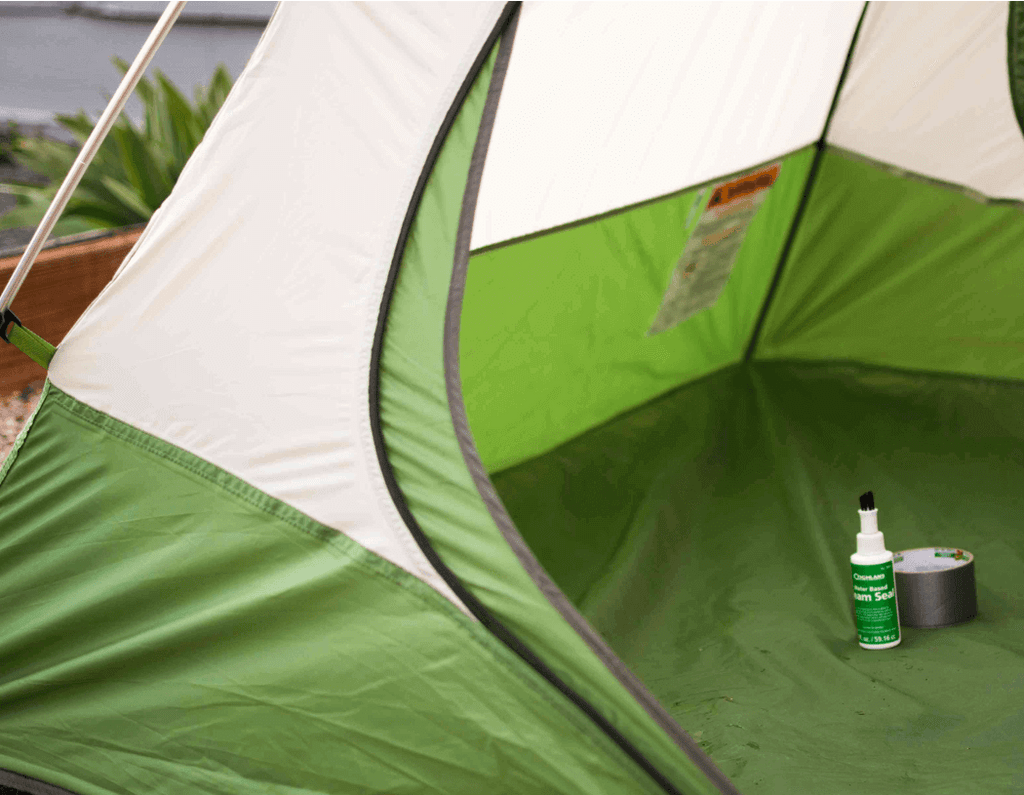
You’ve just unpacked your tent, only to find patches of mold staring back at you. It’s frustrating, right?
Mold not only ruins your gear but can also cause health problems and unpleasant odors. But don’t worry—you can get your tent clean and fresh again without too much hassle. You’ll discover simple, effective ways to remove mold from your tent and keep it mold-free for your next adventure.
Keep reading, and you’ll be ready to tackle mold like a pro.

Credit: www.reddit.com
Causes Of Mold On Tents
Mold grows on tents because of certain conditions. Knowing these causes helps prevent mold growth.
Mold can damage fabric and make your tent unsafe to use. It grows best in dark, damp places.
Humidity And Moisture
High humidity and moisture create the perfect environment for mold. Tents often trap moisture inside.
Wet tent fabric that stays damp for a long time will develop mold quickly. Airflow is important to dry the tent.
- Rain or dew left on the tent
- Condensation inside the tent
- Camping in wet or humid areas
Improper Storage
Storing tents while they are still wet or dirty causes mold. Mold spores grow on moist fabric.
Keeping tents in dark, closed spaces without ventilation increases mold risk. Good storage keeps tents dry and clean.
- Folding damp tents tightly
- Storing tents in plastic bags
- Leaving tents in basements or garages with poor air flow
Environmental Factors
Camping locations with shade, poor sunlight, and damp ground increase mold risk. Mold likes dark, cool places.
Areas near lakes, rivers, or dense forests often have more moisture in the air. This helps mold grow faster on tents.
- Camping under thick tree canopies
- Sites with poor drainage
- Places with frequent rain or fog

Credit: www.gearaid.com
Safety Precautions Before Cleaning
Removing mold from your tent needs care and safety. Mold can cause health problems if you breathe it in.
Taking the right precautions helps protect your health and cleans the tent well.
Protective Gear To Wear
Wear protective gear to keep mold spores away from your skin and lungs. This gear stops you from getting sick.
- Use a mask that covers your nose and mouth
- Wear gloves to protect your hands
- Put on goggles to shield your eyes
- Wear long sleeves and pants to cover your skin
Choosing A Well-ventilated Area
Clean your tent in a place with good airflow. Fresh air helps remove mold spores from the air.
Avoid cleaning indoors or in small rooms. Outdoors or open garages work best.
Essential Cleaning Supplies
Removing mold from your tent needs the right supplies. Using gentle and effective cleaners helps protect the fabric. Knowing what tools to use makes the job easier and safer.
This guide covers mild detergents, natural remedies, and useful tools for cleaning mold off your tent.
Mild Detergents And Cleaners
Choose mild detergents to avoid damaging your tent’s material. Strong chemicals can weaken the fabric or remove waterproof coatings. A gentle cleaner will remove mold without harm.
- Use liquid dish soap with warm water
- Try a solution of water and white vinegar
- A mild laundry detergent can work well
- Avoid bleach or harsh chemical cleaners
Natural Remedies
Natural cleaners are safe and eco-friendly. They help clean mold without toxic smells or residues. These remedies are easy to find and use at home.
| Natural Cleaner | How to Use |
| White Vinegar | Spray on mold, let sit 10 minutes, then wipe |
| Baking Soda | Mix with water to make paste, scrub gently |
| Lemon Juice | Apply directly, let dry in sunlight |
| Tea Tree Oil | Add a few drops to water, spray and clean |
Tools And Brushes
Using the right tools helps remove mold without harming the tent. Soft brushes and cloths clean well and avoid damage. Hard brushes can tear the fabric.
- Soft-bristle brush for scrubbing mold spots
- Microfiber cloths for wiping and drying
- Spray bottles for applying cleaning solutions
- Rubber gloves to protect your hands
- Bucket for mixing cleaning solutions
Step-by-step Mold Removal Process
Mold on tents can cause damage and bad smells. Removing mold quickly keeps your tent safe to use.
This guide shows simple steps to clean mold from your tent. Follow each step carefully for best results.
Setting Up The Tent
Find a dry and open area to set up your tent. Make sure there is plenty of fresh air and sunlight.
Setting up the tent helps you reach all moldy spots easily. It also prevents mold spores from spreading indoors.
Applying Cleaning Solutions
Mix a cleaning solution using mild soap and warm water. You can also use a mixture of vinegar and water for stubborn mold.
Use a spray bottle to apply the solution evenly on moldy areas. Let it sit for 10 to 15 minutes to loosen the mold.
- Mild soap and warm water
- White vinegar diluted with water (1:1 ratio)
- A spray bottle for easy application
Scrubbing Moldy Areas
Use a soft brush or sponge to scrub the mold gently. Avoid hard scrubbing to protect the tent fabric.
Scrub all visible mold spots until the fabric looks clean. Take care around seams and zippers to prevent damage.
- Soft brush or sponge
- Gentle scrubbing motions
- Focus on all moldy spots
Rinsing And Drying
Rinse the tent thoroughly with clean water to remove all cleaning solution and mold residue. Use a hose or bucket for rinsing.
Set up the tent in direct sunlight to dry completely. Sunlight helps kill any remaining mold spores and prevents new growth.
- Rinse with clean water
- Dry in direct sunlight
- Ensure the tent is fully dry before storing
Preventing Future Mold Growth
Mold can damage your tent fabric and frame. Stopping it from coming back is important. Drying, storing, and cleaning your tent right helps prevent mold.
Here are ways to keep your tent fresh and mold-free after cleaning it.
Proper Drying Techniques
Always dry your tent fully before storing it. Damp tents give mold a place to grow. Set up your tent in a sunny, breezy spot. Let it dry for several hours or until no moisture remains.
Ideal Storage Methods
Storing your tent properly stops mold from returning. Keep your tent in a cool, dry place. Avoid tight bags that trap moisture. Use a breathable storage sack or hang it loosely.
- Store in a plastic tub with vents
- Use moisture-absorbing packets
- Keep away from damp basements or garages
- Check tent regularly for damp spots
Regular Maintenance Tips
| Task | Frequency | Purpose |
|---|---|---|
| Air out tent | After every use | Remove moisture and prevent mold |
| Clean tent fabric | Every few uses | Remove dirt and spores |
| Inspect seams and zippers | Monthly during storage | Find damage that traps moisture |
| Apply waterproof spray | Annually | Protect fabric from water absorption |
Credit: www.battlbox.com
When To Seek Professional Help
Cleaning mold off a tent can be tricky. Sometimes, professional help is needed. Mold can cause health problems. It’s important to know when to call an expert.
Professionals have the right tools and knowledge. They can ensure the mold is fully removed. This keeps you and your tent safe.
Severe Mold Infestations
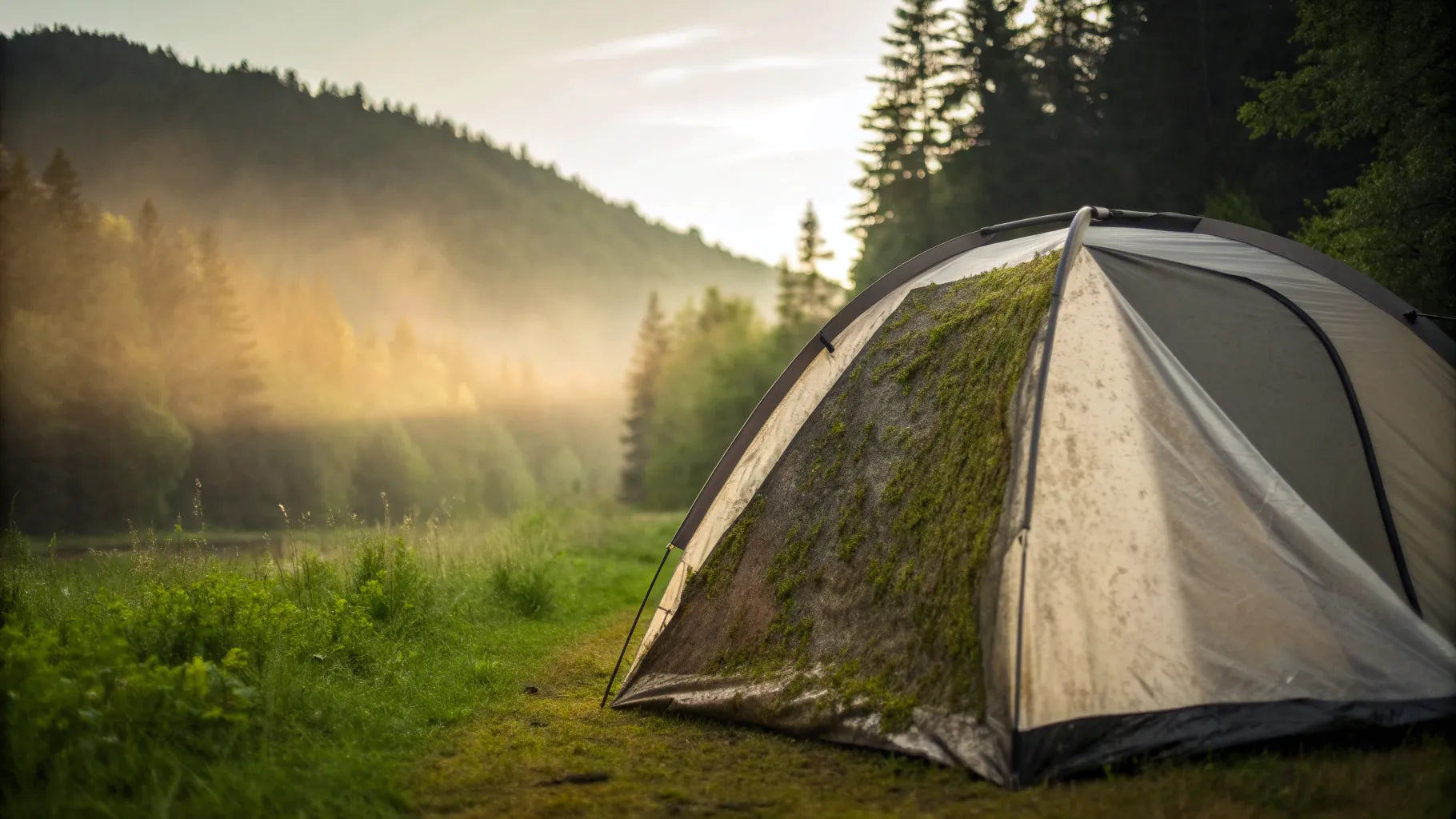
If mold covers a large area, it is a severe infestation. This can happen if the tent has been wet for a long time. Large mold areas are harder to clean yourself.
Professionals use special cleaners and equipment. They ensure the tent is mold-free and safe to use. This is important for your health and the tent’s lifespan.
- Mold covers more than 30% of the tent
- Tent smells strongly of mold
- Visible mold patches are widespread
Damage Assessment
Mold can damage tent fabric. It weakens the material, making it less effective. If you see damage, it is time to assess how bad it is.
Professionals can assess the damage accurately. They know if the tent can be saved or needs replacement. This helps you make the right decision.
- Holes or tears in the fabric
- Discoloration that won’t wash out
- Fabric feels thin or brittle
Frequently Asked Questions
How Do I Remove Mold From A Tent Safely?
Clean the tent outdoors using a soft brush and mild detergent. Avoid harsh chemicals to protect the fabric. Rinse thoroughly and dry completely in sunlight to prevent mold regrowth.
What Household Items Kill Mold On Tents?
White vinegar and baking soda are effective against mold. Apply vinegar, let it sit, then scrub gently with baking soda paste. Rinse well and dry the tent fully in sunlight.
Can Mold Damage My Tent Fabric Permanently?
Yes, mold can weaken and discolor tent fabric over time. Prompt cleaning is essential to prevent permanent damage and maintain the tent’s durability and appearance.
How To Prevent Mold Growth In Stored Tents?
Store tents dry and clean in a cool, ventilated place. Use moisture absorbers or silica gel packs. Avoid folding tents while wet to reduce mold risk.
Conclusion
Cleaning mold off your tent keeps it safe and lasts longer. Use gentle cleaners and scrub softly to protect fabric. Dry your tent fully before storing it away. Store in a dry, cool place to stop mold growth. Regular checks help catch mold early and save your gear.
Taking care of your tent means more fun camping trips ahead. Simple steps make a big difference in tent care. Keep your tent fresh and ready for every adventure.