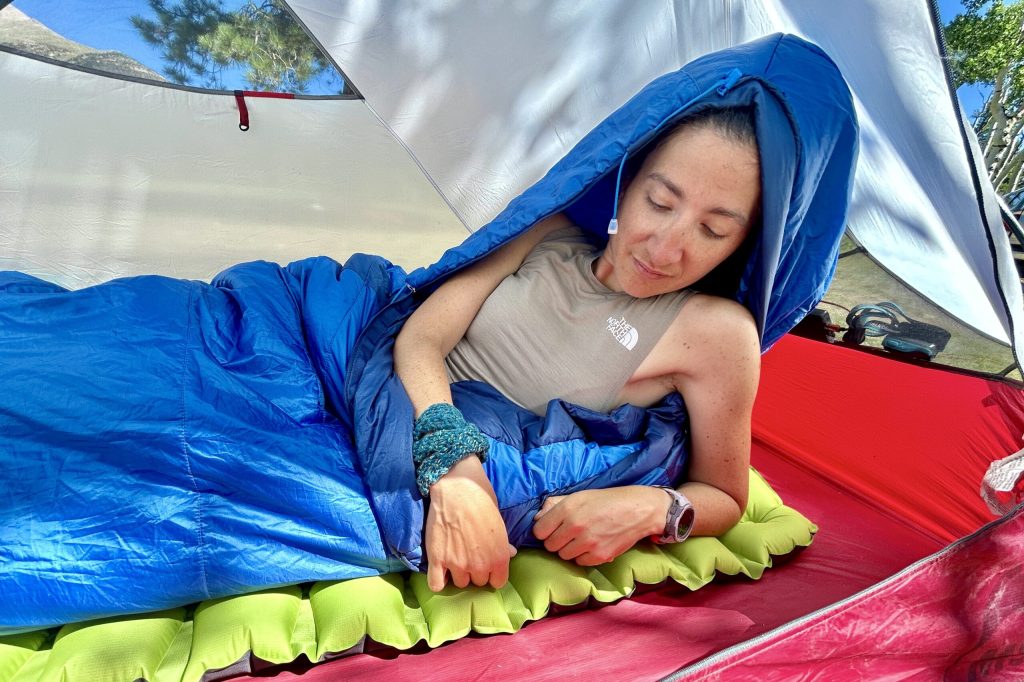
Are you tired of waking up cold and uncomfortable during your outdoor adventures? Finding the warmest sleeping bag can make all the difference between a restless night and a cozy, restful sleep.
Whether you’re camping in chilly mountain air or braving a frosty winter hike, your sleeping bag is your best friend. You’ll discover what makes a sleeping bag truly warm and which options will keep you snug no matter how low the temperature drops.
Keep reading to find the perfect sleeping bag that will transform your nights outdoors.
Top Warmest Sleeping Bags
Warm sleeping bags keep you comfortable during cold nights. They are important for camping in winter or high altitudes.
This list shows some of the warmest sleeping bags. Each one is built to protect you from freezing temperatures.
Western Mountaineering Bison Gws
The Western Mountaineering Bison GWS is made for extreme cold. It uses high-quality goose down for strong insulation.
This sleeping bag is very durable and designed for mountaineering. It keeps you warm even below zero degrees Fahrenheit.
The North Face Inferno -40f
The North Face Inferno -40F offers great warmth in harsh conditions. It has synthetic insulation that works well in wet weather.
This bag is roomy and comfortable. It fits well for long trips in very cold places.
Feathered Friends Snowy Owl Ex
The Feathered Friends Snowy Owl EX uses premium down insulation. It is made for temperatures as low as -40°F.
This sleeping bag is lightweight but very warm. It is a favorite for serious winter campers and climbers.
Mountain Hardwear Phantom Gore-tex -40f
The Mountain Hardwear Phantom GORE-TEX -40F combines down insulation with waterproof fabric. It protects you in snowy and cold weather.
This bag is strong and built for rough use. It offers comfort during long winter adventures.
Marmot Col -40
The Marmot Col -40 is a popular choice for extreme cold. It uses high-fill down to trap heat efficiently.
This sleeping bag is roomy and has extra insulation in key areas. It works well for cold weather camping.
Materials That Retain Heat
Choosing the warmest sleeping bag depends on the materials inside it. Different insulation types keep heat in different ways. Understanding these materials helps you pick the best sleeping bag for cold weather.
This guide covers three main insulation types. Each one has its own strengths and uses. You will learn about down insulation, synthetic fill, and hybrid options.
Down Insulation Benefits
Down insulation comes from the soft feathers under a bird’s outer feathers. It traps warm air very well. This makes it one of the best materials for heat retention.
- Very lightweight and compressible
- Excellent warmth-to-weight ratio
- Long-lasting if kept dry
- Breathable and comfortable
Synthetic Fill Advantages
Synthetic fill is made from man-made fibers. It works well even when wet. This type of insulation dries faster than down and keeps warmth in damp conditions.
| Feature | Down | Synthetic |
| Warmth | High | Moderate |
| Weight | Light | Heavier |
| Water Resistance | Poor | Good |
| Durability | High | Moderate |
| Price | Higher | Lower |
Hybrid Insulation Options
Hybrid sleeping bags combine down and synthetic fills. They use down where warmth is most needed. Synthetic fill goes in areas prone to moisture. This mix helps keep heat and resist wetness.
Common hybrid features:
- Down in the core for warmth
- Synthetic around edges for moisture resistance
- Better performance in mixed weather
- Balanced cost and durability
Temperature Ratings Explained
Understanding sleeping bag temperature ratings is crucial for staying warm during outdoor adventures. These ratings help you choose a bag that will keep you comfortable in various weather conditions.
Two main standards guide temperature ratings: the EN and ISO ratings. These provide a standardized way to compare sleeping bags.
Understanding En And Iso Ratings
The EN (European Norm) and ISO (International Organization for Standardization) ratings ensure consistency in measuring how warm a sleeping bag can keep you.
- EN and ISO ratings test sleeping bags in a controlled environment.
- They provide three key temperature ratings: comfort, limit, and extreme.
- The comfort rating is for the average cold sleeper.
- The limit rating is for the average warm sleeper.
- The extreme rating is a survival rating, not for regular use.
Choosing Ratings For Extreme Cold
For extreme cold conditions, selecting the right temperature rating is vital. Make sure your sleeping bag matches the lowest temperatures you will encounter.
| Condition | Recommended Rating |
| Mild Cold | Comfort Rating |
| Moderate Cold | Limit Rating |
| Extreme Cold | Extreme Rating |

Credit: westernhunter.net
Design Features For Warmth
Choosing the warmest sleeping bag depends on its design features. These features help keep heat inside and cold air out.
Understanding the shape and special parts of a sleeping bag can help you stay warm during cold nights.
Mummy Vs Rectangular Shapes
Mummy-shaped sleeping bags fit closely around the body. This reduces empty space and heat loss. Rectangular bags are roomier but let more cold air in.
- Mummy Shape:Tapers at the feet to keep warmth tight.
- Rectangular Shape:Offers more room but less heat retention.
- Mummy bags:Often include snug hoods to protect the head.
- Rectangular bags:Better for comfort but not the best for cold weather.
Draft Collars And Hoods
Draft collars are soft barriers near the neck. They stop warm air from escaping. Hoods cover the head and trap heat. Both parts are key to staying warm.
| Feature | Function |
|---|---|
| Draft Collar | Seals neck area to prevent heat loss |
| Hood | Covers head and traps warmth inside bag |
| Drawcord | Allows tight closure around face and neck |
Zipper Draft Tubes
Zipper draft tubes run along the zipper line. They block cold air from sneaking in through the zipper. This keeps the sleeping bag warmer all night.
- They are padded tubes sewn along the zipper.
- Prevent cold air from entering through gaps.
- Keep warm air trapped inside the bag.
- Help improve overall insulation.
Tips For Using Sleeping Bags In Extreme Cold
Using a sleeping bag in extreme cold needs careful planning. The right techniques help keep you warm and safe.
Extreme cold can make sleep hard. These tips help keep your body heat inside and the cold out.
Layering Techniques
Wear layers of clothing inside your sleeping bag. Layers trap heat and stop cold air from reaching your skin.
Start with a thin base layer that keeps sweat away. Add a warm middle layer to keep heat close to your body.
- Use moisture-wicking base layers
- Add fleece or wool middle layers
- Avoid cotton because it holds moisture
- Remove layers if you get too hot
Sleeping Bag Liners
Sleeping bag liners add extra warmth and keep your bag clean. They are thin but can increase temperature a few degrees.
Choose liners made from silk or fleece for good heat retention. They also dry quickly and feel soft on your skin.
- Silk liners are lightweight and warm
- Fleece liners add bulk but increase warmth
- Use liners to keep your bag clean
- Liners help extend sleeping bag life
Proper Ventilation
Even in cold weather, ventilation inside your sleeping bag is important. It stops moisture buildup that can make you cold.
Open your sleeping bag vents slightly if you feel damp. This helps air flow and keeps you dry and warm.
- Open vents or zippers slightly if sweating
- Keep your head outside the bag if very cold
- Use a breathable sleeping bag shell
- Dry your sleeping bag after use to avoid mold

Credit: www.backpacker.com
Maintenance And Care
Keeping your warmest sleeping bag in good shape improves its performance. Proper care makes it last longer and stay cozy.
Simple maintenance steps help keep insulation and fabric strong. Follow easy tips to clean, store, and repair your sleeping bag.
Cleaning Methods
Clean your sleeping bag carefully to keep its warmth and shape. Use mild soap and cold water for washing.
- Hand wash or use a front-loading washing machine
- Use a gentle detergent made for down or synthetic fill
- Rinse thoroughly to remove all soap
- Air dry flat or use a dryer on low heat with clean tennis balls
- Avoid bleach and fabric softeners
Storage Tips
Store your sleeping bag properly to keep its insulation loft and fabric safe. Avoid long-term compression.
| Storage Method | Recommended |
| Hanging in a closet | Yes |
| Loose storage in a large cotton bag | Yes |
| Compressed in stuff sack | No |
| In a damp place | No |
| Exposed to direct sunlight | No |
Repairing Small Tears
Fix small tears quickly to avoid bigger damage. Use repair patches or tape made for outdoor gear.
- Clean area around the tear
- Cut patch slightly larger than the tear
- Apply adhesive patch on inside or outside
- Press firmly and let dry before use
- For down bags, close baffles carefully to keep filling in place
Popular Brands For Cold Weather
Choosing the warmest sleeping bag helps you stay comfortable in cold weather. Many brands make bags that work well in freezing temperatures.
This guide shows popular brands that offer cold weather sleeping bags. You will find options for high-end and budget-friendly choices.
High-end Options
High-end sleeping bags use the best materials to keep you warm. They often include down insulation and advanced fabric technology.
- Western Mountaineering: Known for lightweight and warm down bags.
- Feathered Friends: Offers durable bags with high fill power down.
- Mountain Hardwear: Provides technical bags for extreme cold.
- Rab: Specializes in cold weather bags with quality insulation.
Budget-friendly Picks
Budget-friendly sleeping bags offer good warmth without a high price. They usually use synthetic insulation and simpler designs.
| Brand | Insulation Type | Temperature Rating | Approximate Price |
| REI Co-op | Synthetic | 20°F (-6°C) | $100 – $150 |
| Kelty | Synthetic | 15°F (-9°C) | $80 – $130 |
| Highlander | Synthetic | 25°F (-4°C) | $50 – $100 |
| Sleepingo | Synthetic | 20°F (-6°C) | $60 – $110 |

Credit: www.amazon.com
Frequently Asked Questions
What Makes A Sleeping Bag The Warmest?
A sleeping bag’s warmth depends on insulation type, thickness, and design. Down insulation offers the best warmth-to-weight ratio. Synthetic insulation performs well in wet conditions. A mummy shape traps heat efficiently. Proper temperature ratings also help choose the warmest bag.
How To Choose The Warmest Sleeping Bag For Winter?
Look for bags rated for temperatures below freezing. Down fill power of 700+ ensures excellent warmth. Consider weight, packability, and water resistance. Features like draft collars and insulated hoods add extra warmth. Always check user reviews for real-world performance.
Are Down Or Synthetic Sleeping Bags Warmer?
Down bags typically provide better warmth and compressibility. Synthetic bags keep warmth even when wet and dry faster. For extreme cold, high-quality down is usually warmer. Synthetic is better for damp environments. Choose based on your camping conditions and preferences.
Can Sleeping Bag Liners Increase Warmth?
Yes, liners add 5 to 15 degrees of warmth. They create an extra insulating layer inside the bag. Fleece or thermal liners work best. Liners are lightweight, easy to pack, and improve comfort in cold weather.
Conclusion
Choosing the warmest sleeping bag makes cold nights much easier. Good insulation and quality materials keep you cozy and safe. Pay attention to temperature ratings and bag shape for best fit. Remember, a warm sleeping bag helps you rest well outdoors.
Stay comfortable, enjoy your adventure, and wake up refreshed. Warmth matters most when camping in cold weather. Find the right bag, and cold won’t bother you. Simple steps lead to better sleep and great trips.