Have you ever wondered how plants make their own food without a kitchen or grocery store? It’s a fascinating process that happens right inside their leaves.
Understanding how plants produce food can change the way you see the world around you. You’ll discover the simple steps plants use to turn sunlight, water, and air into the energy they need to grow. Keep reading, and you’ll learn something amazing that connects you directly to nature’s hidden magic.

Credit: www.youtube.com
Photosynthesis Basics
Plants make their own food through a process called photosynthesis. This process changes sunlight into energy for the plant.
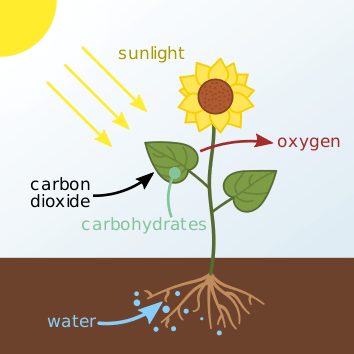
Photosynthesis happens mainly in the leaves of plants. It uses simple things like sunlight, water, and air to create food.
Role Of Chlorophyll
Chlorophyll is a green pigment in plant leaves. It helps plants absorb sunlight needed for photosynthesis.
This pigment gives leaves their green color. Without chlorophyll, plants cannot make food.
Sunlight As Energy Source
Sunlight provides the energy plants need to make food. Plants capture sunlight using chlorophyll.
The light energy splits water molecules and helps create sugar for the plant’s growth.
Carbon Dioxide And Water Intake
Plants take in carbon dioxide from the air through tiny openings in leaves. They absorb water from the soil through roots.
These two ingredients combine with sunlight to produce glucose and oxygen. Glucose is the food plants use to grow.
Light-dependent Reactions
Light-dependent reactions take place in the chloroplasts of plant cells. They use sunlight to create energy molecules. These reactions are the first stage of photosynthesis.
During these reactions, plants convert light energy into chemical energy. This energy helps make food in the next steps of photosynthesis.
Energy Capture In Chloroplasts
Chloroplasts contain pigments that absorb sunlight. The main pigment is chlorophyll. It captures light energy to power the reactions.
- Chlorophyll absorbs blue and red light well.
- Light energy excites electrons in chlorophyll.
- Excited electrons start the energy conversion process.
- Accessory pigments help capture more light.
Water Splitting And Oxygen Release
Water molecules split during the light-dependent reactions. This process releases oxygen as a byproduct. It also provides electrons and protons for energy creation.
| Process | Purpose | Result |
|---|---|---|
| Water Splitting | Supply electrons and protons | Oxygen gas released |
| Electron Transport | Transfer energy | ATP and NADPH formed |
Atp And Nadph Formation
The energy from excited electrons helps make ATP and NADPH. These molecules store energy for the next photosynthesis phase. ATP carries chemical energy. NADPH carries electrons and hydrogen.
- Electrons move through the electron transport chain.
- Energy pumps protons into the thylakoid space.
- Proton flow drives ATP production.
- NADP+ accepts electrons to form NADPH.
Calvin Cycle
The Calvin Cycle is a vital process in plants. It helps them make food using sunlight. This process occurs in the chloroplasts of plant cells.
Plants use carbon dioxide and water. They convert these into glucose, a type of sugar. This happens through a series of steps in the Calvin Cycle.
Carbon Fixation Process
Carbon fixation is the first step in the Calvin Cycle. Plants take in carbon dioxide from the air. They use an enzyme called RuBisCO to start the process.
| Stage | Action |
| 1 | Carbon dioxide enters the leaf |
| 2 | RuBisCO captures carbon dioxide |
| 3 | Carbon molecules are formed |
Sugar Molecule Production
In this stage, the plant converts carbon compounds into sugar. This sugar is called glucose. It is essential for plant growth and energy.
- Carbon compounds are rearranged
- Energy is used to form glucose
- Glucose is stored for later use
Regeneration Of Molecules
This final step regenerates molecules needed for the cycle. The plant reforms RuBP, a crucial molecule. This allows the cycle to continue without stopping.

Credit: tumbleweed.com.au
Factors Affecting Food Production
Plants make food through photosynthesis. This process needs the right conditions to work well.
Several factors affect how much food plants can produce. These include light, carbon dioxide, water, and temperature.
Light Intensity And Duration
Light gives plants energy to make food. More light means more energy for photosynthesis. Longer daylight also helps plants produce more food.
- High light intensity increases food production.
- Short light duration limits photosynthesis time.
- Too much light can damage plant cells.
- Plants need a balance of light and dark periods.
Carbon Dioxide Levels
Carbon dioxide (CO2) is a key ingredient for photosynthesis. Higher CO2 levels can increase the rate of food production in plants.
| CO2 Level (ppm) | Effect on Photosynthesis |
| Below 200 | Low photosynthesis rate |
| 200-400 | Normal photosynthesis rate |
| Above 400 | Increased photosynthesis rate |
Water Availability
Water is essential for photosynthesis and plant health. Without enough water, plants cannot produce enough food.
- Water helps transport nutrients inside the plant.
- It keeps plant cells firm and healthy.
- Too little water causes wilting and reduces food production.
- Too much water can drown roots and stop growth.
Temperature Effects
Temperature affects the enzymes that help photosynthesis. Plants work best within a certain temperature range.
- Low temperatures slow down food production.
- High temperatures can damage plant enzymes.
- Optimal temperature varies by plant type.
- Extreme heat or cold stops photosynthesis.
Importance Of Plant Food Production
Plants make their own food using sunlight, water, and air. This process is called photosynthesis.
Plant food production is very important for life on Earth. It supports many natural systems and living things.
Supporting Ecosystems
Plants create food that supports many animals and insects. They provide shelter and energy for these creatures.
- Plants feed herbivores like deer and rabbits.
- Insects rely on plants for nectar and pollen.
- Many birds use plants for nesting and food.
- Plants help keep the soil healthy for other life forms.
Foundation Of Food Chains
Plants are the base of food chains. They turn sunlight into energy that animals use.
| Level | Organisms | Role |
| 1 | Plants | Produce food from sunlight |
| 2 | Herbivores | Eat plants for energy |
| 3 | Carnivores | Eat herbivores for energy |
Oxygen Generation
Plants release oxygen as they make food. This oxygen is vital for breathing.
Here are some facts about oxygen from plants:
- Plants produce most of the Earth’s oxygen.
- Oxygen supports all animals and humans.
- Forests and oceans are key oxygen sources.

Credit: www.youtube.com
Adaptations In Different Plants
Plants produce food through photosynthesis. Different plants have special ways to make food. These ways help them survive in many places.
Some plants use different methods called C3, C4, and CAM pathways. These help plants grow well in their environment.
C3, C4, And Cam Pathways
C3 plants use the most common method to make food. C4 plants have extra steps to save water. CAM plants store carbon at night to avoid water loss.
- C3 Pathway:Uses sunlight and carbon dioxide directly in leaves.
- C4 Pathway:Separates steps in space to reduce water loss.
- CAM Pathway:Opens leaves at night to save water in dry places.
Survival In Harsh Environments
Plants face tough conditions like heat, dry soil, or low light. They adapt to survive and keep making food.
| Environment | Plant Adaptation | Benefit |
| Hot and dry | Thick leaves and wax coating | Reduces water loss |
| Low light | Large leaves or climbing | Captures more sunlight |
| Poor soil | Deep roots or nitrogen-fixing | Gets more nutrients |
Efficient Resource Use
Plants use sunlight, water, and air carefully. This helps them live longer in tough places.
- Close stomata to save water
- Store water in stems or leaves
- Use special enzymes to work faster
- Grow roots to reach deep water
Frequently Asked Questions
How Do Plants Make Food Through Photosynthesis?
Plants make food using photosynthesis, where they convert sunlight, water, and carbon dioxide into glucose. This glucose serves as energy and growth material for the plant. Chlorophyll in leaves captures sunlight, powering this vital process for plant survival.
What Role Does Chlorophyll Play In Food Production?
Chlorophyll absorbs sunlight, which provides the energy needed for photosynthesis. It gives plants their green color and allows them to convert light energy into chemical energy, helping produce glucose and oxygen essential for plant growth.
Why Is Sunlight Essential For Plant Food Production?
Sunlight provides the energy plants need to convert water and carbon dioxide into glucose. Without sunlight, photosynthesis cannot occur, and plants cannot produce the food required for their growth and development.
How Do Plants Use Carbon Dioxide In Food Production?
Plants absorb carbon dioxide from the air through tiny leaf pores called stomata. During photosynthesis, carbon dioxide combines with water and sunlight to form glucose, the plant’s primary food source.
Conclusion
Plants make their own food using sunlight, water, and air. This process is called photosynthesis. It helps plants grow and gives us oxygen to breathe. Without plants producing food, life on Earth would be very different. Understanding how plants work shows us the value of nature.
Every green leaf plays a part in this amazing process. Next time you see a plant, remember the food it creates for itself and for us. Simple, yet powerful. Nature’s way of feeding the world.