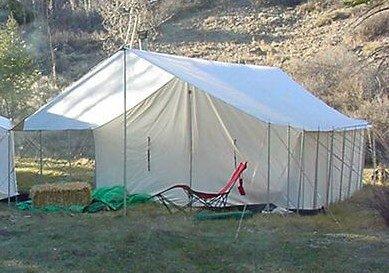
Have you ever wondered what a fly on a tent really is and why it matters for your camping experience? If you’re planning a trip or already enjoy sleeping under the stars, understanding this simple yet important part of your tent can make all the difference.
Knowing what a fly does can keep you dry, comfortable, and protected from the elements. Keep reading, and you’ll discover how this small piece of gear can improve your outdoor adventures in ways you might not expect.
Fly On A Tent Basics
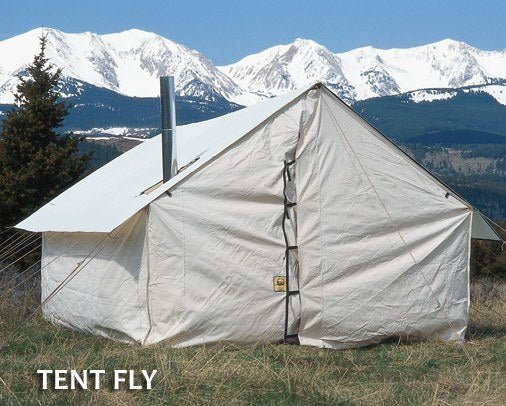
A fly on a tent is an extra layer of fabric that covers the main tent body. It helps protect the tent from rain, wind, and sun. The fly creates a barrier to keep the inside dry and comfortable.
Many campers use a tent fly to add an extra shield against weather. It also gives more shade and privacy. Some flies can be removed or adjusted based on the weather conditions.
Purpose Of A Tent Fly
The main purpose of a tent fly is to keep water out during rain. It covers the tent and stops rain from soaking the fabric underneath. This keeps the inside dry and safe.
A tent fly also helps block wind and sun. It can reduce heat inside the tent by providing shade. The fly adds extra protection and helps extend the life of the tent fabric.
Common Materials Used
Tent flies are made from strong, weather-resistant materials. These fabrics stop water and block wind. They are also light for easy carrying.
- Polyester – lightweight and dries quickly
- Nylon – strong and durable
- Canvas – heavy, offers good protection
- Silicone-coated fabrics – water repellent and strong
Types Of Tent Flies
Tent flies come in different styles. Each type fits different tents and weather needs. Some flies cover the whole tent, and others cover just the top.
- Full-coverage fly – covers the entire tent for full protection
- Partial fly – covers only the roof and doors
- Single-wall fly – acts as both tent and fly in one layer
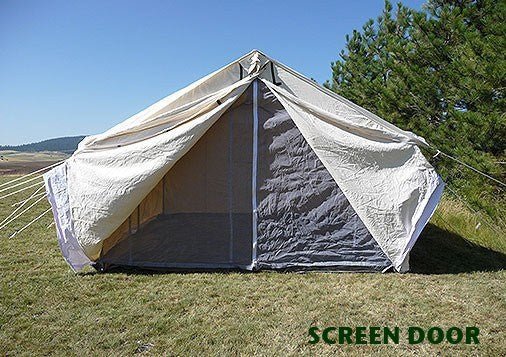
- Screen house fly – used for shade and bug protection
Benefits Of Using A Tent Fly
A tent fly is a protective cover placed over a tent. It helps improve your camping experience in several ways. Using a tent fly adds value beyond just extra fabric.
This article explains three main benefits of using a tent fly. These include weather protection, better ventilation, and added privacy.
Weather Protection
A tent fly shields your tent from rain, snow, and sun. It creates a waterproof barrier that keeps the inside dry. This helps prevent damage and discomfort during bad weather.
- Blocks rain from reaching the tent fabric
- Reduces heat from direct sunlight
- Protects against snow buildup
- Prevents wind from entering through the tent
Improved Ventilation
A tent fly allows air to flow around the tent. This reduces inside moisture and condensation. Good ventilation keeps you more comfortable while you sleep.
| Ventilation Feature | Benefit |
| Raised fly edges | Allows fresh air in |
| Gap between fly and tent | Ventilates warm air out |
| Mesh panels on tent | Keeps bugs out but air flowing |
Added Privacy
A tent fly can create a private space around your tent. It blocks the view inside and offers shelter from nearby campers or hikers. This is useful at busy campsites.
- Blocks sightlines into the tent
- Creates a small covered area outside the tent
- Acts as a windbreak to shield your space
How To Choose The Right Tent Fly
A tent fly is a protective cover for your tent. It keeps rain and wind away, providing a dry and safe camping experience.
Choosing the right tent fly means considering your tent’s size, climate, and how heavy it is. Make sure to choose carefully for a comfortable trip.
Matching With Your Tent
A tent fly should fit your tent perfectly. Check the size and shape of your tent before buying a fly.
Some tent flies are made to match specific tent models. Always read the label to ensure compatibility.
- Measure your tent’s dimensions
- Look for matching model numbers
- Check manufacturer recommendations
Considering Climate And Terrain
Different environments need different flies. For rainy areas, pick a fly with waterproof material. In hot areas, choose a fly with good ventilation.
Consider where you will camp most often. This helps in picking the right material and design.
- Waterproof flies for rainy areas
- Ventilated flies for hot climates
- Durable flies for rocky terrains
Size And Weight Factors
Lightweight flies are easier to carry. For backpacking, choose a fly that is small and light.
For car camping, you can pick a larger, heavier fly. It provides more coverage and protection.
- Light flies for backpacking
- Heavy flies for car camping
- Compact flies for easy storage
Credit: www.walltentshop.com
Setting Up A Tent Fly
A tent fly is a separate layer of fabric that covers your tent. It protects you from rain, wind, and sun. Setting up a tent fly correctly keeps you dry and comfortable.
This guide covers how to attach the fly, secure it, and adjust for weather conditions. Follow these steps to get the best shelter outdoors.
Attaching To The Tent
Start by unfolding the tent fly and laying it flat. Align the fly over the tent so it covers the walls and roof evenly. Use the clips or Velcro strips to connect the fly to the tent frame or fabric.
Make sure the fly is taut but not too tight. A tight fly prevents flapping in the wind. Some flies have hooks or loops that fit over tent poles for extra support.
Securing With Stakes And Guy Lines
Once the fly is attached, secure it to the ground. Use stakes to pin down the fly’s edges. Insert stakes at an angle for better hold.
- Find the fly’s loops or tabs near the bottom edge.
- Push stakes through these loops into the soil.
- Tighten guy lines attached to the fly’s corners.
- Adjust the tension to keep the fly stable and tight.
Guy lines help keep the fly steady in wind. Tie them to nearby trees or extra stakes placed away from the tent.
Tips For Different Weather Conditions
| Weather | Tip |
| Rain | Extend the fly’s edges to create a rain shield over the tent’s entrance. |
| Wind | Use extra guy lines and tighten all connections to reduce movement. |
| Sun | Set the fly higher for better ventilation and shade inside the tent. |
| Cold | Lower the fly edges to trap heat and block drafts. |
Maintaining And Caring For Tent Flies
A tent fly is an extra cover that protects your tent from rain and sun. It helps keep the inside dry and cool. Taking care of your tent fly will make it last longer and work better.
Proper maintenance includes cleaning, storing, and fixing small damages. These steps keep the fly strong and ready for your next trip.
Cleaning Techniques
Clean your tent fly after every use to remove dirt and stains. Use mild soap and cold water. Avoid strong detergents or bleach, as they can damage the fabric.
Gently scrub with a soft brush or cloth. Rinse well to remove all soap. Let the fly dry completely before storing to prevent mold and mildew.
- Use cold water and mild soap
- Scrub gently with a soft brush or cloth
- Rinse thoroughly to remove soap
- Air dry fully before storage
Storage Recommendations
Store your tent fly in a cool, dry place. Avoid direct sunlight and damp areas. Folding the fly loosely helps keep the fabric strong.
Use a breathable storage bag or container to avoid moisture buildup. Check the fly before storage to ensure it is clean and dry.
- Keep in a cool, dry place away from sun
- Fold loosely to avoid fabric stress
- Use a breathable storage bag or container
- Store only when the fly is clean and dry
Repairing Common Damages
Tent flies can tear or develop holes. Small damages can be fixed with repair tape or patches. Clean the area before applying repair materials.
For bigger tears, use a needle and strong thread to sew the fabric. Make sure stitches are tight and close together. Repair damages soon to avoid bigger problems.
- Use repair tape or patches for small holes
- Clean the area before repairing
- Sew larger tears with strong thread
- Fix damages quickly to prevent worsening

Credit: www.ebay.ca
Common Mistakes To Avoid
A fly on a tent helps protect you from rain and wind. Many campers make errors when using a fly. These mistakes reduce comfort and safety.
Knowing what to avoid can improve your camping experience. Below are common mistakes and how to prevent them.
Incorrect Setup
Setting up a fly wrong can cause leaks and poor shelter. Avoid these setup errors for better protection.
- Not stretching the fly tight enough
- Ignoring the tent’s shape and size
- Using the wrong stakes or poles
- Placing the fly too close to the ground
- Failing to angle the fly to shed rain
Ignoring Weather Changes
Weather can change fast. Not adjusting your fly can cause problems.
| Weather Condition | Fly Adjustment Needed |
| Strong Wind | Tighten guy lines and secure stakes |
| Heavy Rain | Lower fly edges to prevent water entry |
| Hot Sun | Raise fly for better ventilation |
Using Incompatible Flies
Not all flies fit all tents. Using the wrong fly can cause fit and protection issues.
- Check fly size matches your tent size
- Use a fly designed for your tent model
- Avoid flies made from poor waterproof materials
- Choose flies that allow good airflow
Credit: www.walltentshop.com
Frequently Asked Questions
What Is The Purpose Of A Fly On A Tent?
A tent fly is an outer layer that covers the tent body. It protects against rain, wind, and moisture. The fly improves ventilation and keeps the inside dry. It also adds an extra layer of insulation in cold weather.
How Does A Tent Fly Improve Camping Comfort?
A tent fly prevents water from leaking inside the tent during rain. It reduces condensation by allowing airflow between the fly and tent walls. This keeps the interior dry and comfortable. The fly also shields campers from wind and sun exposure.
Can A Tent Fly Be Used Without The Tent?
A tent fly alone is not designed for shelter. It lacks structural support and enclosure. However, it can serve as a tarp or shade in some cases. For full protection, always use the fly with the tent.
What Materials Are Tent Flies Typically Made Of?
Tent flies are usually made from waterproof, lightweight fabrics. Common materials include polyester, nylon, and silicone-coated fabrics. These materials resist water and dry quickly. They also offer durability against outdoor elements.
Conclusion
A fly on a tent adds extra space and shelter outdoors. It keeps rain and sun away from your tent entrance. Many campers find it useful for cooking or relaxing. Choosing the right fly depends on your tent and needs.
Remember, setting it up properly helps keep you dry and comfortable. This simple addition can improve your camping experience. Try one on your next trip and see the difference.