Is your garden hose barely trickling when you need a strong spray? Low water pressure can make watering your plants, washing your car, or cleaning your patio frustrating and time-consuming.
But what if you could fix this problem quickly and easily? You’ll discover simple, effective ways to boost your garden hose pressure. Whether you want a powerful stream or just a steady flow, these tips will help you get the job done right.
Keep reading to transform your watering experience and make your garden tasks easier than ever.

Credit: stemeez.com.au
Common Causes Of Low Hose Pressure
Low water pressure in garden hoses can be frustrating. It affects watering plants and cleaning tasks.
Understanding why pressure drops helps fix the problem quickly. Several common causes reduce hose pressure.
Clogged Hose Or Nozzle
Dirt, debris, and mineral buildup block water flow inside the hose or nozzle. This reduces pressure at the outlet.
Cleaning the hose and nozzle regularly can prevent clogs. Use water and a brush to clear the inside parts.
Kinks And Twists
Bends or twists in the hose stop water from flowing smoothly. These kinks cause drops in pressure and may damage the hose.
- Straighten the hose before use
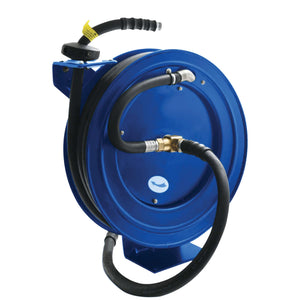
- Store the hose properly on a reel
- Avoid sharp bends during watering
Incorrect Hose Diameter
The diameter of the hose affects water speed and pressure. A hose that is too narrow limits flow and lowers pressure.
| Hose Diameter | Effect on Pressure |
| 1/2 inch | Lower pressure, suitable for short distances |
| 5/8 inch | Standard size, balances flow and pressure |
| 3/4 inch | Higher pressure, good for long distances |
Water Source Limitations
The water supply may not provide enough pressure. Low pressure can come from old pipes or shared water lines.
Check these factors at the water source:
- Water pressure from the main supply
- Number of devices using water at the same time
- Condition of outdoor faucets and valves

Credit: www.angi.com
Quick Fixes For Better Pressure
Low garden hose pressure can slow down your watering tasks. Simple fixes can improve water flow fast.
Check these easy tips to get better pressure from your garden hose today.
Straighten The Hose
Kinks and bends in the hose block water flow. Make sure the hose is fully straight before use.
Lay the hose out flat or stretch it to remove twists and sharp bends for better pressure.
Clean The Nozzle And Hose
Dirt and debris can clog the nozzle and inside the hose. Clean them regularly to keep water flowing.
Remove the nozzle and soak it in warm water. Rinse the hose opening to clear any blockages.
Check For Leaks
Leaks cause water pressure to drop. Inspect the hose for holes or cracks and fix them quickly.
- Look for wet spots on the hose while water runs
- Use hose tape or a patch kit to seal small leaks
- Replace the hose if leaks are severe
Adjust The Water Source Valve
Make sure the water valve is fully open for maximum pressure. Partially closed valves reduce flow.
If your valve has settings, choose the one for full water output. Check any filters on the valve too.
Upgrading Hose Components
Increasing garden hose pressure can make watering tasks easier. Upgrading hose components helps achieve better water flow. Here, we explore ways to enhance hose efficiency.
Simple upgrades can make a noticeable difference. Let’s look at different components to focus on.
Choosing A Narrower Diameter Hose
A narrower hose diameter increases water pressure. Smaller hoses create less space for water, boosting pressure naturally. It’s an effective method for higher hose performance.
Check the compatibility of the narrower hose with your faucet and attachments. Ensure it fits well to avoid leaks.
- Measure your current hose diameter.
- Select a hose with a smaller diameter.
- Ensure the hose material is durable.
Using High-pressure Nozzles
High-pressure nozzles focus water flow, increasing pressure at the output. They are adjustable and suitable for different tasks. Choose nozzles that offer multiple spray patterns.
Secure the nozzle tightly to prevent leaks. Adjust the nozzle to suit your watering needs and achieve desired pressure.
- Choose a nozzle with adjustable settings.
- Ensure compatibility with your hose.
- Test different spray patterns for best results.
Installing A Booster Pump
A booster pump enhances water flow from the source. It is ideal for large gardens or long hoses. Pumps increase overall water pressure significantly.
Installation is straightforward but may require professional help. Ensure the pump matches your water source capacity for optimal performance.
| Features | Benefits |
| Automatic operation | Convenient and easy to use |
| Energy efficient | Saves on electricity costs |
| Durable construction | Long-lasting and reliable |

Credit: www.familyhandyman.com
Optimizing Water Supply
Good water pressure is key for a garden hose to work well. Low pressure makes watering plants slow and frustrating.
Check your water supply to improve hose pressure. Small changes can make a big difference in flow and force.
Check Municipal Water Pressure
Municipal water pressure can limit your hose flow. Most cities supply pressure between 40 and 80 psi.
Test your water pressure with a gauge. Attach it to an outdoor faucet and note the reading.
| Pressure Range (psi) | Effect on Hose |
| Below 40 | Low pressure, weak flow |
| 40 to 60 | Average pressure, normal flow |
| Above 60 | Good pressure, strong flow |
Use A Dedicated Outdoor Faucet
Using a faucet meant only for the garden hose can keep pressure steady. Shared faucets can lower flow.
- Avoid faucets connected to indoor appliances.
- Check if the faucet has a full open valve.
- Install a new outdoor faucet if needed.
Avoid Running Multiple Water Devices
Running several water devices at once reduces pressure to the hose. This includes sprinklers, washing machines, or showers.
Try this simple check:
- Turn off all other water devices.
- Run the garden hose alone.
- Notice if the pressure improves.
Limiting water use at the same time helps increase hose pressure.
Maintenance Tips For Consistent Flow
Garden hose pressure often drops due to blockages or damage. Proper maintenance keeps water flowing well.
Simple care steps extend your hose life and maintain steady water pressure.
Regular Cleaning And Inspection
Check your hose for dirt, debris, and leaks often. Cleaning removes blockages that lower pressure.
Inspect connectors and fittings to ensure tight seals. Loose parts can cause leaks and reduce flow.
- Flush the hose with water after use
- Remove dirt from connectors and threads
- Look for cracks, holes, or worn spots
- Tighten or replace loose fittings
Proper Storage To Prevent Damage
Store your hose away from direct sun and sharp objects. This stops damage that can lower pressure.
Use a reel or hanger to keep the hose off the ground and avoid kinks or bends.
- Keep hose shaded to avoid cracking
- Coil hose loosely to prevent kinks
- Store indoors or in a shed during bad weather
- Avoid heavy items on top of the hose
Seasonal Hose Care
Drain water from your hose before cold weather. Frozen water can cause cracks and leaks.
Inspect the hose after winter for damage. Repair or replace it to keep good pressure all season.
- Drain and dry hose before storing for winter
- Check for damage after winter storage
- Replace damaged sections promptly
- Test water flow early in the season
Frequently Asked Questions
How Can I Increase Garden Hose Water Pressure?
To increase garden hose pressure, use a shorter hose and avoid kinks. Check for leaks and clean the nozzle. Installing a pressure booster or a larger diameter hose also helps improve flow and pressure effectively.
Why Is My Garden Hose Pressure So Low?
Low garden hose pressure can be caused by leaks, kinks, or clogged nozzles. It may also result from low water supply pressure or using a long, narrow hose. Inspect your hose and water source to identify and fix the issue.
Does Hose Diameter Affect Water Pressure?
Yes, hose diameter affects water pressure. Larger diameter hoses reduce friction and allow more water flow. This results in higher pressure at the nozzle compared to smaller diameter hoses, which restrict flow and lower pressure.
Can I Use A Pressure Booster For My Garden Hose?
Yes, a pressure booster can increase your garden hose pressure. It boosts water flow from the source, improving overall pressure. Ensure the booster is compatible with your hose and water supply for optimal results.
Conclusion
Increasing garden hose pressure can make watering easier and faster. Check for leaks or kinks in the hose first. Clean or replace old or clogged nozzles. Use a shorter hose to keep pressure high. Adjust the water valve to allow more flow.
Try raising the water source if possible. These simple steps can improve your garden hose pressure. Enjoy better water flow for all your garden needs.