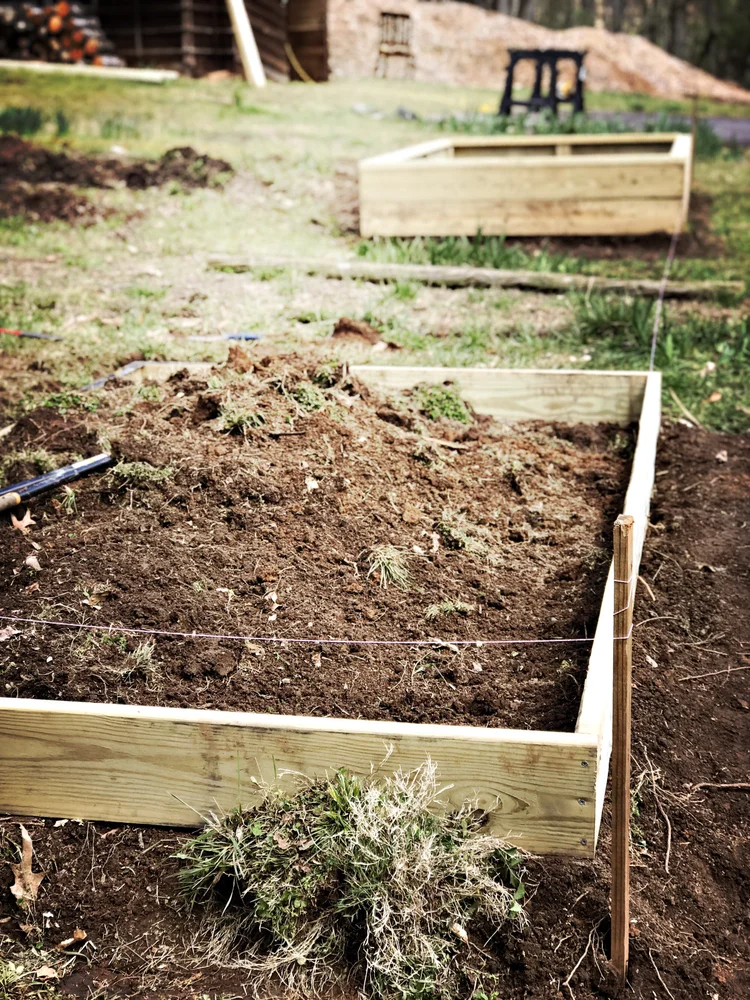
Is your raised garden bed uneven and causing trouble with planting or watering? You’re not alone, and the good news is that leveling it doesn’t have to be hard.
When your garden bed is level, your plants get the right amount of water and nutrients, helping them grow strong and healthy. In this guide, you’ll discover simple, effective steps to get your raised bed perfectly balanced. Keep reading, and you’ll soon enjoy a garden that looks great and thrives like never before.
Tools And Materials Needed
Leveling a raised garden bed helps your plants grow better. It stops water from pooling in one area.
You need some tools and materials to make the job easier and more accurate. These items help you check and adjust the bed’s level.
Spirit Level Or Bubble Level
A spirit level shows if a surface is flat or tilted. It uses a bubble inside a liquid tube to show the angle.
Place the level on the garden bed’s edges. The bubble should be in the middle for a flat surface.
Tape Measure
A tape measure helps you check the height of different parts of the bed. It measures the distance from the ground to the bed edge.
Use it to compare heights on all sides. This helps you know where the bed is higher or lower.
Shovel Or Garden Spade
A shovel or garden spade is useful for digging and moving soil. You may need to add or remove soil to level the bed.
Use the shovel to shift soil from high spots to low spots for a balanced surface.
Rake
A rake helps you smooth the soil after adjusting it. It evens out bumps and spreads soil evenly.
Use the rake to create a flat and tidy surface inside the bed before planting.
Wooden Stakes And String
Wooden stakes and string help you mark the level line around the bed. This shows where the soil should be.
Drive stakes into the ground at the bed corners. Tie string tightly around them to create a guide line.
Hand Tamper Or Flat Board
A hand tamper or flat board compacts the soil after leveling. This prevents soil from sinking later.
Press down gently but firmly on the soil to make it firm and stable for planting.

Credit: www.vegega.com
Choosing The Right Location
Finding the best spot for your raised garden bed is important. The right place helps your plants grow strong and healthy.
Think about sunlight, soil, and space. These factors affect how well your garden will do.
Sunlight Exposure
Most vegetables need at least six hours of sunlight each day. Choose a spot that gets plenty of direct sun.
Avoid shady areas near large trees or buildings. Too little sun can slow plant growth.
Soil And Drainage
Good drainage keeps roots healthy. Avoid places where water pools after rain.
- Look for firm, level ground to place the bed.
- Check that water drains well and does not stay standing.
- Raised beds improve drainage but start with a good spot.
Space And Accessibility
Make sure there is enough space around the bed for you to work. Leave room to walk and reach all plants easily.
| Factor | Ideal Condition |
| Sunlight | 6+ hours direct sun |
| Drainage | Well-drained, no standing water |
| Space | Clear access on all sides |
| Level Ground | Flat or gently sloping |
Avoiding Strong Winds
Strong winds can damage plants and dry out soil quickly. Choose a spot sheltered by fences or buildings.
Tip:Use windbreaks like shrubs or garden screens to protect your raised bed.
Preparing The Ground
Before leveling a raised garden bed, it’s important to prepare the ground. This ensures a stable and productive environment for plants.
Proper preparation includes clearing debris, removing weeds, and checking for slope. Each step is essential for a successful garden bed.
Clearing Debris
Start by clearing debris from the area. Remove rocks, sticks, and other materials that could hinder your work.
- Wear gloves to protect your hands.
- Use a rake to gather loose materials.
- Dispose of debris in a compost pile if possible.
Removing Weeds
Weeds compete with your plants for nutrients. Removing them is crucial for healthy growth.
Pull weeds by hand or use a small shovel for deep roots. Ensure you remove the entire root to prevent regrowth.
Checking For Slope
It’s important to check if the ground has a slope. A flat surface is ideal for even water distribution.
Use a long piece of wood and a level to check the slope. Place the wood on the ground and position the level on top. Adjust the ground as needed to achieve a flat surface.
Measuring And Marking The Bed
Measuring and marking your raised garden bed is the first step to level it properly. This helps you see where the bed is uneven and needs adjustment.
Accurate measurements make the leveling process easier and save time. Use simple tools to measure and mark the bed clearly.
Using A Level
A level tool shows if your garden bed is flat or tilted. Place it on the bed’s edges and middle to check the surface.
If the bubble in the level is not centered, adjust the soil or frame until it is. Check all sides for a balanced result.
- Place the level on each side of the bed
- Check the bubble to see if it is centered
- Adjust soil or frame to even the surface
- Repeat checks until the bubble stays centered
Marking Corners And Edges
Mark the corners and edges of your bed to guide your leveling work. Use stakes, paint, or chalk to make clear marks.
These marks help you measure height differences and keep your bed shape straight. Check the marks often while leveling.
- Place stakes at each corner
- Mark edges with chalk or paint
- Measure height at each mark
- Use marks to guide soil or frame adjustments
Adjusting The Frame
Leveling a raised garden bed helps plants grow better. A frame that is not level can cause water to pool or run off.
Adjusting the frame is important to create a flat and stable garden bed. You can do this by adding or removing soil and shimming the frame.
Adding Or Removing Soil
If one side of the garden bed is low, add soil to raise it. If one side is too high, remove some soil to lower it.
Check the level with a carpenter’s level or a straight board. Add or remove soil little by little until the bed is even.
- Use good quality soil that drains well
- Spread soil evenly inside the frame
- Press soil down gently to avoid air pockets
- Repeat leveling checks after adding or removing soil
Shimming The Frame
Sometimes the frame itself sits unevenly on the ground. Shimming means placing small pieces under the frame to level it.
Use wood, plastic, or metal shims. Place them under the low corners or edges to lift the frame until it is level.
- Lift the frame slightly to insert shims
- Use a level to check the frame as you add shims
- Trim shims if they stick out too much
- Make sure shims are stable and won’t move

Credit: www.reddit.com
Final Level Check
After building your raised garden bed, it is important to ensure it is perfectly level. This helps water flow evenly and plants grow well.
A final level check prevents soil erosion and keeps the structure stable for years.
Use A Level Tool
Place a carpenter’s level on the top edge of the garden bed. Check both the length and width sides. Adjust the soil or frame until the bubble is centered.
Check All Corners
Each corner of the bed must be at the same height. Use a measuring tape or ruler to compare corner heights to the ground level.
- Measure from the ground to the top edge at each corner.
- Mark any corner that is higher or lower than the others.
- Adjust soil or frame to match the lowest corner.
- Recheck after adjustments for accuracy.
Perform A Water Test
Pour water along the edges of the garden bed. Watch for pooling or running water. Water should stay evenly distributed.
| Test Area | Expected Result | Action If Not Level |
|---|---|---|
| Along Length | Water flows evenly without pooling | Add soil under low spots or adjust frame |
| Along Width | Water spreads evenly without runoff | Level frame or add soil where needed |
| Corners | No water pooling or runoff | Recheck corner heights and adjust |
Tips For Long-term Maintenance
Keeping a raised garden bed level is important for plant health and water drainage. Regular maintenance helps avoid soil erosion and structural damage.
These tips will help you maintain your garden bed’s level surface over time. This ensures a stable and productive growing space.
Check The Bed Level Regularly
Use a carpenter’s level or a simple water level tool to check if your garden bed is even. Do this at least twice a year, especially after heavy rain or frost.
Reinforce The Bed Edges
Wood edges can warp or rot over time. Replace damaged boards and tighten screws to keep the frame sturdy and straight. Strong edges help maintain the bed’s shape.
Add Or Remove Soil As Needed
Soil can settle and create uneven spots. Add fresh soil or compost to low areas to keep the surface level. Remove excess soil from high spots if necessary.
Control Water Drainage
Proper drainage prevents water from pooling and washing away soil. Use mulch and plant cover crops to reduce erosion and keep moisture steady.
- Check drainage holes for clogs
- Avoid overwatering
- Use drip irrigation to control water flow
- Add gravel under the bed for better drainage
Inspect Soil Quality Annually
Healthy soil supports a level garden bed. Test soil pH and nutrients each year. Amend soil with organic matter to keep it loose and balanced.
| Soil Test Item | Recommended Range |
| pH Level | 6.0 to 7.0 |
| Nitrogen | Medium to High |
| Phosphorus | Medium |
| Potassium | Medium to High |

Credit: www.reddit.com
Frequently Asked Questions
How Do I Level A Raised Garden Bed Quickly?
To level a raised garden bed quickly, use a long spirit level and a shovel. Adjust soil and bed frame until the bubble centers. This ensures proper water drainage and even plant growth.
Why Is Leveling Important For Raised Garden Beds?
Leveling a raised garden bed prevents water pooling and soil erosion. It promotes healthy root development and ensures uniform nutrient distribution. This leads to better plant growth and higher yields.
What Tools Are Needed To Level A Raised Garden Bed?
You need a spirit level, shovel, rake, and measuring tape to level a raised garden bed. These tools help you check height differences and adjust soil or frame accordingly for a flat surface.
Can I Level A Raised Garden Bed On Uneven Ground?
Yes, you can level a raised garden bed on uneven ground. Adjust the bed frame by adding or removing soil underneath. Use a spirit level to ensure the top is even and stable.
Conclusion
Leveling a raised garden bed helps plants grow healthy and strong. A flat bed keeps water from pooling or running off. It also makes planting and weeding easier. Use simple tools like a level or string for best results. Take your time and check often.
A well-leveled bed means better soil and happier plants. Start today and watch your garden thrive. Small effort, big rewards.