Have you ever spotted a cluster of hairy caterpillars weaving webs in the branches of your trees and wondered, “Are Eastern Tent Caterpillars dangerous?” These curious insects can be hard to ignore, especially when they start making tents in your yard. You might be worried about your family’s safety, your pets, or even the health of your trees.
This article will clear up the mystery and help you understand what these caterpillars really mean for your home and garden. Keep reading to find out if you need to take action or simply watch them from a distance.

Credit: www.pubs.ext.vt.edu
Eastern Tent Caterpillar Basics
Eastern tent caterpillars are common insects found in many parts of North America. They are known for building large silk tents in trees.
People often wonder if these caterpillars are dangerous to humans or plants. Understanding their traits helps answer this question.
Physical Characteristics
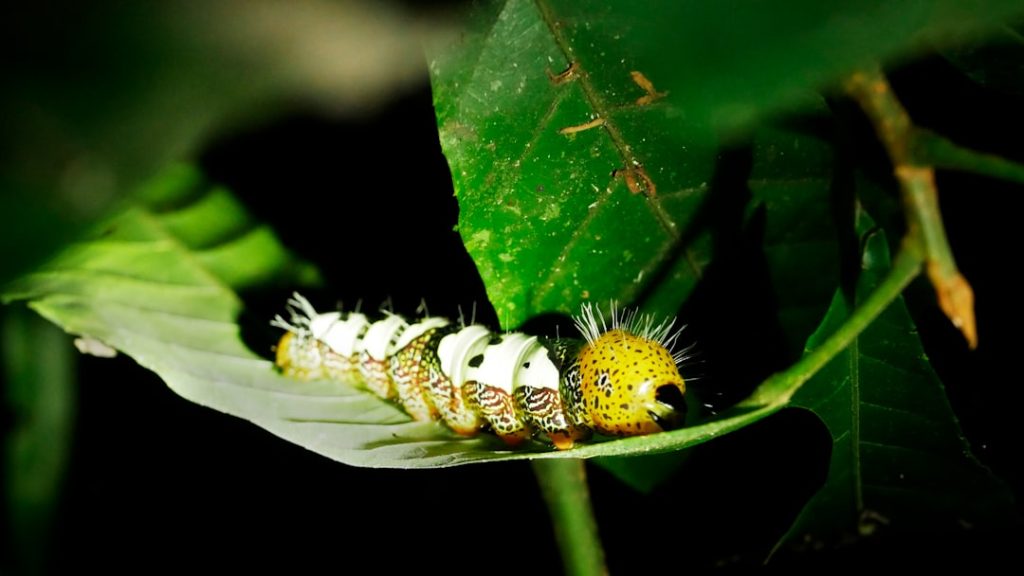
Eastern tent caterpillars have a hairy body with blue and black colors. They have a white stripe down the middle of their back.
These caterpillars grow about 2 inches long. They have six legs near their head and several prolegs along their body.
Life Cycle And Behavior
The life cycle starts in spring when eggs hatch on tree branches. The young caterpillars build silk tents to live in and protect themselves.
They feed on leaves during the day and return to the tent at night. After several weeks, they become moths and lay eggs for the next year.
- Eggs hatch in early spring
- Caterpillars build and live in silk tents
- Feed mainly on tree leaves
- Turn into moths in late spring or early summer
Habitat And Distribution
Eastern tent caterpillars live mostly in hardwood trees like cherry and apple trees. They prefer areas with many trees close together.
These caterpillars are found across the eastern United States and parts of Canada. They thrive in forests, orchards, and suburban areas.

Credit: ca.news.yahoo.com
Impact On Plants And Trees
Eastern tent caterpillars can affect plants and trees in many ways. Their feeding can change the health of the trees they live on.
Understanding how they feed and the damage they cause helps protect your plants and trees better.
Feeding Habits
Eastern tent caterpillars eat leaves mostly in early spring. They create silk tents in tree branches for shelter.
They feed in groups and can strip a tree of its leaves quickly. Their favorite trees include cherry, apple, and crabapple.
Tree Damage Potential
Their feeding can cause defoliation, which means the tree loses many leaves. This weakens the tree and slows growth.
Young trees and small plants suffer the most damage. Large trees usually recover after the caterpillars leave.
- Leaves are eaten, reducing photosynthesis
- Defoliation stresses the tree
- Repeated attacks can harm tree health
Long-term Effects On Vegetation
Repeated feeding over years can weaken trees and plants. Weaker trees are more open to diseases and pests.
Most healthy trees recover after losing leaves. Trees that lose leaves often may grow slower or die.
Threat To Humans And Pets
Eastern tent caterpillars are common in many areas. They are often seen in large numbers on trees. But are these caterpillars dangerous to humans and pets?
While they are not poisonous, they can cause discomfort. Let’s explore how they might affect humans and pets.
Allergic Reactions
Some people may have allergic reactions to eastern tent caterpillars. The tiny hairs on their bodies can cause issues.
Reactions can include sneezing, itchy eyes, or a runny nose. People with allergies should avoid touching them.
Skin Irritations And Symptoms
Direct contact with these caterpillars can irritate the skin. They have tiny hairs that might cause a rash.
Symptoms can include redness, itching, and small bumps. Washing the area with soap and water can help.
- Redness appears where the caterpillar touched the skin
- Itching can last for several hours
- Small bumps might form on sensitive skin
Safety Around Children And Animals
Children and pets are curious and might touch or eat the caterpillars. This can lead to discomfort or mild illness.
Keep an eye on young children and pets when they play outside. Teach them not to touch or eat strange insects.
- Watch children when they play near trees
- Teach kids not to touch unknown insects
- Monitor pets for signs of sickness after contact

Credit: www.butterfliesandmoths.org
Natural Predators And Control
Eastern tent caterpillars can cause damage to trees and plants. Nature helps control their numbers through predators and other methods. Understanding these natural controls can help manage them safely.
Using natural predators and gentle removal methods keeps your garden healthy. It avoids harmful chemicals and supports the environment.
Birds And Insects That Feed On Caterpillars
Many birds eat eastern tent caterpillars. These birds help reduce caterpillar populations naturally. Some insects also prey on the caterpillars or their eggs.
- Chickadees and sparrows eat caterpillars regularly.
- Woodpeckers pick caterpillars from tree branches.
- Wasps attack caterpillar nests and larvae.
- Ladybugs feed on caterpillar eggs and small larvae.
Biological Control Methods
Biological control uses natural enemies to manage caterpillars. It is safe for plants and other animals. This method reduces the need for pesticides.
- Encourage birds by providing feeders and water.
- Introduce beneficial insects like parasitic wasps.
- Use Bacillus thuringiensis (Bt), a natural bacteria that kills caterpillars.
- Keep trees healthy to resist caterpillar damage better.
Safe Removal Techniques
Remove eastern tent caterpillars without harming yourself or plants. Use gentle ways to clear nests and caterpillars.
- Pick off tents by hand in early morning or late evening.
- Use gloves to protect your hands from irritation.
- Prune branches with nests and dispose of them in sealed bags.
- Spray water to knock caterpillars off trees if nests are small.
Preventing Infestations
Eastern tent caterpillars can harm trees and plants if they appear in large numbers. Taking early action can stop them from spreading. Learning how to spot them early and care for your trees helps keep your yard safe.
This guide covers signs of early infestations, ways to maintain trees, and options for treatment. Use these tips to protect your outdoor space.
Early Detection Signs
Look for small silk tents in tree branches in early spring. These tents house groups of caterpillars. You may also notice chewed leaves or branches with fewer leaves than usual.
- Silk tents on branches
- Clusters of small black caterpillars
- Leaves with holes or missing parts
- Sticky residue from caterpillar droppings
Tree Maintenance Tips
Healthy trees resist pests better than weak ones. Regular care can reduce the chance of caterpillar infestations. Pruning and cleaning trees keeps them strong.
| Maintenance Task | Purpose |
| Pruning branches | Removes caterpillar nests and damaged limbs |
| Removing fallen leaves | Reduces places for eggs and larvae to hide |
| Watering during dry spells | Keeps trees healthy and less vulnerable |
| Applying mulch | Protects roots and improves soil quality |
Chemical Vs. Organic Solutions
Choose the right treatment to control caterpillars. Chemicals work fast but may harm other insects. Organic methods are safer but may need more time and effort.
- Chemical treatments:Use insecticides carefully and follow instructions.
- Organic options:Handpick caterpillars and use natural sprays like neem oil.
- Timing:Apply treatments early in the season for best results.
- Safety:Protect beneficial insects and avoid overuse of chemicals.
Frequently Asked Questions
Are Eastern Tent Caterpillars Harmful To Humans?
No, Eastern Tent Caterpillars are not harmful to humans. They do not bite or sting but can cause mild skin irritation if touched.
Do Eastern Tent Caterpillars Damage Trees?
Yes, they can defoliate trees by feeding on leaves. However, healthy trees usually recover without lasting harm.
Can Eastern Tent Caterpillars Spread Diseases?
No, these caterpillars do not spread diseases to humans or animals. Their main impact is on tree foliage.
How To Safely Remove Eastern Tent Caterpillars?
Remove tents manually or use insecticidal sprays. Always wear gloves to avoid skin irritation during removal.
Conclusion
Eastern tent caterpillars are not very dangerous to people. They might bother your trees by eating leaves. Still, they rarely cause serious harm to plants or people. Watch your trees for caterpillar tents and remove them if needed. Taking simple steps can keep your yard healthy.
Knowing about these insects helps you stay calm and ready. Nature has its way, but you can protect your space. Stay informed and enjoy a healthy garden all year.