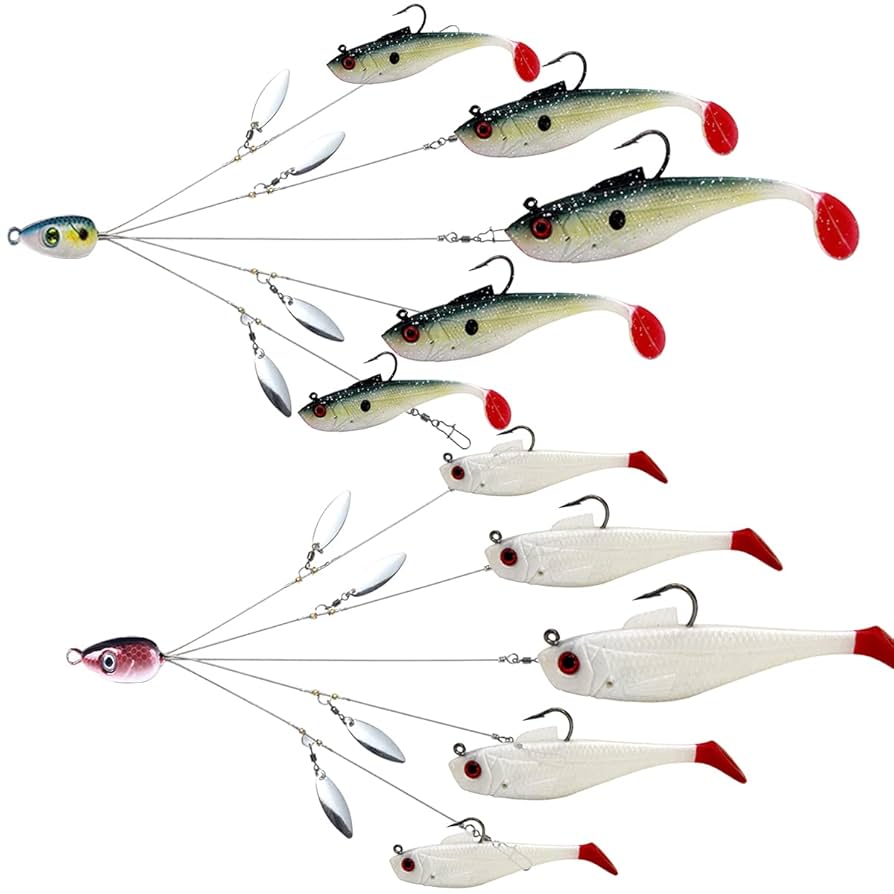
When it comes to fishing, having the right lure can make all the difference between a quiet day and a thrilling catch. A rig fishing lure is not just any bait; it’s designed to attract fish in the smartest way possible.
If you want to improve your chances of landing that big fish, understanding how to choose and use a rig fishing lure is key. You’ll discover what makes these lures so effective and how you can use them to boost your fishing success.
Ready to make every cast count? Keep reading to find out more.

Credit: mysterytacklebox.com
Choosing The Right Rig Fishing Lure
Choosing the right rig fishing lure is important for catching fish. The right lure helps you attract fish better.
Different lures work for different fish and water conditions. Knowing how to pick the best lure can improve your fishing.
Types Of Rig Fishing Lures
There are many types of rig fishing lures. Each type moves differently to attract fish.
Common types include jigs, spoons, soft plastics, and crankbaits. Each works best in certain fishing spots.
- Jigs:Heavy and sink fast. Good for deep water.
- Spoons:Shiny and wobble in water. Attract predatory fish.
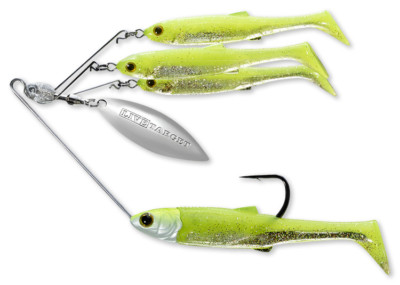
- Soft Plastics:Flexible and lifelike. Great for slow fishing.
- Crankbaits:Hard-bodied and dive deep. Imitate small fish.
Matching Lures To Fish Species
Different fish prefer different lures. Choose a lure that looks like the fish’s natural food.
For example, bass like soft plastics and crankbaits. Trout prefer small spoons and flies.
- Bass:Soft plastics, crankbaits, jigs
- Trout:Small spoons, flies, tiny jigs
- Walleye:Jigs, crankbaits, live bait rigs
- Pike:Large spoons, spinnerbaits, big crankbaits
Material And Durability Factors
Fishing lures come in different materials like plastic, metal, and wood. Material affects lure strength and action.
Metal lures last longer and work well in rough water. Plastic lures look more natural but can break easily.
- Metal:Durable, good for deep and fast fishing
- Plastic:Realistic look, best for slow fishing
- Wood:Traditional, floats well, less common now
- Rubber/Soft Plastics:Flexible, lifelike, may wear out faster
Rig Fishing Techniques For Success
Rig fishing is a popular method that uses different setups to catch fish. Using the right technique improves your chance of success. This guide covers key tips for rig fishing.
Focus on setting up your rig properly, using good casting and retrieval methods, and adjusting depth and speed. These steps help you fish smarter and catch more.
Setting Up Your Rig
Start with choosing the right rig for your target fish. Attach your lure securely and check all knots. Use weights that fit the water conditions. A solid rig keeps your lure working well.
- Use strong line and sharp hooks
- Choose a weight that matches water depth
- Check knots to avoid slipping
- Attach your lure firmly
- Test your rig before casting
Casting And Retrieval Tips
Cast your rig smoothly to avoid tangles. Aim for spots where fish hide like near rocks or plants. Use slow and steady retrieval to mimic natural prey. Vary your speed to see what works best.
| Casting Tip | Retrieval Tip |
| Cast beyond the target zone | Retrieve slowly with pauses |
| Use a smooth, fluid motion | Change speed to attract bites |
| Avoid casting into heavy wind | Keep tension on the line |
Adjusting Depth And Speed
Changing depth helps find where fish are feeding. Use different weights or floats to control how deep your lure goes. Adjust retrieval speed to match fish activity.
Try this simple method for adjusting depth and speed:
- Start with a medium weight to reach mid-depth.
- Slow your retrieve to let the lure sink deeper.
- If no bites, add weight to go deeper or remove to go shallower.
- Speed up retrieve to trigger reaction strikes.
- Repeat changes until you find the best setting.
Best Conditions For Rig Fishing
Rig fishing is a popular method for catching various fish species. Success often depends on choosing the right conditions. Knowing when and where to fish can make a big difference.
Understanding weather, water, and timing helps in planning your fishing trip. Let’s explore the best conditions for rig fishing.
Ideal Weather And Water Conditions
Clear, calm days are ideal for rig fishing. Fish tend to be more active when the weather is stable. Mild temperatures also help with comfort during your fishing trip.
Water clarity is important. Clear water allows fish to see the lure better. Avoid muddy or murky water if possible.
- Sunny days are best
- Light winds create less disturbance
- Clear water improves visibility
Time Of Day For Maximum Catch
The best times to fish are early morning and late afternoon. Fish are more active during these periods. The sun is not too harsh, making it comfortable to be out on the water.
Midday can be less productive. The sun is high and fish may dive deeper. Try to plan your fishing trips around these peak times.
- Early morning increases chances
- Late afternoon is also good
- Midday can be less productive
Seasonal Considerations
Seasons affect fish behavior and availability. Spring and fall are often the best for rig fishing. Fish are more active as they feed and prepare for changing temperatures.
Summer can be challenging due to heat. Fish might stay in deeper, cooler waters. Winter can be difficult as some fish species become less active.
- Spring brings active fish
- Fall is also productive
- Summer heat affects fish behavior
Credit: www.ebay.ca
Common Mistakes To Avoid
Using a rig fishing lure can be very effective if done right. Many anglers make simple errors that reduce their catch. Knowing what to avoid helps improve your fishing success.
This guide covers three common mistakes. Learn about lure choice, rig setup, and how fish behavior affects your results.
Improper Lure Selection
Choosing the wrong lure is a frequent error. The lure should match the fish species and water conditions. Using a lure that is too big or too small can scare fish or fail to attract them.
- Pick colors that blend with the water clarity.
- Use lures that imitate the local baitfish size.
- Consider the depth where fish feed most of the time.
- Avoid lures with too much flash in clear water.
Poor Rig Assembly
Setting up the rig incorrectly causes lost fish and broken lines. Each part of the rig must be strong and secure. Weak knots or wrong connections can fail under pressure.
| Common Issue | Effect | Fix |
| Loose knot | Line slips or breaks | Tie strong knots like Palomar |
| Wrong hook size | Fish escapes or hook pulls out | Match hook size to lure and fish |
| Weak leader | Line breaks on sharp teeth | Use abrasion-resistant leader |
| Too short rig | Lure moves unnaturally | Adjust rig length for smooth action |
Ignoring Fish Behavior
Fish behavior changes with weather, time, and season. Ignoring this causes poor lure action and few bites. Pay attention to fish feeding times and water temperature.
Tips to match fish behavior:
- Use slower lure movement in cold water.
- Try brighter colors during low light.
- Change lure depth based on fish location.
- Observe water currents and adjust lure speed.
Maintenance And Care For Lures
Taking care of your rig fishing lure helps it last longer. Proper maintenance keeps it working well.
Simple steps like cleaning and storing lures right protect them from damage and rust.
Cleaning After Use
Rinse your lure with fresh water after every use. Salt and dirt can cause damage over time.
Use a soft brush to remove any debris or fish slime. Dry the lure completely before storing.
- Rinse with fresh water
- Use a soft brush for cleaning
- Dry thoroughly to avoid rust
Storage Tips
Store lures in a dry, cool place. Avoid leaving them in direct sunlight for long periods.
Use tackle boxes with compartments to keep lures separate. This prevents hooks from tangling and paint from chipping.
- Keep lures dry and cool
- Use compartmentalized tackle boxes
- Avoid direct sunlight exposure
When To Replace Your Lure
Replace your lure if the paint peels off or the hooks become dull. Damaged lures catch fewer fish.
Check your lure regularly for cracks or bent parts. A broken lure can lose its action in the water.
- Replace if paint is chipped
- Change if hooks are dull or rusty
- Discard lures with cracks or damage

Credit: www.amazon.ca
Advanced Rig Fishing Strategies
Rig fishing needs skill and smart ideas to catch more fish. Using tools and different setups helps anglers succeed.
This guide covers ways to use technology, try new rigs, and fish in various waters.
Using Electronics And Fish Finders
Electronics like fish finders show where fish hide under water. They give real-time data on depth and fish size.
- Use sonar to spot fish near the rig.
- Adjust rig depth based on fish location shown on screen.
- Learn to read signals for different fish types.
- Combine electronics with natural observation for better results.
Experimenting With Custom Rigs
Custom rigs help target specific fish and adapt to conditions. Changing weights, hooks, or bait can make a big difference.
| Rig Type | Best Use | Key Feature |
| Drop Shot Rig | Clear water, picky fish | Suspends bait above bottom |
| Carolina Rig | Deep water, rocky bottom | Weight slides freely |
| Texas Rig | Weedy areas | Weedless hook setup |
Adapting To Different Water Bodies
Rigs work differently in lakes, rivers, or saltwater. Knowing water type helps choose the right rig and bait.
Here are tips for each water body:
- Lakes:Use heavier rigs to reach deep spots.
- Rivers:Choose rigs that hold bait steady in currents.
- Saltwater:Opt for corrosion-resistant gear and strong hooks.
Frequently Asked Questions
What Is A Rig Fishing Lure?
A rig fishing lure is a bait setup designed to attract fish effectively. It combines hooks, weights, and artificial bait. This lure mimics natural prey to entice fish. It improves catch rates by presenting bait realistically.
How Do Rig Fishing Lures Work?
Rig fishing lures work by imitating the movement of prey. They attract fish through visual and motion cues. The rig’s design helps control lure depth and action. This increases the chances of a successful catch.
What Types Of Rig Fishing Lures Exist?
Common types include drop shot rigs, Carolina rigs, and Texas rigs. Each targets different fish species and conditions. Anglers choose rigs based on water depth and fish behavior. These rigs offer versatility and effectiveness.
When Should I Use A Rig Fishing Lure?
Use rig fishing lures in various freshwater and saltwater environments. They work well during low light or murky water. Ideal for targeting bass, trout, and other predatory fish. Choose rigs based on fishing conditions and target species.
Conclusion
A rig fishing lure can make fishing more fun and effective. It helps catch fish by looking natural in water. Choose the right lure size and color for your spot. Practice casting to improve your chances. Keep your gear ready and stay patient.
Fishing with a good lure brings more bites and joy. Try different lures to see what works best. Enjoy time outdoors and the thrill of fishing. Simple steps can lead to better catches every trip.