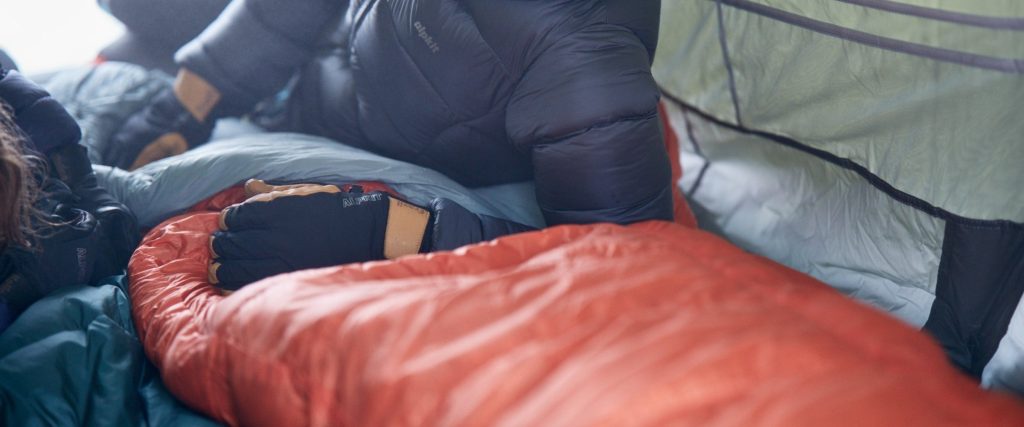
Are you tired of waking up cold, uncomfortable, or with a sleeping bag that feels dirty? Using a sleeping bag liner could be the simple solution you’ve been missing.
It’s an easy way to stay warmer, keep your sleeping bag clean, and make your camping nights much more enjoyable. You’ll discover how to use a sleeping bag liner the right way—so you can get the best sleep possible wherever you are.
Keep reading, and transform your outdoor rest for good.
Benefits Of A Sleeping Bag Liner
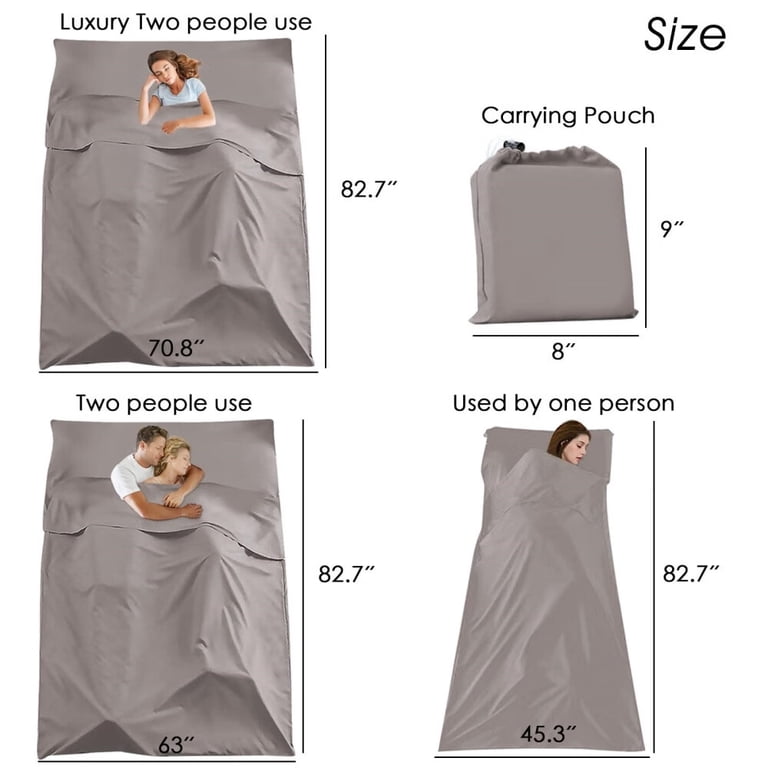
A sleeping bag liner is a thin layer that goes inside your sleeping bag. It adds comfort and protection during camping or travel. Many campers use liners for their useful benefits.
Using a liner can make your sleeping bag warmer, cleaner, and last longer. This guide explains these benefits clearly.
Extra Warmth
A sleeping bag liner adds an extra layer of insulation. This helps keep your body heat inside the sleeping bag. It is useful in cold weather or high altitudes.
You can choose liners made from warm materials like fleece or silk. These materials trap heat well, making your sleep more comfortable.
- Increases warmth without adding weight
- Works well with different sleeping bags
- Good for chilly nights or cold seasons
Improved Hygiene
A liner keeps the inside of your sleeping bag clean. It stops sweat, dirt, and skin oils from reaching the sleeping bag fabric. This keeps your sleeping bag fresher for longer.
You can wash the liner easily after each use. Washing your sleeping bag less often helps protect its materials and shape.
- Protects sleeping bag from sweat and dirt
- Easy to remove and wash separately
- Helps prevent smells and stains
Extended Sleeping Bag Life
Using a liner reduces wear and tear on your sleeping bag. It acts as a barrier against friction and body oils. This helps keep your sleeping bag in good shape for many trips.
Less washing of the sleeping bag means less damage to its insulation and fabric. The liner takes most of the cleaning work, saving your sleeping bag.
- Reduces fabric wear and damage
- Protects insulation from oils and dirt
- Makes sleeping bag last longer
Credit: www.walmart.com
Choosing The Right Liner Material
Sleeping bag liners add comfort and warmth. They also keep your sleeping bag clean. Choosing the right material is essential for a good night’s sleep.
Different materials offer various benefits. Consider the environment and your personal needs when selecting a liner.
Cotton Liners
Cotton liners are soft and breathable. They are ideal for warm weather or indoor use. Cotton is easy to wash and maintain.
- Comfortable for sensitive skin
- Affordable and widely available
- Heavier and bulkier than other materials
Silk Liners
Silk liners are lightweight and compact. They provide excellent temperature regulation. Perfect for travelers due to their portability.
Silk is a natural fiber, offering a luxurious feel. It is more expensive but worth the comfort.
Fleece Liners
Fleece liners are cozy and warm. They are best for cold weather camping. Fleece traps heat effectively, keeping you snug.
| Feature | Benefit |
| Warmth | Provides extra insulation |
| Durability | Long-lasting material |
| Weight | Heavier than silk but comfortable |
How To Insert A Sleeping Bag Liner
Using a sleeping bag liner adds extra warmth and keeps your sleeping bag clean. It is easy to insert a liner with the right steps.
This guide will help you place your sleeping bag liner properly for a comfortable sleep.
Preparing Your Sleeping Bag
Start by laying your sleeping bag flat and open. Make sure the inside is clean and dry. Unzip the sleeping bag fully for easier liner placement.
Aligning The Liner
Hold the liner by its top edge and match it with the top inside edge of your sleeping bag. Align the liner’s opening with the sleeping bag’s zipper area. This will keep the liner in place.
- Check that the liner is not twisted inside the bag.
- Ensure the liner covers the full length of the sleeping bag.
- Adjust the liner so it sits flat without wrinkles.
Securing The Liner
Secure the liner by fastening any loops or buttons inside the sleeping bag. This stops the liner from sliding down during the night. If your liner has a drawstring, tighten it near the top.
| Securing Method | Description |
|---|---|
| Loops or Buttons | Attach liner to inside of sleeping bag to prevent movement. |
| Drawstring | Tighten liner opening near the head area for a snug fit. |
| Zipper Compatibility | Some liners have zippers to connect directly to the sleeping bag. |
Using Liners For Different Conditions
Sleeping bag liners add comfort and warmth to your sleeping setup. They also keep your sleeping bag clean.
You can use liners in many ways depending on the weather and activity. Let’s look at how to use liners for different conditions.
Warm Weather Camping
In warm weather, a liner can keep you cool and fresh. Use a lightweight, breathable liner made of cotton or silk.
It helps protect you from bugs and dirt. You may not need your sleeping bag if the liner is warm enough.
- Use thin liners to stay cool
- Choose breathable fabrics like cotton or silk
- Sleep with just the liner if it is warm
- Keep bugs away with the liner as a barrier
Cold Weather Camping
In cold weather, liners add extra warmth to your sleeping bag. Use fleece or wool liners for better insulation.
Put the liner inside your sleeping bag to trap heat. It also keeps your bag dry and clean from sweat.
- Use thick, warm liners like fleece or wool
- Place liner inside the sleeping bag
- Traps body heat for extra warmth
- Keeps sleeping bag clean and dry
Backpacking And Travel
For backpacking, use a lightweight and compact liner. It should be easy to wash and dry quickly.
Linens made of silk or thin cotton work best. They add comfort and keep your sleeping bag fresh on the go.
- Choose lightweight, compact liners
- Silk or thin cotton dries fast
- Makes sleeping more comfortable while traveling
- Keeps your sleeping bag clean
Cleaning And Maintaining Liners
Keeping your sleeping bag liner clean helps it last longer and stay fresh. Dirt, sweat, and oils can build up over time. Regular care keeps the fabric soft and comfortable.
Proper washing, drying, and storage protect your liner from damage. Follow simple steps to maintain its quality and performance.
Washing Tips
Wash your liner gently to avoid wear. Use mild soap and cold water. Avoid bleach or fabric softeners, which can harm the material.
- Hand wash or use the delicate cycle in a washing machine
- Use a gentle detergent made for delicate fabrics
- Rinse thoroughly to remove all soap
- Do not wring or twist the liner to dry
- Spot clean stains quickly to prevent setting
Drying Guidelines
Dry your liner carefully to keep its shape and fabric strong. Avoid direct sunlight and high heat that can weaken fibers.
| Drying Method | Instructions |
|---|---|
| Air Dry | Lay flat or hang in shade until fully dry |
| Machine Dry | Use low heat or air fluff setting only |
| Avoid | High heat or direct sunlight exposure |
Storage Advice
Store your liner dry and clean. Keep it loose to avoid wrinkles and damage.
- Fold or roll your liner gently
- Store in a breathable cotton or mesh bag
- Avoid plastic bags that trap moisture
- Keep in a cool, dry place away from sunlight
- Check liner periodically for moisture or pests

Credit: gearjunkie.com
Additional Comfort Tips
Using a sleeping bag liner adds warmth and keeps your sleeping bag clean. You can improve comfort by layering, combining gear, and avoiding mistakes.
These tips help you get the best rest outdoors. Small changes make a big difference in how you feel in the morning.
Layering Techniques
Layering your clothing and liners controls temperature. Start with a thin liner close to your skin. Add thicker liners or your sleeping bag on top.
- Use a silk liner for light warmth and softness.
- Add a fleece liner for cold nights.
- Wear moisture-wicking clothes under the liner.
- Remove layers if you get too hot to avoid sweating.
Combining With Other Gear
Match your liner with your sleeping bag and mattress for best comfort. Some gear works better together than others.
| Gear | Tip |
| Sleeping Bag | Choose a bag slightly larger than the liner for space. |
| Sleeping Pad | Use an insulated pad to block cold from the ground. |
| Pillow | Use a compressible pillow to support your head well. |
| Stuff Sack | Keep the liner clean by storing it in a dry sack. |
Avoiding Common Mistakes
Many campers make simple errors that reduce comfort. Avoid these to get better sleep.
- Do not use a liner that is too small or tight.
- Keep the liner dry; moisture reduces warmth.
- Do not forget to clean the liner after each trip.
- Avoid layering too many heavy liners; you may overheat.
- Do not place sharp objects inside the liner to prevent tears.

Credit: www.amazon.com
Frequently Asked Questions
What Is The Main Purpose Of A Sleeping Bag Liner?
A sleeping bag liner adds extra warmth and comfort inside your sleeping bag. It keeps the bag clean and extends its lifespan. Liners also help regulate temperature, making your sleep more comfortable during different seasons.
How Do I Properly Use A Sleeping Bag Liner?
Simply unzip your sleeping bag and place the liner inside. Slide into the liner before zipping up your sleeping bag. Ensure the liner fits snugly to maximize warmth and comfort without restricting movement.
Can A Sleeping Bag Liner Increase Warmth?
Yes, a sleeping bag liner can add up to 10 degrees of warmth. It traps extra body heat and provides insulation. This makes it useful for cold weather camping or when using a lighter sleeping bag.
How Do I Clean And Maintain A Sleeping Bag Liner?
Most liners are machine washable on a gentle cycle with mild detergent. Air dry or tumble dry on low heat to avoid damage. Regular cleaning keeps the liner fresh and prevents odors or bacteria buildup.
Conclusion
Using a sleeping bag liner keeps you clean and warm. It adds extra comfort on cold nights. Liners are easy to wash and dry quickly. They also protect your sleeping bag from dirt and sweat. Choose the right liner material for your needs.
Cotton is soft, while silk is lightweight and warm. Remember to pack your liner on every trip. Small steps make camping more comfortable. Enjoy better sleep with a simple liner. Try it on your next adventure.