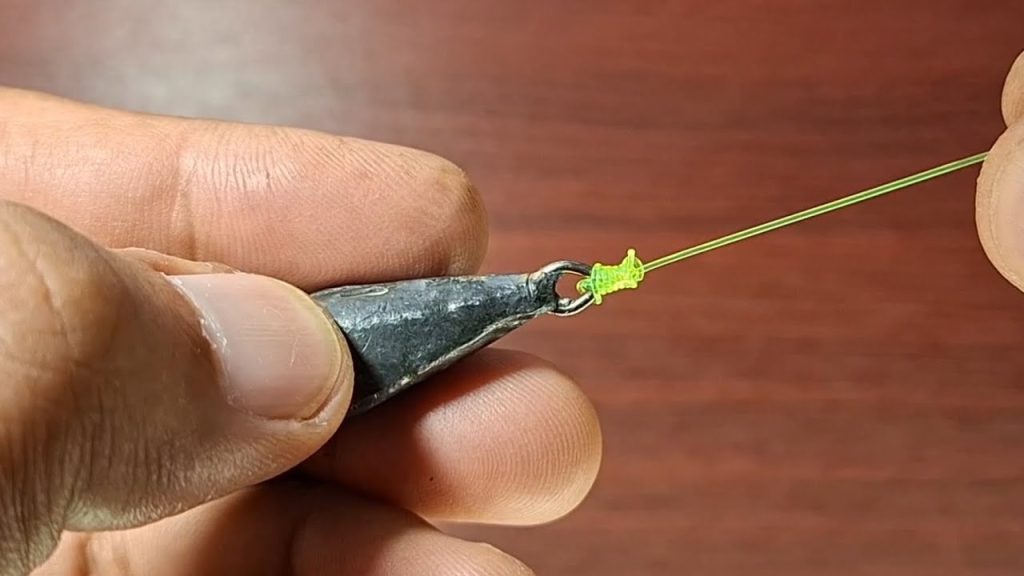
Are you struggling to keep your fishing line steady in the water? Knowing how to tie a weight onto your fishing line can make all the difference between a successful catch and a day of frustration.
This simple skill helps your bait sink to the right spot, making it more attractive to fish. In this guide, you’ll learn easy, step-by-step methods to tie weights securely and quickly. By the end, you’ll feel confident and ready to improve your fishing game every time you head out.
Keep reading to discover the tricks that make your fishing line work smarter, not harder.

Credit: www.youtube.com
Choosing The Right Weight
Choosing the right weight is important for fishing success. The weight helps your bait sink to the right depth.
Picking the correct weight depends on the type of fishing and water conditions. It affects how well you cast and control your line.
Types Of Fishing Weights
There are many types of fishing weights. Each type works best for different fishing styles and water conditions.
- Split Shot: Small and easy to attach. Good for light fishing.
- Egg Sinkers: Oval-shaped and slide on the line. Good for fishing in currents.
- Bullet Weights: Shaped like a bullet. Used for fishing in weeds or heavy cover.
- Bank Sinkers: Heavy and flat. Good for deep water fishing.
- Pyramid Sinkers: Pointed shape. Hold well in sandy or muddy bottoms.
Factors To Consider
Choose a weight based on water depth, current speed, and the type of fish. Heavier weights sink faster but can scare fish.
Consider the fishing line strength and bait type. Too heavy weight may break the line or make the bait look unnatural.
- Water Depth: Use heavier weights for deep water.
- Current Speed: Strong currents need heavier weights.
- Fish Type: Small fish need lighter weights.
- Fishing Line: Match weight to line strength.
- Bait Type: Use weights that keep bait natural.
Credit: www.beadinggem.com
Essential Tools And Materials
Tying a weight onto fishing line needs the right tools and materials. Using proper supplies helps secure the weight and improves fishing success.
Here we explain different fishing line types and the common tools you need for this task.
Fishing Line Varieties
Fishing lines come in several types. Each type suits different fishing needs and methods.
- Monofilament:A single strand of nylon, flexible and easy to handle.
- Fluorocarbon:Less visible underwater and more abrasion-resistant.
- Braid:Made of woven fibers, very strong with little stretch.
Common Tools Needed
Having the right tools makes tying weights easier and more secure. Here are the common tools you should have.
| Tool | Purpose |
|---|---|
| Scissors or Line Cutter | To cut the fishing line cleanly without fraying. |
| Fishing Weights | To add weight for casting and sinking the bait. |
| Needle Nose Pliers | To help tighten knots and hold small parts. |
| Swivels (optional) | To prevent line twisting and add connection points. |
Preparing Your Fishing Line
When fishing, tying a weight onto your line is crucial. It helps your bait sink and stay in place. Preparing your fishing line correctly is important for a successful fishing trip.
Before attaching a weight, you need to prepare your line properly. This includes cutting the line to the right length and checking it for any damage.
Cutting The Line
First, you need to cut the fishing line. Use sharp scissors or a line cutter. Make sure the cut is clean and even.
Cutting the line prevents tangles and knots. It also ensures the weight stays secure. Be careful not to cut the line too short.
- Use sharp tools for a clean cut
- Avoid cutting the line too short
- Check the length before cutting
Checking For Damage
Examine your fishing line for any signs of damage. Look for frays, cuts, or weak spots. Damaged lines can break easily and cause you to lose your catch.
Run your fingers along the line to feel for rough areas. If you find any damage, cut the line before tying the weight. This ensures the line is strong and reliable.
- Inspect the line visually for frays
- Feel the line for rough or weak spots
- Replace damaged sections immediately
Popular Knots For Weight Attachment
Tying a weight onto fishing line requires a strong and reliable knot. Using the right knot keeps your weight secure and helps your fishing setup work better.
This guide explains three common knots that anglers use to attach weights. Each knot has its own style and benefits for different fishing situations.
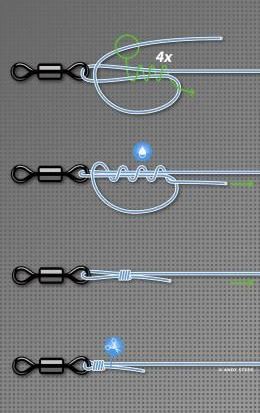
Improved Clinch Knot
The Improved Clinch Knot is a popular choice for tying weights. It is simple and holds well on light to medium fishing lines.
- Thread the line through the eye of the weight.
- Wrap the tag end around the standing line five to seven times.
- Pass the tag end through the small loop near the eye.
- Then pass it back through the big loop you just made.
- Pull the knot tight and trim the tag end close.
Palomar Knot
The Palomar Knot is very strong and easy to tie. It works well with braided and monofilament lines, making it a favorite among many anglers.
| Step | Action |
|---|---|
| 1 | Double about 6 inches of line and pass it through the weight eye. |
| 2 | Tie a loose overhand knot with the doubled line. |
| 3 | Pass the weight through the loop of the overhand knot. |
| 4 | Pull both ends of the line to tighten the knot. |
| 5 | Trim any extra line from the tag end. |
Uni Knot
The Uni Knot is versatile and strong. It works for attaching weights and tying other tackle parts. The knot stays tight and is easy to adjust.
- Pass the line through the weight eye and double back parallel.
- Make a loop by laying the tag end over the doubled line.
- Wrap the tag end around both lines five times.
- Pull the tag end to tighten the coils.
- Slide the knot down to the weight and pull the main line to secure.
- Trim the tag end close to the knot.
Step-by-step Knot Tying
Tying a weight onto your fishing line is important for a good fishing experience. It helps you cast farther and keeps the bait in place.
Follow these simple steps to tie a strong knot that holds the weight securely without slipping.
Securing The Weight
Start by threading the fishing line through the eye of the weight. Pull about six inches of line through.
Make a loop by doubling back the line. Then wrap the free end around the main line five to seven times.
- Pass the free end through the loop near the weight
- Pull the free end tight to start the knot
- Moisten the knot with water or saliva
- Pull the main line to snug the knot against the weight
Testing Knot Strength
After tying, pull the line firmly to test the knot’s strength. It should not slip or loosen.
If the knot slips, retie it. A strong knot keeps your weight secure during casting and fishing.
- Hold the weight and pull the line with steady force
- Check if the knot stays tight and does not move
- Make sure the knot is neat and not twisted
- Trim any excess line close to the knot
Tips For A Perfect Cast
Tying a weight onto your fishing line helps you cast farther and keeps the bait in place. A good cast improves your chances of catching fish.
Paying attention to how you balance the weight and use your casting techniques makes the process easier and more effective.
Balancing Weight And Line
Choosing the right weight for your line is key. Too heavy a weight can cause the line to tangle or snap. Too light, and your cast will be short and weak.
| Weight Type | Best Line Strength | Use Case |
| Split Shot | 4-8 lb | Light bait, small fish |
| Egg Sinkers | 6-12 lb | General casting, medium distance |
| Bullet Weights | 8-15 lb | Fishing in currents, long casts |
Casting Techniques
Using the right casting method helps the weight travel smoothly through the air. This reduces tangles and improves accuracy.
- Hold the rod at a 45-degree angle.
- Pull the line back slowly to avoid slack.
- Use a smooth forward motion to cast.
- Release the line at the right moment for distance.
- Practice timing to improve accuracy and distance.
Common Mistakes To Avoid
Tying a weight to your fishing line seems simple. Yet, many make errors that cause trouble.
These mistakes can lead to lost fish, broken lines, or wasted time. Learn what to avoid.
Loose Knots
Loose knots can slip or come undone. This may cause you to lose your weight or catch.
- Not pulling the knot tight enough after tying it
- Failing to moisten the knot before tightening to reduce friction
- Using too few wraps around the line when tying the knot
- Cutting the tag end too short, which weakens the knot
Using Incorrect Weight
Choosing the wrong weight affects how your bait moves and how well you fish.
| Weight Size | When to Use | Common Mistake |
| Light (1-5 grams) | Calm water, small fish | Using in strong currents |
| Medium (6-15 grams) | Moderate currents, medium fish | Using too heavy for small fish |
| Heavy (16+ grams) | Strong currents, deep water | Using too light in rough water |
Maintaining Your Fishing Line
Keeping your fishing line in good shape helps you catch more fish. A strong line lasts longer and stops breaks.
Tying a weight properly is only part of fishing. Taking care of your line is just as important.
Regular Inspections
Check your fishing line before every trip. Look for cuts, nicks, or weak spots along the line.
Sunlight and saltwater can damage the line. Catch damage early to avoid losing fish.
- Run the line through your fingers to feel for rough spots
- Look closely for discoloration or cracks
- Test the line strength by gently pulling
Replacing Worn Lines
Change your fishing line if you find damage. Old or weak lines break easily when fighting fish.
Replace the line after many uses or if it shows signs of wear. A new line improves your fishing success.
- Remove the old line completely from your reel
- Choose the right line strength for your fishing needs
- Spool the new line evenly to avoid tangles

Credit: www.youtube.com
Frequently Asked Questions
How Do I Tie A Weight Onto Fishing Line Securely?
To tie a weight securely, use a strong knot like the improved clinch knot. Thread the line through the weight’s eye, wrap it around five times, then pass the end through the loop and tighten. This ensures the weight stays firmly attached during fishing.
What Type Of Knot Is Best For Attaching Weights?
The improved clinch knot is best for attaching weights. It’s easy to tie and strong enough to hold the weight in place. This knot resists slipping and works well with most fishing lines, ensuring the weight stays secure during casting and retrieval.
Can I Tie A Weight Without Special Tools?
Yes, you can tie a weight without special tools. Simply use your fingers to thread and wrap the line around the weight’s eye. Practice the improved clinch knot by hand to ensure a tight, secure attachment that won’t slip while fishing.
Why Is It Important To Tie Weights Properly?
Properly tying weights prevents them from slipping off during fishing. A secure knot keeps your rig intact, improving casting accuracy and bait presentation. It also reduces the risk of losing tackle and ensures a better fishing experience overall.
Conclusion
Tying a weight onto your fishing line can improve your catch. Use the right knot to keep the weight secure. Practice the steps slowly to gain confidence. Strong knots help your fishing line last longer. Remember, a well-tied weight keeps your bait stable.
Try different weights to find what works best. Keep your line neat and avoid tangles. With patience, your fishing skills will improve. Fishing becomes more fun with simple, strong knots. Give it a try next time you fish.