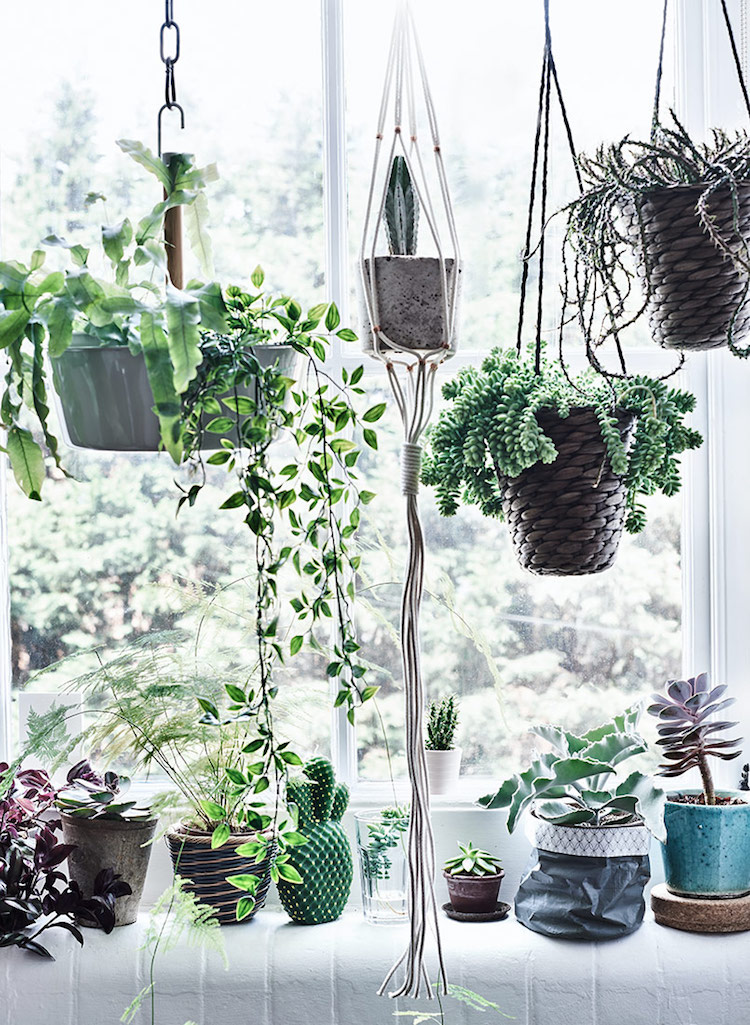
Are you looking to bring fresh life and a touch of nature into your home? Hanging wall planters are a simple and stylish way to do just that.
But how do you make sure they stay secure and look great? You’re about to discover easy, step-by-step tips that will help you hang your wall planters like a pro. Whether you want to brighten up your living room or add greenery to a small space, this guide has everything you need.
Keep reading, and soon you’ll be enjoying your own beautiful, green wall.

Credit: fallfordiy.com
Choosing The Right Wall Planters
Wall planters add life and color to your space. Choosing the right one helps your plants grow well. Consider size, style, and materials carefully.
Pick a planter that fits your wall and matches your room. This guide will help you decide what works best.
Materials And Styles
Wall planters come in many materials like ceramic, metal, plastic, and wood. Each has different looks and care needs.
- Ceramic:Heavy but stylish. Good for indoor use.
- Metal:Durable and modern. Check for rust resistance.
- Plastic:Lightweight and easy to move. Less fragile.
- Wood:Natural and warm look. Needs protection from moisture.
Size And Weight Considerations
Check the size and weight of your planter. It should fit the wall space and hold your plants safely.
| Planter Size | Best Use | Weight |
| Small (up to 8 inches) | Herbs, succulents | Light |
| Medium (8-15 inches) | Flowers, small bushes | Medium |
| Large (over 15 inches) | Big plants, vines | Heavy |
Matching Your Decor
Choose a planter that fits your room’s style. Think about colors, shapes, and materials that match your walls and furniture.
- Use bright colors for a lively room.
- Choose neutral tones for calm spaces.
- Pick simple shapes for modern decor.
- Try rustic planters for cozy, natural looks.
Selecting The Perfect Location
Choosing the right spot to hang your wall planter is very important. It affects how well your plants grow and how your space looks.
Think about light, wall strength, and style before you hang your planter.
Light Requirements For Plants
Different plants need different amounts of light. Some plants like bright sunlight, while others prefer shade.
Check the needs of your plants and pick a spot that matches their light needs.
- Sunny spots for succulents and cacti
- Indirect light for ferns and pothos
- Shade for some tropical plants
Wall Strength And Support
Your wall must hold the planter and soil weight safely. Some walls are stronger than others.
Use anchors or studs for heavy planters to avoid damage or accidents.
- Drywall may need anchors or screws into studs
- Brick and concrete walls are strong but need special drill bits
- Light planters need less support
Aesthetic Placement Tips
Place your wall planter where it looks good and fits the room style. Balance size and colors with other decor.
Think about eye level and empty wall space to make your planter stand out.
- Group small planters for a gallery look
- Use a single large planter as a focal point
- Match planter style with room design
Gathering Tools And Supplies
Before you start hanging your wall planters, it’s important to gather all the necessary tools and supplies. Being prepared will make the process smoother and more enjoyable.
Having the right equipment ensures your wall planters are securely hung and look great in your space.
Essential Tools List
There are several tools you will need to hang your wall planters effectively. Make sure you have these on hand before starting the project.
- Drill with appropriate bits
- Level
- Screwdriver
- Tape measure
- Pencil for marking
- Wall anchors
Safety Gear To Use
Safety should always come first. Using the right safety gear can prevent accidents and ensure a smooth process.
Consider wearing the following safety gear:
- Safety goggles to protect your eyes
- Gloves to protect your hands
- Dust mask if drilling into walls
Preparing Your Workspace
A well-organized workspace makes it easier to hang your planters. Clear your area of clutter and ensure you have enough light to see what you’re doing.
| Task | Action |
| Clear Space | Remove unnecessary items |
| Lighting | Ensure good lighting |
| Tools Nearby | Keep tools within reach |

Credit: mixandmatchdesign.com
Step-by-step Hanging Process
Hanging wall planters adds life and style to your space. You can do it safely with a few simple steps.
Follow this process to hang your planters firmly and evenly on the wall.
Marking And Measuring
Start by choosing the right spot on your wall. Use a tape measure to find the height and spacing you want.
Mark each spot with a pencil. Make sure marks are level so the planters will hang straight.
- Measure the width of the planter
- Decide the height you want it to hang
- Use a level to keep marks even
- Mark all anchor points with a pencil
Installing Anchors And Hooks
Choose anchors that fit your wall type. Drywall anchors work for drywall; masonry anchors work for brick.
Drill holes where you made your marks. Insert anchors, then screw in hooks or screws that will hold your planters.
- Drill holes at pencil marks
- Push or tap anchors into holes
- Screw hooks or screws into anchors
- Leave hooks tight and secure
Mounting The Planters Securely
Hang each planter on the hooks carefully. Check that the planter fits well and does not wobble.
Adjust the position if needed. Make sure the planter is balanced and safe to hold the plants and soil.
- Lift planter and place on hooks
- Check stability by gently shaking
- Adjust hook or planter if needed
- Ensure planter is secure and level
Planting And Maintenance Tips
Wall planters bring greenery inside and save floor space. You can create a beautiful plant display on your walls with easy care.
Proper planting and maintenance keep your wall plants healthy and your walls safe from damage.
Choosing Plants For Indoor Walls
Pick plants that fit your light conditions and wall space. Small and lightweight plants work best for wall planters.
- Succulents and air plants need little water and space.
- Ferns and pothos grow well in low to medium light.
- Herbs like basil or mint thrive in bright light.
- Avoid large, heavy plants that can strain the wall mount.
Watering And Care Guidelines
Water your wall plants carefully to avoid leaks and damage. Use the right amount of water for each plant type.
| Plant Type | Watering Frequency | Care Tips |
| Succulents | Every 2-3 weeks | Use well-draining soil; avoid overwatering. |
| Ferns | Once a week | Keep soil moist; mist leaves regularly. |
| Herbs | 2-3 times a week | Ensure good sunlight; trim regularly for growth. |
| Pothos | Every 1-2 weeks | Allow soil to dry between watering; indirect light preferred. |
Preventing Damage To Walls
Protect your walls by using safe mounting and water management methods. Check your planters often.
- Use wall anchors or studs to hang heavy planters securely.
- Choose planters with drip trays or liners to catch excess water.
- Place a waterproof barrier between the planter and the wall.
- Regularly inspect for mold, water stains, or wall damage.
- Remove or replace damaged planters promptly to protect walls.
Creative Ideas For Wall Planters
Wall planters add life and color to any space. They save floor space and bring plants closer to eye level.
There are many ways to hang wall planters. You can create unique designs to fit your style and room.
Vertical Gardens
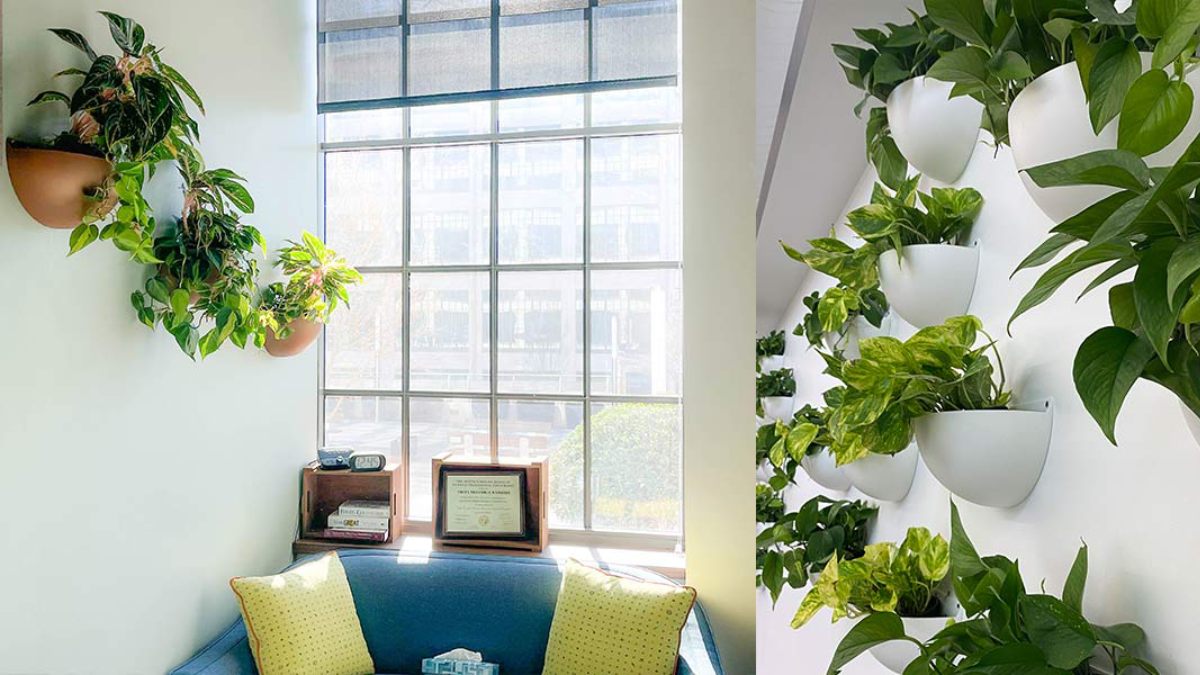
Vertical gardens use many small planters stacked or arranged on a wall. They create a green wall that looks like a living painting.
These gardens work well in small spaces and bring a fresh feel to indoors or outdoors.
- Use wooden pallets or metal grids to hold pots
- Choose plants that need similar water and light
- Add herbs or small flowers for variety
- Water carefully to avoid drips on the floor
Mixed Plant Displays
Mix different plants in wall planters for a lively look. Combine succulents, ferns, and flowering plants to add texture and color.
Use various planter shapes and sizes to make the display more interesting.
- Place tall plants in the center or top
- Use trailing plants to soften edges
- Mix leaf shapes and colors for contrast
- Arrange pots in a pattern or random style
Seasonal Arrangements
Change your wall planters with the seasons to keep your space fresh. Use bright flowers in spring and summer, and evergreens or dried plants in fall and winter.
Seasonal plants help you celebrate holidays and bring a cozy feel to your home.
- Spring: tulips, pansies, and daisies
- Summer: petunias, marigolds, and begonias
- Fall: mums, ornamental kale, and pumpkins
- Winter: pine branches, holly, and dried flowers
Credit: www.newprocontainers.com
Frequently Asked Questions
How Do I Choose The Right Wall Planter?
Select a wall planter based on your wall type and plant size. Consider material, weight, and drainage to ensure durability and plant health.
What Tools Do I Need To Hang Wall Planters?
You need a drill, screws, wall anchors, a level, and a measuring tape. These tools ensure secure and level installation.
Can I Hang Wall Planters On Drywall?
Yes, but use wall anchors or toggle bolts for support. Avoid just nails to prevent damage and falling planters.
How High Should I Hang Wall Planters?
Hang planters at eye level or slightly above. This height is practical for watering and visually pleasing.
Conclusion
Hanging wall planters adds life to any room or outdoor space. Choose the right spot with good light for your plants. Use strong hooks and secure anchors to hold the weight. Regularly check your planters to keep them safe and healthy.
This simple project brings nature closer and brightens your home. Enjoy the fresh look and easy care of your wall planters. Start small, and watch your green space grow.