Have you ever wondered how plants make their own food without a kitchen or stove? It might seem like magic, but plants have a clever way of turning sunlight into energy.
Understanding this process can change the way you see the green world around you. You’ll discover the simple steps plants take to prepare their food and why it’s so important for life on Earth. Keep reading, and you’ll be amazed at how nature’s little chefs work every day just for you.

Credit: www.youtube.com
Photosynthesis Process
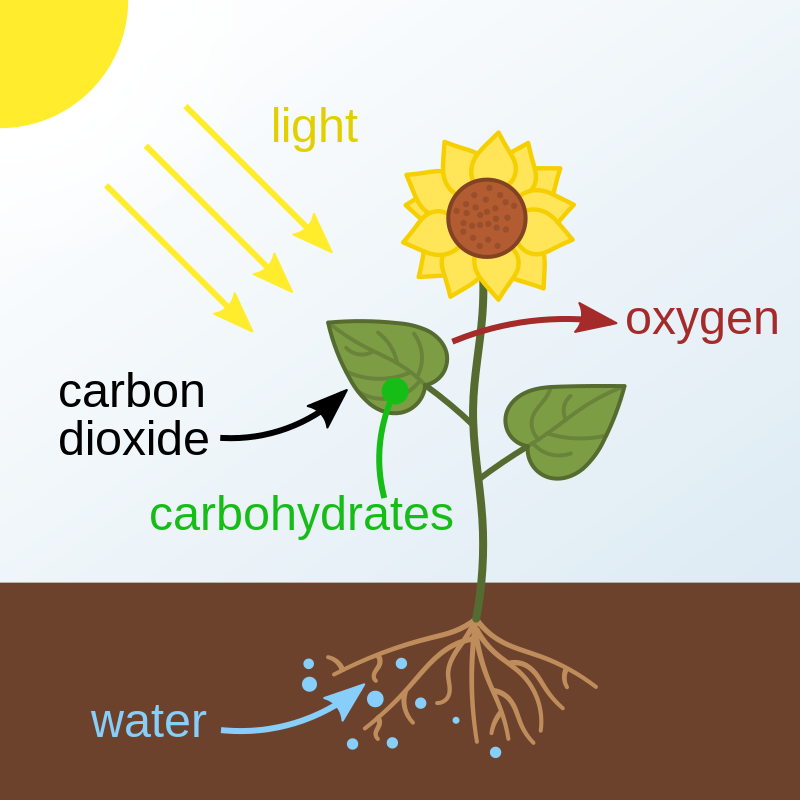
Plants make their own food using sunlight. This process is called photosynthesis. It helps plants grow and produce oxygen.
Photosynthesis happens mainly in the leaves. It changes light energy into chemical energy.
Role Of Chlorophyll
Chlorophyll is a green pigment in plant leaves. It helps plants capture sunlight. Without chlorophyll, photosynthesis cannot happen.
This pigment absorbs light and gives leaves their green color. It is found in tiny parts called chloroplasts.
Light Absorption
Chlorophyll absorbs mainly red and blue light. It uses this light to start the photosynthesis process. Green light is reflected, so leaves look green.
- Red and blue light are most useful
- Green light is mostly reflected
- Light energy is captured for food making
Conversion Of Light Energy
Plants convert light energy into chemical energy. This energy powers the creation of glucose from water and carbon dioxide.
Glucose is a sugar that plants use as food. Oxygen is released as a byproduct during this process.
Raw Materials For Food
Plants make their own food through a process called photosynthesis. They need certain raw materials to do this. These materials help plants create energy and grow.
The main raw materials plants use are water, carbon dioxide, and nutrients. Each plays a special role in food preparation.
Water Absorption
Plants absorb water mainly through their roots. Water moves from the soil into the root hairs. It then travels up through the stem to the leaves.
Water is essential for photosynthesis. It also helps keep the plant cells firm and healthy.
Carbon Dioxide Intake
Plants take in carbon dioxide from the air through tiny openings called stomata. These are mostly found on the underside of leaves.
Carbon dioxide is combined with water during photosynthesis to make food. It is one of the key ingredients plants need.
Nutrient Uptake
Soil contains many nutrients that plants absorb through their roots. These nutrients help plants grow strong and healthy.
- Nitrogen helps build leaves and stems.
- Phosphorus supports root and flower growth.
- Potassium improves overall plant health.
Stages Of Food Formation
Plants create their food through a process called photosynthesis. This process occurs in stages to convert sunlight into energy.
The main stages include light-dependent reactions and the Calvin Cycle. These stages work together to produce food for the plant.
Light-dependent Reactions
Light-dependent reactions occur in the chloroplasts of plant cells. They need sunlight to produce energy-rich molecules like ATP.
- Sunlight is absorbed by chlorophyll
- Water molecules split to release oxygen
- ATP and NADPH are produced
Calvin Cycle
The Calvin Cycle does not need light. It uses ATP and NADPH to convert carbon dioxide into glucose.
| Stage | Location |
| Carbon Fixation | Stroma of chloroplasts |
| Reduction Phase | Stroma of chloroplasts |
| Regeneration | Stroma of chloroplasts |

Credit: www.youtube.com
Energy Storage And Use
Plants make their own food through photosynthesis. This process creates energy they can use later.
Storing and using energy properly helps plants grow and survive in different conditions.
Glucose Production
Plants produce glucose using sunlight, water, and carbon dioxide. This sugar is the main energy source.
Glucose is made in the chloroplasts found in leaf cells. It helps fuel the plant’s activities.
Starch Formation
Plants convert glucose into starch to store energy. Starch is a complex carbohydrate.
Starch stays in roots, stems, or leaves until the plant needs energy later.
- Starch is easy to store and does not dissolve in water
- It acts as a reserve food supply
- Plants break down starch back into glucose when needed
Energy Release
Plants release energy by breaking down glucose through respiration. This happens in all cells.
Energy from glucose powers growth, repair, and other vital functions in the plant.
- Respiration uses oxygen to break glucose into energy
- Energy is stored in molecules called ATP
- ATP fuels cell activities and keeps the plant alive
Environmental Factors
Plants need certain conditions to make their food through photosynthesis. These conditions come from the environment around them. Three important factors that affect how well plants prepare their food are light intensity, temperature, and water availability.
Each factor plays a different role in the process. Understanding these helps us know how plants grow and stay healthy.
Effect Of Light Intensity
Light is the main energy source for photosynthesis. Plants need enough light to produce food. If light is too weak, photosynthesis slows down. If it is too strong, plants can get damaged.
- Low light reduces food production.
- Medium light supports good growth.
- Very high light can cause leaf burn.
Temperature Influence
Temperature affects the enzymes that help photosynthesis. Plants work best in a certain temperature range. Too cold or too hot temperatures slow down food making.
| Temperature Range (°C) | Effect on Photosynthesis |
| Below 10 | Very slow or stops |
| 15 to 35 | Optimal rate |
| Above 40 | Enzyme damage, slows down |
Water Availability
Water is needed to carry out photosynthesis. It also keeps plants cool and helps transport nutrients. Without enough water, plants close tiny holes called stomata. This limits food production.
Signs of low water affecting plants:
- Wilting leaves
- Yellowing or browning edges
- Slow growth

Credit: karstennursery.com
Adaptations In Different Plants
Plants have unique ways to make food using sunlight. They adapt to their environment to survive. These adaptations help plants use sunlight, water, and air efficiently.
Different plants use different methods to prepare food. These methods are known as pathways and leaf changes. Some plants can even survive in tough places by changing how they work.
C3, C4, And Cam Pathways
Plants use three main pathways to prepare food: C3, C4, and CAM. Each pathway works well in different conditions. C3 is common in cool, wet places. C4 works better in hot, sunny areas. CAM helps plants save water in dry places.
- C3 Pathway:Uses a simple process to capture carbon dioxide. It works best in normal temperature and sunlight.
- C4 Pathway:Captures carbon dioxide more efficiently. It helps plants grow in hot, dry areas.
- CAM Pathway:Opens leaves at night to save water. It stores carbon dioxide for use during the day.
Leaf Modifications
Leaves change shape and structure to help plants survive. Some leaves store water. Others have a thick layer to stop water loss. Some leaves are small or have hairs to reduce heat.
| Leaf Type | Adaptation | Benefit |
|---|---|---|
| Succulent Leaves | Stores water inside thick leaves | Helps survive dry periods |
| Needle-like Leaves | Small surface area with wax coating | Reduces water loss and heat |
| Hairy Leaves | Covered with tiny hairs | Protects from sun and insects |
Survival In Harsh Conditions
Plants in deserts and cold places have special ways to live. They reduce water use or protect themselves from cold. Some grow deep roots to find water. Others close pores to save moisture.
Here are ways plants survive tough environments:
- Store water inside stems or leaves
- Grow deep or wide roots to find water
- Close stomata during hot or dry times
- Have thick waxy coatings on leaves
- Use special photosynthesis pathways like CAM
Importance To Ecosystems
Plants prepare their food through photosynthesis. This process is very important for ecosystems. It helps maintain balance in nature.
Plants support many living things. They provide oxygen, food, and regulate the climate. These roles keep ecosystems healthy.
Oxygen Production
Plants release oxygen as they make food. This oxygen is essential for animals and humans. Without plants, air would not have enough oxygen to breathe.
Food Chain Support
Plants are the base of most food chains. They create energy that animals eat. This energy moves through the food chain to other animals.
- Plants make food using sunlight, water, and carbon dioxide.
- Herbivores eat plants to get energy.
- Carnivores eat herbivores and other carnivores.
- This cycle depends on plants for energy start.
Climate Regulation
Plants help control the climate by absorbing carbon dioxide. This lowers greenhouse gases and cools the earth. Forests and plants act like natural air conditioners.
| Role | Effect on Climate |
| Carbon Absorption | Reduces greenhouse gases |
| Shade and Evaporation | Cools the air |
| Soil Protection | Prevents erosion and retains moisture |
Frequently Asked Questions
What Is The Process Plants Use To Make Food?
Plants make food through photosynthesis. They use sunlight, carbon dioxide, and water to produce glucose and oxygen. This process occurs in chlorophyll-rich leaves, providing energy for growth and survival.
How Do Plants Use Sunlight For Food Preparation?
Plants absorb sunlight using chlorophyll in leaves. Sunlight powers photosynthesis, converting carbon dioxide and water into glucose. This glucose acts as the plant’s food and energy source.
Why Is Chlorophyll Important In Food Preparation?
Chlorophyll captures sunlight, essential for photosynthesis. It helps convert light energy into chemical energy, enabling plants to produce glucose, their primary food.
What Role Does Carbon Dioxide Play In Food Making?
Carbon dioxide enters leaves through stomata. It combines with water during photosynthesis to form glucose, which fuels plant growth and development.
Conclusion
Plants make their own food using sunlight, water, and air. This process is called photosynthesis. It helps plants grow and gives us oxygen to breathe. Leaves act like tiny kitchens where food is made. Understanding how plants prepare food shows us nature’s power.
It reminds us to care for plants and the environment. Simple but amazing.