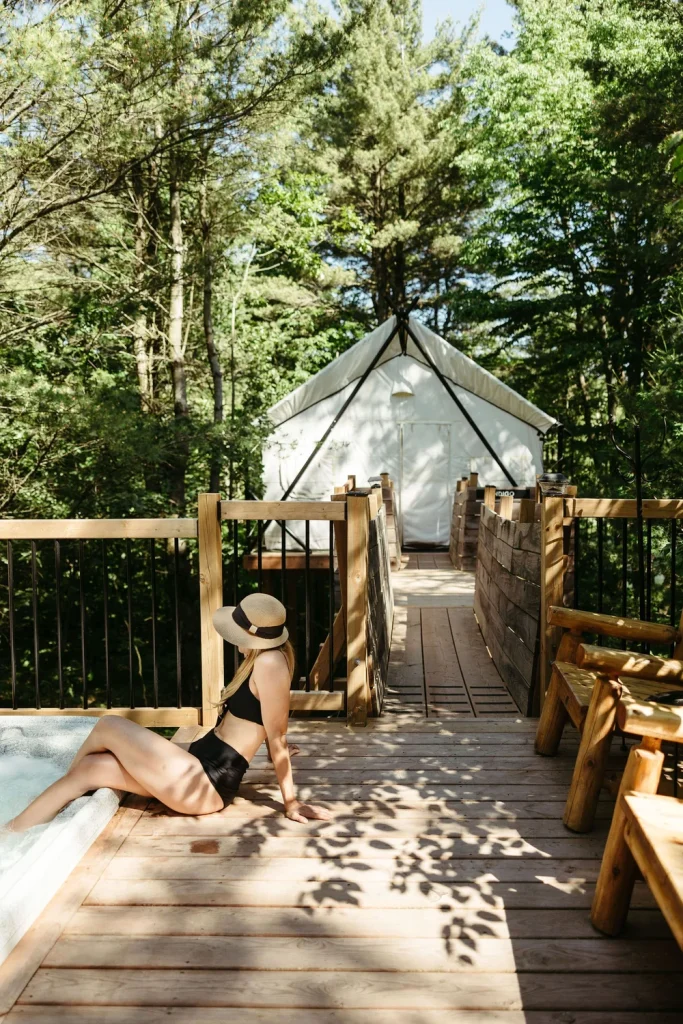
Have you ever wondered if you can simply set up a tent and live on your own land? It sounds freeing and simple, doesn’t it?
But before you pitch that tent and start your new life, there are important things you need to know. From legal rules to practical challenges, living in a tent on your own property isn’t always as easy as it seems.
Keep reading to find out what you must consider to make sure your dream of tent living doesn’t turn into a costly mistake.

Credit: ikamper.com
Legal Rules For Tent Living
Living in a tent on your own land can seem simple. But there are legal rules to follow. These rules help keep you and your neighbors safe.
Understanding local laws is important before setting up a tent for living. This guide covers zoning laws, building codes, and permits you may need.
Zoning Laws To Check
Zoning laws control how land can be used in your area. These rules can limit where you can live in a tent. Some zones do not allow permanent or temporary homes like tents.
Check with your local zoning office to see if tent living is allowed on your land. Some zones may require a minimum size or type of dwelling.
- Residential zones may have strict rules on temporary housing
- Agricultural zones might be more flexible
- Commercial zones usually do not allow living in tents
Building Codes Impact
Building codes set safety standards for homes and shelters. Tents often do not meet these codes. This can make living in a tent illegal in some places.
These codes cover fire safety, electrical systems, plumbing, and structure strength. If your tent does not meet codes, you may face fines or be forced to remove it.
- Fire safety rules may require smoke detectors or fire-resistant materials
- Electrical and plumbing installations usually need permits
- Structures must meet minimum size and stability standards
Permits You Might Need
You may need special permits to live in a tent on your land. These permits show that your shelter meets local laws. Without permits, living in a tent could be illegal.
Permit requirements vary by location. Some areas may allow temporary camping permits. Others require a building or occupancy permit for longer stays.
- Temporary camping permits allow short-term tent stays
- Building permits are needed for permanent or semi-permanent structures
- Occupancy permits confirm the shelter is safe to live in
- Check with local government offices for specific rules
Choosing The Right Tent Spot
Living in a tent on your own land needs careful planning. Picking the best spot helps you stay safe and comfortable.
Consider the land features, safety, and access to utilities before setting up your tent. These factors make a big difference.
Land Suitability Factors
Choose a flat, dry area for your tent. Avoid places that flood or have sharp rocks. Check the soil and ground condition.
- Look for level ground to avoid water pooling
- Avoid low spots where rainwater can collect
- Stay away from areas with loose soil or sand
- Pick a place with natural shade if possible
- Check for nearby trees that could drop branches
Safety And Privacy Tips
Keep your tent in a safe spot with some privacy. This helps you feel secure and relax without worries.
| Safety Tips | Privacy Tips |
| Clear away debris and sharp objects | Use natural barriers like bushes or trees |
| Keep a clear path to your tent | Place your tent away from roads and paths |
| Store food securely to avoid animals | Set up a fence or screen if needed |
Access To Utilities
Your tent spot should be near water, power, or waste systems if possible. This makes daily life easier.
- Nearby water source for drinking and washing
- Access to electricity or solar power options
- Safe sewage or waste disposal methods
- Good cellphone signal or internet access
Setting Up Your Tent Home
Living in a tent on your own land can be a unique experience. You need the right setup to make it comfortable and safe.
There are many factors to consider, like the type of tent and the gear you’ll need. Weatherproofing is also important for a long-term stay.
Tent Types For Long-term Stay
Choosing the right tent is crucial for living on your land. Some tents are better for long-term use than others.
- Canvas tents are durable and provide good insulation.
- Yurts offer more space and stability.
- Geodesic tents are strong and withstand harsh weather.
Essential Gear And Supplies
Having the right gear makes living in a tent easier. You need supplies for cooking, sleeping, and daily activities.
- Portable stove for cooking meals.
- Sleeping bag and sleeping pad for comfort.
- Lanterns or flashlights for light.
- Storage containers to keep things organized.
Weatherproofing Techniques
Weatherproofing your tent is important to stay dry and comfortable. It helps protect against rain, wind, and cold.
- Use a rainfly to keep the tent dry.
- Seal tent seams to prevent water leaks.
- Insulate the tent floor with a tarp.
- Anchor the tent well to withstand strong winds.
Living Comfortably Off-grid
Living off-grid means depending on your own resources for daily needs. It offers freedom but needs planning. You must think about water, power, and waste management to live well.
Using a tent on your land is possible if you prepare correctly. This guide covers key areas to help you stay comfortable and safe.
Water Sources And Storage
Water is essential for drinking, cooking, and cleaning. You can use natural sources or collect rainwater. Storing water safely is important to avoid contamination.
- Collect rainwater using tarps or gutters
- Use nearby streams or wells after testing water quality
- Store water in clean, sealed containers
- Use water filters or boil water before use
Power Options And Solutions
You need power for lighting, charging devices, and small appliances. Solar panels are popular for off-grid living. Other options include generators and batteries.
| Power Source | Advantages | Disadvantages |
| Solar Panels | Renewable, quiet, low maintenance | Needs sunlight, initial cost |
| Generators | Power on demand, high output | Noisy, fuel needed, pollution |
| Batteries | Store energy, portable | Limited capacity, need charging |
Waste Management Ideas
Managing waste keeps your site clean and healthy. Plan for human waste, trash, and greywater. Composting and recycling help reduce waste volume.
- Use composting toilets or portable units
- Separate trash for recycling and disposal
- Compost food scraps safely away from the tent
- Dispose of greywater by filtering or using plants
Managing Challenges
Living in a tent on your own land comes with many challenges. You must prepare to handle these issues to stay safe and comfortable.
This section covers how to manage extreme weather, wildlife encounters, and health and safety concerns while living in a tent.
Dealing With Extreme Weather
Weather can change quickly and cause problems for tent living. You need to protect yourself from rain, wind, heat, and cold.
Choose a tent that is strong and waterproof. Use tarps or covers to add extra protection. Check the weather daily and plan ahead.
- Set up your tent on high, dry ground
- Secure your tent with strong stakes and ropes
- Have warm clothes and blankets for cold nights
- Use ventilation to avoid heat inside the tent
- Keep rain gear handy to stay dry
Handling Wildlife Encounters
Wild animals may come near your tent. Some animals can be dangerous or damage your belongings.
Store food in sealed containers away from your tent. Make noise when moving around to avoid surprising animals. Know which animals live in your area.
- Keep your campsite clean and free of food scraps
- Use bear-proof containers if bears are common
- Do not approach or feed wild animals
- Have a whistle or noise maker for emergencies
- Learn basic first aid for animal bites or stings
Maintaining Health And Safety
Living in a tent means you must take extra care of your health and safety. Clean water, hygiene, and first aid are very important.
Keep a first aid kit nearby. Use safe water sources or purify water before drinking. Practice good hygiene to prevent illness.
- Boil or filter water before drinking
- Wash hands regularly with soap and water
- Keep a well-stocked first aid kit available
- Use insect repellent to avoid bites
- Have a plan for emergencies and know the nearest help
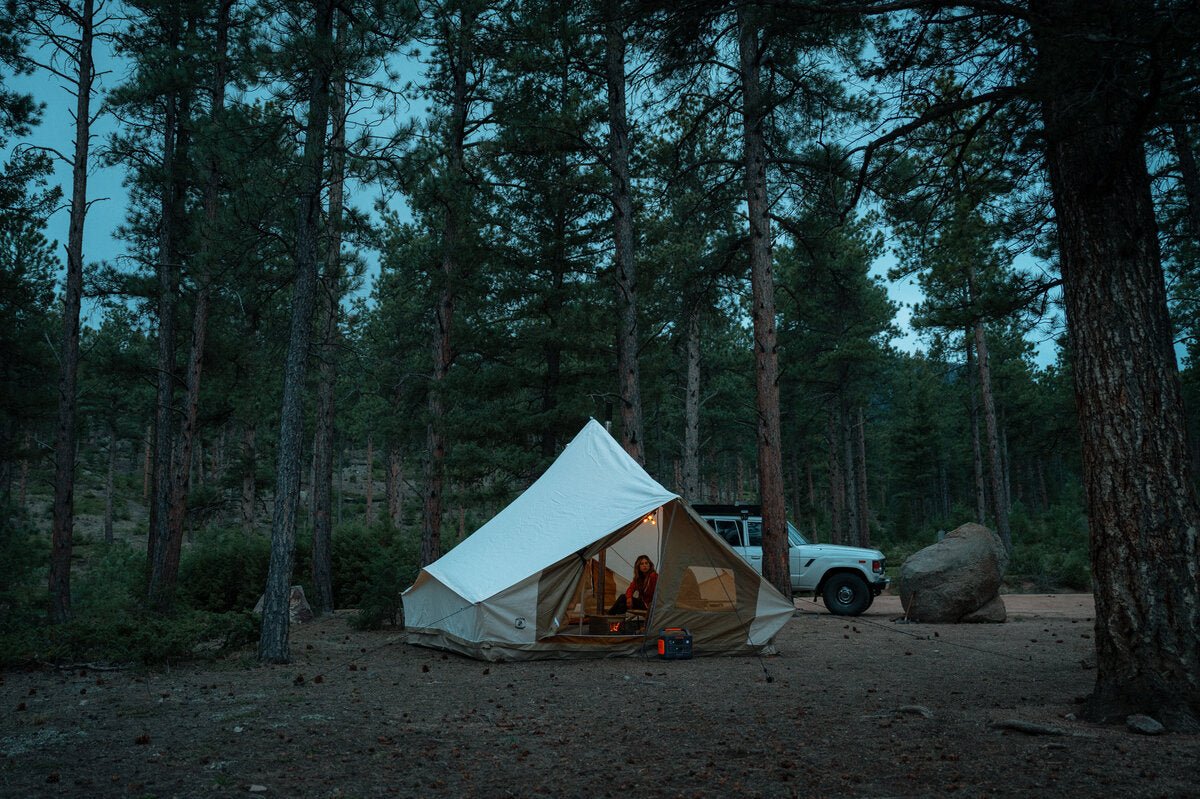
Credit: www.jackery.com
Benefits Of Tent Living On Your Land
Living in a tent on your own land offers unique advantages. It lets you enjoy nature and save money.
This simple lifestyle can bring freedom and reduce your impact on the environment. Many people find it rewarding.
Cost Savings Explained
Tent living costs much less than a house or apartment. You do not need to pay rent or a mortgage.
Utility bills are lower because tents use little electricity and water. You can save on furniture too.
- No monthly rent or mortgage payments
- Low or no utility bills
- Minimal furnishing and decoration costs
- Less spending on repairs and maintenance
Freedom And Flexibility
Living in a tent on your land gives you freedom to set your own rules. You choose how to live.
You can move your tent or change your setup anytime. This makes it easy to adapt to your needs.
- Choose your own living space design
- Move or adjust your tent easily
- Live close to nature without many restrictions
- Enjoy privacy on your own land
Environmental Impact
Tent living uses fewer resources than traditional homes. It reduces waste and energy use.
This lifestyle helps protect the land and wildlife. You leave a smaller footprint on the earth.
- Lower energy consumption
- Less water usage
- Minimal waste production
- Protects natural surroundings
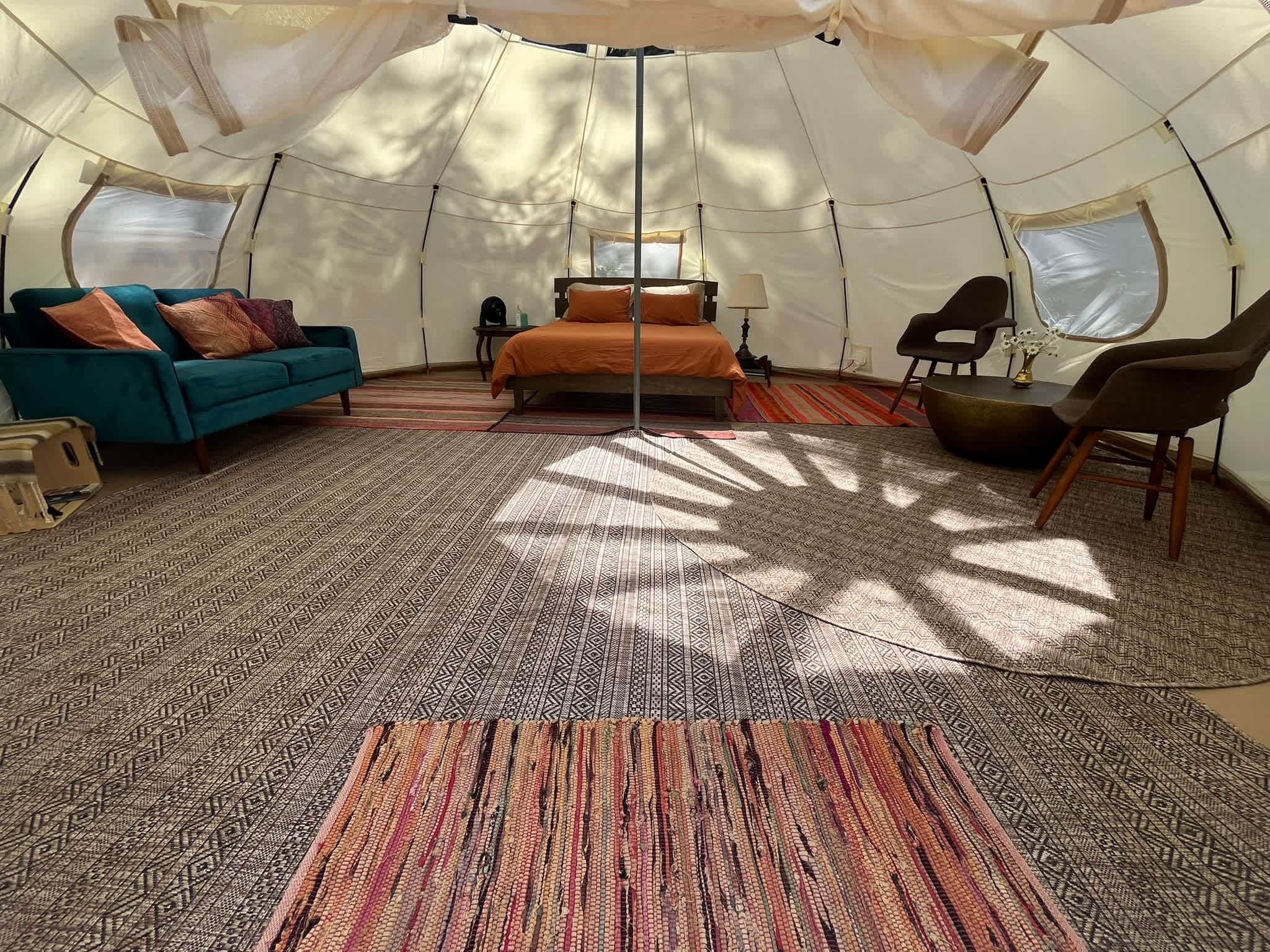
Credit: www.hipcamp.com
Frequently Asked Questions
Can I Legally Live In A Tent On My Own Land?
Living in a tent on your land depends on local zoning laws and regulations. Some areas allow temporary camping, while others require permits or prohibit permanent residence. Always check with your local government before setting up a tent for long-term living to avoid legal issues.
What Permits Are Needed To Live In A Tent?
Permits vary by location but may include camping, building, or land-use permits. Some areas require health and safety inspections. Contact your local zoning office or building department to understand the specific permits needed for living in a tent on your property.
Are There Utility Requirements For Tent Living?
Utility access depends on local laws and your needs. Some areas require connection to water, sewage, and electricity for long-term living. Others allow off-grid systems like solar power and composting toilets. Verify local utility regulations before living in a tent to ensure compliance.
How Long Can I Stay In A Tent On My Land?
The length of time you can stay in a tent varies by local ordinances. Many places limit camping to a few days or weeks. For extended stays, permits or alternative housing may be necessary. Always check local rules to avoid penalties.
Conclusion
Living in a tent on your own land depends on local rules and safety. Check laws before setting up your tent. Think about weather, comfort, and privacy. Tents are simple but may not suit long-term living. Many enjoy the freedom and closeness to nature.
Small steps help you adjust to this lifestyle. Respect neighbors and keep your land clean. With good planning, tent living can be a peaceful choice.