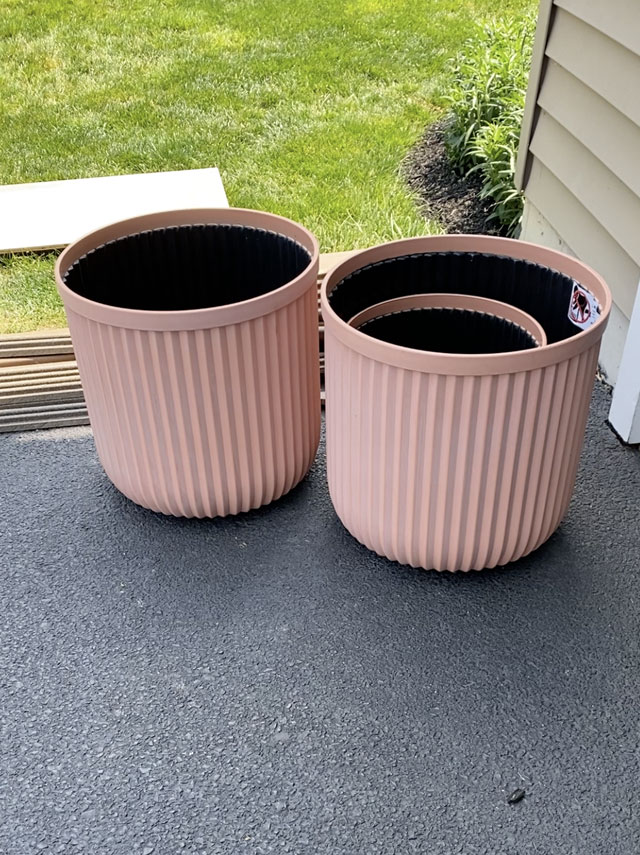
Are your cement planters looking a little dull? Imagine turning them into vibrant, eye-catching pieces that brighten up your garden or home.
Painting your cement planters is easier than you think, and you don’t need to be an expert to do it. In this guide, you’ll discover simple steps and tips that will help you transform your plain planters into stunning works of art.
Ready to give your plants the perfect home they deserve? Keep reading to find out how!
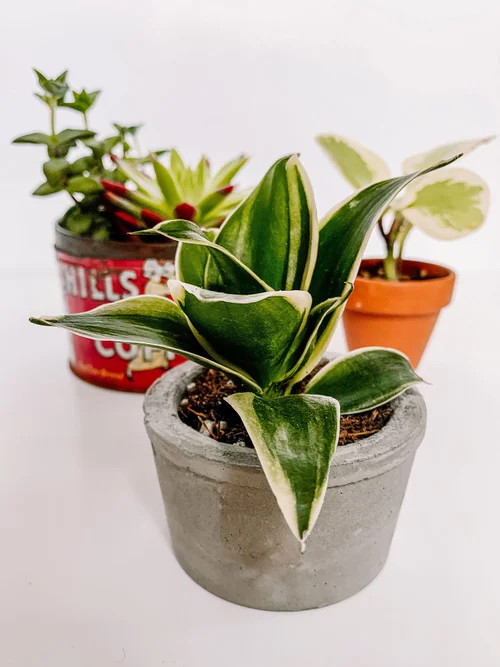
Credit: thegreenmadhouse.com
Choosing The Right Paint
Painting cement planters can change their look and protect them from weather damage. Picking the right paint is important for good results.
Not all paints work well on cement. You need to know which types stick well and last long outdoors.
Types Of Paint For Cement
Acrylic paint works well on cement. It dries fast and resists water. Latex paint is another choice, easy to apply and clean.
Oil-based paint gives a strong finish but takes longer to dry. It also needs special thinner for cleaning.
- Acrylic paint: quick drying, water-resistant
- Latex paint: easy to use, good for indoors
- Oil-based paint: durable, needs longer drying time
- Masonry paint: made for cement, very durable
Color Selection Tips
Choose colors that match your outdoor space and plants. Light colors keep the planter cool in the sun. Dark colors hide dirt better.
| Color | Best Use | Note |
| White | Modern look | Shows dirt easily |
| Green | Blends with plants | Looks natural |
| Blue | Cool and calm feel | Good for shaded areas |
| Brown | Rustic style | Hides dirt well |
Preparing The Planter Surface
Painting cement planters needs a clean, smooth surface. This helps paint stick well and last longer.
Prepare your planter carefully before painting. This guide shows how to clean, sand, and prime it.
Cleaning The Planter
Remove dirt and dust from the planter. Use water and mild soap to wash it well.
Rinse the planter with clean water. Let it dry completely before the next step.
Sanding For Smoothness
Use sandpaper to smooth rough spots on the planter. This creates a better surface for painting.
Sand evenly and wipe away dust with a dry cloth. This helps the paint stick evenly.
Priming The Surface
Apply a primer made for cement or masonry. Primer helps paint last longer and prevents peeling.
Use a brush or roller to cover the planter evenly. Let the primer dry fully before painting.
Painting Techniques
Painting cement planters can be a fun and creative way to enhance their look. You can choose from various techniques to get the finish you desire. Understanding these methods will help you achieve the best results.
In this guide, we will explore different painting techniques. We will look at brush and spray painting, how to apply even coats, and ways to create patterns and designs.
Brush Vs. Spray Painting
Deciding between brush and spray painting is crucial. Each method has its own advantages and challenges.
- Brush Painting: Provides more control. Suitable for detailed work.
- Spray Painting: Covers large areas quickly. Ideal for a smooth finish.
Applying Even Coats
Applying even coats is important for a professional look. Uneven coats can lead to streaks and uneven coloring.
Creating Patterns And Designs
Creating patterns and designs adds a unique touch to your planters. You can use tape or stencils to guide your work.
| Design Tool | Purpose |
| Tape | Create straight lines and borders |
| Stencils | Add intricate patterns and shapes |
| Sponges | Apply texture and blended colors |
Sealing And Protecting
Painting cement planters adds color and style. Sealing the paint keeps it safe from weather and wear.
Proper sealing helps your planter last longer and look better over time.
Choosing A Sealant
Pick a sealant that works well with cement and paint. Some sealants protect against water and sunlight.
Look for these types of sealants:
- Acrylic sealants for water resistance
- Polyurethane sealants for strong protection
- Silicone sealants for flexibility and water resistance
Applying The Sealant
Apply the sealant in thin, even coats. Use a brush or spray for best results.
Cover all painted surfaces, including edges and bottom. Avoid drips by applying slowly.
- Work in a well-ventilated area
- Wear gloves to protect your hands
- Follow the sealant label instructions
Drying And Curing Time
Let the sealant dry completely before handling the planter. Drying times vary by product.
Curing is the time sealant takes to reach full strength. It can take several days.
- Drying time: usually 1 to 4 hours
- Curing time: 24 hours to 7 days
- Keep the planter in a dry place while curing
Maintenance Tips
Painting cement planters adds color and style to your garden. To keep them looking fresh, you need regular care. Proper maintenance helps the paint last longer and protects the planter.
Follow simple tips to clean, touch up, and protect your painted cement planters throughout the year. This will keep them attractive and durable.
Cleaning Painted Planters
Clean your painted planters gently to avoid damaging the paint. Use mild soap and water with a soft cloth or sponge. Avoid harsh chemicals and rough scrubbing.
Remove dirt and dust regularly. This stops buildup that can wear down the paint finish over time.
- Use a soft brush for hard-to-reach spots
- Rinse with clean water after washing
- Dry the planter fully before placing back outside
Touch-up Advice
Check your planters for paint chips or cracks often. Small repairs keep the planter looking good and prevent damage. Use paint that matches the original color.
Lightly sand the area before repainting. This helps new paint stick well. Apply thin coats and let each dry completely.
- Keep extra paint for future touch-ups
- Fix damage as soon as you notice it
- Use outdoor paint for best results
Seasonal Care
Protect your painted planters from harsh weather changes. Cold, heat, and moisture can affect the paint and cement. Adjust care based on the season.
Move planters to sheltered spots in winter. Cover them if frost or heavy rain is expected. In summer, place them where they get some shade.
- Store planters indoors during freezing months
- Use breathable covers to avoid moisture buildup
- Check for cracks after severe weather
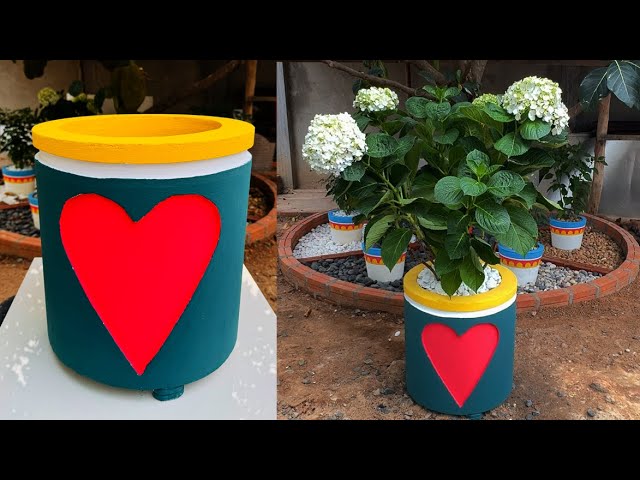
Credit: www.youtube.com

Credit: www.youtube.com
Frequently Asked Questions
How Do I Prepare Cement Planters For Painting?
Clean the planter with soap and water to remove dirt. Let it dry completely. Sand rough areas lightly for better paint adhesion.
What Type Of Paint Is Best For Cement Planters?
Use acrylic latex paint or outdoor enamel paint. These paints resist moisture and weather, ensuring long-lasting color and protection.
How Many Coats Of Paint Should I Apply?
Apply two to three thin coats for even coverage. Allow each coat to dry fully before applying the next.
Should I Seal Cement Planters After Painting?
Yes, apply a clear sealer to protect the paint. It enhances durability and prevents water damage or chipping.
Conclusion
Painting cement planters adds color and life to any space. It protects the planter from weather damage too. Choose the right paint and prepare the surface well. Take your time with each step for the best results. Your planter will look fresh and last longer.
Enjoy the creative process and make your garden unique. Small changes bring big smiles. Try different colors and patterns to fit your style. Now, you are ready to brighten your outdoor space easily.