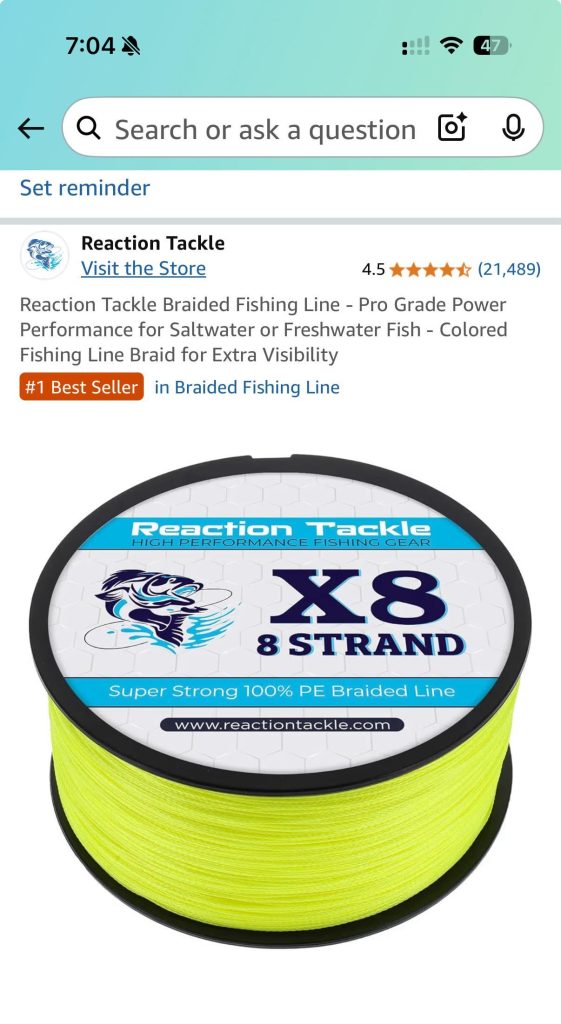
When you’re out bass fishing, the line you choose can make all the difference between a good catch and a wasted day. You want a line that gives you strength, sensitivity, and the right amount of stretch.
But with so many options out there, how do you know which one is truly the best for bass fishing? Keep reading, because we’ll break down everything you need to know to pick the perfect line—helping you catch more bass and enjoy every moment on the water.
Choosing The Right Line
Choosing the right fishing line is key for catching bass. The line affects casting, sensitivity, and hook setting.
Different lines suit different fishing styles and conditions. Learn about monofilament, fluorocarbon, and braided lines.
Monofilament Lines
Monofilament lines are popular for their stretch and ease of use. They are good for beginners and general fishing.
- Offer good shock absorption
- Float on water surface
- Less visible in water
- Easy to knot and handle
- Can weaken from sun exposure
Fluorocarbon Lines
Fluorocarbon lines are nearly invisible underwater. They sink fast and resist abrasion well.
| Feature | Benefit |
| Low Visibility | Better for clear water |
| Sinks Quickly | Good for deep fishing |
| High Abrasion Resistance | Lasts longer around rocks |
| Less Stretch | Improves hook sets |
Braided Lines
Braided lines have no stretch and very high strength. They are thin and cast far.
- Strong and durable
- Thin diameter for long casts
- Excellent sensitivity
- Does not absorb water
- Can be visible to fish
Line Strength And Diameter
Choosing the right line for bass fishing depends on strength and diameter. These factors affect how you catch bass.
Strong lines help catch big fish. Thin lines let you cast farther and hide better underwater.
Pound Test Ratings
Pound test shows the line’s strength. It tells how much weight the line can hold before breaking.
For bass fishing, 8 to 15-pound tests are common. Choose based on fish size and fishing style.
- 8-10 lb test: Good for small to medium bass
- 12-15 lb test: Best for larger bass or heavy cover
- Above 15 lb: Use for very heavy cover or big bass
Line Diameter Effects
Line diameter affects casting and fish bites. Thinner lines cast farther and are less visible.
Thicker lines are stronger but can scare fish. They also cause more drag in water.
| Line Diameter | Advantages | Disadvantages |
|---|---|---|
| Thin (0.010-0.014 inches) | Better casting, less visible | Lower abrasion resistance |
| Medium (0.015-0.018 inches) | Good balance of strength and visibility | Moderate drag in water |
| Thick (0.019+ inches) | High strength, good for heavy cover | More visible, harder to cast |
Matching Line To Rod And Reel
Match your line strength with your rod and reel’s capacity. This keeps your gear balanced.
Using the right line helps with casting, fighting fish, and prevents gear damage.
- Check rod’s recommended pound test range
- Use reel spool size for line capacity
- Balance line strength with rod power and action
Best Lines For Different Conditions
Choosing the right line for bass fishing can make a big difference. The line you use depends on the water and cover you are fishing in.
Let’s explore the best lines for clear water, heavy cover, and open water fishing.
Clear Water Techniques
In clear water, bass can see your line easily. You need a line that blends in well.
- Fluorocarbon line is nearly invisible underwater.
- Use a lighter line to avoid spooking fish.
- Thin diameter helps with longer casting.
Heavy Cover Fishing
When fishing in heavy cover, a strong line is necessary. It helps you pull bass out of thick weeds or wood.
| Line Type | Strength |
| Braided Line | High |
| Monofilament | Medium |
Open Water Bass Fishing
Open water fishing offers different challenges. The line should be versatile and durable.

Credit: www.gameandfishmag.com
Top Brands And Models
Choosing the right fishing line matters for a good bass fishing experience. Different types of lines suit different fishing styles and water conditions.
We look at popular brands and models in monofilament, fluorocarbon, and braided lines to help you decide.
Popular Monofilament Options
Monofilament lines are flexible and easy to handle. They offer good stretch and work well for beginners.
- Berkley Trilene XL – Known for its smooth casting and knot strength.
- Stren Original – Offers great abrasion resistance and durability.
- Spiderwire Stealth – Combines softness with high sensitivity.
Leading Fluorocarbon Choices
Fluorocarbon lines are nearly invisible underwater. They have low stretch and high abrasion resistance.
| Brand | Model | Key Features |
| Seaguar | Red Label | High sensitivity, strong and clear |
| Sunline | Smoke | Low memory, tough against wear |
| Yo-Zuri | Hybrid | Fast sinking, abrasion resistant |
Highly Rated Braided Lines
Braided lines offer high strength with a thin diameter. They have little stretch and good sensitivity.
Top braided lines include:
- PowerPro Spectra Fiber – Smooth casting and high abrasion resistance.
- Spiderwire Stealth Braid – Excellent strength and low stretch.
- Frog Hair Braid – Durable and sensitive with a soft feel.
Tips For Line Maintenance
Keeping your fishing line in good shape helps you catch more bass. Proper care makes your line last longer and perform better.
Here are some simple tips to maintain your bass fishing line well and avoid common problems.
Line Replacement Frequency
Replace your fishing line regularly. Old line loses strength and can break easily. Change it after several fishing trips or if you see damage.
- Check the line for nicks, cuts, or frays before each trip.
- Replace line every 3 to 6 months if you fish often.
- Change line immediately if it feels rough or weak.
- Use fresh line for important fishing trips to avoid losing fish.
Avoiding Line Twist And Memory
Line twist makes casting harder and can cause tangles. Line memory causes loops and weak spots. Both reduce fishing success.
Use these tips to reduce twist and memory in your line:
- Spool line tightly and evenly on your reel.
- Use a swivel to stop your line from twisting.
- Pull line straight and avoid letting it coil in loops.
- Store spools off the reel to let line relax.
Storage And Care
Proper storage keeps your line strong and ready to use. Heat, sunlight, and moisture can damage line fibers.
| Storage Tip | Why It Helps |
|---|---|
| Store in a cool, dark place | Prevents damage from sunlight and heat |
| Keep line dry | Stops mold and fiber weakening |
| Loosen line on spools | Reduces line memory and tangling |
| Use line covers or cases | Protects from dirt and abrasion |
Credit: www.wired2fish.com
Techniques To Maximize Line Performance
Choosing the best line for bass fishing is important. The right techniques help your line perform well and last longer.
Strong knots, line testing, and drag settings all affect your fishing success. Each part needs attention to get the best results.
Knot Tying For Strength
Tying strong knots keeps your line from breaking under pressure. Use knots that hold tight and do not slip.
- Use the Palomar knot for main line and hooks.
- Try the Improved Clinch knot for light lines.
- Test knots by pulling hard before fishing.
- Trim excess tag ends to avoid snagging.
Line Testing Before Fishing
Test your line before you cast. This helps find weak spots or damage that can cause breaks.
| Test Method | Description |
| Visual Check | Look for frays, nicks, or discoloration. |
| Tensile Pull | Pull line with hands to feel weak areas. |
| Water Soak | Wet line to see if strength changes. |
| Test Cast | Make a few casts to check smoothness and strength. |
Adjusting Drag Settings
Proper drag settings protect your line from snapping during a fight. Adjust drag to match the fish size and line strength.
Follow these tips to set drag:
- Start with light drag before the cast.
- Increase drag slowly as the fish pulls.
- Keep drag tight enough to tire the fish but loose enough to avoid line break.
- Adjust drag if you hear line noise or feel sudden resistance.

Credit: www.youtube.com
Frequently Asked Questions
What Is The Best Fishing Line For Bass?
The best line for bass fishing is usually fluorocarbon or braided line. Fluorocarbon is nearly invisible underwater and sensitive. Braided line offers high strength and excellent casting distance.
How Strong Should Bass Fishing Line Be?
Bass fishing line strength should range from 8 to 20 pounds. Lighter lines are good for clear water and finesse techniques. Heavier lines help with heavy cover and bigger bass.
Should I Use Braided Or Fluorocarbon Line For Bass?
Braided line provides strength and durability in heavy cover. Fluorocarbon line offers stealth and sensitivity for clear water. Many anglers use braided line with fluorocarbon leader for best results.
What Line Diameter Is Best For Bass Fishing?
A thinner diameter line improves casting distance and lure action. Fluorocarbon lines with 0. 010 to 0. 018 inches diameter are ideal for bass fishing. Thicker lines are better for heavy cover or large bass.
Conclusion
Choosing the right line makes bass fishing more fun and successful. Strong, clear, and smooth lines help catch more fish. Think about water type and fish size when picking line. Braided, fluorocarbon, and monofilament each have their own benefits. Test different lines to see what works best for you.
Enjoy the process and learn with each fishing trip. Simple choices lead to better fishing days. Try different lines, and find your perfect match. Keep fishing, keep learning, and catch more bass.