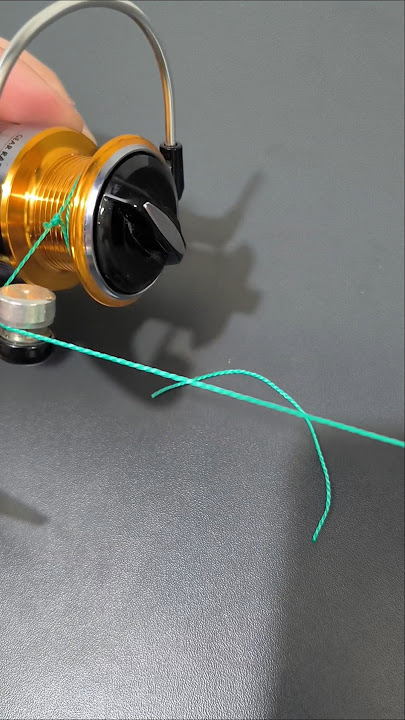
Are you tired of your fishing line getting tangled or breaking at the worst moments? Knowing how to put fishing line on the reel the right way can make all the difference in your fishing experience.
Whether you’re new to fishing or just need a quick refresher, this simple guide will help you set up your reel like a pro. Keep reading, and you’ll learn easy steps that save you time, prevent frustration, and get you back to enjoying your time on the water faster.
Your perfect cast starts here.
Choosing The Right Line
Choosing the right fishing line is important for a good fishing experience. The line affects how well you cast and catch fish.
There are different types and strengths of fishing line. You also need to think about the line diameter for your reel.
Types Of Fishing Line
You can choose from three main types of fishing line: monofilament, fluorocarbon, and braided line. Each type has its own benefits.
- Monofilament is easy to use and stretches well.
- Fluorocarbon is less visible underwater and sinks faster.
- Braided line is very strong and has little stretch.
Selecting Line Strength
Line strength is the amount of weight the line can hold before breaking. It is measured in pounds or kilograms.
Choose a line strength that matches the fish you want to catch. Stronger lines work for bigger fish, but they can be harder to handle.
- Light lines (2-6 lbs) are good for small fish and light lures.
- Medium lines (8-12 lbs) work for most freshwater fish.
- Heavy lines (15 lbs and above) are for large or strong fish.
Considering Line Diameter
The diameter of the fishing line affects casting distance and how much line fits on the reel. Thinner lines cast farther and hold more line.
Thicker lines are stronger but more visible in water. Choose a diameter that balances strength and invisibility for your fishing needs.
| Line Diameter | Use |
|---|---|
| Thin (0.10 – 0.20 mm) | Light fishing and clear water |
| Medium (0.20 – 0.35 mm) | General fishing and mixed conditions |
| Thick (0.35 mm and up) | Heavy fish and rough conditions |
Credit: monsterbass.com
Preparing The Reel
Putting fishing line on the reel starts with preparing the reel. This step makes sure the reel works well.
Proper preparation helps the line last longer and prevents problems while fishing.
Removing Old Line
First, remove any old fishing line on the reel. Old line can weaken your cast and cause tangles.
Pull the old line off slowly to avoid damaging the reel parts.
- Cut the line near the spool if needed
- Pull line off evenly
- Dispose of old line safely
Inspecting The Reel
Check the reel carefully after removing the line. Look for dirt, rust, or damage on the parts.
Clean the reel if needed. Make sure the spool spins smoothly without noise or sticking.
- Look for cracks or broken parts
- Check the drag system for smoothness
- Clean dirt and old grease
Setting Up The Reel Properly
Place the reel on a flat surface for easy line spooling. Secure it in the fishing rod if possible.
Make sure the reel’s spool is tight but can still turn freely. Adjust the drag to a medium setting.
- Keep the reel steady while spooling
- Check spool tension before adding line
- Adjust drag to avoid line breakage
Attaching The Line
Getting your fishing line onto the reel correctly is important. It prevents tangles and ensures smooth casting.
Follow these steps to attach the line properly. This guide will help you secure the line and check its tightness.
Securing The Line To The Spool
First, thread the line through the rod guides. Then, wrap the line around the spool of your reel.
- Ensure the line is tight and not twisted.
- Wrap the line around the spool two times.
- Hold the line firmly as you proceed to tie it.
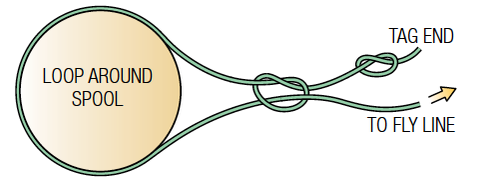
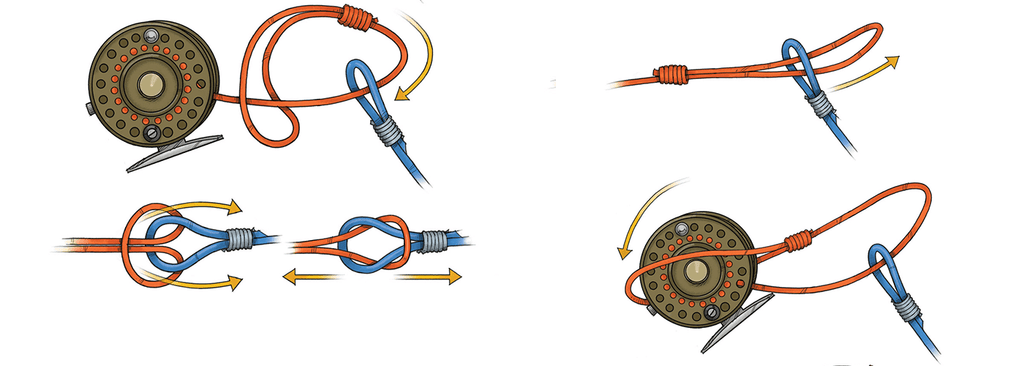
Using The Arbor Knot
The arbor knot is ideal for securing the line to the spool. It is simple and effective.
- Make an overhand knot around the main line.
- Create another overhand knot with the tag end.
- Pull the main line to tighten the knots.
Checking For Tightness
Once you have tied the knot, check the line’s tightness. This ensures the line does not slip during use.
| Action | Result |
| Pull the line gently | Line should not slip |
| Reel in slowly | Check for smoothness |
| Adjust tension | Prevent loose winding |
Spooling The Line
Putting fishing line on your reel is an important step before fishing. Spooling the line correctly helps you avoid problems while casting and fishing.
In this guide, we will cover how to spool the line with proper care. This will keep your fishing experience smooth and enjoyable.
Maintaining Proper Tension
Keep the fishing line tight while spooling. Proper tension stops the line from getting loose or tangled.
You can hold the line between your fingers or use a cloth to add grip. This helps control the tension as you wind the line onto the reel.
Winding The Line Evenly
Wind the line evenly across the reel spool. Spread the line from one side to the other to avoid bunching.
Moving the line guide slowly while spooling helps keep the line flat and neat. Even winding improves casting distance and reduces tangles.
Avoiding Line Twists And Loops
Line twists cause knots and weak spots. To avoid twists, let the spool spin freely and avoid over-twisting the line.
Check the line often for loops or twists. If you see any, stop spooling and fix the problem before continuing.
Finishing Touches
After winding the fishing line onto the reel, some final steps make sure your setup works well. These small actions help protect the line and improve your fishing experience.
Follow these finishing touches to keep your reel ready and your fishing line strong.
Cutting The Line
Cut the fishing line cleanly to avoid frays. Use sharp scissors or a line cutter for best results.
Leave about 6 inches of extra line beyond the reel. This helps when you start fishing and threading through the guides.
Threading Through Guides
Pull the loose line through each guide on the fishing rod. Start from the bottom near the reel and move to the tip.
This step ensures smooth casting and reduces tangles. Make sure the line runs straight and tight through all guides.
- Hold the line firmly
- Thread through each guide carefully
- Check for any snags or twists
Storing The Reel
Keep the reel in a dry and clean place after fishing. This prevents rust and damage to the parts.
Loosen the drag slightly before storage. This protects the reel’s internal system and extends its life.
- Store in a cool, dry area
- Keep the reel covered or in a bag
- Check the line regularly for wear

Credit: windrider.com
Common Mistakes To Avoid
Putting fishing line on the reel seems easy but can cause problems. Some mistakes reduce fishing success and cause line damage.
Learn which errors to avoid for better casting and longer line life.
Overfilling The Spool
Overfilling the spool can cause the line to slip off during casting. This leads to tangles and knots.
Leave a small gap between the line and the spool edge to avoid this problem.
- Do not fill the spool all the way to the top
- Keep about 1/8 inch space from the spool edge
- Check the reel manual for recommended fill level
Loose Line Wrapping
Wrapping the line loosely causes gaps and uneven layers. The line may tangle or break easily.
Keep the line tight and even while winding it onto the spool.
- Apply steady tension on the line while filling
- Wind the line evenly across the spool width
- Stop and fix any loose spots immediately
Ignoring Line Compatibility
Using the wrong type of line for your reel can cause poor performance. Some lines do not work well with certain reels.
Check your reel’s specifications to pick the right line type and strength.
- Match line type to reel design (monofilament, braid, fluorocarbon)
- Choose line strength based on fish size and reel capacity
- Avoid mixing different line types on the same spool
Tips For Longevity
Putting fishing line on your reel is easy. Taking care of the line helps it last longer. Good care saves money and improves fishing.
This guide shares simple tips to keep your fishing line strong and ready for use.
Regular Line Maintenance
Check your fishing line often for damage. Look for nicks, frays, or dirt on the line. Clean the line with fresh water after each use.
Dry the line before storing it. Keeping the line clean stops it from weakening or breaking early.
- Inspect the line before and after fishing
- Rinse the line with fresh water to remove dirt
- Dry the line completely before storage
Replacing Line Periodically
Fishing line gets old and weak over time. Replace the line every few months or after heavy use. This keeps your gear reliable and strong.
Fresh line reduces the chance of breakage. Always use the right type and size of line for your reel.
- Replace line every 3 to 6 months
- Change line after catching big fish
- Use line suited for your fishing style
Storing Line Properly
Store your fishing line in a cool, dry place. Avoid direct sunlight to stop the line from getting brittle. Keep the reel covered to protect the line from dust.
Proper storage helps keep the line flexible and strong for your next fishing trip.
- Keep line away from heat and sunlight
- Store reels in a dry, shaded spot
- Use reel covers or cases for protection
Credit: www.epicflyrods.com
Frequently Asked Questions
How Do I Choose The Right Fishing Line For My Reel?
Select a fishing line based on your target fish and reel type. Consider line strength, thickness, and material. Monofilament suits beginners, while braided lines offer higher strength and sensitivity. Match the line weight to your reel’s specifications for best performance.
What Is The Correct Way To Attach Fishing Line To A Reel?
Start by threading the line through the reel’s guides. Tie a secure knot, like an arbor knot, around the spool. Make sure the knot is tight and trim the excess line. This ensures the line stays firmly attached during casting and retrieval.
How Much Fishing Line Should I Put On My Reel?
Fill your reel spool to about 1/8 inch below the rim. Overfilling can cause tangles and underfilling reduces casting distance. Check your reel’s capacity and match it with your line strength for optimal performance.
Can I Reuse Old Fishing Line On My Reel?
It’s not recommended to reuse old fishing line. Old lines lose strength and flexibility, increasing breakage risk. Always use fresh line to ensure durability and better fishing experience. Regularly replace your line for safety and reliability.
Conclusion
Putting fishing line on the reel is simple with the right steps. Start slowly and keep the line tight. Avoid tangles by winding evenly. Check the line strength before fishing. Practice makes the process easier each time. Enjoy your fishing trips with confidence.
Ready your gear and have fun outdoors!