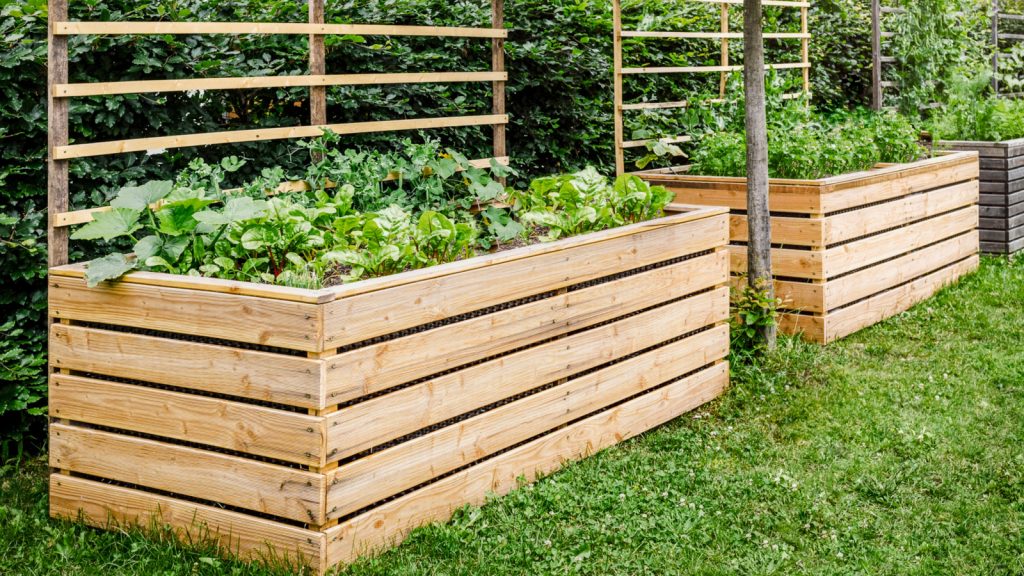
Choosing the right wood for your raised garden beds can make all the difference in how long they last and how well your plants grow. You want something strong, safe, and affordable—but with so many options, it’s easy to feel overwhelmed.
What if you pick the wrong wood? It could rot quickly or even harm your plants. Don’t worry. You’ll discover the best woods to use, what to avoid, and tips to keep your garden beds sturdy season after season. By the end, you’ll feel confident about making the perfect choice for your garden.
Keep reading to find out more!
Benefits Of Raised Garden Beds
Raised garden beds make growing plants easier. They offer many benefits for gardeners of all levels.
Choosing the right wood for raised garden beds helps keep them strong and safe for plants.
Better Soil Control
Raised beds let you control the soil quality. You can add the right mix of nutrients and drainage.
This helps plants grow faster and healthier. The soil warms up earlier in spring.
Improved Drainage
Raised beds drain water better than ground-level gardens. This stops roots from sitting in water.
Good drainage prevents root rot and keeps plants healthy. It also reduces soil compaction.
Easier Access And Maintenance
Raised beds are higher off the ground. This makes planting and weeding easier on your back.
You can garden without bending too much. This helps older people and those with limited mobility.
Pest And Weed Control
Raised beds limit weeds and pests. The defined edges stop grass and weeds from spreading inside.
You can also add barriers to keep out pests. This helps protect your plants without chemicals.
Longer Growing Season
Raised beds warm up faster in spring. This allows you to plant earlier than in traditional gardens.
They also stay warmer in fall. You get more time to grow and harvest your crops.

Credit: eartheasy.com
Key Factors For Choosing Wood
Choosing the right wood for raised garden beds is important. The wood must last long and be safe for plants and people.
Consider several key factors before building your garden beds. These help you pick the best wood for your needs.
Durability And Rot Resistance
Wood used outdoors must resist rot and bugs. Durable wood lasts longer without needing replacement.
- Cedar and redwood naturally resist rot.
- Pressure-treated wood lasts but may contain chemicals.
- Hardwoods are strong but can be costly.
- Softwoods may decay faster if untreated.
Toxicity And Safety
Wood should be safe for growing food. Avoid wood treated with harmful chemicals that can leach into soil.
| Wood Type | Toxicity Level | Safe for Edibles |
| Cedar | Low | Yes |
| Redwood | Low | Yes |
| Pressure-Treated | High | No |
| Pine | Moderate | Use with Caution |
Cost And Availability
Wood prices vary by type and location. Choose wood that fits your budget and is easy to find.
- Softwoods like pine cost less and are widely available.
- Cedar is more expensive but lasts longer.
- Hardwoods cost the most and may be harder to find.
Aesthetic Appeal
The look of the wood affects your garden’s style. Choose wood with a color and grain you like.
Wood Aesthetic Styles:
- Cedar: Reddish-brown, natural look
- Redwood: Deep red color, smooth grain
- Pine: Light color, can be painted or stained
- Hardwoods: Rich textures, often darker shades
Top Wood Types For Raised Beds
Choosing the right wood for raised garden beds is important. It affects the durability and health of your plants. Here are some top wood types for raised beds.
Each wood type has unique properties. Knowing these can help you make the best choice for your garden.
Cedar
Cedar is a popular choice for raised beds. It is naturally resistant to rot and insects. This makes it a durable option for outdoor use.
- Resistant to decay
- Lightweight and easy to handle
- Has a pleasant aroma
Redwood
Redwood is another excellent choice. It is similar to cedar in resistance to decay. Its rich color can enhance the look of your garden.
Redwood beds can last for 15-20 years with proper care. It is a bit more expensive than other types.
Douglas Fir
Douglas Fir is a budget-friendly option. It does not last as long as cedar or redwood. However, it is widely available and cost-effective.
| Wood Type | Expected Lifespan |
| Douglas Fir | 5-7 years |
| Cedar | 15-20 years |
| Redwood | 15-20 years |
Cypress
Cypress is known for its resistance to water. This makes it suitable for wet climates. It is naturally rot-resistant and durable.
Black Locust
Black Locust is highly durable. It is harder than other woods and lasts a long time. Its natural resistance to decay makes it ideal for raised beds.
- Long-lasting and resilient
- Requires minimal maintenance
- Environmentally friendly option
Pressure-treated Wood: Pros And Cons
Pressure-treated wood is popular for raised garden beds. It lasts longer than regular wood. People use it because it resists rot and insects.
This type of wood is soaked with chemicals to protect it. It can be a good choice if you want your garden bed to last many years.
Pros Of Pressure-treated Wood
Pressure-treated wood has many benefits for garden beds. It stays strong in wet soil. It does not rot quickly.
- Resists rot and decay
- Less likely to get insect damage
- Usually cheaper than cedar or redwood
- Lasts many years outdoors
- Easy to find at local stores
Cons Of Pressure-treated Wood
There are some concerns about pressure-treated wood. It uses chemicals that might harm plants or people. Some types are safer than others.
This wood can sometimes leach chemicals into the soil. It may not be the best choice for growing edible plants unless it is labeled safe for gardening.
- May contain harmful chemicals
- Not always safe for vegetable gardens
- Can be heavier and harder to cut
- Needs sealing to avoid chemical leaching
- Some types have a strong smell
Alternative Materials To Wood
Wood is a popular choice for raised garden beds, but other materials work well too. These options can last longer and need less care.
Using alternative materials can help avoid problems like wood rot and insect damage. Here are some common choices.
Composite Lumber
Composite lumber is made from wood fibers and plastic. It looks like wood but lasts longer outside.
This material resists rot and insects. It also needs less maintenance than natural wood.
- Does not split or crack easily
- Available in many colors
- Eco-friendly because it uses recycled materials
Recycled Plastic
Recycled plastic boards are strong and weatherproof. They do not absorb water and will not rot.
This material is easy to clean and lasts many years. It also comes in different colors and styles.
- Resistant to insects and mold
- Low maintenance with no painting needed
- Made from recycled bottles and containers
Metal Options
Metal raised beds use steel or aluminum. They are very strong and can last a long time.
Metal resists pests and does not rot. Some metals have coatings to prevent rust.
- Steel is heavy and durable
- Aluminum is lightweight and rust-resistant
- Modern look fits many garden styles
Tips For Extending Wood Bed Life
Wood raised garden beds add beauty and function to gardens. To keep them lasting longer, you must care for the wood properly.
Simple steps like sealing, drainage, and maintenance help protect wood from damage and decay over time.
Proper Sealing And Treatment
Sealing wood protects it from water and insects. Use non-toxic sealants safe for plants.
Treat wood with natural oils or water-based preservatives. Avoid harsh chemicals that can harm soil.
- Apply sealant before building the bed
- Reapply sealant every 1-2 years
- Focus on edges and corners where water collects
- Choose products labeled safe for garden use
Drainage Considerations
Good drainage stops water from sitting against the wood. Standing water causes wood to rot faster.
Make sure the bed has holes or gaps to let water flow out easily.
- Drill drainage holes in the bed bottom
- Use gravel or sand layer under soil for better drainage
- Place beds on level, well-drained ground
- Check drainage regularly after rain
Regular Maintenance
Inspect wood beds often for signs of damage or rot. Early fixes help extend life.
Clean beds by removing dirt and debris. This prevents mold and pests.
- Look for cracks, splits, or soft spots in wood
- Tighten any loose screws or nails
- Remove leaves and weeds around beds
- Sand rough areas to prevent splinters
Sizing And Design Ideas
Choosing the right wood for raised garden beds affects their size and design. Proper sizing helps plants grow well and makes gardening easy.
Design ideas include simple shapes or more complex layouts with different levels and paths. These improve both beauty and function.
Standard Dimensions
Standard raised garden beds usually measure 4 feet by 8 feet. This size allows easy reach from all sides without stepping inside.
Heights between 12 and 24 inches help plants grow well and make gardening comfortable. Use thicker wood for taller beds.
- Width: 4 feet (easy to reach plants)
- Length: 8 feet (fits many plants)
- Height: 12 to 24 inches (good soil depth)
Multi-tiered Beds
Multi-tiered beds add height and style. They save space by stacking planting areas vertically.
Use strong wood like cedar for tiers. Each level can have different heights for various plants.
- Lower tiers for root vegetables
- Middle tiers for herbs and flowers
- Top tiers for small plants or succulents
Incorporating Paths And Borders
Paths between raised beds give easy access for watering and harvesting. Use wood or stone for borders along paths.
Borders help keep soil in beds and prevent weeds from spreading. Make paths wide enough for tools and wheelbarrows.
- Path width: at least 18 inches
- Use wood edging to separate soil and path
- Design paths in straight lines or curves for style

Credit: www.outdoorlivingtoday.com
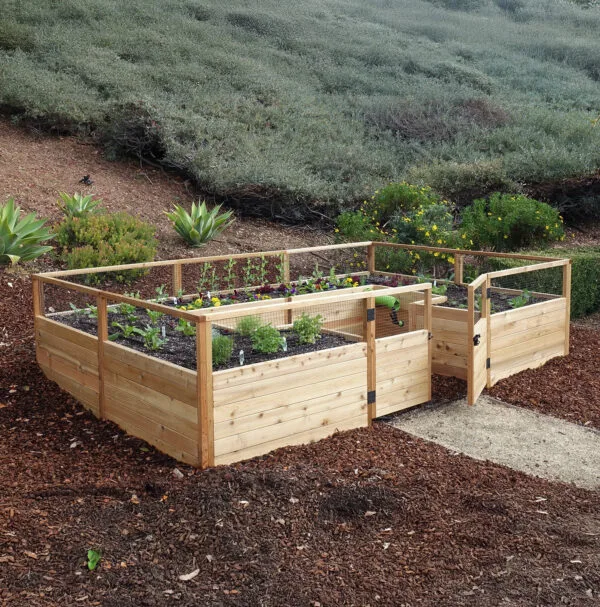
Credit: www.outdoorlivingtoday.com
Frequently Asked Questions
What Is The Best Wood For Raised Garden Beds?
Cedar is the best wood for raised garden beds. It resists rot and insects naturally. It lasts longer without chemicals and is safe for plants.
How Long Does Wood Last In Raised Garden Beds?
Wood lifespan depends on type and treatment. Cedar and redwood last 10-15 years. Untreated pine lasts 3-5 years. Proper sealing extends durability.
Can Treated Wood Be Used For Garden Beds?
Pressure-treated wood can leach chemicals into soil. Use only safer, newer treatments labeled non-toxic. Otherwise, avoid treated wood for edible gardens.
What Wood Thickness Is Ideal For Raised Beds?
Use wood at least 1. 5 to 2 inches thick. Thicker wood resists warping and holds soil weight better. It ensures bed durability.
Conclusion
Choosing the right wood keeps your garden bed strong and safe. Cedar and redwood resist rot and last long. Pine is cheaper but may need treatment. Avoid treated wood with harmful chemicals near plants. Proper wood helps plants grow healthy and roots stay protected.
Think about your budget and garden style. With the right wood, your raised bed will thrive. Start building and enjoy fresh, homegrown veggies soon!