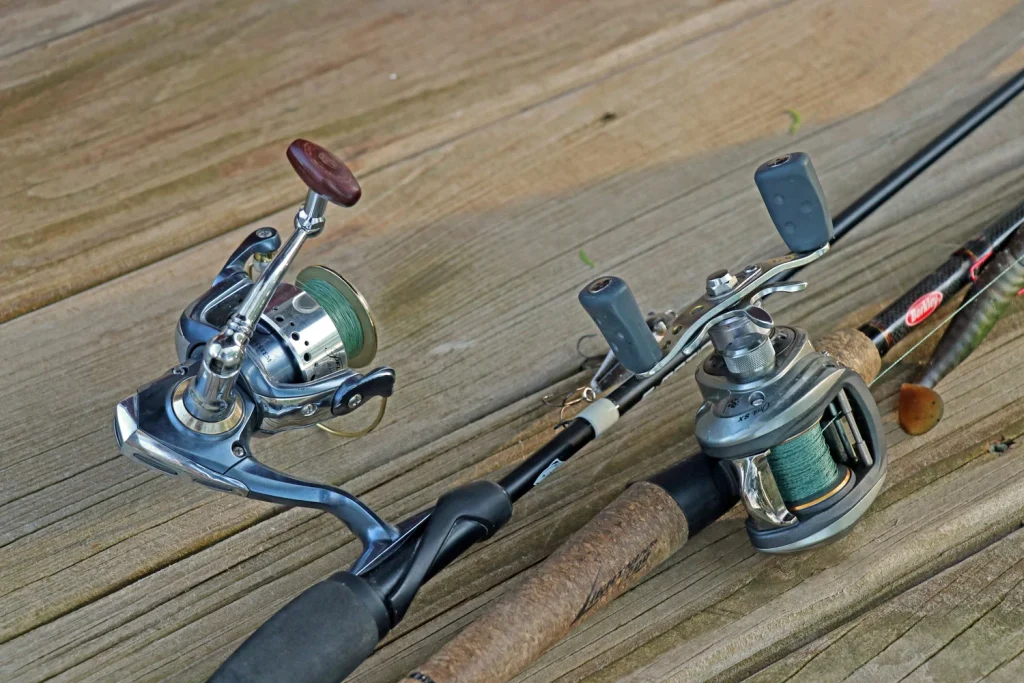
Have you ever wondered how many rods you can fish with at the same time? Whether you’re a beginner or a seasoned angler, knowing the rules and best practices can make a big difference in your fishing experience.
Using too many rods can lead to fines, while using just the right number can boost your chances of a great catch. You’ll discover the limits, tips, and secrets to maximize your fishing success without breaking any laws. Keep reading—you’re about to become a smarter, more confident fisherman!
Legal Limits On Fishing Rods
Fishing rules often include limits on how many rods you can use. These laws help protect fish populations. They also keep fishing fair for everyone.
Knowing these limits is important before you go fishing. The rules can differ by location and type of fishing.
Federal Regulations
The federal government sets some fishing rod limits. These rules apply in federal waters and for certain fish species.
For example, the Atlantic Highly Migratory Species rules allow only a few rods per person. This helps manage fish like tuna and swordfish.
- Usually 1 to 2 rods per person in federal waters
- Limits depend on fish species targeted
- Rules vary for commercial and recreational fishing
State-specific Rules
Each state sets its own fishing rod limits. These rules apply to state waters and public fishing areas.
Some states allow only one rod per person. Others may permit two or more rods. Always check the local fishing regulations before fishing.
- Limits range from 1 to 4 rods per person depending on the state
- Rules can change based on fishing location and season
- Some states require all rods to be actively attended
Special Permits And Exceptions
Special permits can allow more fishing rods than usual. These are often for commercial fishers or specific fishing events.
Some areas have exceptions for certain types of fishing gear or species. Always get the proper permits before using extra rods.
- Commercial fishers may use more rods with permits
- Some tournaments allow extra rods temporarily
- Special gear like trotlines may have different rules

Credit: www.youtube.com
Why Limits Exist
Fishing rod limits are set by authorities to keep fishing safe and fair. These rules help protect fish and their homes.
Limits also make sure many people can enjoy fishing without trouble. They keep the sport fun for everyone.
Conservation Efforts
Fishing limits help protect fish populations from dropping too low. This allows fish to grow and reproduce well.
When people fish with too many rods, they may catch too many fish. Limits help keep nature balanced.
- Protects endangered fish species
- Supports healthy fish numbers
- Prevents overfishing in lakes and rivers
Fair Access For Anglers
Limits on rods help make sure all anglers get a chance to catch fish. It stops a few people from taking too much.
These rules keep fishing spots fair and open. Everyone can enjoy fishing without feeling crowded or blocked.
- Prevents overuse of fishing areas
- Helps share fish resources fairly
- Supports community fishing events
Safety Concerns
Using many fishing rods at once can cause accidents. Hooks and lines may tangle, causing injuries.
Limits reduce the risk of harm to people and wildlife. They keep fishing safe for all involved.
- Reduces line tangles and hook injuries
- Prevents overcrowding in fishing spots
- Protects children and pets near water
Common Rod Limits By Region
Fishing rules vary around the world. Each region has its own limits on how many rods you can use. Understanding these rules helps you fish legally and responsibly.
Let’s explore rod limits in different regions. These include North America, Europe, and Australia and New Zealand.
North America
In North America, rod limits can differ by state or province. Some places allow only one rod per person. Others may permit two or more rods.
- California: Maximum of two rods
- Ontario: One rod in most areas, two in some
- Florida: No limit on the number of rods
Europe
In Europe, countries have specific fishing rules. Rod limits can vary greatly. It’s important to check local regulations before fishing.
- United Kingdom: Up to three rods
- Germany: Typically one or two rods
- France: Often two rods are allowed
Australia And New Zealand
Australia and New Zealand have diverse fishing environments. Rod limits can differ in coastal and inland areas. Always check the rules for your location.
- Australia: Usually two rods per person
- New Zealand: Commonly three rods in freshwater
- Marine areas might have different rules

Credit: blackfinrods.com
Types Of Fishing And Rod Restrictions
Fishing rules vary depending on the type of fishing you do. Different fishing styles have different limits on how many rods you can use. Knowing these rules helps you stay legal and safe.
This guide covers recreational, commercial, and tournament fishing. Each section explains rod limits and restrictions.
Recreational Fishing
Recreational fishing is for fun or personal use. Most places limit the number of rods to protect fish populations. Usually, anglers can use one or two rods at a time.
- One rod per person is common in many areas.
- Some locations allow two rods if you have a special license.
- Using more rods may require commercial permits.
- Check local rules before fishing.
Commercial Fishing
Commercial fishing uses many rods or nets to catch fish for sale. Rod limits are higher but strictly controlled by law. These rules keep fishing sustainable and fair.
| Fishing Type | Rod Limit | Permit Required |
| Small-scale commercial | 5 rods | Yes |
| Large-scale commercial | Unlimited rods or nets | Yes |
| Bycatch control | Special gear rules apply | Yes |
Tournament Fishing Rules
Tournament fishing has strict rod limits to keep contests fair. Rules vary by event but usually only allow one or two rods per angler.
Common tournament rod rules:
- One rod per participant during fishing times.
- No additional rods allowed in the boat.
- All rods must be attended by the angler.
- Violations may lead to disqualification.
Consequences Of Breaking Rod Limits
Fishing rules set limits on how many rods you can use at one time. These limits protect fish and keep fishing fair for everyone. Breaking these rules can cause serious problems.
This guide explains what happens if you fish with too many rods. Learn about fines, license risks, and harm to fish populations.
Fines And Penalties
Using more rods than allowed can lead to fines. These fines vary by location but can be quite expensive. Repeat offenses often bring higher penalties.
- First offense: small fine and warning
- Second offense: larger fine and possible court appearance
- Third offense: heavy fines and legal charges
License Suspension
Breaking rod limits can cause your fishing license to be suspended. Authorities take this seriously to prevent overfishing. A suspended license means no fishing allowed for a time.
| Violation Level | Suspension Length |
| Minor | 1 month |
| Moderate | 3 months |
| Severe | 6 months or more |
Impact On Fish Populations
Too many rods catch more fish than allowed. This hurts fish numbers and the environment. Overfishing can lead to fewer fish for future anglers.
- Reduced breeding stock
- Imbalance in aquatic ecosystems
- Lower fish diversity
- Long-term decline in fish numbers

Credit: anglersresource.net
Tips For Staying Within Limits
Fishing rules help protect fish and nature. Following rod limits keeps fishing fair for everyone.
These tips guide you on how to fish without breaking the rules. Stay safe and enjoy your time.
Checking Local Regulations
Always check local fishing laws before you go. Limits on rods and lines vary by place and season.
- Visit official fish and wildlife websites
- Contact local fishing offices or rangers
- Read posted signs at fishing sites
- Review fishing license details for rules
Using Multiple Lines Safely
Some areas allow multiple fishing lines. Use them carefully to avoid tangles and accidents.
| Tip | Reason |
| Keep lines spread apart | Prevents tangling |
| Check lines often | Reduces snags and lost gear |
| Use line holders or rod holders | Keeps rods stable and secure |
| Follow local limits on number of lines | Avoids fines and penalties |
Proper Gear Management
Organize your rods and gear to keep control and stay within limits. Good management helps catch more fish safely.
- Label your rods to track how many you have
- Store unused rods away from the water
- Use rod racks or cases during transport
- Inspect gear regularly for damage
- Dispose of old lines and hooks properly
Future Trends In Fishing Regulations
Fishing rules are changing to protect water life and habitats. These changes help keep fish populations healthy for the future.
New laws will affect how many rods you can use and where you can fish. It is important to understand these trends.
Technological Advances
Technology helps track fish numbers and fishing activities. Devices like GPS and smart sensors provide data to manage fishing better.
- Automatic rod sensors to count catches
- Apps to report fishing spots and limits
- Drones to monitor fishing areas
- Online permits and license management
Changing Conservation Policies
| Policy Change | Effect on Fishing |
|---|---|
| Reduced rod limits | Limits number of rods per person |
| Seasonal closures | Restricts fishing during breeding seasons |
| Protected zones | Areas where fishing is banned |
| Catch and release rules | Encourages returning fish to water |
Community Involvement
Local groups help watch over fishing areas. They share knowledge and follow rules to protect fish and water.
- Organize clean-up events
- Educate about sustainable fishing
- Report illegal fishing activities
- Work with authorities on regulations
Frequently Asked Questions
How Many Fishing Rods Can I Use At Once?
The number of rods you can use depends on local fishing laws. Most places allow one or two rods per person. Check your area’s regulations to avoid fines and enjoy a safe fishing experience.
Are There Legal Limits On Fishing Rods?
Yes, many regions have legal limits on the number of rods. These rules help manage fish populations and ensure fair fishing practices. Always verify local rules before fishing to stay compliant.
Can I Use Multiple Rods On A Boat?
Using multiple rods on a boat is common but regulated. Some areas allow up to three rods per angler on boats. Confirm local laws to know the exact limits and avoid penalties.
Why Do Fishing Rod Limits Exist?
Rod limits protect fish stocks from overfishing and preserve the environment. They also ensure equal opportunities for all anglers. Following these limits supports sustainable fishing for future generations.
Conclusion
Fishing rules vary by location and species. Always check local laws before you fish. Using the right number of rods keeps fishing safe and fair. Too many rods can disturb the environment and other anglers. Stick to legal limits to enjoy fishing without trouble.
Remember, simple rules help keep fishing fun for everyone. Plan your fishing trip with care and respect. Happy fishing!