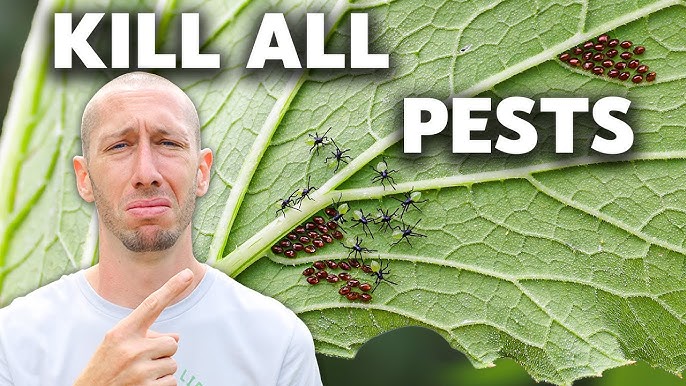
Are bugs turning your raised garden beds into their personal playground? You’re not alone, and the good news is, you don’t have to let them win.
Imagine enjoying healthy, vibrant plants without the constant worry of pests munching away. In this guide, you’ll discover simple, effective ways to protect your garden and keep those unwanted bugs at bay. Ready to take control and watch your garden thrive?
Let’s dive in and get your raised beds bug-free!
Common Bugs In Raised Beds
Raised garden beds are great for growing vegetables and flowers. But bugs can harm your plants. Knowing about common bugs helps protect your garden.
Some bugs eat leaves, roots, or stems. Others spread disease. It is important to spot these bugs early to save your plants.
Types Of Pests To Watch
Many pests like raised beds because of fresh plants. Some common pests include aphids, slugs, and spider mites. Each bug harms plants in different ways.
- Aphids:Tiny green or black bugs that suck plant juices.
- Slugs and Snails:Soft-bodied creatures that eat leaves and stems.
- Spider Mites:Tiny spiders that cause yellow spots on leaves.
- Cutworms:Caterpillars that cut young plants at the base.
- Whiteflies:Small white insects that feed on plant sap.
Signs Of Infestation
Watch your plants closely for signs of bugs. Early detection helps stop damage. Look for holes, spots, or sticky residue on leaves.
Other signs include wilting plants and webs. Bugs may hide under leaves or near soil. Check plants daily to catch problems fast.
- Holes or chewed edges on leaves
- Yellow or brown spots on leaves
- Sticky or shiny substance on plants
- Wilting or drooping plants
- Small webs on leaves or stems
- Visible bugs on leaves or soil

Credit: www.bhg.com
Natural Pest Control Methods
Bugs in raised garden beds can harm your plants. Using natural pest control keeps your garden safe without chemicals.
These methods protect plants and help maintain a healthy garden environment. They also support beneficial creatures.
Beneficial Insects
Beneficial insects eat harmful bugs that damage your plants. They act as natural pest killers in your garden.
Ladybugs, lacewings, and praying mantises are common helpful insects. They eat aphids, caterpillars, and other pests.
- Ladybugs eat aphids and mites
- Lacewings feed on small insects
- Praying mantises catch many garden pests
- Bees help with pollination too
Companion Planting
Companion planting means growing certain plants together to keep bugs away. Some plants repel pests naturally.
For example, marigolds can stop nematodes. Basil helps keep flies and mosquitoes away.
- Plant marigolds near vegetables
- Grow basil next to tomatoes
- Use garlic to repel aphids
- Chives can deter carrot flies
Homemade Remedies
You can make safe sprays and treatments at home. These remedies help control bugs without harsh chemicals.
Soap sprays, garlic water, and neem oil work well to reduce pests on plants.
- Mix mild soap with water and spray on leaves
- Crush garlic and soak in water, then spray
- Use diluted neem oil to kill insects
- Spray early in the morning or late evening
Chemical Solutions
Keeping bugs away from raised garden beds can be challenging. Chemical solutions offer a way to protect plants while keeping the garden healthy.
Using the right insecticides ensures bugs are managed effectively. It’s crucial to choose safe options for the garden’s ecosystem.
Safe Insecticides
Safe insecticides help control pests without harming other plants or animals. They are essential for maintaining a balanced environment.
- Neem oil is effective against many pests and is biodegradable.
- Insecticidal soap targets soft-bodied insects and is safe for most plants.
- Pyrethrin is derived from chrysanthemum flowers and works well on contact.
Application Tips
Applying insecticides correctly ensures their effectiveness. It also minimizes any negative impact on the garden.
Here’s a simple guide to follow:
- Always read the label for instructions.
- Apply in the early morning or late evening.
- Avoid spraying during windy conditions.
- Wear protective gear when handling chemicals.
Using these methods keeps your garden beds healthy and bug-free. Proper application and safe choices make a big difference.
Preventive Measures
Bugs can damage plants in raised garden beds. Taking preventive steps helps keep them away. Healthy plants grow better and resist pests more easily.
Use good gardening habits to avoid bugs. Focus on soil, watering, and checking your garden often. These actions reduce the chances of pest problems.
Soil Preparation
Start with healthy soil to prevent bugs. Good soil supports strong plants that resist pests. Avoid using soil that may contain insect eggs or larvae.
- Remove old plant debris before planting
- Add compost to improve soil health
- Use natural soil treatments to kill pests
- Rotate crops each season to reduce pest buildup
Proper Watering
Water your garden carefully to avoid attracting bugs. Overwatering creates moist conditions that pests like. Underwatering weakens plants and makes them vulnerable.
| Watering Tip | Reason |
| Water early in the morning | Plants dry during the day, reducing pests |
| Use drip irrigation | Keeps leaves dry, less bug habitat |
| Check soil moisture before watering | Prevents overwatering and pest growth |
Regular Inspection
Check your garden often for signs of bugs. Early detection helps stop infestations before they spread. Look under leaves and around stems carefully.
- Inspect plants at least twice a week
- Remove any bugs or eggs by hand
- Use natural pest controls if needed
- Keep garden clean from weeds and debris
Maintenance And Monitoring
Keeping your raised garden beds free of bugs takes regular care. Watch your plants often to catch problems early.
Good maintenance helps plants grow strong and reduces pest damage. Use simple steps to keep bugs away.
Keeping Beds Clean
Remove dead leaves and old plants from your beds. These can hide bugs and eggs.
- Clear fallen leaves regularly
- Pull out weeds that attract pests
- Dispose of plant debris away from the garden
- Keep soil loose and well-turned
Using Barriers And Traps
Barriers and traps block or catch bugs before they harm plants. Use these tools to protect your garden.
| Type | Use | Example |
| Physical Barrier | Stop bugs from reaching plants | Row covers, mesh screens |
| Sticky Trap | Catch flying insects | Yellow sticky cards |
| Trap Crop | Attract pests away from main plants | Planting nasturtiums near vegetables |

Credit: www.familyhandyman.com

Credit: savvygardening.com
Frequently Asked Questions
How Do I Identify Bugs In Raised Garden Beds?
Look for damaged leaves, holes, or sticky residue on plants. Check undersides of leaves for small insects. Use a magnifying glass for tiny pests. Common bugs include aphids, beetles, and caterpillars. Early identification helps control infestations effectively.
What Natural Methods Remove Bugs From Garden Beds?
Introduce beneficial insects like ladybugs and lacewings. Spray plants with neem oil or insecticidal soap. Use garlic or chili pepper sprays as natural repellents. Keep garden clean by removing debris and weeds. Rotate crops to reduce pest buildup.
Can Companion Planting Prevent Bugs In Raised Beds?
Yes, planting marigolds, basil, or nasturtiums deters pests naturally. These plants repel harmful insects and attract beneficial ones. Companion planting improves garden health and reduces chemical use. It’s a sustainable, eco-friendly pest control method.
How Often Should I Inspect Raised Garden Beds For Bugs?
Inspect your garden at least once a week. Frequent checks help catch infestations early. Pay attention after rain or warm weather when pests thrive. Early detection prevents serious damage and reduces treatment efforts.
Conclusion
Keeping bugs out of raised garden beds takes patience and care. Use natural methods like hand-picking pests or planting bug-repellent herbs. Keep your garden clean and check plants often for signs of bugs. Healthy soil helps plants resist pests better.
Small steps can make a big difference over time. Stay consistent and enjoy a bug-free garden. Gardening can be simple and rewarding with these easy tips. Your plants will thank you.