Are you ready to transform your gardening experience and grow healthier, more vibrant plants? How you prep your raised garden bed can make all the difference between a thriving garden and a frustrating one.
Getting this step right sets the stage for strong roots, better drainage, and nutrient-rich soil. In this guide, you’ll discover simple, effective tips to prepare your raised garden bed so you can enjoy a bountiful harvest. Keep reading to learn how to give your plants the perfect start—they’ll thank you!
Credit: www.gardenary.com
Choosing The Right Location
Picking the right spot for your raised garden bed helps plants grow strong. A good location gives plants enough sun, water, and protection.
Think about sunlight, soil drainage, and wind before placing your garden bed. These factors affect how well your plants will do.
Assessing Sunlight Exposure
Most plants need at least six hours of direct sunlight daily. Check how much sun your spot gets during the day.
Watch the area at different times to see if trees or buildings block the sun. Choose a sunny spot for better growth.
- Place beds in south or west-facing areas for more sun
- Avoid spots shaded by tall trees or walls
- Note seasonal changes in sunlight
Considering Soil Drainage
Good soil drainage stops water from pooling around plant roots. Waterlogged soil can harm plants.
Check if water drains quickly after rain. Avoid low spots where water collects or soil stays wet for long.
- Test drainage by digging a small hole and filling it with water
- Water should drain in less than four hours
- If drainage is poor, add raised bed soil mix or organic matter
Avoiding Windy Spots
Strong winds can damage plants and dry out the soil quickly. Choose a spot sheltered from the wind.
Look for natural windbreaks like fences, hedges, or buildings. If no shelter exists, consider adding one later.
- Check wind direction and speed in your garden area
- Place beds behind walls or shrubs to block wind
- Use temporary windbreaks if needed

Credit: www.sproutboxgarden.com
Selecting Materials For The Bed
Choosing the right materials helps your raised garden bed last longer. It also affects the health of your plants.
Consider durability, safety, and size before building your bed. This guide covers wood types, alternatives, and size tips.
Wood Types And Durability
Wood is a popular choice for raised beds. Some woods resist rot and pests better than others.
- Cedar lasts long and resists insects naturally.
- Redwood is durable but can be expensive.
- Pine is affordable but may need treatment to prevent decay.
- Pressure-treated wood is strong but check for safe, non-toxic treatments.
Alternative Materials
Besides wood, you can use other materials for your garden bed. Some last longer or have different looks.
| Material | Pros | Cons |
|---|---|---|
| Recycled Plastic | Rot-resistant, low maintenance | Can be costly, less natural look |
| Metal (Steel/Aluminum) | Strong and long-lasting | Can heat soil, may rust |
| Concrete Blocks | Durable and sturdy | Heavy and hard to move |
| Composite Wood | Resistant to rot and insects | More expensive than wood |
Size And Depth Considerations
Choose size and depth based on what you want to grow and space available. Depth affects root growth.
- Width should allow easy reach from both sides (usually 3 to 4 feet).
- Length depends on space but keep it manageable for gardening tasks.
- Depth of 12 to 18 inches suits most vegetables and flowers.
- Deeper beds help root vegetables like carrots and potatoes grow well.
Preparing The Site
Getting your raised garden bed ready is an essential step. It ensures that your plants grow healthy and strong.
Follow these simple steps to prepare the site for your raised garden bed. This will help create an ideal environment for your plants.
Clearing Existing Vegetation
Start by removing any existing plants or weeds from the area. This gives your new plants the space they need to grow.
- Use a spade to dig out weeds and roots.
- Ensure all debris is cleared away.
- Check for any pests or insects.
Leveling The Ground
Leveling the ground is important for stability. A flat surface helps the garden bed stay even.
Add or remove soil until you achieve a flat surface. This ensures proper drainage and support for your garden bed.
Installing A Weed Barrier
Installing a weed barrier helps prevent unwanted plants from growing. It keeps your garden bed free from competition.
| Material | Benefits |
| Landscape fabric | Blocks sunlight, prevents weed growth |
| Cardboard | Biodegradable, easy to use |
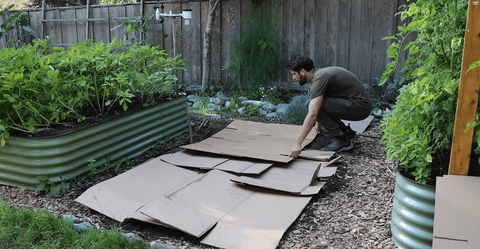
Lay the barrier material on the ground before adding soil. This extra step will save you time and effort in the future.
Building The Raised Bed
Building a raised garden bed helps improve soil drainage and plant growth. It also defines the garden space clearly.
This guide covers the main steps to build a strong and lasting raised bed frame for your garden.
Assembling The Frame
Choose durable wood like cedar or redwood for the frame. Cut the boards to your desired bed size. Lay the boards flat on the ground in a rectangle or square shape.
Align the edges carefully to ensure the frame will be square. Check the corners with a carpenter’s square if possible.
Securing The Corners
Use screws or galvanized nails to fasten the corners tightly. Pre-drill holes to avoid splitting the wood. Drive screws through the ends of the boards into the adjacent pieces.
- Mark corner points clearly.
- Pre-drill holes for screws at each corner.
- Use at least two screws per corner for strength.
- Check for right angles after securing.
- Tighten screws fully to avoid movement.
Adding Support Structures
Add corner braces or metal brackets inside the frame for extra support. This helps keep the bed shape steady over time.
| Support Type | Material | Use |
| Corner Brace | Wood | Strengthen corners |
| Metal Bracket | Galvanized Steel | Prevent warping |
| Center Stake | Wood or Metal | Support long sides |
Choosing And Amending Soil
Good soil is key to a healthy raised garden bed. It supports plant growth by giving roots air, water, and nutrients.
Amending soil means improving it with natural materials. This helps plants grow stronger and healthier.
Selecting Quality Soil Mix
Choose soil that drains well and holds moisture. A mix of topsoil, peat moss, and vermiculite or perlite works well.
- Topsoil provides minerals and structure.
- Peat moss keeps soil light and moist.
- Vermiculite or perlite improves drainage and aeration.
Incorporating Compost And Organic Matter
Add compost to feed plants with natural nutrients. Organic matter also helps soil hold water and air.
- Use well-rotted compost for best results.
- Mix in shredded leaves, grass clippings, or kitchen scraps.
- Apply about one-third of the total soil volume as compost.
Balancing Ph And Nutrients
Test soil pH to ensure it suits your plants. Most vegetables prefer a pH between 6.0 and 7.0.
| Soil pH | Effect | Adjustment |
| Below 6.0 | Too acidic | Add lime to raise pH |
| 6.0 to 7.0 | Ideal for most plants | No change needed |
| Above 7.0 | Too alkaline | Add sulfur or peat moss |
Use natural fertilizers like bone meal or kelp to supply nutrients. Avoid chemical fertilizers that can harm soil life.
Improving Drainage And Aeration
Good drainage and aeration keep your raised garden bed healthy. They help roots get enough air and water. This stops plants from rotting or drying out.
You can improve soil by adding materials that let water flow and air reach roots easily. These tips will help your garden grow strong and healthy.
Adding Gravel Or Rocks
Placing a layer of gravel or small rocks at the bottom of the raised bed helps water drain away. This stops water from pooling and drowning plant roots. It also keeps the soil from becoming too wet.
Use about 2 to 3 inches of gravel before adding soil. Make sure the rocks are clean and not too big to block drainage.
Mixing In Perlite Or Vermiculite
Perlite and vermiculite are light materials that mix well with soil. They create air spaces and improve water flow. This makes soil lighter and easier for roots to grow.
- Perlite helps with drainage and keeps soil loose.
- Vermiculite holds water and nutrients for plants.
- Mix about 10-20% perlite or vermiculite into your soil.
- This mix improves both air and water movement in the bed.
Avoiding Soil Compaction
Soil compaction blocks air and water from reaching roots. Avoid stepping on your raised bed soil. Use tools gently and loosen soil regularly.
| How to Avoid Soil Compaction | Why It Matters |
| Use a garden fork to turn soil | Keeps soil loose and airy |
| Do not walk inside the bed | Prevents soil from getting hard |
| Add organic matter like compost | Improves soil texture and health |
Watering And Mulching Tips
Taking care of a raised garden bed means giving plants the right amount of water. Mulching helps keep the soil moist. Both are key to growing healthy plants.
Good watering and mulching save time and water. They also protect plants from dry spells and heat.
Setting Up Irrigation
Use drip irrigation or soaker hoses to water plants slowly. This keeps water near the roots where plants need it most.
Set a timer to water early in the morning or late in the evening. This helps reduce water loss from evaporation.
- Choose drip lines or soaker hoses for even watering
- Place hoses close to plant bases
- Use a timer to water at cooler times
- Check for leaks and clogs regularly
Applying Mulch To Retain Moisture
Spread a layer of mulch on top of the soil. Mulch helps keep the soil cool and moist by reducing evaporation.
Use organic mulch like straw, wood chips, or leaves. These break down and add nutrients to the soil over time.
- Apply 2 to 3 inches of mulch around plants
- Keep mulch a few inches away from plant stems
- Refresh mulch layer as needed during the growing season
- Avoid using mulch that may carry weeds
Preventing Overwatering
Too much water can harm plant roots and cause diseases. Check soil moisture before watering again.
Use a finger or moisture meter to test soil. Water only when the top inch of soil feels dry.
- Water slowly to allow soil to absorb moisture
- Stop watering if water pools on soil surface
- Make sure raised bed drains well to avoid soggy soil
- Watch plants for signs of too much water, like yellow leaves

Credit: www.thegardenacademy.com
Planning Crop Layout
Planning your crop layout helps your raised garden bed grow well. Good planning saves space and keeps plants healthy.
Think about plant needs and how they work together. This makes your garden more productive and easier to care for.
Companion Planting Strategies
Companion planting means putting plants together that help each other. Some plants keep bugs away or improve growth.
Choose plants that grow well side by side. Avoid putting plants that fight for nutrients next to each other.
- Tomatoes and basil grow well together
- Carrots and onions help keep pests away
- Beans add nitrogen to the soil for other plants
Rotating Crops For Soil Health
Crop rotation means changing plant types each season. This keeps soil healthy and stops diseases.
Move plants that use many nutrients to different spots. Let the soil rest by planting different crops in the same bed.
- Plant leafy greens after root vegetables
- Follow nitrogen-fixing plants with heavy feeders
- Rotate families of plants to reduce pests
Maximizing Space Efficiency
Use all the space in your raised bed by planting carefully. Mix tall and short plants to fit more in.
Plant fast-growing crops between slow growers. This way, you get more food from the same area.
- Plant climbing plants on trellises to save ground space
- Use square foot gardening to plan small spaces
- Grow herbs around the edges of the bed
Frequently Asked Questions
How Do I Prepare Soil For A Raised Garden Bed?
Start by removing weeds and debris. Loosen the soil and add compost or organic matter. Mix well to improve drainage and fertility. This creates a healthy environment for plant roots and promotes better growth in your raised garden bed.
What Materials Are Best For Raised Garden Bed Soil?
A mix of topsoil, compost, and peat moss works best. This blend ensures good drainage, nutrients, and moisture retention. Avoid using only garden soil, as it can compact and reduce airflow to plant roots.
When Is The Best Time To Prep A Raised Garden Bed?
Prepare your raised bed in early spring or fall. This timing allows the soil to settle and nutrients to enrich before planting. It also helps avoid extreme weather that can affect soil quality and plant health.
How Deep Should Soil Be In A Raised Garden Bed?
Aim for at least 12 to 18 inches of soil depth. This depth provides enough space for most plant roots to grow. It supports healthy root development and improves water retention and nutrient availability.
Conclusion
Preparing your raised garden bed well sets the stage for healthy plants. Good soil and proper placement help roots grow strong. Keep weeds and pests away to protect your plants. Water regularly and watch your garden thrive. With simple steps, gardening becomes easy and fun.
Start small, learn as you go, and enjoy fresh vegetables or flowers. Your efforts will bring a rewarding harvest. Gardening is about patience and care. Ready to dig in?