Have you ever wondered why tents come in so many different shapes? The shape of a tent isn’t just about how it looks—it affects your comfort, how easy it is to set up, and even how well it protects you from the weather.
Understanding the shape of tents can help you choose the perfect one for your next adventure or camping trip. Keep reading to discover how tent shapes can make a big difference for you and your outdoor experience.

Credit: shelter-dome.com
Common Tent Shapes
Tents come in many shapes. Each shape serves a different purpose.
Choosing the right shape helps you stay comfortable outdoors.
A-frame Tents
A-frame tents have a simple triangular shape. They look like the letter “A”.
These tents are easy to set up and lightweight. They work well for backpacking.
Dome Tents
Dome tents have a rounded shape with two or more poles crossing each other. This shape makes them stable.
They offer good headroom and are easy to carry. Dome tents are popular for camping.
Tunnel Tents
Tunnel tents are long and curved like a tunnel. They use several poles in a row.
This shape gives more space inside. Tunnel tents work well for families and groups.
Geodesic Tents
Geodesic tents have many poles that cross to form a strong frame. They look like a dome but more complex.
This shape is very stable in strong wind and snow. They are good for extreme weather.
Cabin Tents
Cabin tents have straight walls and a flat roof. This shape looks like a small house.
They offer a lot of space and standing room. Cabin tents are great for car camping.
Unique Tent Designs
Tents come in many shapes and sizes. Each design suits different needs and settings.
Understanding the shapes helps you pick the right tent for your adventure or event.
Bell Tents
Bell tents have a round shape with a high central pole. Their walls slope gently outward.
This shape offers a lot of space inside and good wind resistance. They are popular for camping and glamping.
Pop-up Tents
Pop-up tents open quickly and fold down small. They usually have a dome shape.
- Easy to set up in seconds
- Lightweight and portable
- Best for short trips and festivals
- Not ideal in strong winds
Inflatable Tents
Inflatable tents use air beams instead of poles. They have smooth, rounded shapes.
| Feature | Benefit |
| Air beams | Flexible and easy to repair |
| Rounded shape | Good wind resistance |
| Setup time | Faster than traditional poles |
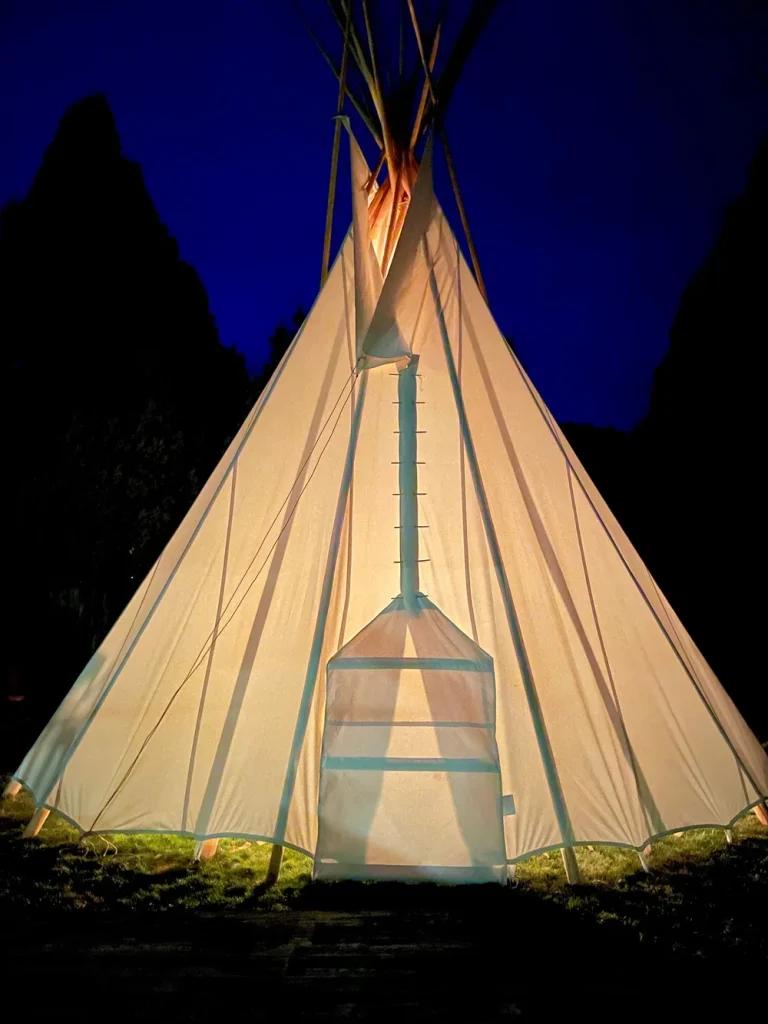
Teepee Tents
Teepee tents have a tall, conical shape with a single central pole.
Key points about Teepee Tents:
- Good airflow due to open top
- Simple and sturdy design
- Easy to heat inside
- Popular for cultural and outdoor events
Benefits Of Different Tent Shapes
Tents come in various shapes, each offering unique benefits. Choosing the right shape can enhance your camping experience.
Understanding these benefits helps you select a tent that meets your needs in different environments.
Stability And Wind Resistance
Tent shapes affect how well they handle wind and stay stable. Dome tents are popular for their aerodynamic design.
- Dome tents: Great stability in windy conditions.
- Geodesic tents: Excellent for extreme weather.
- A-frame tents: Simple but less wind-resistant.
Space And Comfort
The shape of a tent can influence the amount of usable space inside. Cabin tents are known for their vertical walls.
| Tent Shape | Space Benefit |
| Cabin Tents | More headroom and vertical space |
| Dome Tents | Balanced space with stability |
| Tunnel Tents | Large sleeping areas |
Ease Of Setup
Some tent shapes are easier to set up than others. Instant tents are designed for quick assembly.
Portability
Portability depends on the tent’s weight and pack size. Backpacking tents are lightweight and compact.
Choosing The Right Tent Shape
Choosing the right tent shape is important for a good camping experience. Different shapes suit different needs and environments.
Knowing what shape fits your style and conditions helps you stay comfortable and safe outdoors.
Camping Style Considerations
Your camping style affects the tent shape you need. Are you backpacking or car camping?
Backpackers want lightweight tents with simple shapes. Car campers can use bigger tents with more features.
- Backpacking: Choose compact, easy-to-carry shapes like dome tents
- Car camping: Larger shapes like cabin tents offer more space
- Festival camping: Quick setup shapes like pop-up tents work well
Weather Conditions
Weather plays a big role in tent shape choice. Some shapes handle wind and rain better.
Tents with sloped sides shed rain well. Rounded shapes resist strong winds better.
- Rain: Choose tents with steep, sloped roofs
- Wind: Dome or geodesic shapes offer strong stability
- Snow: A-frame or tunnel tents can hold snow weight
Group Size And Space Needs
Think about how many people will use the tent. More people need bigger shapes.
Consider space for gear and comfort. Some shapes give more headroom and floor area.
- Solo camping: Small dome or backpacking tents are enough
- Couples: Two-person tents with extra space for gear
- Families or groups: Cabin or tunnel tents offer more room
Materials And Construction Impact
The shape of a tent depends a lot on the materials used. The fabric and frame both affect how strong and light the tent is.
Good construction helps the tent stand up to wind, rain, and sun. The right materials make camping safer and more comfortable.
Fabric Types
Tent fabric must be light, strong, and waterproof. Different fabrics change how the tent feels and lasts.
Common fabrics include nylon and polyester. Nylon is strong and stretches a little. Polyester does not stretch much and is good in sun.
- Nylon: Lightweight and strong
- Polyester: Durable and UV resistant
- Canvas: Heavy but very durable and breathable
Frame Materials
Frames hold the tent in shape. The material affects the weight and strength of the tent.
Aluminum frames are light and strong. Fiberglass is cheaper but heavier and can break more easily.
- Aluminum: Light and durable
- Fiberglass: Affordable but heavier
- Carbon fiber: Very light and strong but expensive
Ventilation Features
Good ventilation keeps air moving inside the tent. It stops moisture and keeps the tent comfortable.
Vents and mesh windows help air flow. They reduce fog inside and lower heat on warm days.
- Mesh panels for airflow and bug protection
- Adjustable vents to control air movement
- Rain flaps to keep water out while venting

Credit: www.lifeintents.com

Credit: www.lifeintents.com
Frequently Asked Questions
What Are Common Tent Shapes?
Common tent shapes include dome, A-frame, tunnel, and cabin. Each shape suits different camping needs and conditions.
How Does Tent Shape Affect Stability?
Tent shape influences stability by distributing wind and weight. Dome tents are stable in wind, while A-frame tents shed snow well.
Which Tent Shape Is Best For Backpacking?
Dome tents are best for backpacking due to their lightweight design and easy setup. They offer good weather protection.
Can Tent Shape Improve Ventilation?
Yes, tent shape affects ventilation. Tunnel tents often provide better airflow, reducing condensation inside during humid conditions.
Conclusion
Tents come in many shapes, each with its own use. Some shapes offer more space, while others protect better from wind and rain. Choosing the right tent shape depends on your needs and trip type. Knowing the differences helps you pick the best tent.
This makes camping safer and more comfortable. Remember, the right tent shape can change your outdoor experience. Keep these points in mind for your next adventure.