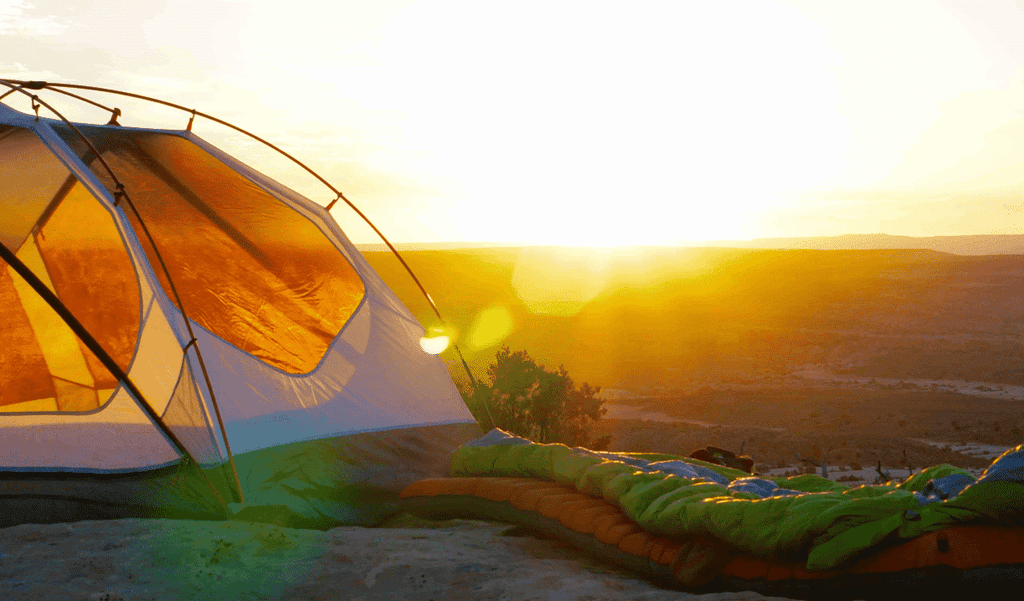
When the temperature drops and the night gets chilly, keeping your tent warm becomes more than just a comfort—it’s a necessity. You don’t want to wake up shivering or struggle to stay cozy during your outdoor adventure.
Imagine wrapping yourself in warmth, feeling safe and snug no matter how cold it gets outside. You’ll discover simple and effective ways to keep your tent warm, so your camping experience stays enjoyable from dusk till dawn. Ready to transform your cold nights into cozy memories?
Let’s dive in!
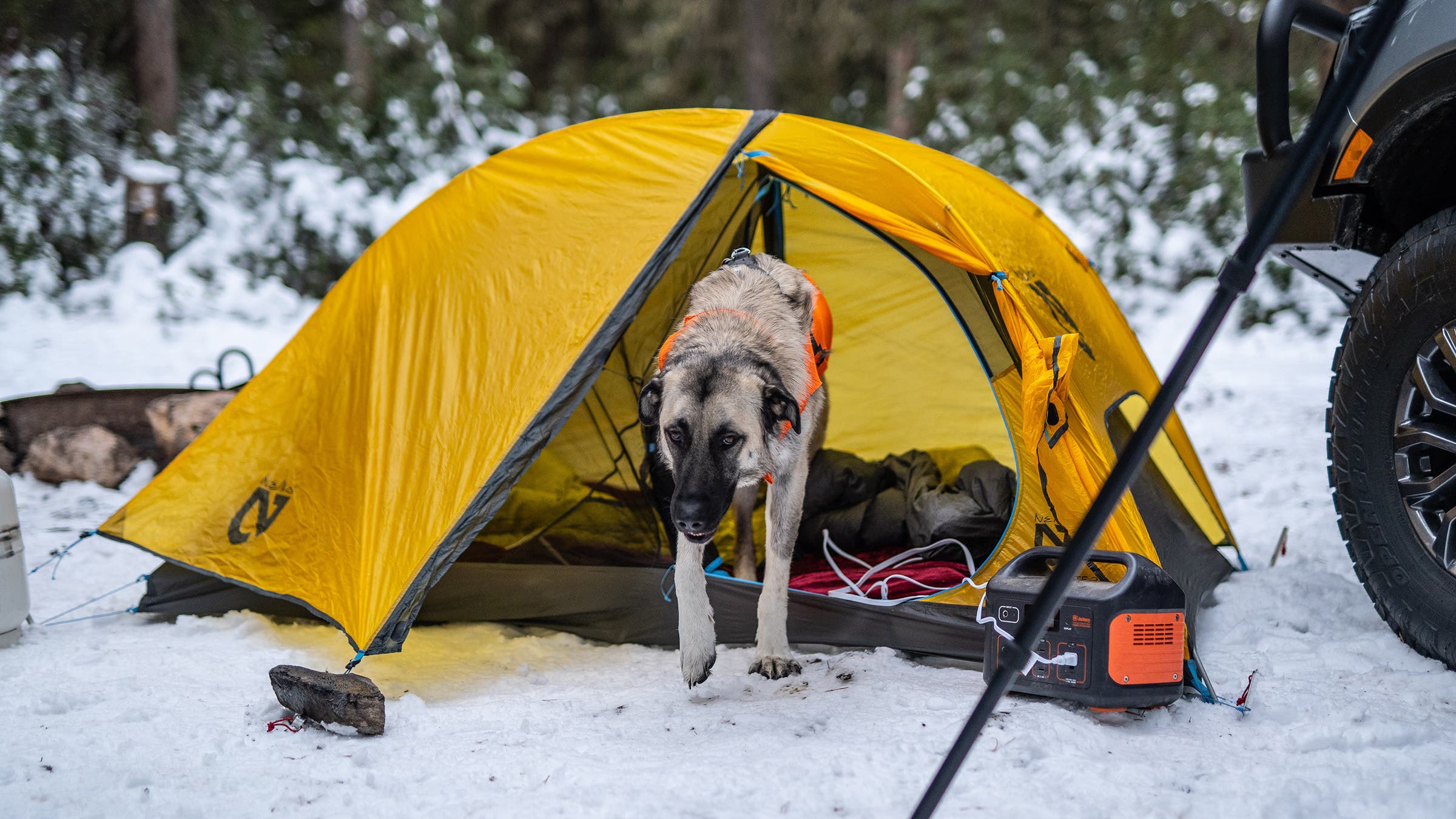
Credit: www.outsideonline.com
Choose The Right Tent
Keeping your tent warm during cold weather starts with picking the right tent. A good tent protects you from wind and cold air.
Knowing what features to look for helps you stay warm and comfortable on your trip.
Select Four-season Tents
Four-season tents are made for cold and snowy weather. They have strong poles and thick fabric to handle wind and snow.
These tents keep heat inside better than summer tents. Choose one if you expect harsh weather.
Consider Tent Size And Shape
The size and shape of your tent affect warmth. Smaller tents are easier to heat with body warmth.
- Choose a tent that fits the number of people without much extra space.
- Tents with lower profiles block wind better than tall tents.
- Tents with rounded shapes help snow slide off and reduce drafts.
Check Insulation Features
| Feature | Benefit |
| Double-wall design | Reduces condensation and adds insulation |
| Thick fabric | Keeps wind and cold out |
| Sealed seams | Prevents drafts and water leaks |
| Vestibules | Extra space to block cold air at the door |
Look for tents with these features to stay warmer inside. They help keep the cold outside and your heat inside.
Insulate Your Tent
Keeping your tent warm is important for a comfortable camping experience. Insulation can help maintain a cozy temperature inside your tent.
Here are some effective ways to insulate your tent and ensure a warm night’s sleep.
Use Ground Insulation Mats
Placing insulation mats on the ground can reduce heat loss. These mats act as a barrier between the cold ground and your tent floor.
- Choose mats with high R-value for better insulation
- Lay mats evenly across the tent floor
- Consider using multiple layers for extra warmth
Add Thermal Blankets
Thermal blankets can help reflect body heat back into the tent. They are lightweight and easy to install.
Tip: Hang thermal blankets on the tent walls for maximum heat retention.
Seal Tent Seams And Openings
Sealing seams and openings can prevent cold air from entering. This is crucial for maintaining warmth inside the tent.
| Method | Tool |
| Sealing Seams | Seam Sealer |
| Closing Openings | Weather Strips |
| Blocking Wind | Tent Skirt |
Optimize Sleeping Gear
Keeping your tent warm is easier with the right sleeping gear. Good gear traps heat and keeps cold out. It helps you sleep better on chilly nights.
Focus on your sleeping bag, sleeping pads, and clothing. These three things work together to keep your body warm inside the tent.
Pick Quality Sleeping Bags
Choose a sleeping bag made for cold weather. Look for bags with thick insulation and a snug hood. Down and synthetic fills keep warmth well. Make sure the sleeping bag fits you properly to avoid cold spots.
Layer With Sleeping Pads
Sleeping pads add a warm layer between you and the cold ground. Use more than one pad for extra insulation. The air trapped inside pads helps block cold from coming up.
- Closed-cell foam pads are lightweight and cheap
- Inflatable pads provide more comfort and insulation
- Combine foam and inflatable pads for best warmth
Wear Thermal Clothing
Wear clothes that keep your body heat close. Thermal underwear made from wool or synthetic fibers works best. Avoid cotton because it traps moisture and cools you down.
| Clothing Type | Material | Purpose |
| Base Layer | Merino Wool, Synthetic | Keep skin dry and warm |
| Mid Layer | Fleece, Wool | Trap body heat |
| Outer Layer | Waterproof Shell | Protect from wind and moisture |
Heat Sources Inside Tent
Keeping warm inside a tent is important in cold weather. Using heat sources safely helps maintain comfort. Always choose options that reduce risks.
This guide covers safe portable heaters, hot water bottles, and candle use inside your tent. Follow these tips for warmth and safety.
Use Safe Portable Heaters
Portable heaters made for indoor or tent use are best. They must have safety features like automatic shut-off. Always read the instructions carefully.
- Choose heaters with oxygen depletion sensors.
- Keep heaters away from flammable materials.
- Ventilate the tent to prevent carbon monoxide buildup.
- Never leave heaters unattended while on.
Utilize Hot Water Bottles
Hot water bottles provide steady warmth without fire risks. Fill them with hot water before sleeping. Wrap them in a cloth to avoid burns.
| Benefit | Tip |
| Safe heat source | Use insulated cover |
| Lasts for hours | Fill with very hot water |
| Easy to carry | Choose flexible rubber bottles |
Light Candles With Caution
Candles give warmth and light but can be dangerous. Use only in well-ventilated tents. Always place candles in stable holders.
- Never leave candles burning unattended.
- Keep candles away from sleeping bags and tent walls.
- Extinguish candles before sleeping.
- Have water or a fire extinguisher nearby.
Campfire And External Warmth
Keeping your tent warm during cold weather is important for comfort and safety. Using campfires and external warmth sources can help you stay cozy.
There are safe ways to use heat outside your tent. You can build a campfire, place your tent near a heat source, and use windbreaks to keep the cold away.
Build A Safe Campfire
A campfire is a great way to add warmth near your tent. Always build it in a safe spot away from dry leaves and your tent fabric.
Keep the fire small and controlled. Use stones to make a fire ring. This stops the fire from spreading and keeps it safe.
- Clear the area of leaves and sticks
- Make a stone circle to contain the fire
- Keep water or sand nearby to put out the fire
- Never leave the fire unattended
Position Tent Near Heat Source
Place your tent close to the campfire but not too close. Heat can help warm your tent walls and inside air.
Make sure sparks or flames cannot reach your tent. Keep a safe distance to avoid fire hazards and damage.
- Set tent 10 to 15 feet from the fire
- Check wind direction to avoid smoke inside
- Use heat-reflective blankets on the tent side facing fire
Use Windbreaks
Wind makes tents colder by removing warm air. Use windbreaks to block cold wind and keep heat inside your tent.
You can use natural objects or set up barriers. Windbreaks reduce heat loss and make your camp more comfortable.
- Place your tent near trees or bushes
- Build a fence with logs, rocks, or tarps
- Face the tent opening away from the wind

Credit: hot-tent.com
Ventilation Tips
Keeping your tent warm can be hard without fresh air. Good ventilation helps keep air moving inside.
Ventilation stops moisture and cold air from building up. It keeps the tent comfortable and dry.
Prevent Condensation Build-up
Condensation happens when warm air meets cold surfaces. It causes water drops inside the tent.
To stop condensation, open vents or windows. This lets moist air escape and fresh air enter.
- Use tent vents or mesh windows for airflow
- Keep wet clothes outside the tent
- Do not block ventilation openings with gear
- Set up tent where wind can flow through
Balance Warmth And Airflow
Too much airflow can make the tent cold. Too little airflow can cause dampness and stuffiness.
Find a balance by partially opening vents or windows. Adjust openings based on weather and temperature.
- Open vents slightly in cold weather to keep warm air in
- Increase ventilation if moisture forms on tent walls
- Use a small fan or portable heater safely if needed
- Check airflow regularly and adjust as needed
Additional Warmth Hacks
Keeping your tent warm is important for a comfortable camping experience. Some simple hacks can add extra warmth without much effort.
These tips focus on using materials and clothing wisely to keep the cold out and heat in.
Use Reflective Tarps
Reflective tarps can bounce heat back into your tent. Place one under your tent to reflect ground heat.
You can also hang a reflective tarp inside the tent behind your sleeping area. This helps keep your body heat inside the tent.
- Put a reflective tarp under your tent
- Hang a tarp on the tent wall facing your sleeping bag
- Use silver side facing inward to reflect heat
Wear Insulated Socks And Hats
Wearing insulated socks helps keep your feet warm. Cold feet make your whole body feel colder.
Hats keep heat from escaping your head. Use wool or fleece hats for best warmth.
- Choose wool or fleece socks for insulation
- Wear a warm hat inside the tent
- Change socks if they get wet
Keep Dry And Change Clothes
Wet clothes make you feel cold fast. Stay dry by changing out of wet clothes quickly.
Bring extra dry clothes to change into before sleeping. This helps keep your body heat inside your sleeping bag.
- Carry extra dry clothes for sleeping
- Change clothes if you get sweaty or wet
- Use moisture-wicking layers to stay dry
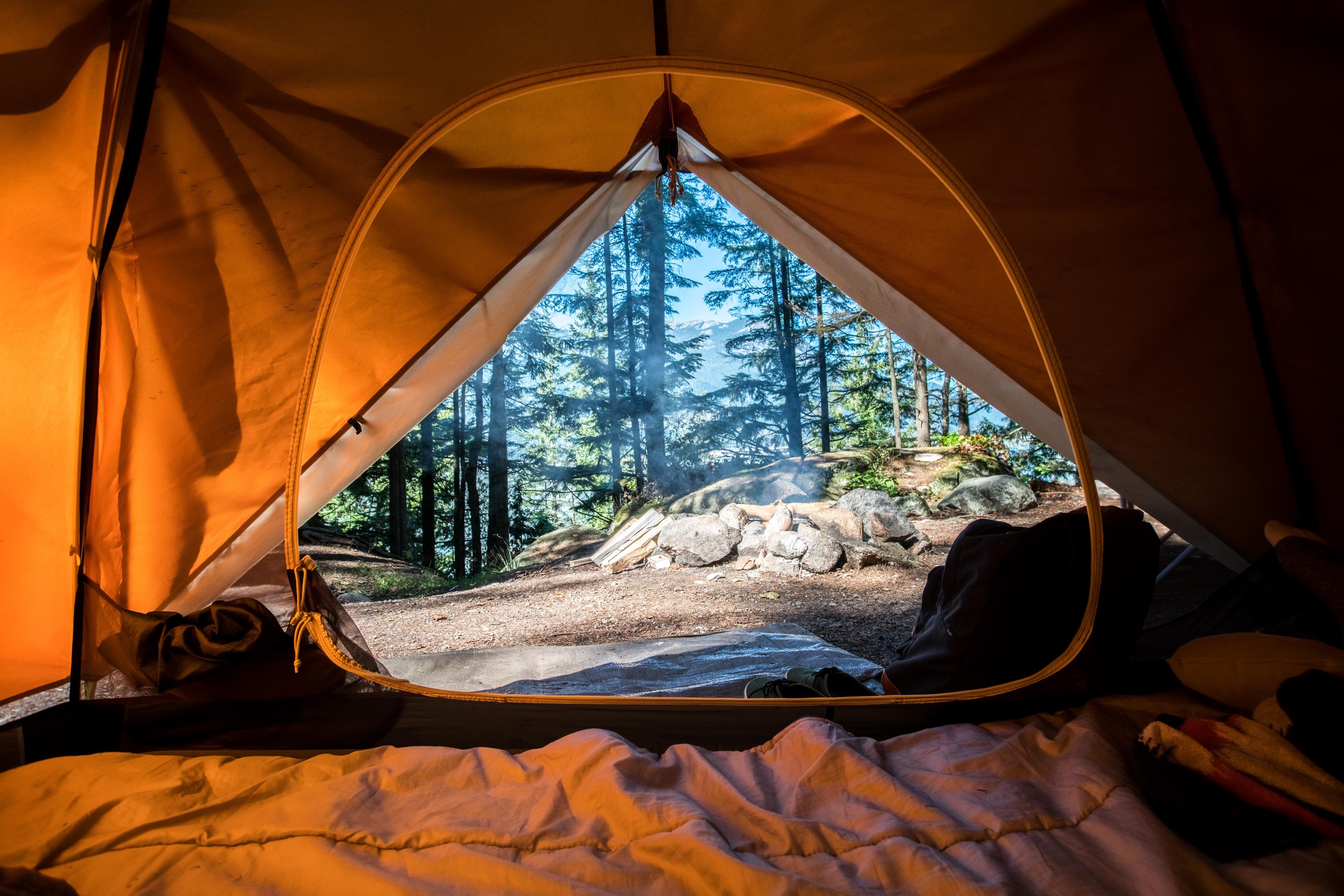
Credit: www.baysports.com.au
Frequently Asked Questions
How Can I Insulate My Tent Effectively?
Use foam pads or reflective blankets under your tent floor. Add extra layers like sleeping bags and insulated mats. Seal tent seams and windows to block cold air. These steps keep heat inside and increase warmth effectively.
What Is The Best Sleeping Bag For Cold Tents?
Choose a sleeping bag rated for temperatures below your camping conditions. Down bags offer great warmth and compressibility. Synthetic bags work well in damp climates. A mummy shape traps heat better, keeping you warm all night.
Can A Tent Heater Be Used Safely Indoors?
Yes, but only use heaters designed for tent use. Always ensure proper ventilation to prevent carbon monoxide buildup. Follow manufacturer guidelines strictly. Never leave heaters unattended to avoid fire hazards inside your tent.
How Do Body Heat And Shared Warmth Help In Tents?
Body heat significantly warms the tent interior. Sharing a tent with another person conserves heat. Use warm clothing and close proximity to maximize shared warmth. This natural heat source reduces the need for extra heating devices.
Conclusion
Keeping your tent warm takes simple steps and smart choices. Use good insulation and close all openings tightly. Layer your sleeping bag and wear warm clothes inside. Avoid moisture to stop cold air from sneaking in. A small safe heat source can help, but always be careful.
These easy tips make camping in cold weather more comfortable. Stay warm, enjoy nature, and rest well inside your cozy tent.