Are you wondering how often to water your raised garden bed to keep your plants healthy and thriving? Getting the right watering schedule can be tricky, but it makes all the difference between a lush garden and wilted leaves.
If you water too little, your plants will suffer; too much, and you risk root rot. You’ll discover simple tips and easy-to-follow guidelines to find the perfect balance. Keep reading to unlock the secrets that will help your garden flourish all season long!
Factors Affecting Watering Frequency
Watering a raised garden bed depends on several important factors. These factors influence how often you need to water your plants.
Understanding these can help keep your garden healthy and prevent overwatering or underwatering.
Soil Type And Drainage
Different soils hold water differently. Sandy soil drains quickly, so it needs more frequent watering. Clay soil holds water longer and needs less frequent watering.
| Soil Type | Water Retention | Watering Frequency |
| Sandy | Low | More often |
| Loamy | Medium | Moderate |
| Clay | High | Less often |
Plant Varieties
Different plants have different water needs. Some plants like moist soil all the time. Others prefer the soil to dry out between waterings.
- Leafy vegetables need more water.
- Succulents need less water.
- Flowers may need moderate watering.
Weather Conditions
Weather affects how quickly soil dries out. Hot, dry, and windy weather increases watering needs. Cool or rainy weather lowers watering needs.
Check the weather forecast before watering. You can save water by skipping watering after rain.
Seasonal Changes
Watering needs change with the seasons. Plants grow faster in spring and summer and need more water. In fall and winter, growth slows and watering can be reduced.
- Spring: Increase watering as plants grow.
- Summer: Water often to combat heat.
- Fall: Reduce watering gradually.
- Winter: Water only if soil is dry.

Credit: www.lifespacegardens.com
Signs Your Garden Needs Water
Water is vital for plants in a raised garden bed. Knowing when to water helps plants grow well.
Look for clear signs that your garden needs water. This keeps plants healthy and strong.
Soil Moisture Check
Check the soil before watering your garden bed. Dry soil means your plants need water soon.
Stick your finger about two inches into the soil. If it feels dry, it is time to water.
- Wet soil holds together and feels cool
- Dry soil is loose and crumbly
- Soil that sticks to your finger is moist
Plant Appearance
Plants show signs when they need water. Watch their leaves and stems closely.
Dry or dull leaves can mean your plants are thirsty. Healthy plants look bright and firm.
- Leaves lose shine and look dusty
- New growth slows down
- Stems feel weak or soft
Wilting And Leaf Color
Wilting is a clear sign plants need water fast. Leaves droop and lose their shape.
Leaf color can change when plants lack water. Yellow or brown edges often appear.
- Leaves curl or fold inward
- Yellow patches form on leaf tips
- Brown spots may show up on leaves
Best Practices For Watering
Watering a raised garden bed requires careful attention. Plants need the right amount of water to grow well.
Knowing when and how to water can make your garden thrive. Let’s explore some best practices.
Early Morning Watering
Water your garden in the early morning. This helps the plants absorb moisture before the sun gets too hot.
Morning watering reduces evaporation. It also prevents fungal diseases that develop in damp conditions.
Watering Techniques
Use a watering can or a drip system. These methods deliver water directly to the roots.
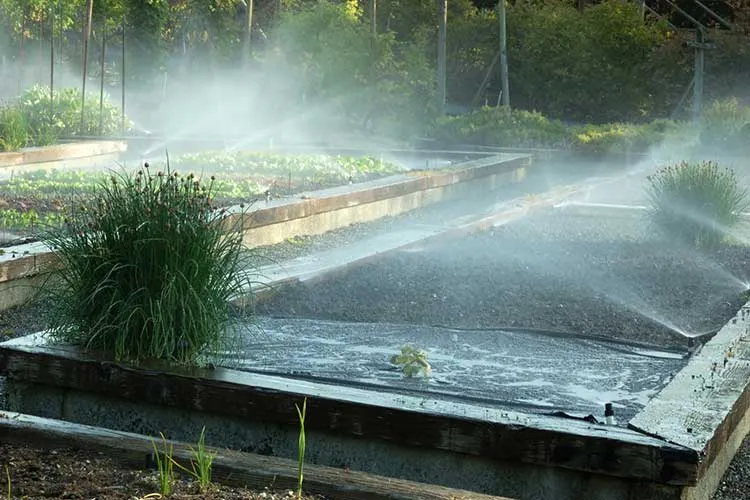
Avoid overhead sprinklers. They can cause water to evaporate before reaching the soil.
- Water slowly to let it soak in
- Focus on the base of the plants
- Check soil moisture regularly
Avoiding Overwatering
Overwatering can harm your plants. It can lead to root rot and other issues.
Make sure the soil drains well. This prevents water from sitting around the roots.
- Check for puddles after watering
- Let the top soil dry out between waterings
- Use mulch to retain moisture
Credit: www.farmfreshchoice.com
Tools To Help Monitor Moisture
Keeping the right moisture level in your raised garden bed is key for healthy plants. You can use tools that make it easier to check the soil water.
These tools help you water only when needed. This saves water and keeps plants happy.
Soil Moisture Meters
Soil moisture meters are simple devices that measure how wet the soil is. You put the probe into the soil and get a reading. This tells you if your plants need water.
- Easy to use and affordable
- Provide quick moisture readings
- Help avoid overwatering or underwatering
- Works well for small garden beds
Smart Irrigation Systems
Smart irrigation systems use sensors and timers to water plants automatically. They check soil moisture and weather conditions to water at the right time.
| Feature | Benefit |
| Soil moisture sensors | Detect soil dryness accurately |
| Weather integration | Adjust watering based on rain or sun |
| Automated scheduling | Water plants without manual effort |
| Mobile app control | Monitor and change settings remotely |
Adjusting Watering In Different Seasons
Watering a raised garden bed changes with the seasons. Plants need different water amounts in summer, winter, and rainy times.
Knowing how often to water helps keep plants healthy and saves water. Let’s look at tips for each season.
Summer Tips
Summer heat makes soil dry fast. Water your raised bed more often to keep plants alive and growing.
Early morning or late evening watering reduces water loss from evaporation. Check soil moisture daily in hot weather.
- Water deeply at least 3 times a week
- Use mulch to keep soil moist longer
- Water in the cool parts of the day
- Check soil before watering to avoid overwatering
Winter Considerations
Plants need less water in winter because the soil stays moist longer. Water less often but check for dryness.
Water only when the top inch of soil feels dry. Avoid watering if the ground is frozen or very cold.
- Water once every 1-2 weeks
- Reduce watering if there is snow or frost
- Use mulch to protect roots from cold
- Check soil moisture before watering
Rainy Season Adjustments
Rain provides natural watering during the rainy season. You may need to water less or stop watering completely.
Watch for signs of too much water, like soggy soil or plant yellowing. Good drainage helps prevent water problems.
- Skip watering during heavy rain
- Check soil drainage to avoid waterlogging
- Water only if soil is dry between rains
- Use raised beds to improve drainage

Credit: www.rasnetwork.org
Benefits Of Proper Watering
Watering raised garden beds correctly helps plants grow strong. It keeps the soil healthy and supports plant life.
Giving your garden the right amount of water saves resources and improves plant health. Let’s look at the key benefits.
Healthier Plants
Proper watering keeps plants from getting too dry or too wet. This helps their roots grow deep and strong.
Healthy roots absorb nutrients better. This makes plants less likely to get sick or wilt.
Improved Yield
Watering at the right times helps plants produce more fruits and vegetables. It supports steady growth throughout the season.
Consistent moisture levels mean plants can focus energy on making food instead of fighting stress.
- Better flower and fruit development
- Stronger stems and leaves
- Longer harvest periods
Water Conservation
Watering raised beds properly reduces water waste. It helps water go directly to the plants’ roots.
Using the right watering schedule saves water and lowers your gardening costs.
- Less runoff and evaporation
- More water absorbed by soil
- Less frequent watering needed
Frequently Asked Questions
How Often Should I Water A Raised Garden Bed?
Water raised garden beds about 2-3 times per week. Adjust frequency based on weather, soil type, and plant needs. Check soil moisture regularly to avoid over or underwatering. Proper watering keeps plants healthy and thriving.
What Time Of Day Is Best To Water Raised Beds?
Water early in the morning for best results. Morning watering reduces evaporation and allows plants to absorb moisture. It also helps prevent fungal diseases by drying leaves during the day. Avoid watering at night to keep plants healthy.
How Do I Know If My Raised Bed Needs Watering?
Check soil moisture by sticking your finger 1-2 inches deep. If soil feels dry, it’s time to water. Wilting or drooping plants also indicate water needs. Consistent monitoring ensures plants get the right amount of water.
Does Raised Bed Soil Dry Out Faster Than Ground Soil?
Yes, raised bed soil dries out faster due to better drainage and exposure. Elevated beds warm up quicker, causing moisture loss. This means you may need to water more often than traditional garden beds.
Conclusion
Watering raised garden beds needs attention and care. Check soil moisture often to avoid overwatering or drought. Plants like consistent water but not soggy roots. Early morning watering helps plants absorb water well. Adjust watering based on weather and plant type.
Good watering keeps your garden healthy and growing strong. Remember, each garden is different, so watch your plants closely. This simple habit makes your raised bed thrive all season.