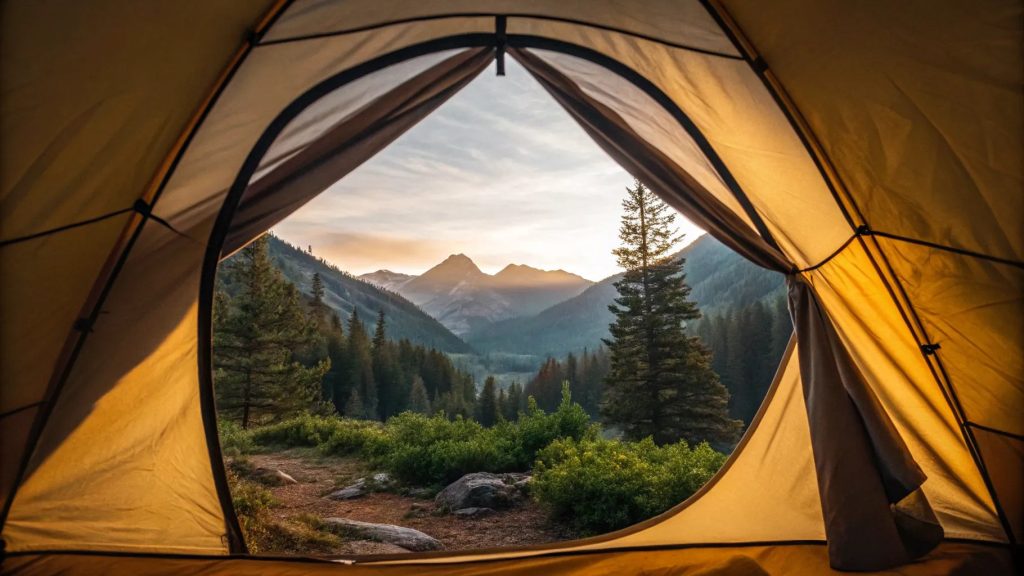
When the temperature drops, staying warm inside your tent can feel like a real challenge. You want to enjoy the outdoors without shivering all night.
Imagine waking up cozy, comfortable, and ready for a great day—no matter how cold it gets outside. This guide will show you simple and effective ways to keep your tent warm, so you can focus on the adventure ahead instead of the chill.
Ready to transform your camping experience? Let’s dive in.
Choose The Right Tent
Keeping your tent warm starts with choosing the right one. Different tents offer various levels of insulation and features. Picking the right tent helps you stay comfortable in cold weather.
Some tents are built to keep heat inside better than others. Knowing what to look for will improve your camping experience in low temperatures.
Insulated Vs. Standard Tents
Insulated tents have extra layers or materials that slow heat loss. Standard tents often use thinner fabric and less insulation. Insulated tents keep warmth inside longer during cold nights.
- Insulated tents use thicker walls or built-in liners.
- Standard tents have lighter fabric and fewer layers.
- Insulated tents are better for winter camping.
- Standard tents work well in mild weather.
Tent Size And Heat Retention
The size of your tent affects how well it holds heat. Smaller tents are easier to warm up with body heat and small heaters. Larger tents lose heat faster because of more air inside.
| Size | Heat Retention | Ideal Use |
|---|---|---|
| Small (1-2 people) | High | Winter camping |
| Medium (3-4 people) | Moderate | Cool weather |
| Large (5+ people) | Low | Summer or mild weather |
Weatherproof Features
Look for tents with weatherproof features to keep warmth inside. Windproof and waterproof materials stop cold air and moisture from entering. Sealed seams and sturdy zippers also help keep heat in.
- Waterproof rainfly protects against rain and snow.
- Windproof fabric blocks cold wind.
- Sealed seams prevent drafts.
- Strong zippers keep the tent closed tightly.
Select Proper Camping Gear
Keeping your tent warm depends a lot on the gear you bring. The right items can help you stay cozy all night.
Choose gear that traps heat and blocks cold air. This makes your camping experience more comfortable.
Warm Sleeping Bags
Pick a sleeping bag rated for temperatures lower than you expect. Look for bags with good insulation and a snug fit to keep heat inside.
Insulating Sleeping Pads
Sleeping pads stop cold from the ground. They add a layer of warmth under your sleeping bag.
- Choose pads with foam or air insulation
- Look for high R-value for better warmth
- Pick a pad that fits your sleeping area size
- Use multiple pads for extra insulation if needed
Thermal Blankets And Liners
Thermal blankets and liners add heat inside your sleeping bag. They are lightweight and easy to carry.
| Type | Use | Benefit |
| Thermal Blanket | Wrap around or under sleeping bag | Reflects body heat |
| Sleeping Bag Liner | Insert inside sleeping bag | Adds extra warmth |
| Emergency Blanket | Use in emergencies or extra layer | Blocks wind and retains heat |
Optimize Tent Setup
Keeping your tent warm during cold nights is important for comfort. A well-optimized tent setup can help retain heat and keep you cozy.
Here are some simple tips to ensure your tent stays warm while camping in cooler weather.
Find A Sheltered Location
Choose a spot that is protected from strong winds. This helps prevent cold air from entering your tent.
Look for natural barriers like trees or rocks. These can act as windbreaks and provide additional warmth.
- Avoid open fields
- Stay away from hilltops
- Seek lower ground for less wind
Use Ground Tarps
Place a tarp underneath your tent. This creates an extra layer of insulation from the cold ground.
The tarp acts as a barrier to moisture and cold air. It also helps keep the bottom of your tent dry.
- Use a heavy-duty tarp for better insulation
- Ensure tarp edges do not stick out
- Secure tarp corners with rocks or stakes
Seal Tent Flaps And Vents
Close all tent flaps and vents tightly at night. This will keep warm air inside and block cold drafts.
Check for any gaps where heat can escape. Use fabric or tape to cover small openings.
- Zip up doors and windows fully
- Use duct tape for temporary fixes
- Ensure zippers are not stuck

Credit: www.andreaference.com
Use Heat Sources Safely
Keeping your tent warm is important for comfort and safety. Using heat sources inside a tent can be risky without care.
Always follow safety rules to avoid fires and carbon monoxide poisoning. Use heat sources wisely to stay warm.
Portable Tent Heaters
Portable heaters are great for warming a tent quickly. Choose heaters made for indoor or tent use only.
Keep heaters away from tent walls and sleeping areas. Never leave them on when you sleep or leave the tent.
- Use battery or propane heaters made for tents
- Keep good ventilation to avoid gas build-up
- Place heaters on a stable, flat surface
- Turn off heaters before sleeping or leaving
Hot Water Bottles
Hot water bottles provide gentle warmth without fire risks. Fill them with hot water before bedtime.
Wrap the bottle in a cloth to avoid burns. Place it inside your sleeping bag for lasting heat.
- Use sturdy bottles with secure lids
- Check for leaks before use
- Keep away from children while hot
- Refill as needed for warmth all night
Campfire Warmth Strategies
A campfire near your tent can add warmth outside. Keep the fire at a safe distance to avoid accidents.
Use stones to reflect heat toward your tent. Always fully put out the fire before sleeping or leaving.
- Build fire at least 10 feet from the tent
- Clear area of dry leaves and grass
- Use large stones to reflect heat
- Keep water or sand nearby to extinguish fire
- Never leave the fire unattended
Add Insulation Inside Tent
Keeping your tent warm can make your camping trip more comfortable. Adding insulation inside the tent helps keep the cold out.
There are simple ways to add insulation using items you can bring or find. These tips help trap heat and block cold air.
Hang Blankets Or Reflective Foil
Hanging blankets or reflective foil inside the tent walls adds a layer of insulation. These materials keep warm air inside and stop cold air from coming in.
Reflective foil reflects your body heat back to you. Blankets trap warm air close to the tent walls, creating a cozy space.
- Use thick blankets or emergency foil sheets
- Hang them on the tent walls or ceiling
- Secure with clips or tape to avoid slipping
Use Rugs Or Foam Mats
Cover the tent floor with rugs or foam mats to add insulation. This stops cold from the ground from reaching you.
Thicker mats and rugs work best. They create a warm layer between your sleeping bag and the cold earth.
- Lay rugs or mats over the tent floor before setting up your sleeping area
- Choose foam mats with closed cells for better insulation
- Use multiple layers if needed for extra warmth
Create Windbreaks
Wind can cool your tent quickly. Build windbreaks around your tent to block cold gusts.
Use natural features or camping gear to stop wind from hitting the tent directly. This helps keep the inside warmer.
- Set up your tent near trees or bushes
- Use tarps or extra tent walls as wind barriers
- Place rocks or logs around the tent base to block drafts
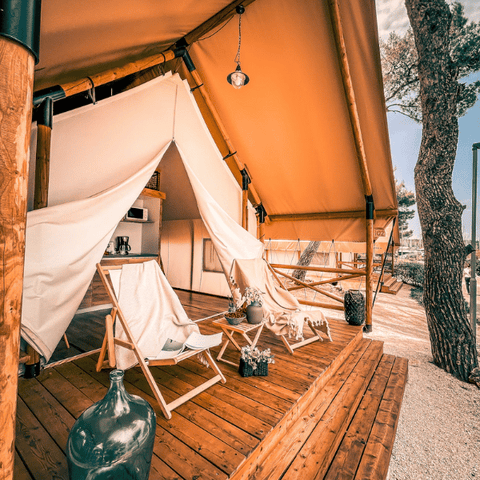
Credit: www.lifeintents.com
Dress For Warmth
Keeping warm inside your tent starts with what you wear. Choosing the right clothes helps hold in your body heat.
Wearing proper clothing layers and fabrics keeps you comfortable all night long.
Layering Clothing
Wear several layers to trap heat and stay warm. You can add or remove layers to control your temperature.
- Base layer: Close to skin for warmth and moisture control
- Middle layer: Insulates and retains heat
- Outer layer: Protects from wind and rain
Moisture-wicking Fabrics
Pick clothes made from moisture-wicking fabrics. These keep sweat away from your skin and prevent chills.
| Fabric Type | Benefits |
| Polyester | Dries quickly and keeps skin dry |
| Merino Wool | Warm and controls odor |
| Nylon | Strong and moisture resistant |
Warm Accessories
Accessories help keep your extremities warm and protect against heat loss.
- Wear a hat or beanie to keep head warm.
- Use gloves to protect your hands from cold.
- Wear thick socks to keep feet cozy.
- Consider a neck gaiter or scarf for added warmth.
Maintain Ventilation
Keeping your tent warm requires good ventilation. Airflow helps control moisture inside the tent.
Without ventilation, condensation builds up and makes the tent cold and damp. Let’s look at ways to keep air moving while staying warm.
Prevent Condensation
Condensation happens when warm air meets cold surfaces. It causes water droplets to form inside the tent.
- Open tent vents or windows slightly to allow moist air to escape.
- Keep wet clothes and gear outside the sleeping area.
- Use a ground tarp to reduce moisture coming from the ground.
- Cook outside the tent to avoid adding humidity inside.
Balance Warmth And Airflow
Good airflow keeps you warm by reducing dampness. But too much air can make you cold.
| Tip | How it Helps |
| Open vents partially | Keeps air moving without letting in cold drafts |
| Use a tent fan | Circulates air evenly to prevent cold spots |
| Choose breathable tent fabrics | Allows moisture out while keeping warmth in |
| Wear moisture-wicking clothes | Keeps skin dry and comfortable |
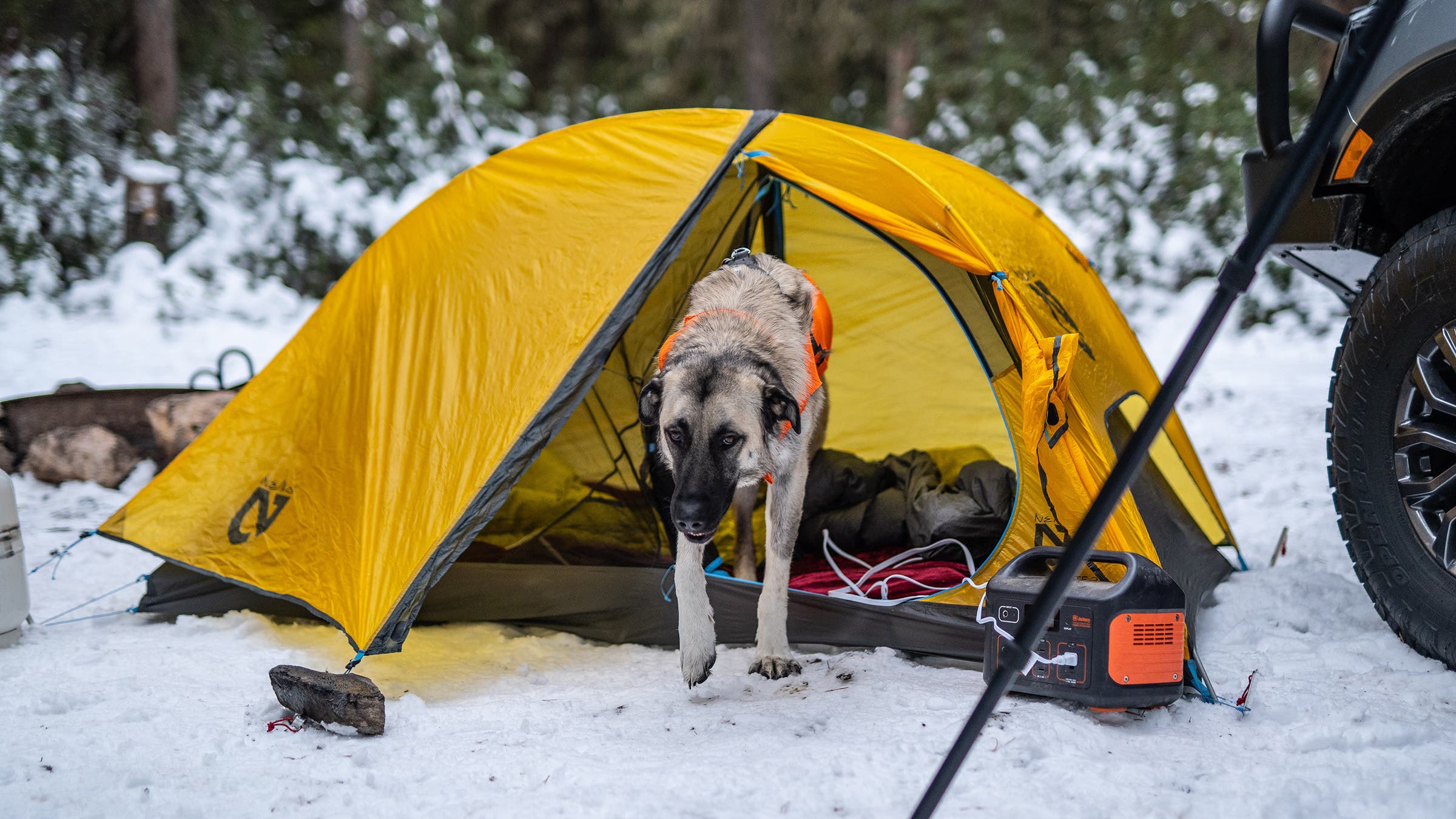
Credit: www.outsideonline.com
Frequently Asked Questions
How Can I Insulate My Tent Effectively?
Use a high-quality sleeping pad and an insulated groundsheet. Adding a thermal blanket inside reflects heat. Seal all tent openings to keep cold air out and warm air in.
What Type Of Sleeping Bag Is Best For Cold Weather?
Choose a sleeping bag rated for temperatures below freezing. Down-filled bags offer excellent warmth and compressibility. Ensure the bag fits well to trap body heat efficiently.
Can A Tent Heater Be Used Safely Indoors?
Yes, but only use heaters designed for indoor tent use. Always ensure proper ventilation to avoid carbon monoxide buildup. Follow manufacturer instructions strictly for safe operation.
How Do I Retain Body Heat Inside A Tent?
Wear insulated clothing and use a hot water bottle. Keep dry to prevent heat loss. Close all tent flaps and avoid unnecessary ventilation during cold nights.
Conclusion
Keeping your tent warm takes simple steps and smart choices. Use good insulation and block wind well. Wear warm clothes and use a suitable sleeping bag. Avoid moisture inside your tent to stay dry. Small heaters or hot water bottles can add warmth.
Prepare before cold nights come. Enjoy your camping with comfort and warmth. Stay safe and cozy every time you camp.