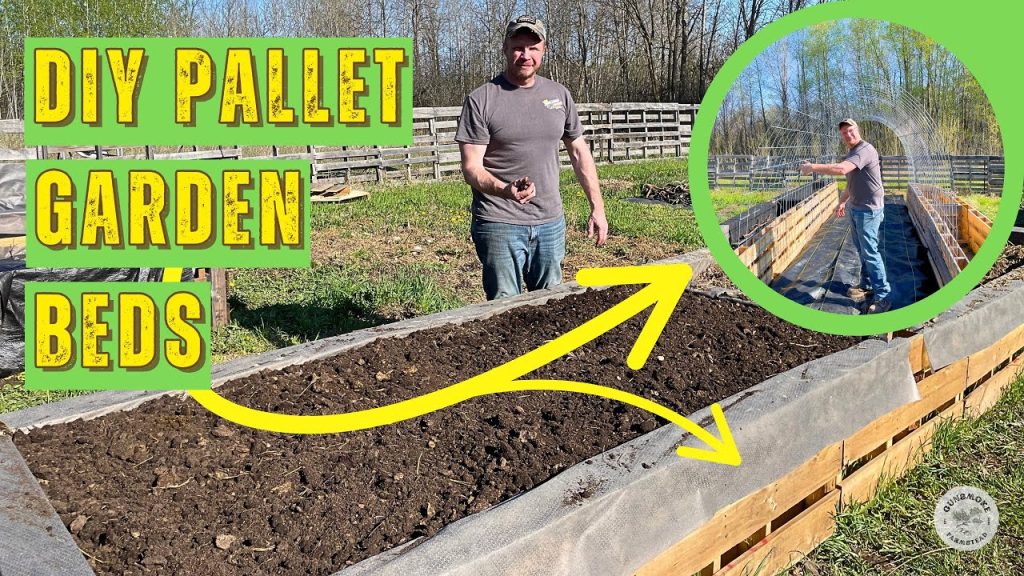
Are you ready to transform your garden space without spending a fortune? Building a raised garden bed with pallets is an easy and affordable way to grow your favorite plants, vegetables, or flowers.
Imagine having a neat, organized garden where your plants thrive, and you get to enjoy fresh, homegrown produce right outside your door. In this guide, you’ll discover simple steps to turn ordinary pallets into a sturdy, beautiful garden bed. Keep reading, and you’ll soon have everything you need to start your own raised garden bed and watch your garden grow like never before!
Choosing Pallets For Your Garden Bed
Raised garden beds made from pallets are easy and affordable. Choosing the right pallets is important for a safe and sturdy garden bed.
This guide covers types of pallets to use, how to check their safety, and what tools you need to start.
Types Of Pallets To Use
Not all pallets work well for garden beds. Some are strong and safe, others are not. Look for these common types:
- Wooden pallets:These are the most common and best for garden beds.
- Heat-treated pallets (HT):Marked with HT, they are safe and free from chemicals.
- Plastic pallets:Durable but less common for garden beds.
- Metal pallets:Rare and heavy; not usually used for gardening.
Checking Pallet Safety
Safety matters because some pallets carry chemicals or bacteria. Follow these tips to check pallet safety:
| Marking | Meaning | Safe for Garden? |
|---|---|---|
| HT | Heat Treated (no chemicals) | Yes |
| MB | Methyl Bromide (chemical fumigant) | No |
| DB | Dried Board (air dried) | Usually yes |
| Unmarked | No treatment info | Use caution |
Also, avoid pallets with stains, strong smells, or signs of mold. These may harm your plants.
Gathering Tools And Materials
You need a few tools and materials to build your raised garden bed from pallets. Prepare these items:
- Several safe wooden pallets
- Hammer or pry bar to take pallets apart
- Saw to cut wood if needed
- Measuring tape
- Drill with screws for assembly
- Sandpaper to smooth rough edges
- Wood sealant or paint (optional)
Preparing Pallets For Assembly
Making a raised garden bed with pallets starts with preparing the wood. Pallets need cleaning, sanding, and cutting before use. This ensures your garden bed is safe and sturdy.
Proper preparation helps the pallets last longer and keeps your plants healthy. Follow these steps to get your pallets ready for assembly.
Cleaning And Sanding
First, clean the pallets thoroughly to remove dirt and debris. Use a brush or a hose to wash the wood. Allow the pallets to dry completely before sanding.
- Brush off loose dirt and dust
- Use mild soap and water for washing
- Rinse pallets well with clean water
- Let pallets dry in the sun for 1-2 days
- Sand rough edges and splinters with medium grit sandpaper
Disassembling Pallets
Disassemble pallets carefully if you want separate boards for your garden bed. This makes it easier to build and customize the size.
- Use a crowbar or hammer to pry apart the boards
- Work slowly to avoid breaking the wood
- Remove all nails and staples from the boards
- Sort boards by length and quality
- Keep any broken pieces for smaller supports or compost
Cutting Pallets To Size
Cut the pallet boards to the size needed for your garden bed frame. Measure carefully and use the right tools for clean cuts.
| Tool | Use | Safety Tip |
|---|---|---|
| Hand saw | Simple straight cuts | Cut slowly and wear gloves |
| Circular saw | Fast and precise cuts | Wear eye protection and ear plugs |
| Jigsaw | Cut curves or angles | Secure wood firmly before cutting |
Building The Raised Garden Bed Frame
Creating a raised garden bed with pallets is a fun project. It helps you grow plants in a neat and organized way.
This guide shows how to build the frame using pallet wood. Follow the steps to create a sturdy base for your plants.
Designing The Layout
Decide where you want your garden bed. Choose a spot with good sunlight and access to water.
Measure the area to ensure it fits your space. Plan the shape and size of the bed before cutting the pallets.
- Measure twice to avoid mistakes
- Mark the ground with stakes or chalk
- Ensure the area is level
Joining Pallet Pieces
Take apart the pallets carefully. Use a crowbar or hammer to remove nails without damaging the wood.
Align the pallet pieces to form the frame. Make sure the corners are square and secure them together.
- Use screws or nails for stronger joints
- Check alignment with a carpenter’s square
- Sand rough edges to prevent splinters
Reinforcing The Structure
Reinforce the frame to ensure stability. Add extra wood at the corners and along the sides if needed.
This helps the bed hold soil and plants securely. A strong structure will last longer and support plant growth.
| Use metal brackets | For extra strength |
| Check for wobbling | Adjust as necessary |
| Apply wood sealer | Protects against moisture |
Credit: www.littlewoollylamb.com
Installing The Raised Bed
Installing a raised garden bed made from pallets is a simple process. It helps you grow plants better by giving them good soil and space.
This guide will explain how to pick a good spot, level the ground, and secure the bed in place for a strong garden.
Choosing The Location
Pick a location that gets plenty of sunlight. Most plants need six to eight hours of sun daily. Avoid shady spots near trees or buildings.
- Look for flat ground to make setup easier.
- Check for easy access to water.
- Choose a place with good air flow to prevent mold.
- Avoid areas with strong wind that can harm plants.
Leveling The Ground
Level ground helps your raised bed sit evenly. This stops water from pooling on one side. Use a shovel or rake to clear the area.
| Tool | Purpose |
| Shovel | Remove grass and debris |
| Rake | Even out the soil surface |
| Level | Check the flatness of the ground |
| Hammer | Secure bed if needed |
Securing The Bed In Place
Secure the pallet bed so it does not move. Use stakes or screws to hold it firmly. This keeps soil and plants safe during weather changes.
- Place wooden or metal stakes at each corner.
- Drive stakes into the ground next to the bed.
- Attach the bed to stakes with screws or nails.
- Check stability by gently pushing the bed.
Preparing The Soil And Planting
Making a raised garden bed with pallets is a great way to grow plants. Preparing the soil and planting properly helps your garden succeed.
This guide covers adding soil and compost, choosing plants, and tips for planting and care.
Adding Soil And Compost
Good soil is the base for healthy plants. Use a mix of garden soil and compost for nutrients.
Compost improves soil texture and helps plants grow strong. Fill the raised bed about three-quarters full with soil and compost.
- Use well-drained garden soil
- Add organic compost for nutrients
- Mix soil and compost evenly
- Leave some space at the top for watering
Selecting Plants For Raised Beds
Pick plants that do well in raised beds. Many vegetables and flowers grow better with good soil and drainage.
Choose plants based on the season and how much sunlight your garden gets.
- Leafy greens like lettuce and spinach
- Root vegetables like carrots and radishes
- Herbs such as basil and parsley
- Flowers like marigolds and petunias
Planting Tips And Care
Plant seeds or seedlings with enough space to grow. Water gently after planting to settle the soil.
Keep the soil moist but not too wet. Remove weeds to help plants get enough nutrients.
- Follow spacing instructions on seed packets
- Water plants early in the morning
- Check soil moisture daily
- Use mulch to keep soil moist and cool
- Remove weeds regularly

Credit: localgardener.net
Maintaining Your Pallet Garden Bed
Keeping your pallet garden bed in good shape helps plants grow well. Regular care stops problems early.
Simple steps can keep your garden bed strong and healthy for many seasons.
Watering And Fertilizing
Water your garden bed deeply but not too often. This helps roots grow strong.
Use natural fertilizers to give plants needed nutrients. Avoid over-fertilizing to protect the soil.
- Water in the early morning or late evening
- Check soil moisture before watering
- Add compost or organic fertilizer monthly
- Use mulch to keep soil moist
Preventing Pest Issues
Watch your plants for signs of pests like holes or spots. Early action stops damage.
Use natural ways to keep pests away. Avoid strong chemicals that can harm plants.
- Plant herbs like basil or mint to repel insects
- Handpick bugs when you see them
- Use insecticidal soap made for gardens
- Keep the garden bed clean from old leaves
Extending Pallet Life
Keep the wood pallets dry to stop rot. Good care makes them last longer.
Apply a safe wood sealant to protect the pallets from weather damage.
- Place the bed on stones or bricks to raise it off wet ground
- Cover the wood with a natural sealant every year
- Fix loose boards quickly to avoid more damage
- Store unused pallets in a dry place

Credit: www.makergardener.com
Frequently Asked Questions
What Are The Best Pallets For Raised Garden Beds?
Choose heat-treated, chemical-free pallets to ensure safety. Avoid pallets stamped with “MB” as they contain harmful chemicals. Look for pallets made from hardwood for durability and easy handling in your raised garden bed project.
How Do You Prepare Pallets For Gardening Use?
Remove all nails and sand rough edges carefully. Clean pallets with a mild bleach solution to kill pests. Let them dry completely before assembling your raised garden bed to prevent mold and rot.
How Long Does A Pallet Garden Bed Last?
A well-maintained pallet garden bed lasts 3 to 5 years. Protect it by sealing the wood and avoiding constant moisture exposure. Regularly check for damage and replace parts if needed for extended durability.
Can Pallets Be Used For Any Garden Size?
Yes, pallets are versatile and can be adjusted to fit various garden sizes. You can stack or join multiple pallets for larger beds. Their modular nature makes them ideal for small or large raised garden beds.
Conclusion
Building a raised garden bed with pallets saves money and uses recycled wood. It creates a neat, organized space for your plants to grow. You control the soil and drainage, helping your garden thrive. Pallets are easy to find and simple to work with.
Start small and enjoy watching your garden grow step by step. This project suits beginners and experienced gardeners alike. Try it yourself and see the difference in your garden’s health and beauty. Gardening can be fun and rewarding with a little effort.