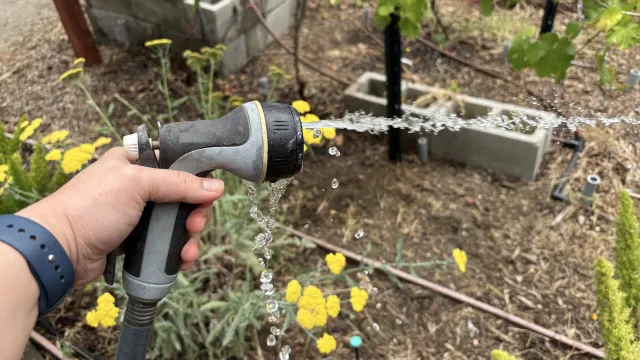
Is your garden hose spray nozzle acting up right when you need it most? A faulty nozzle can turn watering your plants or washing your car into a frustrating chore.
But don’t worry—you don’t have to buy a new one or call a professional just yet. You’ll discover simple, step-by-step fixes that anyone can do. By the end, your spray nozzle will work like new, saving you time, money, and hassle.
Ready to get your garden hose back in perfect shape? Let’s dive in.

Credit: ucanr.edu
Common Spray Nozzle Issues
Garden hose spray nozzles often face problems that stop them from working well. Knowing common issues helps you fix them quickly.
This guide explains four frequent problems and how to recognize them.
Clogged Nozzle Holes
Dirt and minerals can block the holes in the nozzle. This stops water from flowing properly or changes the spray pattern.
Cleaning the nozzle holes often solves this problem. Use a pin or needle to clear each hole gently.
Leaking Connections
Leaks happen where the nozzle connects to the hose. Water can drip or spray out from these spots.
Check the connection for cracks or worn threads. Tightening or replacing washers can stop leaks.
- Turn off water before fixing leaks
- Remove the nozzle to inspect the washer
- Replace washer if it looks cracked or flat
- Use plumber’s tape on threads for a tight seal
Broken Trigger Mechanism
The trigger controls water flow. If it breaks or sticks, water may not spray or shut off correctly.
Look for broken parts or dirt that blocks movement. Clean or replace the trigger to fix the issue.
Worn Out Seals
Seals inside the nozzle wear down over time. This can cause leaks and reduce water pressure.
Replace seals with new ones made for your nozzle model. This restores proper sealing and water flow.
Credit: www.youtube.com
Tools And Materials Needed
Fixing a garden hose spray nozzle requires some basic tools and materials. Getting these ready before you start makes the job easier and faster.
Having the right parts and cleaning supplies will help you repair the nozzle properly. This guide lists everything you need.
Basic Repair Tools
You need a few simple tools to take apart and fix the spray nozzle. Most are common household tools.
- Adjustable wrench to loosen or tighten fittings
- Screwdrivers (flathead and Phillips) for screws
- Pliers to grip small parts
- Utility knife to cut damaged hoses or seals
- Small brush for cleaning parts
Replacement Parts
Sometimes parts inside the nozzle wear out or break. Having replacements ready helps you fix the problem quickly.
- O-rings and washers to stop leaks
- Nozzle tips or spray heads for different spray patterns
- Valve seats that control water flow
- Springs used inside the trigger or valve
- Hose connectors or couplings if damaged
Cleaning Supplies
Cleaning the parts can fix many nozzle problems. Dirt and debris often block water flow or cause leaks.
- White vinegar to dissolve mineral buildup
- Soft cloth or rag for wiping parts
- Small brush or old toothbrush for scrubbing
- Compressed air or a pipe cleaner to clear holes
- Bucket or container to soak parts
Step-by-step Cleaning Process
Cleaning your garden hose spray nozzle is important for maintaining water flow. A clean nozzle ensures your plants receive the right amount of water.
Follow these simple steps to keep your spray nozzle in top condition. This guide will help you fix blockages and improve water pressure.
Detach The Nozzle
First, turn off the water supply to avoid spills. Then, carefully unscrew the nozzle from the hose.
Soak And Scrub
Fill a bucket with warm soapy water. Place the nozzle in the water and let it soak for a few minutes.
- Use a brush to scrub the nozzle.
- Focus on removing dirt and grime.
- Rinse with clean water.
Clear Blockages
Check the nozzle holes for any blockages. Use a pin or needle to clear out any debris.
| Tool | Purpose |
| Pin | Remove debris |
| Needle | Clear blockages |
| Brush | Scrub surface |
Dry And Reassemble
Once clean, dry the nozzle with a towel. Ensure all parts are completely dry to prevent rust.
- Reattach the nozzle to the hose.
- Turn on the water supply to test.
- Check for leaks and ensure proper function.
Fixing Leaks And Loose Fittings
Garden hose spray nozzles often leak or feel loose at the connection points. These issues reduce water pressure and waste water. Fixing leaks and loose fittings helps the nozzle work properly again.
Simple tools and materials can solve most problems. Check the nozzle, hose, and connectors carefully before starting repairs.
Tightening Connections
Loose connections cause leaks around the hose or nozzle. Use a wrench or pliers to tighten the fittings by turning them clockwise. Do not overtighten, or you may damage the threads.
- Turn off water supply before fixing.
- Grip the connector firmly with a wrench.
- Turn clockwise until snug but not too tight.
- Check for leaks by turning the water back on.
Replacing Washers
Washers inside the nozzle or hose fittings wear out over time. Old washers cause water to leak at the connection points. Replacing washers is an easy way to stop leaks.
| Washer Type | Material | Use |
| Flat Washer | Rubber | Standard hose fittings |
| O-Ring | Silicone | Nozzle seals |
| Fiber Washer | Fiber | High-pressure areas |
Remove the nozzle and take out the old washer. Fit a new washer of the same size and material. Reassemble and test for leaks.
Using Thread Seal Tape
Thread seal tape, also called plumber’s tape, helps seal threaded connections. It stops leaks by filling gaps between threads on fittings.
To apply thread seal tape:
- Clean the threads on the hose and nozzle.
- Wrap the tape clockwise around the threads 3 to 5 times.
- Press the tape into the threads gently.
- Screw the nozzle back on and tighten by hand.
- Use a wrench for a snug fit if needed.
Repairing The Trigger And Valve
Garden hose spray nozzles can stop working properly over time. The trigger and valve are common parts that may need fixing. Repairing these parts can restore your nozzle’s spray function.
This guide shows how to inspect, lubricate, and replace parts to fix your nozzle. Follow these steps to keep your hose working well.
Inspecting The Trigger
Check the trigger for cracks or breaks. Make sure it moves smoothly when pressed and released. Dirt or debris can stop it from working right.
Look inside the trigger mechanism to find worn parts. If the trigger feels loose or stuck, it may need cleaning or replacing.
Lubricating Moving Parts
Apply a small amount of silicone spray or light oil to the trigger and valve parts. This helps them move smoothly and prevents rust.
Do not use heavy grease. It can attract dirt and cause more problems. Lubricate regularly for best results.
- Remove the nozzle head if possible
- Spray lubricant on trigger joints and valve stem
- Press the trigger several times to spread lubricant
- Wipe off extra oil to avoid dirt buildup
Replacing Damaged Components
If parts are cracked, broken, or worn out, replace them. Most nozzles have small screws holding the trigger and valve in place.
Use a screwdriver to open the nozzle and remove damaged pieces. Match replacements carefully to ensure a good fit.
- Buy parts from hardware stores or online
- Check the model number on the nozzle
- Install new parts and tighten screws firmly
- Test the nozzle before full use
Testing And Maintaining Nozzle Performance
Keeping your garden hose spray nozzle working well saves water and makes watering easier. Testing and regular care help the nozzle last longer.
Check the nozzle often to find problems early. Clean and store it right to avoid damage and blockages.
Checking Water Flow
Start by turning on the water and pressing the nozzle trigger. Watch how the water sprays out. Look for weak or uneven flow.
Low water flow can mean a clog or a leak. Make sure the hose is fully open and not twisted. Check the nozzle holes for dirt.
- Turn on water fully for best pressure
- Inspect spray pattern for consistency
- Look for drips or leaks at the connection
- Remove debris blocking the nozzle holes
Regular Cleaning Tips
Clean the nozzle often to keep water flowing well. Dirt and minerals can build up inside and block spray holes.
Soak the nozzle in vinegar to remove mineral deposits. Use a soft brush to clean small holes. Rinse with water before use.
- Remove the nozzle from the hose
- Soak in equal parts vinegar and water for 30 minutes
- Use a toothbrush to scrub clogged areas
- Rinse thoroughly before attaching back
Storage Best Practices
Store the nozzle in a dry, cool place when not in use. Avoid leaving it outside in freezing weather to prevent cracks.
Disconnect the nozzle after watering. Drain water from the hose and nozzle to stop damage from freezing or mold.
- Detach nozzle from hose after use
- Drain all water from nozzle and hose
- Keep in a shaded, dry storage area
- Use a hook or shelf to avoid floor damage

Credit: www.amazon.com
Frequently Asked Questions
How Do I Fix A Leaking Garden Hose Nozzle?
To fix a leaking nozzle, first check the rubber washer inside. Replace it if worn or cracked. Tighten all connections securely. Clean any debris blocking the nozzle. This usually stops leaks and restores proper water flow.
Why Is My Garden Hose Nozzle Spraying Weakly?
Weak spray often results from clogged nozzle holes or low water pressure. Remove the nozzle and clean out dirt or mineral buildup. Also, check your home’s water pressure to ensure it’s sufficient for spraying.
How Can I Prevent My Hose Nozzle From Clogging?
Regular cleaning prevents clogging. After use, detach the nozzle and rinse it with water. Soak it in vinegar if mineral deposits appear. Store the nozzle in a dry place to avoid rust and debris buildup.
When Should I Replace My Garden Hose Nozzle?
Replace your nozzle if it cracks, leaks persist, or spray patterns fail. Frequent repairs or worn parts indicate it’s time for a new one. Investing in a quality nozzle enhances durability and performance.
Conclusion
Fixing a garden hose spray nozzle is easier than it seems. Small problems like clogs or leaks often cause issues. Cleaning or replacing parts can restore proper water flow. Regular checks help avoid future troubles. With simple steps, your nozzle can work like new again.
Enjoy watering your garden without frustration. Keep tools handy for quick fixes. A little care goes a long way in garden maintenance.