Tying a swivel onto your fishing line might seem tricky at first, but once you learn the right steps, it becomes quick and easy. A properly tied swivel can make a huge difference in your fishing experience by preventing line twists and improving your bait’s movement.
You’ll discover simple, clear instructions that anyone can follow. By the end, you’ll have the confidence to tie a strong, reliable swivel every time. Keep reading, and get ready to upgrade your fishing skills with this essential technique.
Choosing The Right Swivel
Using the correct swivel is important for fishing success. It helps prevent line twist and makes changing lures easier.
Picking the right swivel depends on the type of fishing and the strength of your fishing line.
Types Of Swivels
There are several swivel types. Each serves a different purpose and works best in certain situations.
- Barrel Swivels:Most common type. Good for general fishing.
- Ball Bearing Swivels:Smooth rotation. Best for heavy line and big fish.
- Snap Swivels:Include a clip. Easy to change lures or leaders quickly.
- Three-Way Swivels:Used for rigging multiple lines or baits.
Matching Swivel Size To Line Strength
Swivels come in different sizes. It is important to match the swivel size to your fishing line’s strength.
| Swivel Size | Line Strength (Pounds) | Recommended Use |
|---|---|---|
| Small (Size 12-16) | 2-6 lbs | Light fishing, small fish |
| Medium (Size 6-10) | 8-20 lbs | General fishing, medium fish |
| Large (Size 1-4) | 25-50 lbs | Heavy fishing, big fish |
| Extra Large (Size 0/0) | 60+ lbs | Very heavy fishing, large game fish |

Credit: www.youtube.com
Preparing Your Fishing Line
Before tying a swivel onto your fishing line, you need to prepare the line properly. This helps the knot hold tight and prevents the line from weakening.
Take your time with these steps to make sure your fishing setup is strong and ready for use.
Cutting The Line Cleanly
Use sharp scissors or a line cutter to cut the fishing line. A clean cut makes it easier to tie the knot and reduces slipping.
A jagged or crushed end can cause your knot to fail or the line to fray.
- Use sharp scissors or clippers
- Cut the line in one smooth motion
- Avoid biting or tearing the line
Moistening The Line
Before tightening the knot, moisten the line with water or saliva. This reduces friction and helps the knot slide into place smoothly.
Dry knots can burn the line and weaken it when you pull tight.
- Wet your fingers before pulling the knot
- Use clean water or saliva for moistening
- Moisten every knot before tightening
Popular Knot Techniques
Tying a swivel onto a fishing line is important. It helps prevent line twists and keeps your tackle secure. There are several popular knot techniques to do this.
Each knot has its benefits. The right knot depends on your fishing needs and skill level. Let’s explore some common knots.
Improved Clinch Knot
The Improved Clinch Knot is a favorite among anglers. It is reliable and easy to tie. This knot is perfect for securing a swivel to a fishing line.
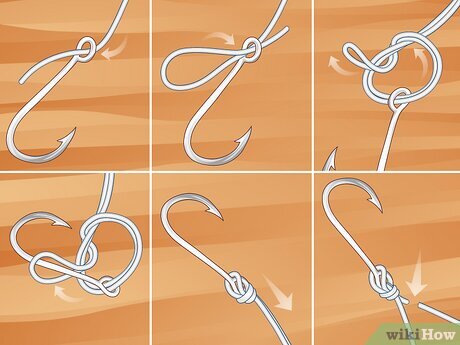
Follow these steps: Pass the line through the swivel eye. Wrap it around the standing line five times. Insert the line back through the first loop. Pull tight.
- Pass the line through the swivel eye
- Wrap around the standing line five times
- Insert through the first loop
- Pull tight to secure
Palomar Knot
The Palomar Knot is known for its strength. It is simple and works well with braided lines. This knot is great for tying a swivel quickly.
To tie it, double the line and pass through the swivel. Make a loose overhand knot. Pull the loop over the swivel. Tighten the knot.
- Double the line and pass through the swivel
- Make a loose overhand knot
- Pull the loop over the swivel
- Tighten the knot
Uni Knot
The Uni Knot is versatile and strong. It is often used by both beginners and experienced anglers. This knot is effective for tying swivels.
To tie a Uni Knot, run the line through the swivel. Make a loop and wrap the tag end around the standing line. Pull the knot tight.
- Run the line through the swivel
- Make a loop with the tag end
- Wrap the tag end around the standing line
- Pull the knot tight

Credit: m.youtube.com
Step-by-step Knot Tying
Tying a swivel onto your fishing line keeps your rig strong and prevents twists. This guide shows you how to tie the knot clearly and simply.
Follow these three parts to tie the swivel securely: threading the swivel, forming the knot, and tightening it well.
Threading The Swivel
First, pass the end of your fishing line through the eye of the swivel. Pull enough line through to have room for making the knot.
Forming The Knot
Next, create a loop by doubling the tag end back along the main line. Wrap the tag end around the main line and through the loop several times.
- Hold the swivel and the loop firmly.
- Wrap the tag end around the main line 5 to 7 times.
- Pass the tag end back through the loop near the swivel eye.
- Check that the wraps are neat and not overlapping.
Tightening And Securing
Finally, moisten the knot with water or saliva to reduce friction. Pull the tag end and main line slowly and firmly to tighten the knot.
| Action | Purpose |
| Moisten the knot | Protects line from heat damage |
| Pull tag end | Tightens the knot securely |
| Pull main line | Sets the knot firmly against swivel |
| Trim excess line | Prevents snagging |
Tips For Knot Strength
Tying a swivel onto a fishing line needs care to keep it strong. A strong knot helps catch fish without breaking.
Follow simple tips to avoid problems like line twist and to check the knot’s security before fishing.
Avoiding Line Twist
Line twist can weaken your knot and cause tangles. Use these tips to keep your line straight and strong.
- Attach the swivel properly by threading the line through it carefully.
- Twist the line in one direction only to avoid loops.
- Use a swivel that spins freely to reduce twist during casting and retrieval.
- After tying, wet the knot to reduce friction and tighten it slowly.
Checking Knot Security
Always test your knot before fishing. A weak knot can come loose and lose your catch.
| Test Method | What to Do | Why It Helps |
| Pull Test | Pull the line hard to feel if the knot slips. | Ensures knot holds under tension. |
| Visual Check | Look for tight wraps and no loose ends. | Shows if knot is tied properly. |
| Wet Knot | Wet the knot and pull again. | Simulates real fishing conditions. |

Credit: www.youtube.com
Common Mistakes To Avoid
Tying a swivel onto a fishing line seems easy but can cause problems. Mistakes reduce the strength of the knot.
Knowing what to avoid helps keep your fishing line strong and secure.
Overtightening The Knot
Pulling the knot too tight can weaken the fishing line. It can also cause the knot to slip or break.
- Do not pull the knot with too much force.
- Moisten the line before tightening to avoid friction damage.
- Use steady, gentle pressure to secure the knot.
- Check the knot carefully after tying to ensure it is snug but not too tight.
Using The Wrong Knot For The Swivel
Not all knots work well with swivels. Using the wrong knot may cause slippage or weak points.
| Knot Type | Best Use | Problem if Used Wrong |
| Improved Clinch Knot | General purpose, secure for swivels | May slip if tied incorrectly |
| Palisade Knot | Strong for swivel connection | Hard to tie for beginners |
| Loop Knot | Allows swivel to move freely | Weak if loop is too large |
| Uni Knot | Versatile, strong for most lines | Can slip if not tightened well |
Testing Your Knot
Testing your knot is important to ensure it holds well. A strong knot keeps your swivel secure during fishing.
Try simple tests before you start fishing. This helps avoid losing fish or gear.
Applying Gentle Pull
Pull the line gently to check if the knot stays tight. Do this slowly to feel any slipping.
- Hold the swivel firmly with one hand.
- Use the other hand to pull the fishing line.
- Increase tension slowly and watch for loosening.
- Stop if the knot starts to slip or loosen.
- If it holds, your knot is secure.
Performing Water Tests
Test your knot in water to simulate real fishing conditions. Water can affect the knot’s grip.
| Test Method | What to Look For |
| Submerge the knot | Check if it tightens or loosens |
| Move the line in water | Watch for slipping or unraveling |
| Pull underwater gently | Feel if the knot holds firmly |
| Repeat multiple times | Ensure consistent strength |
Frequently Asked Questions
How Do I Tie A Swivel To Fishing Line Securely?
Use a strong knot like the improved clinch knot. Thread the line through the swivel eye, wrap it around the line five times, then pass the end back through the loop and tighten. This ensures a secure, reliable connection.
Why Use A Swivel On A Fishing Line?
A swivel prevents line twisting and tangling during casting and reeling. It allows the bait or lure to spin freely, improving presentation and reducing line damage, ultimately enhancing fishing efficiency.
What Type Of Swivel Is Best For Fishing?
Choose a barrel swivel for general use or a ball-bearing swivel for heavy-duty fishing. Select size based on the fish species and line strength to ensure optimal performance and durability.
Can I Tie A Swivel Without Special Tools?
Yes, tying a swivel requires no special tools. Simply use your fingers to create knots. Practice knot-tying techniques to ensure a strong, reliable connection without extra equipment.
Conclusion
Tying a swivel onto your fishing line is simple and useful. It stops your line from twisting and keeps your bait moving naturally. Practice the steps a few times to feel confident. A strong knot means fewer lost fish. Take your time and check your work.
Soon, you will tie swivels quickly and easily every time. This small skill makes fishing more fun and effective. Keep practicing, and enjoy your time on the water!