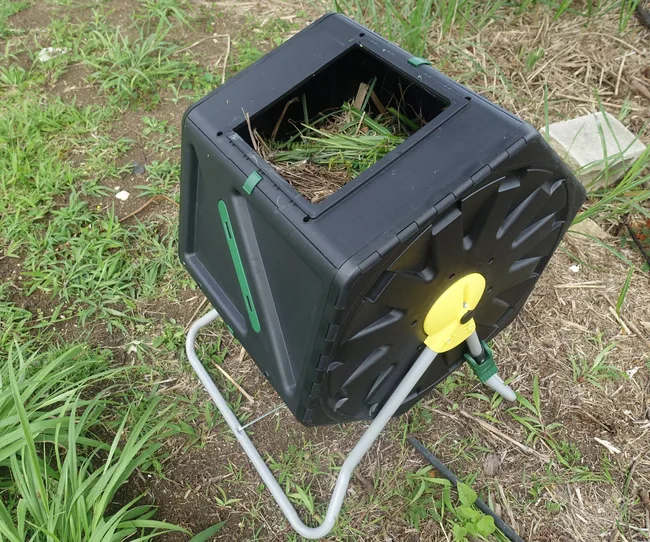
Are you ready to turn your kitchen scraps into rich, natural fertilizer right in your backyard? Starting a tumbler compost bin is one of the easiest and most effective ways to recycle your waste and boost your garden’s health.
Imagine cutting down trash, reducing odors, and creating nutrient-packed soil—all with just a simple bin you can spin. In this guide, you’ll discover exactly how to set up your own tumbler compost bin step by step. By the end, you’ll have everything you need to start composting like a pro and watch your garden thrive.
Keep reading—you’re about to make a positive change that benefits both your home and the planet.
Choosing The Right Tumbler
Starting a tumbler compost bin is simple with the right equipment. Choosing the right tumbler helps you compost waste faster.
Think about the material, size, budget, and where you will place the tumbler. These factors affect your composting success.
Material And Size Options
Tumblers come in different materials like plastic and metal. Choose one that lasts and suits your needs.
Size matters for how much waste you can compost. Small tumblers work for few people. Larger ones fit bigger families or gardens.
- Plastic:Lightweight, easy to move, and rust-free
- Metal:Strong and durable but may rust over time
- Small size:Holds about 20-30 gallons, good for small households
- Large size:Holds 50 gallons or more, suits bigger compost needs
Budget Considerations
Tumblers come at different prices. Set a budget before buying to avoid overspending.
Basic tumblers cost less but may not last long. Higher-priced tumblers offer better quality and durability.
- Low-cost tumblers suit beginners on a tight budget
- Mid-range tumblers balance price and quality
- High-end tumblers provide long life and extra features
Placement And Space Needs
Choose a spot that gets sunlight and is easy to access. Good placement helps compost break down faster.
Make sure the space fits your tumbler size. Leave room to turn the tumbler without hassle.
- Pick a flat, stable surface to place the tumbler
- Keep it close to your kitchen or garden for easy use
- Allow enough space for rotating the tumbler

Credit: www.andersonandgrant.com
Setting Up Your Compost Bin
Starting a tumbler compost bin is simple and helps reduce waste. A good setup makes composting easier and faster.
This guide covers assembling the tumbler, choosing the best spot, and preparing for composting.
Assembling The Tumbler
Follow the manufacturer’s instructions to put your tumbler together. Make sure all parts fit tightly.
- Attach the drum to the frame securely.
- Install handles or levers for easy turning.
- Check that the lid seals well to keep pests out.
- Make sure the tumbler rotates smoothly.
Selecting The Best Location
Place your compost bin in a spot that is easy to reach and suitable for composting.
| Location Factor | Why It Matters |
| Shade | Keeps compost from drying out too fast |
| Level Ground | Prevents tumbler from tipping over |
| Near Water Source | Makes it easy to add moisture |
| Accessible | Encourages regular turning and maintenance |
Preparing For Composting
Get your tumbler ready by adding the right mix of materials and moisture.
- Start with coarse materials like small branches or straw at the bottom.
- Add green materials such as vegetable scraps and grass clippings.
- Mix in brown materials like dry leaves and paper.
- Keep the compost moist but not wet, like a damp sponge.
Adding Materials To Compost
A tumbler compost bin is a great way to recycle kitchen and yard waste. Adding the right materials is key to making rich compost. Here’s how to get started.
Understanding the balance of materials can speed up the composting process. The right mix helps create a healthy environment for decomposition.
Balancing Greens And Browns
Greens and browns are the two main components of compost. Greens are rich in nitrogen, while browns are high in carbon. Both are needed for effective composting.
Greens include items like fruit scraps, grass clippings, and vegetable peels. Browns include dried leaves, paper, and small twigs. A balanced mix helps break down the materials faster.
- Use two parts browns to one part greens
- Mix materials well to improve air flow
- Monitor moisture to keep compost active
Avoiding Common Composting Mistakes
Some common mistakes can slow down the composting process. Knowing what to avoid can help your compost thrive.
Too much of one type of material can cause problems. For example, excess greens can make the compost smell bad. Not enough air can also slow down decomposition.
- Avoid adding meat or dairy products
- Don’t let the compost get too wet or too dry
- Turn the compost regularly to add air
Shredding And Layering Tips
Shredding and layering materials helps them break down more quickly. Smaller pieces have more surface area for microbes to work on.
Layering helps create a good mix of greens and browns. It also helps with air circulation, which is important for the composting process.
- Shred large items before adding them
- Layer greens and browns for better mixing
- Keep layers thin to allow air flow
Maintaining The Compost Bin
Keeping your tumbler compost bin healthy is key to making good compost. Regular care helps break down waste faster.
Check your bin often to keep the right conditions. This will stop problems and make rich soil for your plants.
Turning And Aerating
Turn your tumbler compost every few days. This adds air and helps bacteria work better.
Rotate the bin until you hear mixing sounds inside. This shows the materials are moving well.
- Turn the bin 3 to 4 times a week
- Use handles or levers if your bin has them
- Mix dry and wet materials evenly
Monitoring Moisture Levels
Check the compost’s moisture like a wrung-out sponge. It should feel damp but not wet.
If it is too dry, add water in small amounts. If too wet, add dry materials like leaves or shredded paper.
- Too dry compost slows down breakdown
- Too wet compost smells bad and can rot
- Keep moisture balanced for good results
Troubleshooting Odors And Pests
Bad smells usually mean the compost is too wet or lacks air. Turning the bin and adding dry stuff helps.
To keep pests away, avoid adding meat or oily foods. Secure the bin lid tightly after each use.
- Fix odors by turning and adding dry materials
- Do not add meat, dairy, or oily foods
- Keep bin sealed to stop pests
Harvesting Finished Compost
Harvesting compost from your tumbler bin is an important step. It lets you use rich soil for your plants.
Knowing when and how to remove compost helps keep your bin working well.
Recognizing Ready Compost
Finished compost looks dark and crumbly. It smells like fresh soil, not bad or sour.
You should see no food scraps or large pieces left inside the compost.
- Dark brown or black color
- Earthy smell
- Crumbly texture
- No recognizable food bits
Removing Compost Safely
Open the tumbler carefully to avoid spilling. Use gloves to protect your hands.
Use a small shovel or scoop to take out the compost. Leave unfinished material behind.
- Wear gloves to avoid dirt and germs
- Remove only fully broken down compost
- Leave fresh scraps to continue composting
- Close the tumbler tightly after harvesting
Using Compost In Your Garden
Mix your compost into garden soil before planting. It adds nutrients and improves soil structure.
You can also spread compost around plants as mulch. It helps keep moisture and stops weeds.
- Mix compost into soil at planting time
- Use as mulch around flowers and vegetables
- Apply a thin layer to avoid smothering plants
- Replenish compost yearly for healthy soil

Credit: grandlittleplace.com
Benefits Of Tumbler Composting
Tumbler compost bins make composting easier and faster. They help turn kitchen and garden waste into rich soil.
This method is clean and simple. It helps people reduce waste and support their gardens.
Speed And Efficiency
Tumbler compost bins speed up the composting process. You can turn the bin to mix waste and air. This helps break down materials faster.
- Mixes ingredients evenly
- Improves airflow to speed decomposition
- Reduces the time needed to get compost
Reducing Household Waste
Using a tumbler compost bin lowers the trash you throw away. Food scraps and garden waste become useful soil instead of garbage.
| Waste Type | Common Amount per Week | Compostable in Tumbler |
| Fruit and vegetable scraps | 4 pounds | Yes |
| Grass clippings | 3 pounds | Yes |
| Paper towels | 1 pound | Yes |
| Plastic packaging | 2 pounds | No |
Supporting Sustainable Gardening
Compost from tumblers helps gardens grow strong. It adds nutrients to the soil and keeps plants healthy.
Benefits of using tumbler compost for your garden:
- Improves soil texture and moisture
- Reduces need for chemical fertilizers
- Supports earthworms and beneficial microbes
- Helps plants resist pests and diseases
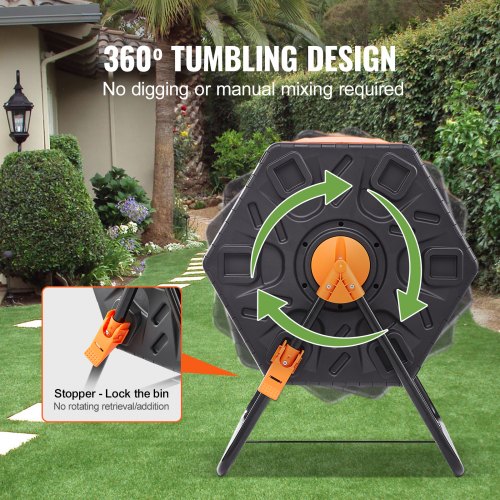
Credit: www.vevor.ca
Frequently Asked Questions
What Materials Are Best For A Tumbler Compost Bin?
Use a mix of green materials like vegetable scraps and brown materials like dry leaves. Balance moisture and airflow for efficient composting.
How Often Should I Turn My Tumbler Compost Bin?
Turn the tumbler every 2 to 3 days. Regular turning speeds up decomposition and prevents bad odors.
Can I Compost Meat Or Dairy In A Tumbler Bin?
Avoid composting meat or dairy. These items attract pests and cause unpleasant smells in a tumbler bin.
How Long Does Compost Take In A Tumbler Bin?
Compost typically takes 4 to 6 weeks in a tumbler bin with proper care and turning.
Conclusion
Starting a tumbler compost bin is simple and rewarding. You just need the right materials and a little care. Turn the bin regularly to help break down waste fast. Keep a good balance of green and brown scraps. Watch as food and garden waste change into rich soil.
This soil will help your plants grow strong and healthy. Composting saves waste from landfills and helps the earth. Begin today and enjoy fresh compost in a few months. A small effort leads to big benefits for your garden.