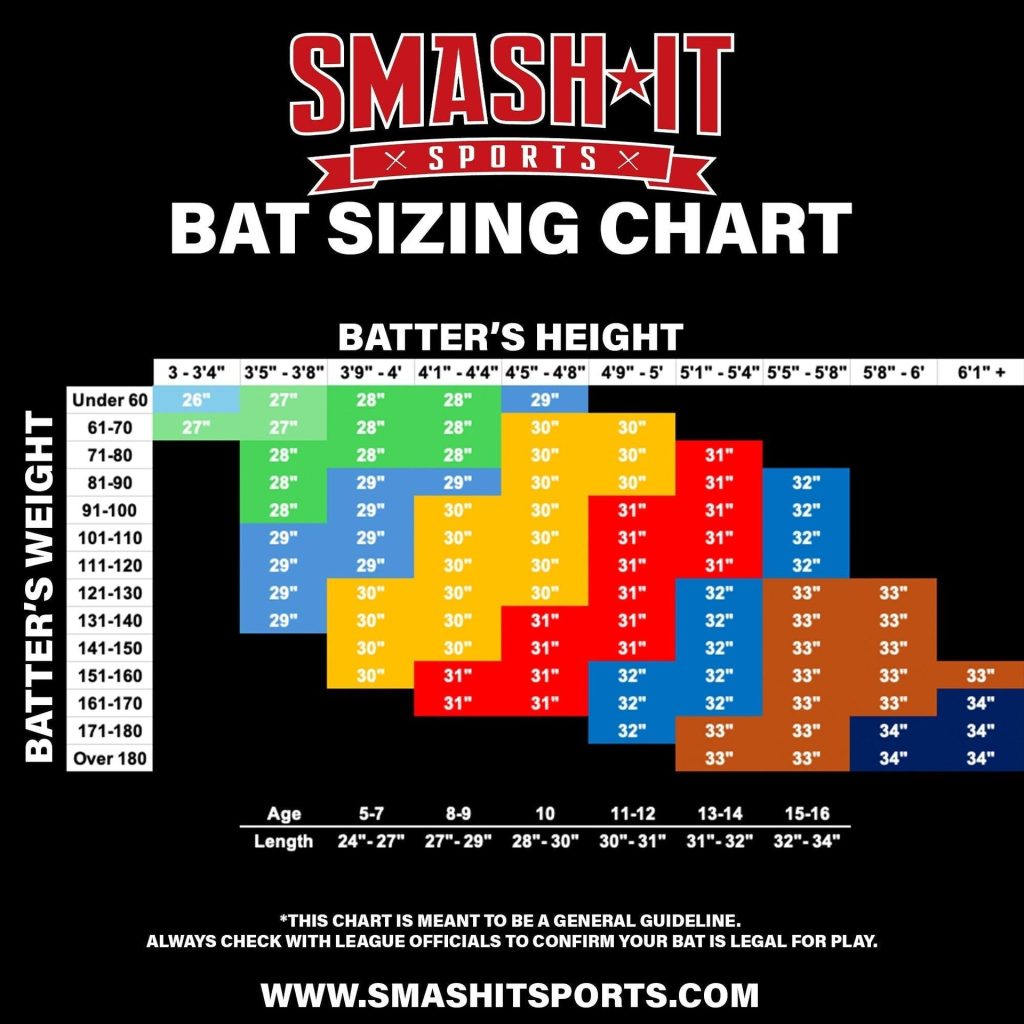
Choosing the right baseball bat can make a huge difference in your game. But with so many sizes and styles, how do you know what size baseball bat you should get?
Picking the wrong one could slow you down or even cause injury. This guide will help you find the perfect bat that fits your height, strength, and skill level. By the end, you’ll feel confident stepping up to the plate with a bat that feels just right.
Keep reading to discover exactly what you need to know before making your choice.
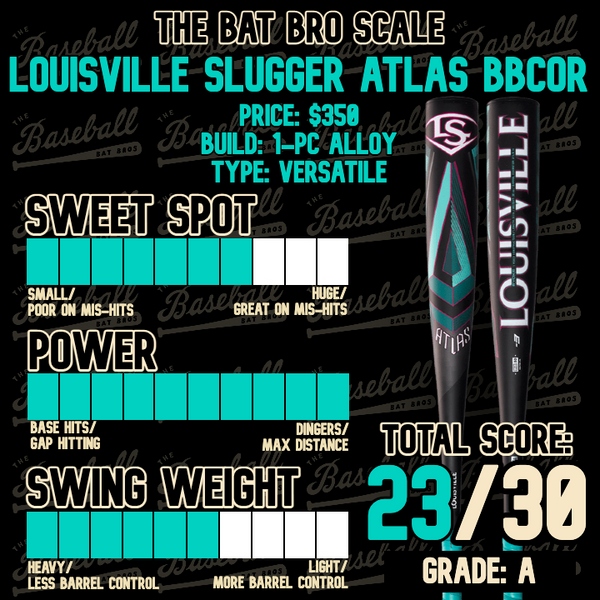
Credit: baseballbatbros.com
Choosing The Right Bat Length
Choosing the right baseball bat length is important for good hitting. The right size helps you swing better and hit the ball with more power.
Many factors affect the right bat length. This guide will help you find a good fit based on your body and skill.
Measuring Your Height And Weight
Your height and weight give a good starting point for bat length. Taller and heavier players usually need longer bats.
- Measure your height in feet and inches.
- Weigh yourself using a reliable scale.
- Use these numbers to find a bat size chart online.
Considering Age And Skill Level
Age and skill level help decide the bat’s weight and length. Younger or beginner players should use lighter and shorter bats to build control.
- Young players (under 10) need shorter bats (26-29 inches).
- Intermediate players (10-14) can use medium length bats (29-32 inches).
- Skilled or older players may use bats up to 34 inches long.
Comparing Bat Length Charts
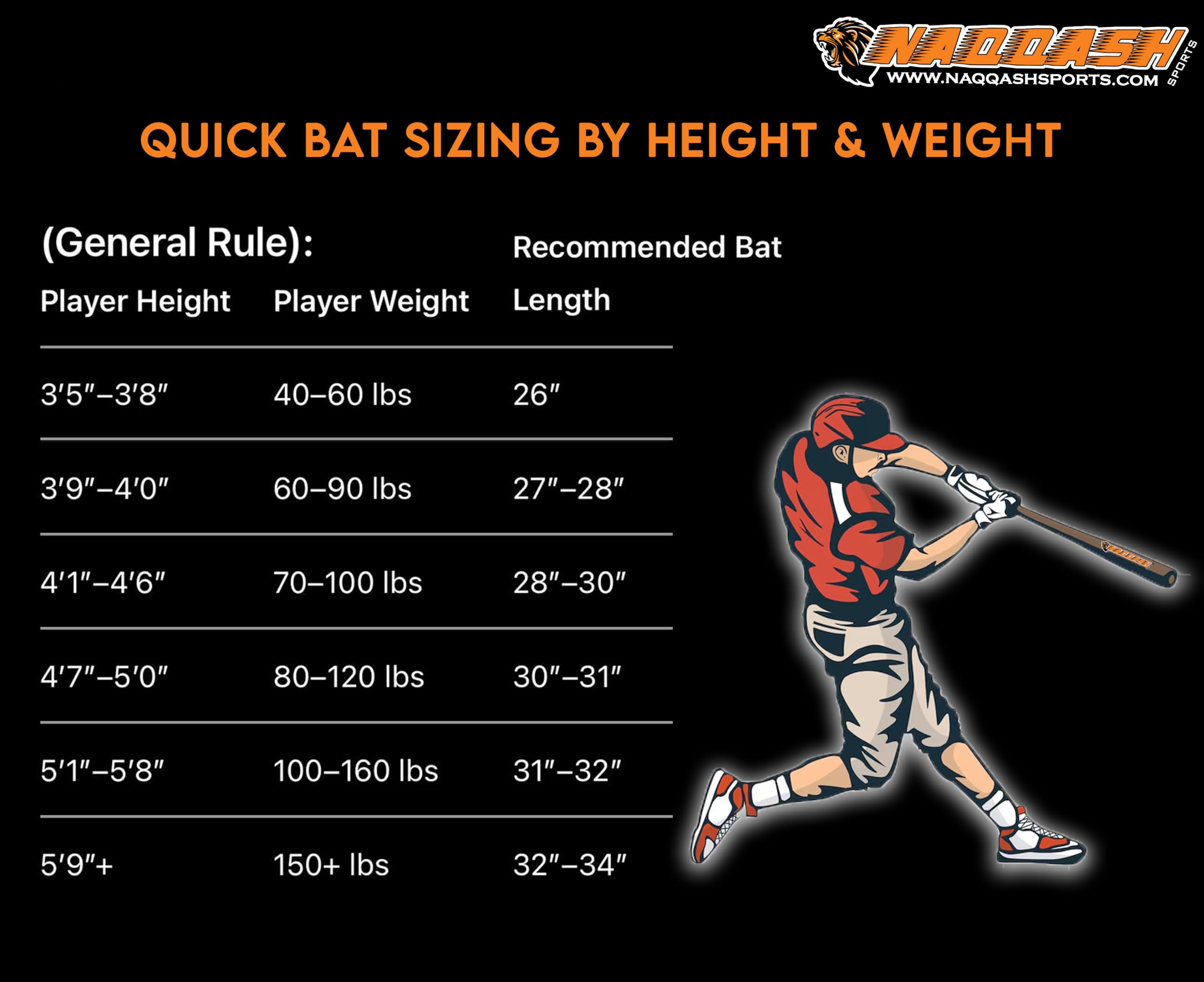
Bat length charts match height and weight to bat size. Comparing charts helps you pick the best bat for you.
| Height | Weight | Bat Length |
| 3’6″ – 4’0″ | 30 – 50 lbs | 26 – 28 inches |
| 4’1″ – 4’5″ | 50 – 70 lbs | 28 – 30 inches |
| 4’6″ – 4’11” | 70 – 90 lbs | 30 – 32 inches |
| 5’0″ – 5’5″ | 90 – 110 lbs | 32 – 33 inches |
| 5’6″ – 6’0″ | 110+ lbs | 33 – 34 inches |
Selecting The Ideal Bat Weight
Choosing the right baseball bat weight is key to improving your swing. The perfect weight helps you hit the ball with power and control.
This guide explains how to find a bat weight that fits your strength and style. You will learn about drop weight, balance, and swing testing.
Understanding Drop Weight
Drop weight is the difference between a bat’s length and weight. It shows how heavy the bat feels when you swing it.
- A lower drop weight means a heavier bat.
- A higher drop weight means a lighter bat.
- Younger players usually use bats with higher drop weights.
- Older or stronger players prefer lower drop weights for power.
Balancing Power And Control
You need a bat that lets you swing fast and hit hard. A heavy bat adds power but may slow your swing. A light bat helps control but may lose power.
| Bat Weight | Power | Control |
| Heavy | High | Low |
| Medium | Medium | Medium |
| Light | Low | High |
Testing Bat Swing Weight
Try swinging different bats to feel their weight. This helps you pick one that feels right for your strength and timing.
- Hold the bat at the handle and swing slowly.
- Check if you can control the bat easily.
- Increase swing speed to see if the bat feels balanced.
- Choose the bat that swings smoothly without strain.
Material Differences And Impact
Choosing the right baseball bat involves understanding different materials. The material impacts performance and feel.
Each material type has unique characteristics. It’s important to know these when selecting a bat.
Wood Bats: Pros And Cons
Wood bats are traditional. They offer a classic feel and sound. Many players prefer them for practice.
- Pros: Authentic feel, improve batting skills.
- Cons: Heavier, less durable than metal bats.
Metal And Composite Bats
Metal and composite bats are popular in youth leagues. They are lightweight and durable.
- Metal bats: Strong, great for power hitters.
- Composite bats: Lightweight, reduce hand sting.
How Material Affects Bat Performance
The bat’s material affects performance in many ways. It influences the bat’s weight, balance, and durability.
Players should consider their skill level and playing style. This helps in choosing the best material for their bat.
Grip And Handle Considerations
Choosing the right baseball bat size is not just about length and weight. The grip and handle also play a big role. A good grip helps you swing better and stay comfortable.
Paying attention to the handle size and shape can prevent hand fatigue. It also improves your control over the bat during swings.
Choosing The Right Grip Size
The grip size should fit your hand well. A grip that is too big or too small can cause discomfort or slipping. You want to hold the bat firmly without straining your fingers.
To check grip size, measure the distance from the tip of your ring finger to the middle of your palm. This helps find a comfortable handle thickness.
Handle Shape And Comfort
Handles come in different shapes like round, oval, or tapered. The shape affects how the bat feels in your hands. Choose one that feels natural and easy to hold.
A comfortable handle reduces hand fatigue and improves your grip during swings. Try different handle shapes before buying to find your best fit.
Adding Grip Tape For Better Control
Grip tape can add extra comfort and control to your bat. It helps prevent slipping, especially when your hands get sweaty. You can wrap the tape around the handle.
- Choose grip tape with a tacky feel for better hold
- Wrap the tape evenly without gaps or overlaps
- Replace worn tape regularly to keep good control
Adjusting For Player Position And Style
Choosing the right baseball bat depends on the player’s position and hitting style. Different players need bats that fit their role and how they swing.
Understanding these differences helps pick a bat that improves comfort and performance on the field.
Bats For Power Hitters
Power hitters use strong, heavier bats to hit the ball far. They need a bat that gives good weight but still allows fast swings.
- Choose a longer bat for more reach and power.
- Heavier bats help generate strong hits.
- Look for balanced weight distribution to keep control.
Bats For Contact Hitters
Contact hitters focus on making contact and placing the ball well. They prefer lighter bats for quick swings and better control.
- Use a shorter bat for faster swing speed.
- Lighter bats reduce fatigue during long games.
- Choose a bat with a comfortable grip for accuracy.
Position-specific Bat Recommendations
| Position | Recommended Bat Length | Recommended Bat Weight |
|---|---|---|
| Pitcher | 32-34 inches | 28-30 ounces |
| Catcher | 31-33 inches | 27-29 ounces |
| Infielder | 31-33 inches | 26-28 ounces |
| Outfielder | 33-34 inches | 28-30 ounces |
| Designated Hitter | 34 inches | 29-31 ounces |
Credit: www.amazon.ca
Testing And Trying Bats Before Buying
Choosing the right baseball bat is important for your comfort and performance. Trying bats before buying helps you find the best fit.
Testing different bats lets you feel the weight and length. It also shows how well you can swing each one.
Swinging Different Sizes
Try swinging bats of different lengths and weights to see what feels right. A bat that is too heavy or too long will slow your swing.
Start with a few sizes close to your height and strength. Swing each bat a few times to compare how easily you can control it.
- Use lighter bats to practice speed
- Try heavier bats to build strength
- Check if you can swing comfortably without strain
Using Batting Cages And Simulators
Batting cages and simulators let you test bats in real hitting situations. You can see how the bat performs with a moving ball.
Use these places to check how far and accurately you can hit with different bats. This helps you decide which bat fits your style.
- Try multiple bats with live pitching
- Notice the bat’s balance and swing speed
- Watch the ball’s reaction after contact
Getting Expert Advice
Ask coaches or experienced players for advice on bat sizes. They can suggest bats that match your age, height, and skill level.
Experts can also help you understand bat rules for different leagues. This keeps you from buying a bat that is not allowed in play.
- Consult local coaches or trainers
- Visit sports stores with knowledgeable staff
- Check league regulations for bat size and weight
Maintaining Your Bat For Longevity
Choosing the right size baseball bat is important. Taking care of it helps it last longer. Proper maintenance keeps your bat in good shape for many games.
Learn simple tips to store, clean, and know when to replace your bat. These steps protect your investment and improve your performance.
Proper Storage Tips
Store your bat in a dry place at room temperature. Avoid extreme heat or cold, which can damage the material. Keep it away from moisture and direct sunlight.
- Use a bat rack or stand to keep it upright
- Do not leave the bat in your car for long periods
- Keep the bat away from heavy objects to avoid dents
- Store bats separately to prevent scratches
Cleaning And Care
Clean your bat regularly using a soft cloth and mild soap. Avoid abrasive cleaners or brushes that can scratch the surface. Dry the bat completely before storing it.
| Cleaning Step | What to Do |
| Remove Dirt | Wipe with a damp cloth |
| Wash | Use mild soap and water |
| Dry | Use a soft towel and air dry |
| Inspect | Check for cracks or dents |
When To Replace Your Bat
Replacing your bat is necessary when it shows signs of wear. Using a damaged bat can reduce performance and cause injury. Look for cracks, dents, or a change in sound when hitting.
- Cracks or splits in the barrel or handle
- Dents that affect the bat’s balance
- Worn grip that cannot be fixed
- Change in hitting sound or feel

Credit: www.reddit.com
Frequently Asked Questions
What Factors Determine The Right Baseball Bat Size?
Bat size depends on age, height, weight, and skill level. Choose based on comfort and swing control for best performance.
How Does Bat Length Affect Hitting Performance?
Longer bats offer more reach but can be harder to control. Shorter bats provide better control and quicker swing speed.
Should I Consider Bat Weight When Choosing Size?
Yes, bat weight affects swing speed and power. Select a bat weight that feels balanced and allows smooth, controlled swings.
Can A Wrong Bat Size Impact My Game?
Using an incorrect bat size can reduce swing efficiency and accuracy. It may also increase injury risk and affect confidence.
Conclusion
Choosing the right baseball bat size helps you play better and enjoy the game. Think about your height, weight, and strength first. Try different bats to feel which one works best for you. A bat that feels right boosts your confidence and swing.
Remember, comfort matters more than brand or price. Keep practicing with your chosen bat to improve every day. This way, you stay safe and have fun on the field. Bat size is simple when you focus on your needs. Play smart, swing strong, and enjoy baseball!