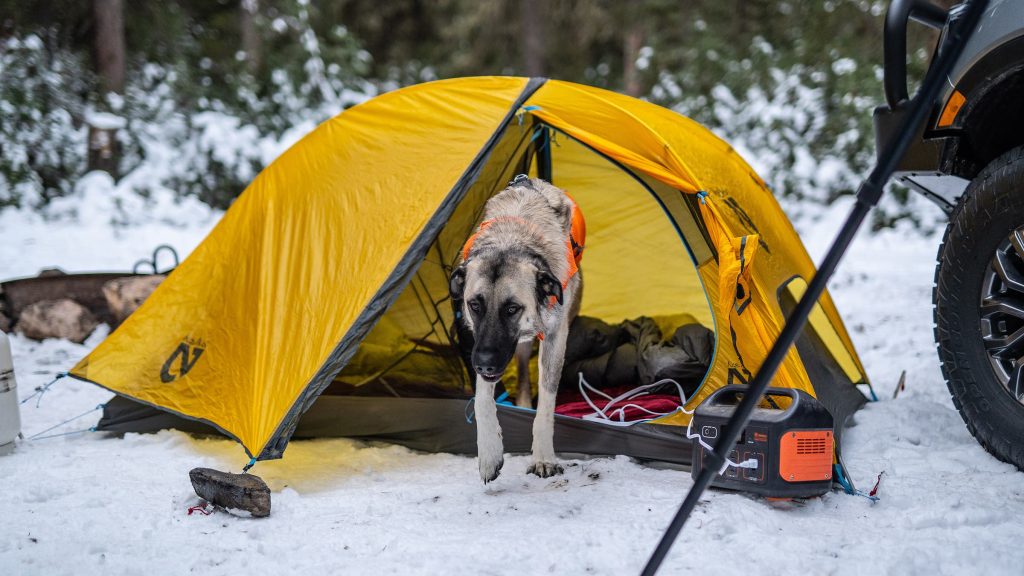
Are you planning a camping trip and wondering if you can put a heater in your tent? Staying warm while camping can make all the difference between a great night and a restless one.
But is it safe? What types of heaters work best? You’ll discover the facts you need to keep your tent cozy without risking your safety. Keep reading to learn how to choose the right heater and enjoy your outdoor adventures comfortably.

Credit: www.reddit.com
Choosing The Right Heater
Keeping warm inside a tent is important during cold weather. Picking the right heater can make your camping trip comfortable and safe.
There are different heaters designed for tents. Each type uses different fuel and has safety features to consider.
Types Of Tent Heaters
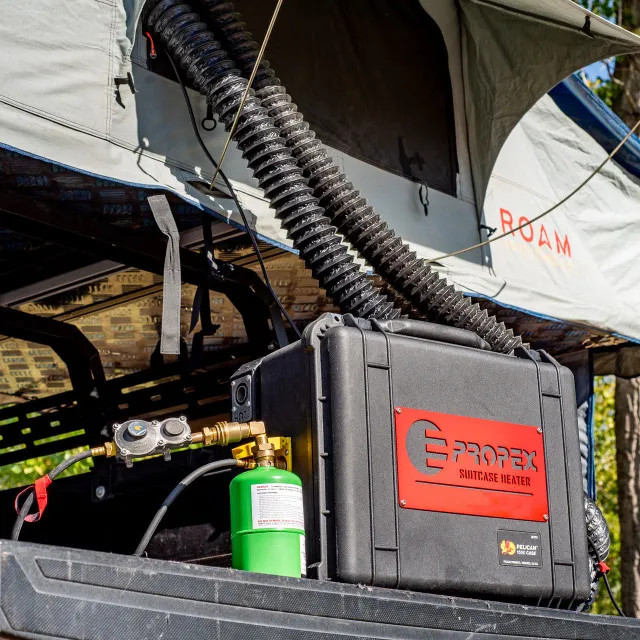
Tent heaters come in many forms. Common types include propane heaters, electric heaters, and catalytic heaters.
Each type provides heat differently. Some are better for small tents, others for larger spaces.
- Propane Heaters: Use gas to create heat quickly.
- Electric Heaters: Plug into power sources for warmth.
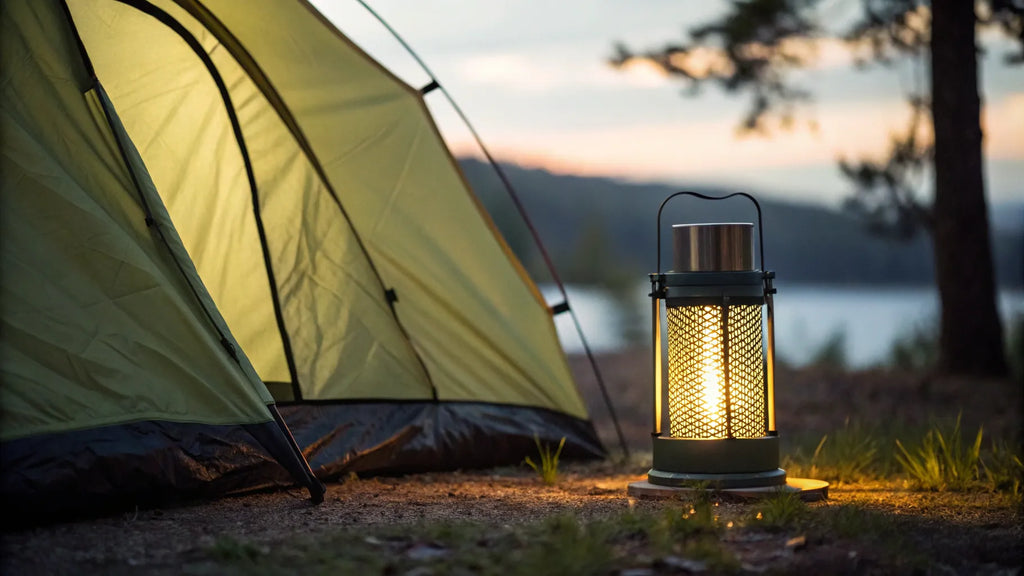
- Catalytic Heaters: Burn fuel without a flame, safer indoors.
Fuel Options And Safety
Heaters run on different fuels like propane, butane, or electricity. Each fuel type has safety rules.
Always use heaters in tents with good ventilation. This prevents dangerous gas buildup and keeps air fresh.
- Propane and butane need careful handling to avoid leaks.
- Electric heaters must be used with dry hands to prevent shocks.
- Check for carbon monoxide detectors when using fuel heaters.
- Never leave heaters running while you sleep.
Portable Electric Heaters
Portable electric heaters are easy to use in tents with power. They do not produce fumes or flames.
These heaters are safer and require less ventilation. They are good for short trips or mild cold.
- Look for compact models made for camping.
- Use heaters with automatic shutoff features.
- Keep the heater away from tent walls and flammable items.
- Use a power source that matches the heater’s needs.
Credit: t-nax.com
Safety Precautions
Using a heater in a tent can keep you warm in cold weather. It is important to follow safety rules to avoid accidents.
This guide explains key safety steps for using heaters inside tents. Keep your camping safe and comfortable.
Ventilation Requirements
Tents must have good airflow when using a heater. Without fresh air, dangerous gases can build up.
Always open a window or door slightly. This helps air to move and lowers risks.
- Keep vent openings clear of obstructions
- Check that air flows freely in and out
- Do not seal the tent completely while heating
Fire Hazards And Prevention
Heaters can cause fires if placed too close to tent fabric or gear. Keep space around the heater.
Use heaters made for indoor or tent use. Avoid heaters with exposed flames or hot surfaces.
- Place heater on a flat, stable surface
- Keep flammable items at least 3 feet away
- Never leave the heater unattended
- Turn off heater before sleeping or leaving
Carbon Monoxide Risks
Carbon monoxide is a colorless, odorless gas from heaters that burn fuel. It can cause serious health problems.
Use only heaters that are safe for indoor use. Install a carbon monoxide detector in the tent if possible.
- Never use gas or propane heaters without ventilation
- Do not use charcoal or open flame heaters inside
- Watch for symptoms like headache or dizziness
- Immediately turn off heater and get fresh air if symptoms appear
Setting Up Your Heater
Using a heater in a tent can keep you warm during cold nights. It’s important to set it up safely.
Proper placement and security are crucial to avoid accidents. Follow these steps for safe heating.
Placement Inside The Tent
Choose a flat, open space inside your tent for the heater. Ensure there’s enough room around it for air to circulate.
Avoid placing it near the tent walls to prevent overheating. Keep it in the center if possible.
Stable And Secure Positioning
Make sure your heater stands on a stable surface. Uneven ground can cause it to tip over.
Use a base or stand if the ground is not level. This adds stability and prevents accidents.
- Check for a stable base
- Use a stand for uneven surfaces
- Ensure no items can bump the heater
Avoiding Contact With Flammable Materials
Keep the heater away from any flammable items. This includes tent fabric, sleeping bags, and clothes.
Ensure nothing can fall onto the heater while it’s running. Clear the area around it before use.
| Safe Distance | At least 3 feet from any object |
| Material | Keep flammable items away |
Alternative Warming Methods
Using a heater in a tent can be risky and is not always safe. There are other ways to stay warm while camping. These methods work well and keep you comfortable.
Below are some simple and effective warming methods you can use inside a tent. They help keep the cold away without needing a heater.
Insulated Sleeping Gear
Good sleeping gear is key to staying warm at night. Insulated sleeping bags and pads trap your body heat. They stop cold air from reaching you. This gear helps you sleep well in cold weather.
- Choose a sleeping bag rated for cold temperatures.
- Use an insulated sleeping pad under your bag.
- Wear warm clothes inside your sleeping bag.
- Keep your head covered with a warm hat.
Hot Water Bottles And Heat Packs
Hot water bottles and heat packs add extra warmth inside your tent. You can place them near your feet or body. They give steady heat for hours. Heat packs are easy to carry and use.
| Type | How to Use | Duration |
|---|---|---|
| Hot Water Bottle | Fill with hot water and place in sleeping bag | 3-4 hours |
| Disposable Heat Pack | Shake to activate and place in pockets or sleeping bag | 6-10 hours |
| Reusable Heat Pack | Heat in boiling water, then place near you | 1-2 hours |
Layering And Tent Insulation
Wearing layers helps keep your body heat close. Multiple thin layers work better than one thick layer. You can also add insulation inside your tent. This stops cold air from getting in.
- Wear a base layer that wicks moisture.
- Add a warm middle layer like fleece or wool.
- Use an outer shell to block wind and rain.
- Line the tent floor with a thick blanket or foam mat.
- Hang a reflective tarp inside the tent to reflect heat.
Monitoring And Maintenance
Using a heater in a tent needs careful watching and upkeep. It keeps you safe and warm.
Check your heater often and manage fuel or battery power well. Be ready for any problems.
Regular Heater Checks
Look at your heater every time you use it inside your tent. Make sure it works right and is clean.
Check for cracks, leaks, or strange smells. Fix any problems before using the heater again.
- Inspect the heater’s body and connections
- Clean dust or dirt from vents
- Test the heater in a safe place before camping
- Watch for unusual sounds or smells
Battery And Fuel Management
Keep an eye on battery levels or fuel amounts during use. Running out can stop the heater suddenly.
Bring extra batteries or fuel and store them safely outside the tent. This prevents accidents and keeps heat steady.
- Check battery charge before camping
- Refill fuel in a well-ventilated area
- Store fuel in approved containers
- Keep spare supplies handy and secure
Emergency Preparedness
Have a plan if the heater stops working or causes trouble. Know how to turn it off quickly.
Keep a fire extinguisher and first aid kit near your tent. Make sure everyone knows what to do in emergencies.
- Learn emergency shut-off steps for your heater
- Keep fire extinguisher close to the tent
- Have a smoke or carbon monoxide detector if possible
- Inform all campers about safety rules
Credit: www.battlbox.com
Frequently Asked Questions
Can You Safely Use A Heater Inside A Tent?
Yes, but only with heaters designed for indoor tent use. Always ensure proper ventilation to avoid carbon monoxide buildup and fire risks.
What Types Of Heaters Are Best For Tents?
Propane heaters with safety features or electric heaters made for camping are best. Avoid open-flame heaters to reduce fire hazards.
How Do You Prevent Carbon Monoxide Poisoning In Tents?
Use carbon monoxide detectors and ventilate your tent well. Never run fuel-burning heaters in enclosed spaces without airflow.
Is It Legal To Use A Heater In A Tent?
Regulations vary by location and campground. Always check local rules and manufacturer guidelines before using any heater inside a tent.
Conclusion
Putting a heater inside a tent can make camping warmer and more comfortable. Always choose heaters made for indoor or tent use. Keep safety in mind to avoid fire or carbon monoxide risks. Proper ventilation is key for fresh air and safety.
With the right heater and care, cold nights become easier to enjoy. Stay warm, stay safe, and make your camping trip better.