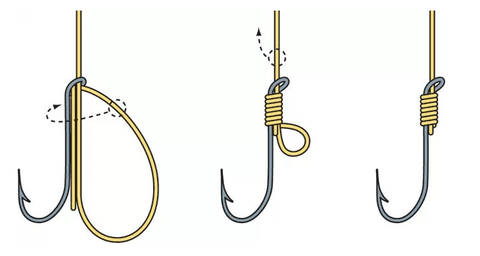
If you love fishing, knowing how to tie a fish hook to your fishing line is a skill you can’t afford to miss. A strong, secure knot means your hook stays put, giving you the best chance to catch that big fish.
But tying it wrong? That could cost you your catch. In this guide, you’ll learn simple, step-by-step methods to tie your hook quickly and confidently. Keep reading, and you’ll never worry about losing a fish because of a weak knot again.
Choosing The Right Hook And Line
Choosing the right hook and line is key for a good fishing trip. It affects how well you catch fish and how easy it is to tie the hook.
This guide helps you pick the best hook and line. It covers types of hooks, how to select line, and matching their strength.
Types Of Fishing Hooks
Fishing hooks come in many shapes and sizes. Each type works best for certain fish and bait.
- J-Hooks: Classic shape, good for many fish.
- Circle Hooks: Reduce fish injury, easy to set.
- Treble Hooks: Three points, used with lures.
- Bait Hooks: Designed for holding live or dead bait well.
- Octopus Hooks: Short shank, good for small bait.
Selecting The Appropriate Fishing Line
Fishing lines vary by material and strength. Choose one that fits your fishing style and the fish you want to catch.
| Line Type | Best Use | Strength Range |
| Monofilament | General use, easy to handle | 2 to 30 lbs |
| Fluorocarbon | Clear, good for clear water | 4 to 40 lbs |
| Braid | Strong, thin, good for heavy cover | 10 to 80 lbs |
Matching Hook And Line Strength
Match hook size to line strength to avoid breaks. Small hooks need lighter lines; big hooks need strong lines.
- Light lines (2-6 lbs) suit small hooks for small fish.
- Medium lines (8-20 lbs) fit medium hooks and common fish.
- Heavy lines (25+ lbs) work with large hooks for big fish.
- Check package labels to match hook and line strength.

Credit: www.youtube.com
Preparing The Fishing Line
Before tying a fish hook, you need to prepare the fishing line. Good preparation helps the knot hold better.
Preparing the line includes cutting it to the right length and removing any twists or tangles. This makes tying easier and safer.
Cutting The Line To Length
Cut the fishing line to a suitable length before tying. Too long or too short can cause problems while fishing.
Use sharp scissors or a line cutter for a clean cut. A clean cut helps the knot hold tight and prevents slipping.
Removing Line Twists And Tangles
Check the fishing line for twists and tangles before tying. Twists weaken the line and can cause knots to fail.
Hold the line and gently pull it straight. Let the line hang freely to untwist naturally if needed.
- Run your fingers along the line to feel for knots
- Use slow, steady movements to avoid creating new twists
- Replace the line if it feels weak or damaged
Popular Knot Techniques
Learning to tie a fish hook to a fishing line is important. Different knots help in different situations. Here are some popular knot techniques.
Improved Clinch Knot
The improved clinch knot is strong and reliable. It is often used by anglers. This knot is great for securing fishing lines to hooks.
- Thread the line through the hook eye.
- Wrap the tag end around the main line five times.
- Pass the tag end through the loop near the hook eye.
- Tighten the knot by pulling both ends.
Palomar Knot
The Palomar knot is known for its strength. It is quick and easy to tie. This knot works well for braided fishing lines.
- Double the line and pass it through the hook eye.
- Tie a simple overhand knot with the doubled line.
- Pass the hook through the loop.
- Pull on both ends to tighten the knot.
Loop Knot
The loop knot allows the hook to move freely. It is ideal for lures and bait that need movement. This knot is also easy to tie.
- Make an overhand knot in the line.
- Pass the tag end through the hook eye.
- Bring the tag end back through the overhand knot.
- Tighten the knot, leaving a loop in front of the hook.
Step-by-step Knot Tying
Tying a fish hook to a fishing line is simple with the right knots. Strong knots keep your hook secure while fishing.
This guide shows easy steps for three common knots. Each knot works well for different fishing needs.
Tying The Improved Clinch Knot
The Improved Clinch Knot is strong and works for many types of fishing lines. It keeps the hook tight and safe.
Follow these steps to tie the Improved Clinch Knot:
- Thread the line through the hook eye.
- Wrap the line around itself 5 to 7 times.
- Pass the end of the line through the small loop near the hook eye.
- Then pass the end through the big loop you just made.
- Wet the knot with water or saliva.
- Pull the tag end and main line to tighten the knot.
- Trim the excess tag end close to the knot.
Tying The Palomar Knot
The Palomar Knot is very strong and easy to tie. It works well for braided and monofilament lines.
Steps to tie the Palomar Knot:
- Double about 6 inches of line and pass it through the hook eye.
- Tie a loose overhand knot with the doubled line.
- Pass the hook through the loop of the overhand knot.
- Pull both the standing line and tag end to tighten the knot.
- Make sure the knot is snug and the hook is secure.
- Trim any extra line close to the knot.
Tying The Loop Knot
The Loop Knot allows the hook to move freely. It is good for live bait or lures that need action.
How to tie the Loop Knot:
- Make an overhand knot in the line about 6 inches from the end.
- Pass the tag end through the hook eye.
- Thread the tag end back through the overhand knot.
- Wrap the tag end around the standing line 3 to 4 times.
- Pass the tag end back through the overhand knot.
- Wet the knot and pull tight on both ends.
- Trim the tag end close to the knot.
Tips For Secure Knots
Tying a fish hook to a fishing line needs care. A secure knot stops the hook from slipping off.
Use simple tricks to make your knot strong. These tips help keep your fishing line safe and steady.
Ensuring Tightness
Pull the knot tight but do it slowly. A quick pull can weaken the knot or break the line.
Hold the hook and line firmly when tightening. Make sure the knot sits close to the hook eye.
- Use steady, even pressure
- Avoid jerking the line
- Keep the knot near the hook eye
Moistening The Knot
Wet the knot with water or saliva before pulling it tight. This reduces friction and stops damage.
Moistening helps the line slide and tighten better. It also prevents the line from burning or weakening.
- Use clean water or spit
- Apply moisture evenly on the knot
- Do this before the final pull
Trimming Excess Line
Cut off the extra line close to the knot. Leaving a small tag helps keep the knot secure.
Use sharp scissors or clippers. Avoid cutting too close or too far from the knot.
- Leave about 3-5 millimeters of tag end
- Trim cleanly without fraying
- Check knot tightness after trimming

Credit: www.wikihow.com
Common Mistakes To Avoid
Tying a fish hook to a fishing line looks simple but can be tricky. Many anglers make small errors that cause lost fish or broken lines. Avoiding these mistakes will help your knots hold strong and last longer.
Below are common mistakes you should watch out for when tying your hook. Each section explains what to avoid and tips to improve your knot-tying skills.
Loose Knots
Loose knots are a major cause of fishing line failure. If the knot is not tight, the hook can slip off easily, causing you to lose your catch. Always pull the knot firmly after tying it to make sure it is secure.
- Pull the knot tight before wetting it.
- Wet the knot slightly to reduce friction.
- Check the knot’s tightness before casting.
- Practice tying knots slowly to ensure no slack remains.
Incorrect Threading
Threading the line through the hook incorrectly weakens the knot. The line must pass through the eye of the hook cleanly without crossing or twisting. Twisted lines cause uneven pressure and break easily.
| Common Threading Errors | Effect on Knot |
|---|---|
| Passing line twice through the eye | Knot slips or loosens easily |
| Twisting line before tying | Line weakens and breaks |
| Not threading through the eye | Hook detaches from line |
Using Damaged Line
Using a damaged fishing line is a silent but common error. Old, frayed, or nicked lines break more easily under pressure. Always check your line before tying a hook and replace it if you see damage.
- Inspect the line for cuts or frays.
- Replace the line if it feels rough or weak.
- Avoid tying knots too close to damaged sections.
- Store your fishing line away from sunlight and heat.
Testing Your Knot Strength
Tying a fish hook to a fishing line is only part of the task. You must check if the knot holds well. Testing your knot strength helps avoid losing fish.
Two common ways to test a knot are the pull test method and visual inspection. Both methods show if the knot is secure and ready for fishing.
Pull Test Method
The pull test method checks how strong your knot is by applying force. Pull the line slowly but firmly to see if the knot slips or breaks.
- Hold the hook in one hand and the line in the other.
- Pull the line straight away from the hook.
- Increase the force gradually until you feel resistance.
- Watch for any slipping or loosening of the knot.
- If the knot holds firm, it is strong enough.
- If it slips or breaks, retie the knot and test again.
Visual Inspection
Visual inspection helps identify weak spots in your knot. Look closely at the knot for any signs of problems before fishing.
| Visual Clue | What It Means | Action to Take |
|---|---|---|
| Loose Wraps | Knots may slip easily | Tighten the wraps and retest |
| Frayed Line | Line is weak and can break | Cut damaged line and retie |
| Uneven Knot | Knot may not hold pressure | Retie knot with equal tension |
| Clean Knot | Knot is likely strong and secure | Ready for fishing |

Credit: n1outdoors.com
Frequently Asked Questions
How Do I Tie A Strong Fishing Knot?
To tie a strong fishing knot, use the improved clinch knot. Thread the line through the hook eye, wrap five times, then pass the tag end through the loop. Pull tight and trim the excess. This knot offers excellent strength and reliability.
What Fishing Line Is Best For Hooks?
Monofilament and fluorocarbon lines are best for tying fishing hooks. They are flexible and knot well. Braided lines are strong but slippery, requiring special knots. Choose based on fishing conditions and target species for optimal performance.
How Can I Prevent My Fishing Knot From Slipping?
To prevent knot slipping, moisten the line before tightening. Pull the knot slowly and firmly. Use knots known for security, like the Palomar or improved clinch. Trim the tag end close to the knot but leave a small tail for safety.
When Should I Retie My Fishing Hook?
Retie your fishing hook if the line shows wear, fraying, or after catching a big fish. Also, retie knots after several casts or if the knot feels loose. Regularly retie to maintain strength and avoid losing fish.
Conclusion
Tying a fish hook to a fishing line is simple with practice. Use strong knots to keep your hook secure. Take your time and check the knot before fishing. A good knot helps catch more fish and avoids losing them.
Keep practicing to get better and faster. Fishing becomes more fun when your gear works well. Try different knots to find what suits you best. Soon, tying hooks will feel easy and natural. Enjoy your fishing trips with confidence and skill.