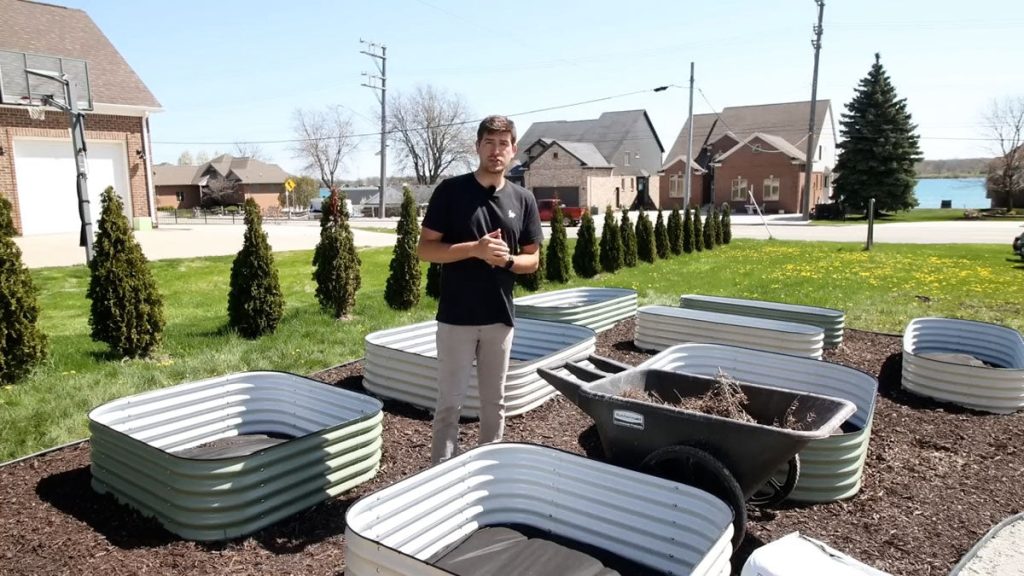
Are you ready to build a raised garden bed but unsure what to line it with? Choosing the right lining can make all the difference for your plants’ health and your garden’s longevity.
The wrong material might trap moisture, cause rot, or even leach harmful chemicals into your soil. But don’t worry—this guide will help you discover the best options to protect your garden bed, keep your soil healthy, and boost your plant growth.
Keep reading to find out exactly what you should line your raised garden bed with and why it matters.
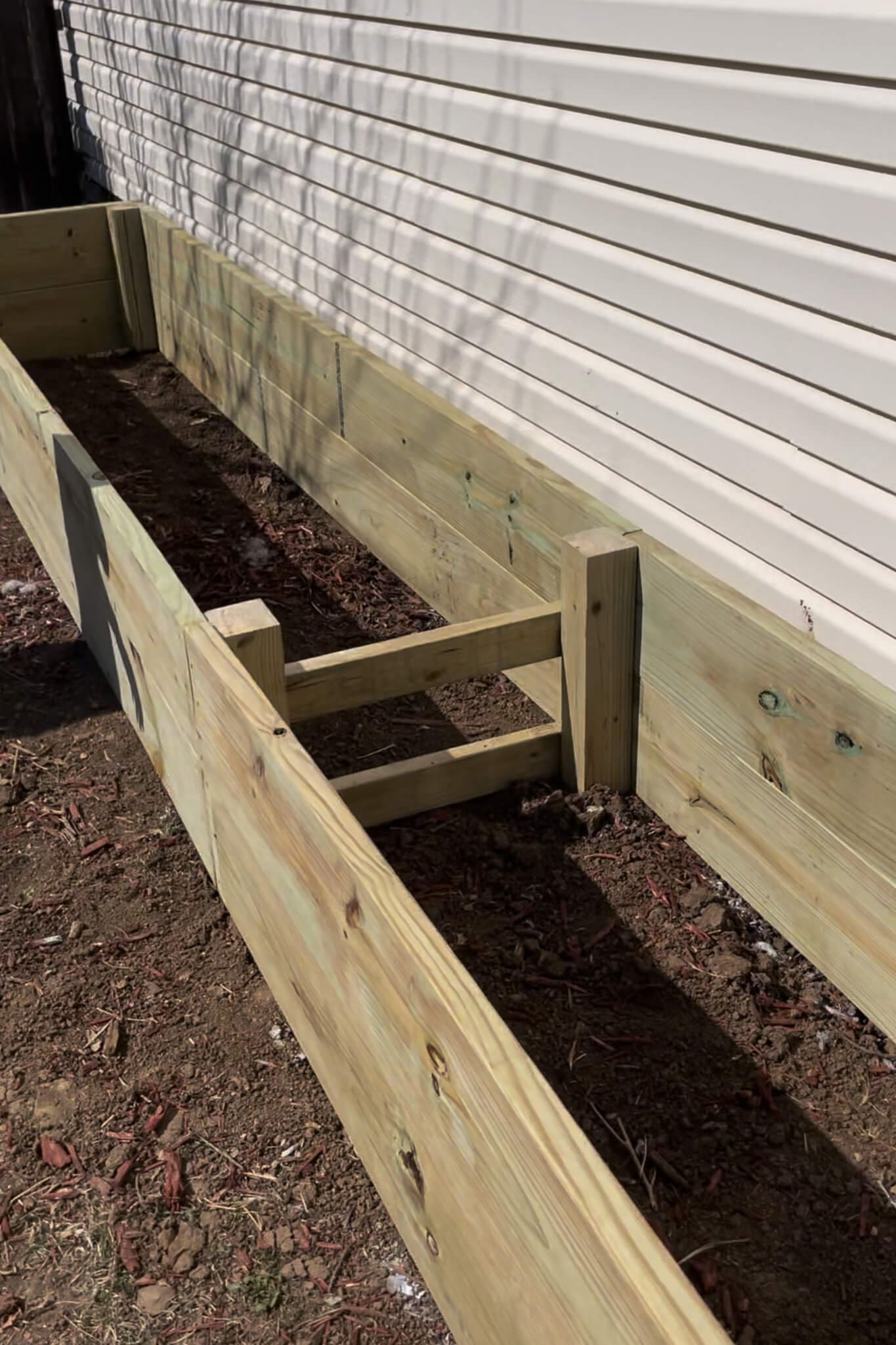
Credit: crystelmontenegrohome.com
Choosing Liner Materials
Raised garden beds need liners to protect wood and keep soil in place. Choosing the right liner helps plants grow better.
Different materials work well for liners. Some keep moisture in, and some stop weeds from growing.
Plastic Sheeting Options
Plastic sheeting is a popular choice for raised beds. It blocks water and soil from touching the wood.
Look for thick plastic like polyethylene. It lasts longer and stops leaks better than thin plastic.
- Use heavy-duty plastic, at least 6 mil thick
- Cut pieces to fit the bed size
- Make sure it covers all inside surfaces
- Leave holes for drainage to avoid water buildup
Landscape Fabric Benefits
Landscape fabric allows water to pass but stops weeds. It helps keep soil healthy and aerated.
This fabric is breathable, so roots get air. It also protects wood from moisture damage.
- Choose a heavy woven fabric for strength
- Lay fabric flat inside the bed
- Overlap seams to prevent soil loss
- Works well under soil or mulch
Using Pond Liners
Pond liners are thick and waterproof. They keep soil and water inside the bed very well.
These liners last many years and resist damage from roots and moisture.
- Made from durable materials like rubber or PVC
- Cut to fit the shape of your garden bed
- Needs holes for drainage
- Can be more expensive but very long-lasting
Natural Liners To Consider
Natural liners are eco-friendly choices. They let water flow and protect wood without plastic.
Materials like burlap, coconut coir, or untreated cardboard work well for this.
- Burlap allows good drainage and breaks down slowly
- Coconut coir holds moisture and resists decay
- Cardboard blocks weeds and composts over time
- Natural liners may need replacing more often
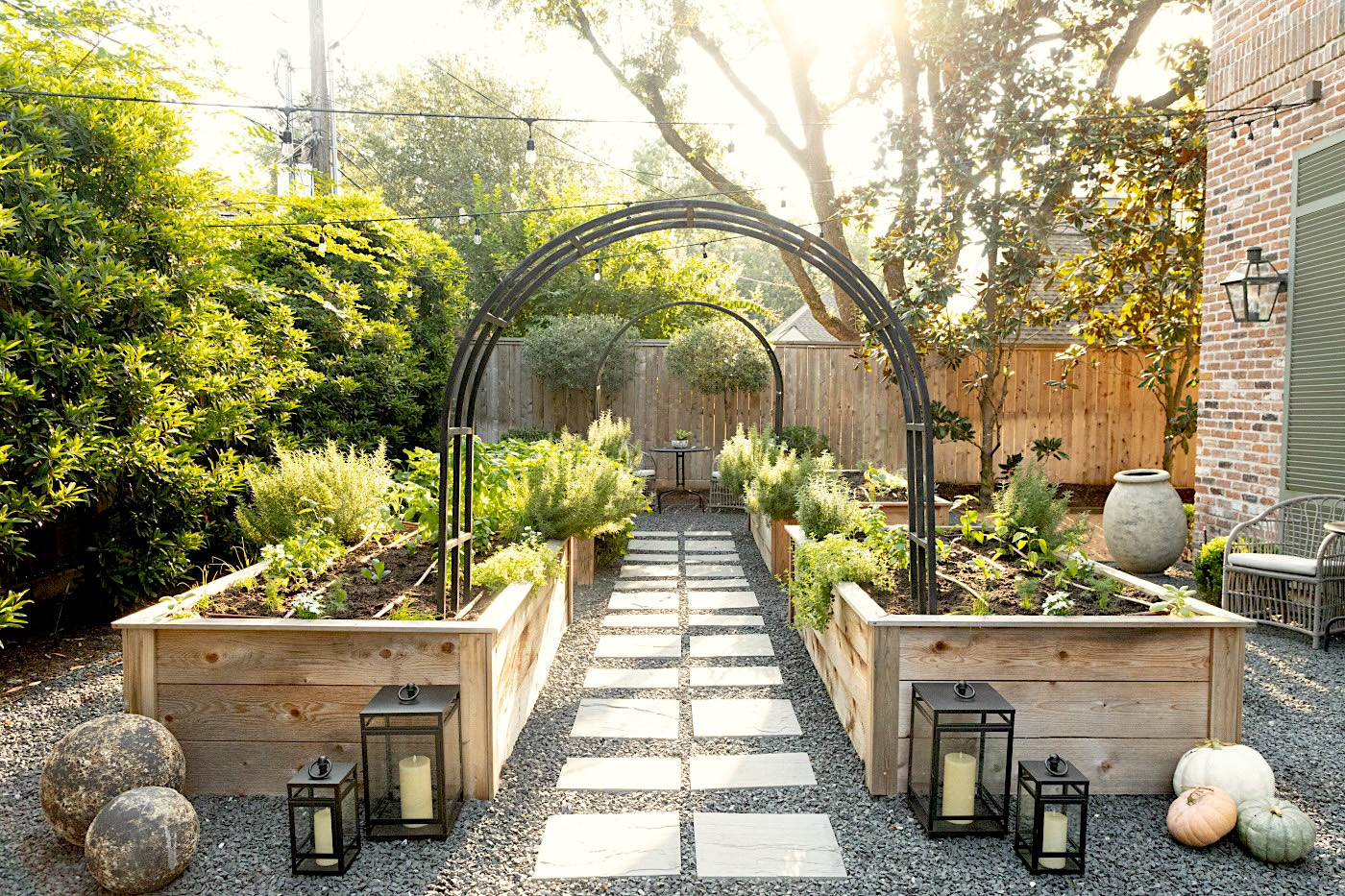
Credit: www.gardenary.com
Protecting Wood Frames
Wood frames in raised garden beds need protection to last long. Without care, wood can rot and break down quickly.
Using the right lining helps keep wood dry and safe from soil and moisture damage.
Preventing Rot And Decay
Rot happens when wood stays wet for a long time. It causes the wood to become soft and weak.
To stop rot, line the inside of the raised bed with a barrier. This keeps soil and water away from the wood.
- Use heavy plastic or pond liner to block moisture.
- Make sure the liner covers all wood surfaces inside.
- Leave space for drainage so water does not pool.
- Secure the liner so it does not shift or tear.
Safe Treatments For Edible Gardens
Choose liners and treatments that do not harm plants or people. Some chemicals can be toxic and unsafe for food plants.
Natural and food-safe materials protect the wood without affecting your garden’s health.
- Use untreated cedar or redwood wood with natural rot resistance.
- Line with food-grade plastic or heavy-duty landscape fabric.
- Avoid pressure-treated wood that contains harmful chemicals.
- Apply natural oils like linseed oil to protect wood safely.
Installation Tips
Installing a liner in your raised garden bed helps keep the soil in place. It also prevents weeds and ensures proper drainage. Follow these tips for a successful installation.
Preparing The Bed
Start by cleaning the area where your raised bed will be placed. Remove any rocks, weeds, or debris. This makes the surface even and ready for the liner.
Next, measure the bed to know the size of liner you need. Ensure that you have enough material to cover the bottom and sides.
Securing The Liner
Place the liner at the bottom of the bed. Make sure it covers all areas evenly. Press it down to fit the shape of the bed.
Use staples or garden pins to secure the liner. This will keep it in place when adding soil. Ensure the edges are tightly secured to prevent slipping.
- Staple along the edges
- Use garden pins for extra hold
- Check for any gaps
Ensuring Proper Drainage
Cut small holes in the liner to allow water to escape. This prevents water from pooling and drowning plants.
Place a layer of gravel or small stones at the bottom. This helps with drainage and keeps the liner in place.
- Cut drainage holes evenly
- Add a layer of gravel
- Check water flow after installation
Liner Maintenance
Keeping your raised garden bed liner in good shape helps protect your plants and soil. Regular care prevents damage and extends liner life.
Proper maintenance means checking the liner often and fixing any problems quickly. This keeps your garden healthy and tidy.
Regular Inspection
Look at your liner every few weeks for signs of wear or damage. Check corners and edges where tears often start.
Also, watch for mold, dirt buildup, or pests hiding in the liner. Early detection helps avoid bigger problems later.
Repairing Tears And Holes
Fix small tears or holes as soon as you find them. Use strong waterproof tape or patch kits made for garden liners.
Clean the area around the damage before applying patches. Press firmly to make sure the patch sticks well.
- Cut the patch larger than the hole
- Use waterproof adhesive for better hold
- Check the patch after rain or watering
When To Replace Liners
Replace the liner if it has many tears or leaks that repairs cannot fix. Old liners may also affect soil health.
Signs to replace include brittle material, large holes, and persistent mold growth. A new liner keeps your garden safe and clean.
Impact On Soil And Plants
Lining a raised garden bed affects soil quality and plant health. It helps control water flow and protects plants from harmful substances.
Choosing the right lining material supports strong roots and good soil conditions. This guide explains key factors to consider.
Drainage And Moisture Control
Good drainage stops water from pooling in the bed. Excess moisture can harm roots and cause rot. Lining helps manage water levels.
- Use breathable liners like landscape fabric to allow water flow.
- Avoid plastic liners that trap water and cause soggy soil.
- Ensure holes or gaps in the lining for excess water to escape.
Avoiding Chemical Leaching
Some materials release chemicals into soil. These chemicals can harm plants and soil life. Choosing safe liners prevents this problem.
| Material | Chemical Risk | Notes |
| Untreated wood | Low | Safe for organic gardening |
| Plastic sheeting | High | Can leach toxins over time |
| Rubber liners | Medium | May contain harmful additives |
| Landscape fabric | Low | Designed to be safe and durable |
Supporting Healthy Root Growth
Roots need space and nutrients to grow well. The right lining helps by keeping soil loose and free from harmful materials.
- Choose liners that allow air to reach roots.
- Use natural materials that break down slowly.
- Avoid thick plastic that blocks root expansion.
- Replace liners if they start to degrade or trap water.

Credit: www.amazon.com
Frequently Asked Questions
What Materials Are Best To Line A Raised Garden Bed?
Use landscape fabric, plastic sheeting, or pond liners. These materials prevent soil erosion and block weeds. Choose breathable options like landscape fabric for good drainage and root health. Avoid non-breathable liners that trap water and cause root rot.
Can I Use Plastic To Line A Raised Garden Bed?
Yes, plastic sheeting works well to retain soil and moisture. Use UV-resistant, food-safe plastic to avoid chemicals leaching into soil. Make sure to add drainage holes to prevent waterlogging and root damage.
How Does Lining Affect Raised Bed Soil Health?
Lining controls weeds and keeps soil contained. Breathable liners improve drainage and prevent root rot. However, non-breathable liners can trap moisture, causing poor aeration. Choose liners that balance moisture retention and air flow for healthy soil.
Is Landscape Fabric Safe For Raised Garden Beds?
Yes, landscape fabric is safe and effective. It blocks weeds while allowing water and air to pass through. This helps maintain healthy soil and promotes plant growth. Avoid fabrics treated with harmful chemicals to protect your plants.
Conclusion
Choosing the right lining for your raised garden bed keeps plants healthy. It stops soil from washing away and protects wood from rotting. Materials like landscape fabric, plastic, or cardboard work well. Each option has its own benefits and suits different needs.
Think about your garden’s location and what you want to grow. A good liner makes gardening easier and your plants happier. Take time to pick the best one for your raised bed. Your garden will thank you with better growth and less trouble.