Are you wondering if landscaping fabric really lets water through? If you’ve ever laid down fabric in your garden or yard, you might have asked yourself this question.
After all, you want your plants to stay healthy, but you also want to keep weeds under control. Understanding how landscaping fabric works with water can help you make the best choice for your outdoor space. Keep reading to discover the truth about water flow, soil health, and how this simple material can impact your garden’s success.
Credit: www.bobvila.com
What Is Landscaping Fabric
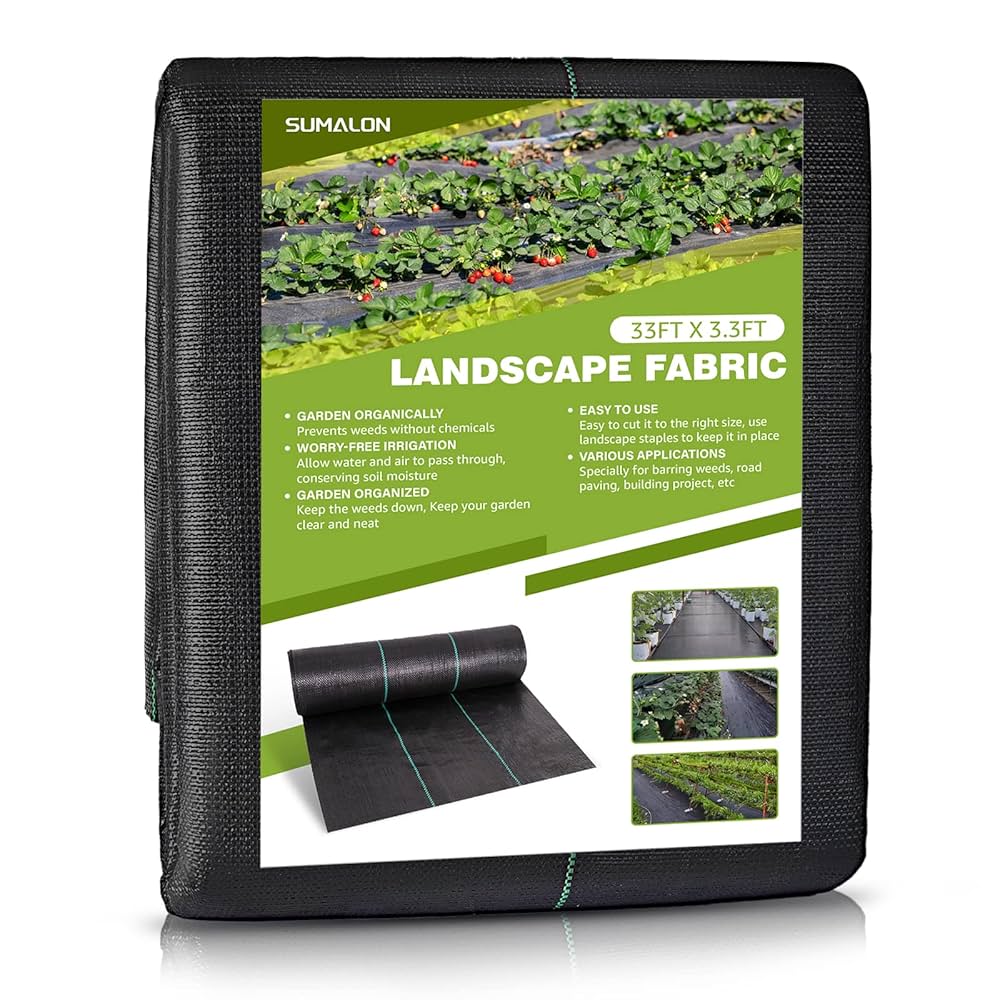
Landscaping fabric is a material used in gardening and yard work. It helps control weeds and protect soil.
This fabric is placed on the ground under mulch or rocks. It allows water and air to pass through.
Purpose Of Landscaping Fabric
Landscaping fabric stops weeds from growing by blocking sunlight. It keeps the soil healthy and clean.
It also reduces soil erosion and helps mulch stay in place during wind or rain.
Materials Used In Landscaping Fabric
Most landscaping fabrics are made from woven or non-woven polypropylene or polyester. These materials are strong and durable.
They come in different thicknesses and strengths for different garden needs.
The fabric has tiny holes that let water and air pass through. This helps plants get water and oxygen.
At the same time, it blocks sunlight from reaching weed seeds, stopping them from growing.
- Allows water to drain into soil
- Permits air flow to roots
- Blocks sunlight to reduce weeds

Credit: www.amazon.ca
How Landscaping Fabric Works
Landscaping fabric is a tool used in gardening and yard care. It helps control weeds while letting water reach the soil.
Understanding how landscaping fabric works can help you decide if it fits your gardening needs.
Material And Structure
Landscaping fabric is usually made from woven or non-woven synthetic materials. These materials create tiny holes in the fabric.
The tiny holes allow water and air to pass through. This helps plants get moisture and oxygen while blocking sunlight from weeds.
Water Permeability
Most landscaping fabrics are designed to be water permeable. This means water can flow through the fabric into the soil.
- Allows rain and irrigation to reach plant roots
- Prevents water from pooling on the surface
- Reduces soil erosion by holding soil in place
Weed Control Function
Landscaping fabric blocks sunlight from reaching weed seeds. Without sunlight, weed seeds cannot grow.
This reduces the number of weeds without the need for chemicals or frequent pulling.
Types Of Landscaping Fabric
| Type | Water Flow | Best Use |
| Woven Fabric | High permeability | Flower beds, vegetable gardens |
| Non-Woven Fabric | Moderate permeability | Paths, under mulch |
| Plastic Sheeting | Low permeability | Weed barrier, not for water flow |
Water Permeability Of Landscaping Fabric
Landscaping fabric is used to control weeds and maintain soil health. It is important to know if it allows water to pass through.
Water permeability is a key feature of landscaping fabric. It affects how the fabric interacts with soil and plants.
Types Of Fabrics And Their Porosity
Different fabrics have varied porosity levels. Porosity determines how well water can move through the fabric.
Porous fabrics let more water through. Non-porous fabrics block water better.
- Woven fabrics: Allow some water to pass
- Non-woven fabrics: Vary in water permeability
- Perforated fabrics: Designed for maximum water flow
Effect On Soil Moisture
Landscaping fabric impacts soil moisture. It helps maintain the right amount of water in the soil.
Too much water can harm plants. The right fabric helps balance moisture levels.
| Fabric Type | Moisture Control |
| Woven | Moderate |
| Non-woven | Varies |
| Perforated | High |
Impact On Drainage
Good drainage prevents waterlogging in soil. Landscaping fabric plays a role in drainage.
Proper drainage keeps plants healthy. Fabrics with high water permeability improve drainage.
- Improves water flow
- Prevents water buildup
- Supports plant health
Benefits Of Using Landscaping Fabric
Landscaping fabric is a useful material for garden and yard projects. It helps control weeds and protect soil.
This fabric allows water to pass through, so plants get the moisture they need. It also keeps the soil healthy.
Weed Control
Landscaping fabric blocks sunlight from reaching weed seeds. This stops many weeds from growing.
It reduces the need to pull weeds by hand or use chemicals. This saves time and keeps gardens neat.
Soil Erosion Prevention
The fabric holds soil in place during heavy rain or wind. This keeps the ground stable and prevents loss.
Using landscaping fabric helps keep plants safe by protecting their roots from being exposed.
Moisture Retention
Landscaping fabric lets water pass through to the soil below. This keeps the soil moist for plants.
It also slows down evaporation, so water stays longer. This means less frequent watering is needed.
Potential Drawbacks And Limitations
Landscaping fabric is used to control weeds and improve garden maintenance. It can block some water from reaching the soil. This can cause problems for plants and soil health.
Understanding the drawbacks helps gardeners decide if landscaping fabric fits their needs. Some issues include water flow restrictions, soil health concerns, and fabric durability problems.
Water Flow Restrictions
Landscaping fabric can slow down or block water from reaching the ground. This may cause water to pool on top or run off too quickly. Poor water flow affects plant growth and soil moisture.
- Fabric pore size may be too small for enough water to pass through.
- Heavy rain can create runoff instead of soaking into the soil.
- Water pooling can cause erosion or damage to plants.
- Dry soil under fabric can stress plant roots.
Soil Health Concerns
Using landscaping fabric changes how soil breathes and stays healthy. It can stop air, water, and nutrients from moving freely. This may harm beneficial soil organisms and reduce soil quality.
| Soil Issue | Effect of Fabric |
| Air circulation | Restricted, less oxygen for roots |
| Water movement | Slowed, causes dry patches |
| Nutrient flow | Limited, affects plant nutrition |
| Soil organisms | Reduced activity, harms ecosystem |
Fabric Durability Issues
Not all landscaping fabrics last long. Some break down quickly or tear easily. This can reduce their effectiveness and create maintenance problems.
- Cheap fabrics may degrade under sunlight fast.
- Sharp tools or foot traffic can cause tears.
- Fabric may become clogged with dirt, reducing water flow.
- Replacing worn fabric adds extra work and cost.
Best Practices For Installation
Landscaping fabric helps control weeds and manage soil. It lets water pass through to keep plants healthy. Proper installation makes sure it works well.
This guide covers choosing the right fabric, placing it correctly, and keeping it in good shape.
Choosing The Right Fabric
Pick fabric that allows water to flow through easily. Look for materials labeled “permeable” or “breathable.” This helps soil stay moist and plants grow better.
Thicker fabrics block more weeds but can reduce water flow. Thin fabrics let water pass but might tear faster. Balance your needs before buying.
- Choose woven or non-woven fabric for good water flow
- Avoid plastic sheets that trap water
- Pick UV-resistant fabric for longer life
Proper Placement Techniques
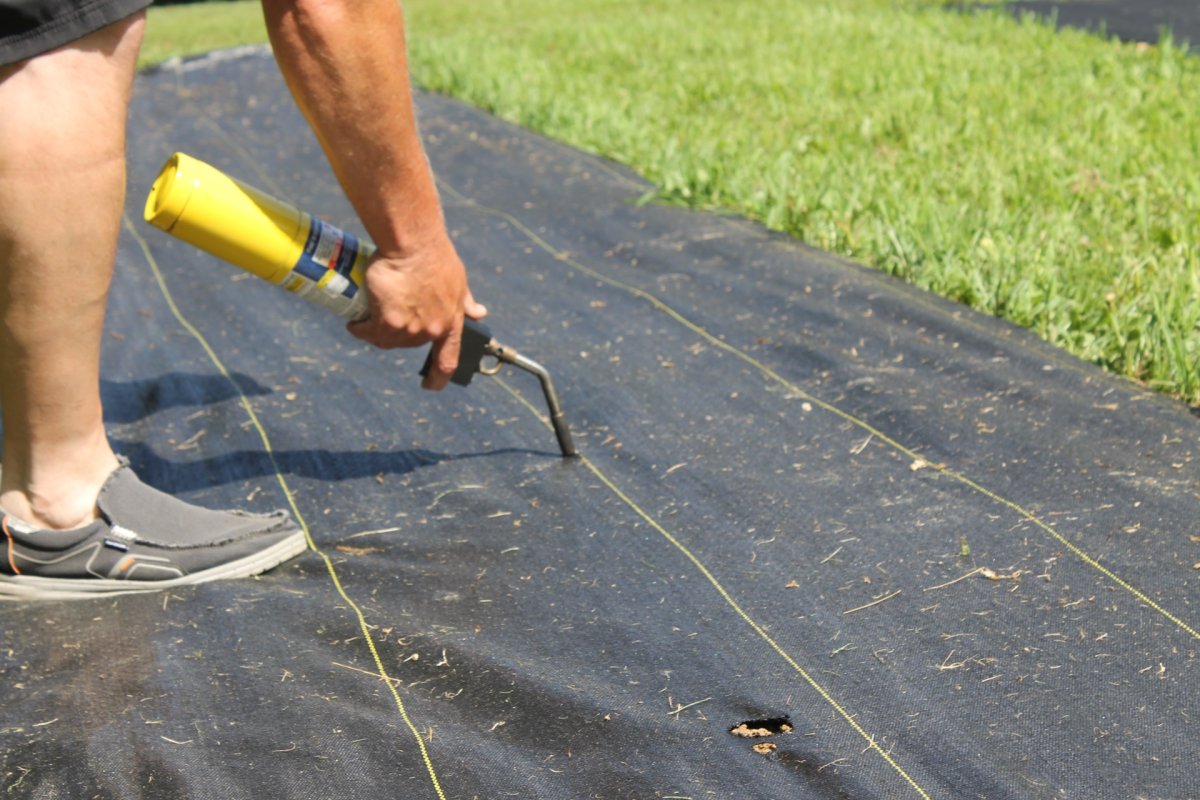
Clear the area of weeds and rocks before laying fabric. Smooth the soil to avoid gaps where weeds can grow. Overlap fabric edges to stop weeds from sneaking through.
Use landscape staples or pins to hold fabric tight. Cut holes only for plants, not too large. Cover fabric with mulch to protect it and keep soil moist.
- Remove debris and level the soil first
- Overlap edges by at least 6 inches
- Secure fabric firmly with staples every few feet
- Cut small holes for plants only
- Add mulch on top to protect fabric
Maintenance Tips
Check fabric regularly for tears or gaps. Fix holes quickly to stop weeds from growing. Keep mulch layer thick to shield fabric from sun and damage.
Remove weeds that grow on top of the fabric. Clean debris to keep water flowing well. Replace fabric if it wears out after several years.
- Inspect fabric every few months
- Patch holes with extra fabric or tape
- Keep mulch at least 2 inches thick
- Pull weeds from mulch, not fabric
- Replace fabric when it starts breaking down
Alternatives To Landscaping Fabric
Landscaping fabric is used to stop weeds and let water pass through. Some people want other options that work well with water flow. These alternatives can keep your garden healthy and reduce weeds.
Different materials can be used instead of fabric. They help keep soil moist and allow water to reach plants easily. Here are some good choices for your garden.
Organic Mulches
Organic mulches are natural materials like wood chips or leaves. They cover the soil and stop weeds from growing. These mulches also help keep the soil wet by holding moisture.
These mulches break down over time and add nutrients to the soil. This helps plants grow better and keeps the garden healthy.
- Wood chips
- Bark mulch
- Leaves
- Grass clippings
- Compost
Gravel And Stone
Gravel and stones are good for areas that do not need plants. They stop weeds and let water drain well. These materials help avoid soil erosion and keep the ground firm.
Gravel and stone do not decompose, so they last a long time. They also add a clean look to paths and garden edges.
- Pea gravel
- River rocks
- Crushed stone
- Flagstone pieces
Natural Ground Covers
Natural ground covers are low plants that spread over the soil. They reduce weeds by covering the ground. These plants also help keep moisture in the soil.
Ground covers add beauty and life to your garden. They work well in shady or sunny spots and need less care than grass.
- Creeping thyme
- Irish moss
- Ajuga
- Periwinkle
- Sweet woodruff

Credit: www.amazon.ca
Frequently Asked Questions
Does Landscaping Fabric Allow Water To Penetrate?
Yes, most landscaping fabrics are designed to be permeable. They allow water and air to pass through while blocking weeds. This helps maintain soil moisture and promotes healthy plant growth.
How Does Landscaping Fabric Affect Soil Drainage?
Landscaping fabric improves soil drainage by letting excess water flow through. It prevents water pooling and soil erosion. This ensures plants receive adequate moisture without waterlogging.
Can Landscaping Fabric Prevent Water Runoff?
Landscaping fabric can reduce water runoff by absorbing and filtering rainwater. It slows down water flow, allowing better soil absorption. This helps minimize erosion on slopes and garden beds.
Is Landscaping Fabric Waterproof Or Water-resistant?
Landscaping fabric is water-resistant, not waterproof. It lets water seep through but blocks debris and weeds. This balance helps maintain soil health and prevents water buildup.
Conclusion
Landscaping fabric allows water to pass through its fibers. This helps plants get the moisture they need. It also stops weeds from growing in unwanted areas. Choosing the right fabric is important for good garden health. Make sure to place it properly under soil or mulch.
This way, water drains well and plants stay healthy. Using landscaping fabric can save time and effort in garden care. It keeps your garden neat while supporting plant growth. Simple and effective, this fabric works well for many gardeners.