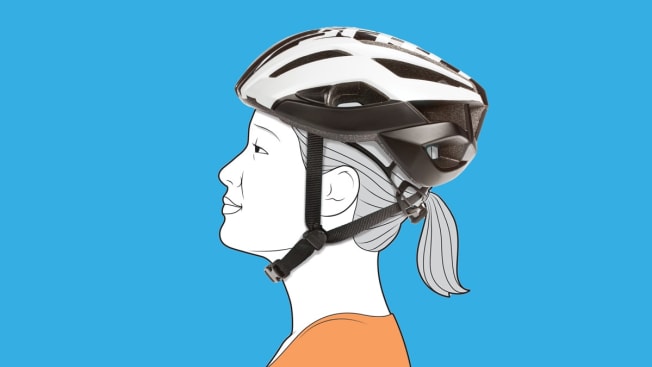
Choosing the right bike helmet is more important than you might think. It’s not just about safety—it’s about comfort, style, and making sure you feel confident every time you hit the road or trail.
But with so many options out there, how do you know which one is best for you? This guide will help you cut through the confusion and find a helmet that fits perfectly, protects fully, and matches your riding style.
Keep reading, because your next ride could depend on the choice you make today.

Credit: www.specialized.com
Importance Of A Good Helmet
A bike helmet protects your head during accidents. It can reduce the risk of serious injury.
Choosing the right helmet is important for safety and comfort. A good helmet fits well and meets safety standards.
Safety Benefits
A good helmet absorbs impact in a crash. It helps prevent head injuries like cuts and concussions.
Helmets are designed to protect the skull and brain. Wearing one can save your life in a fall or collision.
- Reduces risk of brain injury
- Protects the skull from fractures
- Helps absorb shock from impacts
- Improves visibility with bright colors or reflectors
Legal Requirements
Many places require bike helmets by law. These rules keep riders safer on the road.
Wearing a helmet can prevent fines or penalties. It shows you follow safety laws and respect others.
- Check local helmet laws before riding
- Some areas require helmets for all ages
- Others only require helmets for children
- Following laws helps reduce accidents
Impact On Riding Experience
A well-chosen helmet improves comfort while riding. It fits snugly without feeling tight or loose.
Good helmets have ventilation to keep you cool. They also reduce wind noise and help you focus on the road.
- Proper fit prevents helmet movement
- Ventilation keeps your head cool
- Lightweight materials reduce fatigue
- Visors protect eyes from sun and rain

Credit: escapecollective.com
Types Of Bike Helmets
Choosing the right bike helmet is important for safety. Different helmets fit different types of riding.
Here are the main types of bike helmets you can select from.
Road Bike Helmets
Road bike helmets are light and well-ventilated. They help keep you cool on long rides.
These helmets have a sleek design for speed and comfort.
- Lightweight for easy riding
- Many vents for airflow
- Aerodynamic shape
Mountain Bike Helmets
Mountain bike helmets offer extra protection on rough trails. They cover more of your head.
These helmets usually have a visor to shield your eyes from sun and branches.
- Strong outer shell for impact
- Extended coverage at the back
- Visor for sun and debris protection
Commuter Helmets
Commuter helmets focus on comfort and visibility. They are good for city riding.
These helmets often include reflective parts and sometimes lights.
- Comfort padding for daily use
- Reflective strips for safety
- Visors or built-in lights
Full-face Helmets
Full-face helmets give the most protection. They cover the entire head and face.
These helmets are common in downhill and BMX biking.
- Complete face and chin coverage
- Strong and heavy for impact protection
- Used in extreme riding sports
Key Safety Features
Selecting the right bike helmet is crucial for safety. Helmets protect your head in accidents. Knowing key safety features helps you choose the best helmet.
Focus on features that enhance safety. These include certification standards, impact protection technologies, and visibility enhancements.
Certification Standards
Certification ensures that helmets meet safety standards. Look for certification labels on the helmet.
These labels show that the helmet was tested for safety. Common certifications include CPSC, ASTM, and EN1078.
- CPSC is required in the USA
- ASTM is used for sports helmets
- EN1078 is common in Europe
Impact Protection Technologies
Impact protection is crucial for reducing injury. Helmets use different technologies to absorb impact.
Look for features like MIPS or foam layers. These technologies help protect your brain during a crash.
- MIPS reduces rotational forces
- Foam layers absorb impact energy
- Dual-density foam provides better protection
Visibility Enhancements
Being visible to others is important. Helmets can improve your visibility with special features.
Look for bright colors and reflective elements. Some helmets even have built-in lights.
- Bright colors make you easy to see
- Reflective elements catch headlights
- Built-in lights enhance night visibility

Credit: www.specialized.com
Finding The Right Fit
Choosing a bike helmet means picking one that fits well. A proper fit keeps you safe and comfortable. This guide covers how to find the right fit for your helmet.
We will look at measuring your head, adjustable fit systems, and how to check the fit and comfort of your helmet.
Measuring Your Head
Measure your head to know what helmet size you need. Use a soft tape measure or string.
- Place the tape around your head just above your eyebrows.
- Wrap it over the widest part of the back of your head.
- Keep the tape level and snug, but not tight.
- Note the measurement in centimeters or inches.
- Compare your measurement to helmet size charts.
Adjustable Fit Systems
Most helmets have adjustable systems to help you get a secure fit. These systems change how the helmet sits on your head.
| Type | Description |
| Dial Fit | A small knob tightens or loosens the helmet around your head. |
| Straps | Adjustable straps secure the helmet under your chin and around your ears. |
| Padding | Removable pads can be added or removed to improve fit and comfort. |
Checking Fit And Comfort
Try the helmet on to see if it fits well and feels comfortable. Check these points:
- The helmet should sit level on your head, not tilted back or forward.
- It should feel snug but not too tight.
- You should not be able to move it side to side or up and down easily.
- The straps should form a “V” under your ears and fasten securely under your chin.
- Wear the helmet for a few minutes to test comfort.
Comfort And Ventilation
Choosing the right bike helmet means thinking about comfort and ventilation. These two factors keep you safe and happy while riding.
A helmet that fits well and breathes air helps you enjoy every ride. Let’s explore how vent design, padding materials, and weight affect comfort.
Vent Design
Good vent design lets air flow through the helmet. This cools your head and stops sweat from building up.
Look for helmets with many vents placed in smart spots. These vents push hot air out and pull fresh air in.
- Front vents bring in cool air
- Top vents help heat escape
- Rear vents allow warm air to flow out
Padding Materials
Padding makes the helmet soft and snug on your head. It also helps absorb sweat and keep you dry.
Choose helmets with removable, washable padding. Look for materials that feel soft and dry quickly.
- Foam pads add comfort and shock absorption
- Moisture-wicking fabric keeps sweat away
- Removable pads make cleaning easy
Weight Considerations
Lighter helmets feel better on your head for a long time. Heavy helmets can cause neck pain and discomfort.
Check the helmet weight before buying. Pick a helmet that balances lightness with strong protection.
- Lightweight helmets reduce fatigue
- Strong materials keep you safe without extra weight
- Try on helmets to feel the weight difference
Additional Features To Consider
Selecting a bike helmet involves more than just fit and safety ratings. Some helmets come with extra features that add comfort and convenience. These features can improve your riding experience.
Understanding these additions helps you pick a helmet that matches your needs and style. Here are some features to think about before you buy.
Removable Liners
Removable liners make cleaning your helmet easier. You can take them out to wash sweat and dirt away. This keeps the helmet fresh and hygienic.
- Wash liners by hand or machine as allowed
- Replace worn liners without buying a new helmet
- Helps reduce odor over time
- Some liners offer extra padding for comfort
Integrated Lights And Cameras
Some helmets have built-in lights or cameras. Lights can improve your visibility on the road. Cameras let you record rides for safety or fun.
| Feature | Benefit |
| Rear Lights | Increase visibility to drivers |
| Front Lights | Illuminate your path |
| Built-in Cameras | Record rides and incidents |
| Rechargeable Batteries | Easy to power on the go |
Compatibility With Accessories
Check if your helmet works with extra gear. Some helmets fit with visors, communication devices, or mounts. Compatibility adds more use to your helmet.
- Visors protect from sun and rain
- Bluetooth devices allow hands-free calls
- Camera mounts hold action cameras securely
- Ear pads for warmth in cold weather
Maintenance And Replacement Tips
Keeping your bike helmet clean and well-maintained helps it last longer. It also keeps you safe while riding.
Knowing when to replace your helmet is just as important. Proper storage protects your helmet from damage.
Cleaning Your Helmet
Clean your helmet regularly to remove dirt and sweat. Use mild soap and warm water for cleaning.
Avoid strong chemicals or solvents. They can weaken the helmet’s materials and reduce safety.
- Remove padding and wash it separately if possible
- Use a soft cloth or sponge to clean the shell
- Rinse thoroughly and air dry away from direct sunlight
When To Replace Your Helmet
Replace your helmet after a crash or impact, even if no damage is visible. The helmet may be weakened.
Helmets should also be replaced every 3 to 5 years. Materials break down over time and lose protection.
- Look for cracks, dents, or damaged straps
- Check the foam lining for signs of wear
- Follow the manufacturer’s replacement guidelines
Storage Best Practices
Store your helmet in a cool, dry place away from direct sunlight. Heat can damage the helmet’s materials.
Avoid placing heavy objects on the helmet. This can deform the shape and reduce safety.
- Keep the helmet on a soft surface or helmet stand
- Do not store near chemicals or solvents
- Use a helmet bag for extra protection during transport
Frequently Asked Questions
What Size Bike Helmet Should I Choose?
Choose a helmet that fits snugly without pressure points. Measure your head circumference and check the size chart. A proper fit ensures safety and comfort during rides.
How To Check If A Bike Helmet Is Safe?
Look for safety certifications like CPSC, ASTM, or Snell labels. These indicate the helmet meets safety standards for impact protection and durability.
What Features Matter Most In A Bike Helmet?
Prioritize fit, ventilation, weight, and adjustable straps. Good ventilation keeps you cool, while adjustable straps enhance security and comfort.
When Should I Replace My Bike Helmet?
Replace your helmet every 3-5 years or after a crash. Helmets degrade over time and may not protect effectively after impact.
Conclusion
Choosing the right bike helmet keeps you safe on every ride. Focus on fit, comfort, and safety ratings first. A helmet that fits well protects your head better. Don’t forget to check for ventilation and weight. Always replace your helmet after a crash or if it feels damaged.
Wearing a good helmet builds confidence and helps prevent injuries. Take your time to pick one that suits your needs. Stay safe and enjoy your cycling adventures with the proper helmet. Safety matters most—wear your helmet every time you ride.