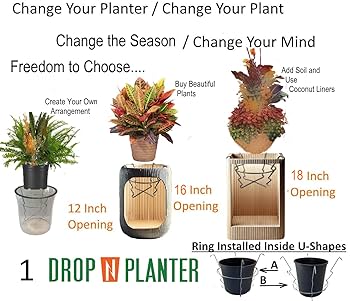
Are you struggling to find the perfect filler for your large planters? Choosing the right filler can make all the difference in how your plants grow and how your space looks.
Whether you want to save money, improve drainage, or simply fill up empty space, the options you pick matter. You’ll discover simple and effective fillers that work best for big planters. Keep reading to find out how to give your plants the support they need while making your planter look amazing.
Choosing Fillers For Large Planters
Large planters need the right fillers to keep plants healthy. Fillers support roots and improve drainage.
Choosing the right filler helps your plants grow strong and stay fresh longer.
Benefits Of Using Fillers
Fillers add several advantages to large planters. They make the soil lighter and improve water flow.
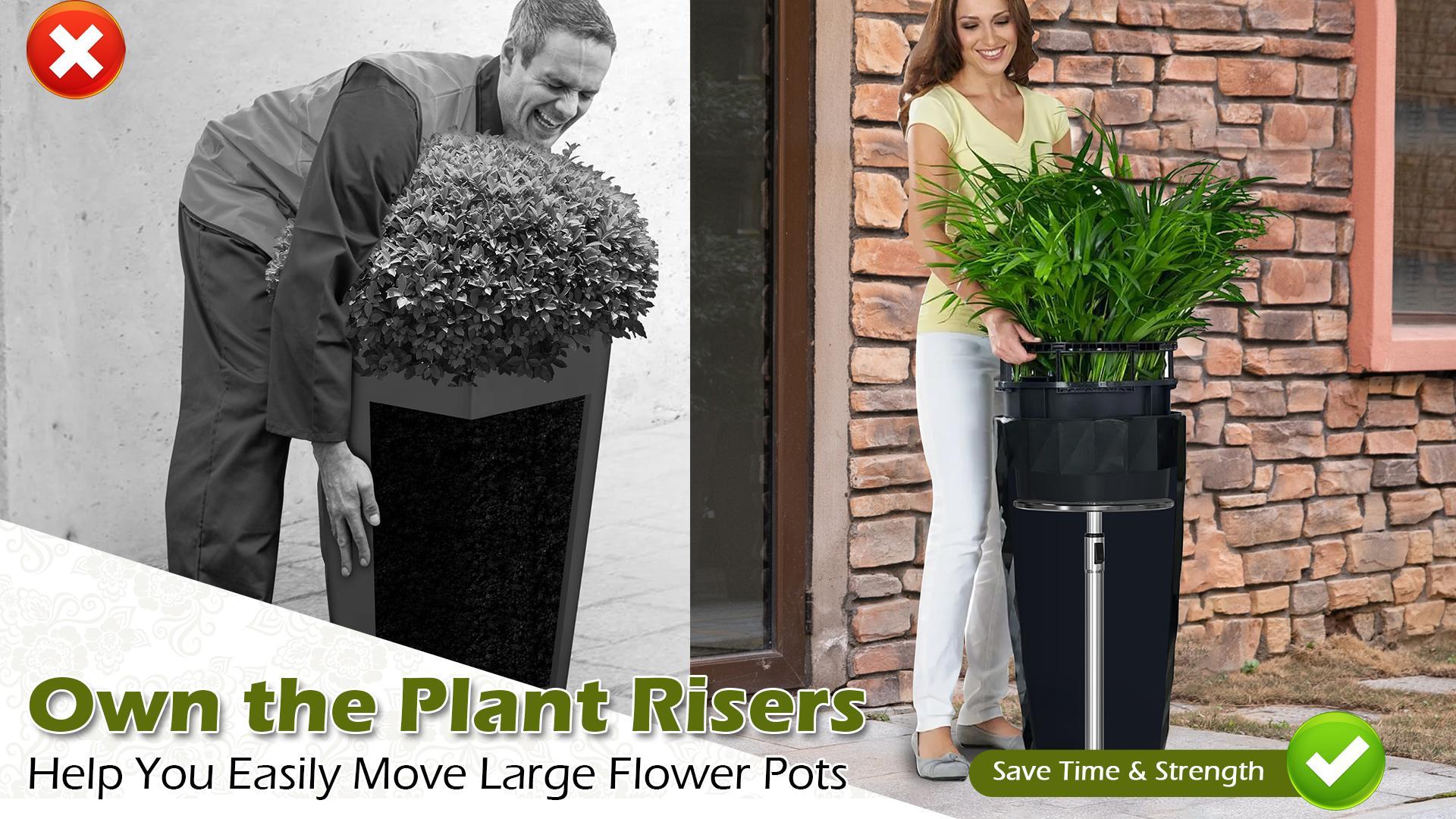
- Reduce soil weight for easier moving
- Improve drainage and prevent waterlogging
- Save money by using less potting soil
- Create space for plant roots to grow
- Help keep plants stable in windy conditions
Types Of Fillers Available
Many materials work well as fillers. Each type has benefits and suits different plants.
| Filler Type | Description | Best Use |
| Styrofoam | Light, breaks down slowly | Indoor planters, lightweight needs |
| Gravel | Improves drainage, heavy | Outdoor planters, stability needed |
| Broken Pots | Recycled clay, good drainage | Garden planters, eco-friendly option |
| Wood Chips | Natural, retains moisture | Plants needing moisture, outdoor use |
| Leaves or Straw | Organic, decomposes fast | Temporary filler, soil enrichment |

Credit: www.amazon.ca
Lightweight Materials To Save Space
Large planters can be heavy when filled with soil. Using lightweight materials as fillers helps save space and makes moving them easier.
These fillers are simple to use and can be found at home. They keep your planters light and easy to handle.
Styrofoam And Foam Blocks
Styrofoam and foam blocks are great fillers for planters. They are lightweight and provide good drainage.
Cut foam blocks to fit the bottom of the planter. This saves space and reduces the need for soil.
- Easy to cut and shape
- Provides excellent drainage
- Reduces the weight of the planter
Plastic Bottles And Containers
Plastic bottles and containers can be used as fillers. They are eco-friendly and help recycle waste.
Place empty bottles at the bottom of the planter. Fill the remaining space with soil. This method reduces the amount of soil needed.
- Recycles household waste
- Lightens the weight of the planter
- Reduces soil usage
Organic Fillers For Better Drainage
Large planters need good drainage to keep plants healthy. Organic fillers help water flow and stop soil from packing too tight. Using natural materials can also add nutrients as they break down.
Here are two common organic fillers that improve drainage and support plant growth in big containers.
Wood Chips And Bark
Wood chips and bark are lightweight fillers that create air pockets in soil. These pockets let water drain freely and roots breathe. They also slowly decompose, adding organic matter to the planter.
- Use untreated wood chips to avoid chemicals
- Mix bark with soil for better texture
- Replace chips every year as they break down
- Keep wood chips away from direct contact with plant stems
Pinecones And Leaves
Pinecones and dry leaves make excellent fillers for large planters. They create space for water to drain and air to circulate. As they decompose, they add nutrients and improve soil structure.
| Material | Drainage Benefit | Additional Effect |
| Pinecones | Creates large air pockets | Slow decomposition adds organic matter |
| Leaves | Loosens soil texture | Boosts nutrient content as they break down |
Credit: www.amazon.com
Repurposed Items As Fillers
Using repurposed items as fillers in large planters saves money and helps the environment. These materials also improve drainage and reduce soil use.
Many household or construction leftovers work well as planter fillers. They add weight and keep plants healthy by allowing excess water to flow away.
Broken Pottery And Bricks
Broken pottery pieces and bricks make excellent fillers for large planters. They create air pockets that improve drainage.
These materials are heavy, so they help keep tall plants stable. Use clean, sharp pieces to avoid damaging roots.
- Use large shards for better airflow
- Avoid painted pottery to prevent chemicals
- Place pieces at the bottom of the planter
Gravel And Pebbles
Gravel and pebbles are popular filler materials for planters. They allow water to drain quickly and stop soil from clogging drainage holes.
These items are easy to find and come in various sizes. Choose sizes that fit your planter size and plant needs.
- Small gravel works well for drainage layers
- Pebbles add decorative appeal on top
- Rinse before use to remove dust
Combining Fillers For Optimal Use
Large planters need fillers to support plants and keep soil in place. Using the right fillers together helps balance space and weight. This creates a healthy environment for your plants.
Combining different fillers can improve drainage and reduce the amount of soil needed. This saves money and prevents water from pooling at the bottom of the planter.
Layering Techniques
Layering fillers helps create a stable base in large planters. Start with heavy materials at the bottom to improve drainage. Then add lighter fillers on top to hold soil and roots.
- Use gravel or broken pottery pieces as the first layer
- Add a layer of coarse sand or small pebbles above the gravel
- Top with a layer of organic material like compost or peat moss
- Finish with good quality potting soil for planting
Balancing Weight And Space
Heavy fillers reduce planter weight but take up more space. Light fillers save space but may not support plants well. Find the right balance for your planter’s size and plants.
| Filler Type | Weight | Space Taken | Best Use |
| Gravel | Heavy | High | Bottom drainage layer |
| Perlite | Light | Low | Soil aeration |
| Expanded Clay | Medium | Medium | Drainage and root support |
| Peat Moss | Light | Low | Soil moisture retention |

Credit: www.amazon.ca
Tips For Filling Large Planters Efficiently
Large planters need proper filling to support healthy plants. Using the right materials saves money and effort. It also helps plants grow better and stay strong.
Knowing how much and what to use inside large containers makes planting easier. Follow these tips to fill planters well and keep plants healthy.
Measuring And Planning
Measure your planter’s size before filling. Calculate the volume to know how much filler you need. Planning saves waste and makes filling faster.
- Measure the planter’s height, width, and depth in inches or centimeters.
- Multiply these numbers to find the cubic volume.
- Decide what materials to use based on the volume and plant needs.
- Prepare enough filler so you don’t run out midway.
Maintaining Plant Health
Good filler supports drainage and root growth. Avoid heavy materials that block water. Keep soil nutrients balanced for strong plants.
| Filler Material | Benefits | Drawbacks |
|---|---|---|
| Expanded Clay Pebbles | Lightweight, good drainage | Can dry out quickly |
| Broken Pottery Pieces | Cheap, adds weight | Sharp edges may harm roots |
| Styrofoam Balls | Very light, saves soil | Not biodegradable |
| Organic Compost | Adds nutrients | May compact over time |
Frequently Asked Questions
What Materials Work Best As Filler For Large Planters?
Common fillers include gravel, broken pottery, foam peanuts, and soil. These materials improve drainage and reduce soil use. Choose fillers based on planter size and plant needs to promote healthy root growth.
Can I Use Recyclable Items As Planter Fillers?
Yes, items like crushed bricks, broken terra cotta pots, and recycled foam can be used. They are eco-friendly and improve drainage. Avoid materials that retain water excessively or degrade quickly.
How Does Filler Improve Large Planter Drainage?
Filler creates space at the bottom of planters, allowing water to flow freely. It prevents waterlogging, which can cause root rot. Proper drainage keeps plants healthy and promotes strong root development.
Is Using Soil Alone Enough For Large Planter Filling?
Using only soil can lead to poor drainage and heavy weight. Fillers reduce soil volume, improve aeration, and lighten the planter. Combining fillers with soil creates an optimal growing environment.
Conclusion
Choosing the right filler helps large planters stay stable and healthy. Use lightweight materials like foam or gravel to save space. Soil or compost improves plant growth and holds moisture. Empty space can cause plants to topple or dry out quickly.
Mix fillers to balance weight, drainage, and nutrients. This keeps your plants safe and thriving. Try different fillers to find what works best for your garden. Healthy plants start with good planter care. Keep experimenting and enjoy your beautiful green space!