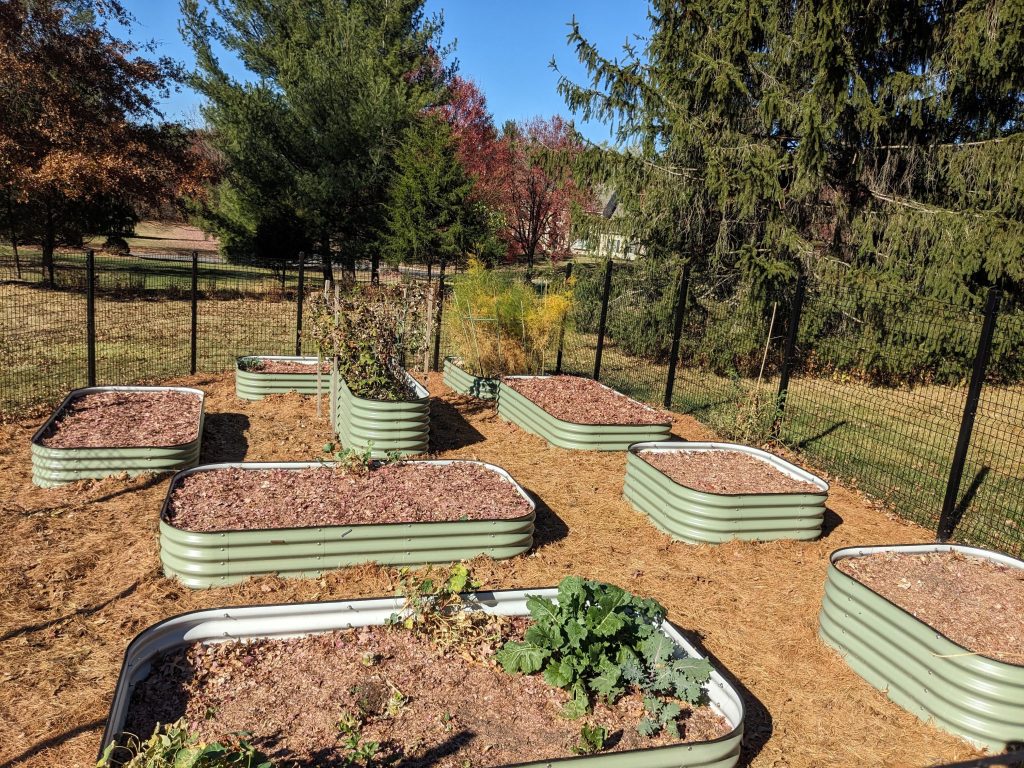
Are you tired of seeing your hard work in the garden ruined by hungry deer? You’re not alone.
Deer can quickly turn your beautiful raised garden beds into their personal buffet, leaving you frustrated and wondering how to protect your plants. The good news is, there are simple and effective ways to keep deer away without harming them or your garden.
You’ll discover practical tips and proven strategies that will help you enjoy a thriving garden, free from unwanted visitors. Keep reading to learn how to safeguard your raised beds and watch your plants flourish.

Credit: www.reddit.com
Choosing Deer-resistant Plants
Deer can damage raised garden beds by eating the plants. Choosing plants that deer avoid helps protect your garden. Some plants taste bad or smell strong to deer.
Picking the right plants can reduce deer visits. This guide explains which plants work best. It also shows how to plant them to keep deer away.
Best Plants To Deter Deer
Deer dislike certain plants because of their smell, taste, or texture. Planting these can help keep them out of your raised beds.
- Lavender – strong scent that deer avoid
- Marigold – bitter taste and bright flowers
- Sage – tough leaves and strong aroma
- Rosemary – woody stems and pungent smell
- Foxglove – toxic if eaten by deer
- Yarrow – bitter leaves and flowers
- Alliums – garlic and onion relatives with strong odor
Companion Planting Strategies
Planting deer-resistant plants near sensitive crops can protect them. This method uses natural barriers and smells to keep deer away.
| Plant | Companion Benefit |
| Lavender | Repels deer from nearby vegetables |
| Marigold | Protects tomatoes and peppers |
| Sage | Shields herbs and lettuces |
| Rosemary | Guards beans and carrots |
| Alliums | Keeps deer away from fruit bushes |
Physical Barriers For Protection
Deer can damage raised garden beds by eating plants. Using physical barriers helps keep them out. These barriers stop deer from reaching your vegetables and flowers.
Strong and tall barriers are the best way to protect your garden. You can use fences, netting, or covers to keep deer away.
Fence Types And Heights
Fences are the most common way to keep deer out. Choose a fence that is tall and sturdy enough to block deer.
Deer can jump high, so your fence should be at least 8 feet tall. There are different fence types you can use.
- Wire Mesh Fences:Strong and hard for deer to push through.
- Electric Fences:Give a mild shock to scare deer away.
- Wooden Fences:Solid barriers but need to be tall enough.
- Deer Fences:Special mesh with small holes to block deer.
Netting And Covers
Netting can cover plants and stop deer from reaching them. Use strong netting that does not tear easily.
Covers protect plants from deer and other animals. They work well for small raised beds or young plants.
- Bird Netting:Lightweight and keeps deer out if secured well.
- Garden Fabric Covers:Protect plants while letting light in.
- Plastic or Wire Frames:Hold netting above plants to avoid damage.
Natural Repellents And Scents
Deer love to munch on garden plants. Keeping them out can be a challenge.
Natural repellents and scents offer a safe way to protect your raised garden beds.
Homemade Repellent Recipes
You can make your own deer repellent at home. It’s easy and cost-effective.
- Mix eggs, water, and garlic for a spray.
- Add hot pepper flakes for extra strength.
- Spray on plants every two weeks.
Commercial Repellent Options
If you prefer ready-made solutions, commercial repellents are available.
| Brand | Type | Application |
| Deer-Off | Spray | Every 4 weeks |
| Liquid Fence | Granules | Monthly |
| Bobbex | Spray | Bi-weekly |

Credit: www.aol.com
Garden Layout And Maintenance
Keeping deer away from raised garden beds helps protect plants. Garden layout and regular upkeep are key to this task.
Smart plant placement and cleaning your garden often reduce deer visits. These steps make your garden less inviting for deer.
Strategic Plant Placement
Planting deer-resistant plants around your garden beds creates a natural barrier. Deer avoid certain smells and textures.
- Place strong-smelling herbs like rosemary and lavender near bed edges.
- Use thorny or tough plants such as holly or barberry as borders.
- Mix deer-resistant plants with your vegetables to confuse deer.
- Keep high-value crops in the center, away from easy access.
Regular Garden Cleanup
Cleaning your garden removes debris and fallen fruit that attract deer. It also limits hiding spots near your beds.
| Cleanup Task | Frequency |
| Remove fallen fruit and vegetables | Weekly |
| Clear weeds and tall grass around beds | Biweekly |
| Trim back shrubs close to garden | Monthly |
| Check for and seal holes in fences | Monthly |
Using Motion And Sound Deterrents
Deer can damage raised garden beds by eating plants and digging up soil. Using motion and sound deterrents can keep deer away without harming them.
These methods work by surprising deer or making the area uncomfortable for them. They help protect your garden while you enjoy your plants.
Motion-activated Sprinklers
Motion-activated sprinklers spray water when they detect movement near your garden beds. This sudden spray scares deer and stops them from coming close.
- Set sprinklers at the edges of your garden beds
- Adjust sensitivity to avoid false triggers from small animals
- Use timers to save water during rainy days
- Position sprinklers to cover all vulnerable areas
- Check and refill water supply regularly
Noise Makers And Lights
Noise makers and lights create sounds and flashes that frighten deer. They make the garden less inviting and help keep deer away.
| Type | Description | Benefits |
| Ultrasonic Devices | Emit high-frequency sounds | Humans cannot hear them |
| Wind Chimes | Produce gentle sounds when wind blows | Natural and decorative |
| Flashing Lights | Turn on with motion detection | Startle deer at night |
| Battery-Powered Noisemakers | Random sounds like claps or bangs | Keep deer guessing |
Community And Wildlife Considerations
Protecting raised garden beds from deer involves thinking about both your garden and the local wildlife. Deer are part of the community, so solutions should respect their habits.
Keeping deer away without harming them helps maintain balance between nature and gardening needs. This way, everyone benefits.
Local Deer Activity Patterns
Deer usually feed at dawn and dusk. They follow paths near forests or water. Understanding these habits helps protect your garden.
Deer tend to avoid noisy or bright areas. They like places with cover to hide from predators. Knowing this helps plan where to place barriers.
- Feed mostly early morning and late evening
- Use familiar trails near woods or streams
- Avoid open, noisy, or brightly lit spaces
- Seek cover for safety
Balancing Wildlife And Garden Needs
Use deer-friendly fences that let smaller animals pass through. This keeps wildlife safe and stops deer from eating plants.
Plant deer-resistant plants around your garden edges. This natural barrier can reduce deer visits without harming them.
- Choose fences with openings for small wildlife
- Use plants deer dislike as border guards
- Avoid harmful repellents or traps
- Keep the garden tidy to reduce hiding spots

Credit: www.reddit.com
Frequently Asked Questions
How Can I Prevent Deer From Entering Raised Garden Beds?
Install a tall fence around your garden beds. Use deer-resistant plants and apply natural repellents regularly to deter deer.
What Plants Help Keep Deer Away From Gardens?
Deer dislike strong-smelling plants like lavender, rosemary, and garlic. Planting these around beds can reduce deer visits effectively.
Are Natural Deer Repellents Effective For Raised Garden Beds?
Yes, natural repellents like garlic spray and soap bars work well. Reapply after rain for continuous protection from deer.
How High Should A Fence Be To Keep Deer Out?
A fence should be at least 8 feet tall. Deer can jump high, so taller fences offer better protection.
Conclusion
Keeping deer out of raised garden beds takes patience and effort. Use fences, repellents, and plants deer avoid. Regularly check your garden for new signs of deer. Stay consistent with your chosen methods for best results. Protecting your plants means enjoying a healthy, thriving garden.
Small steps add up to big success. Keep your garden safe and deer-free all season long.