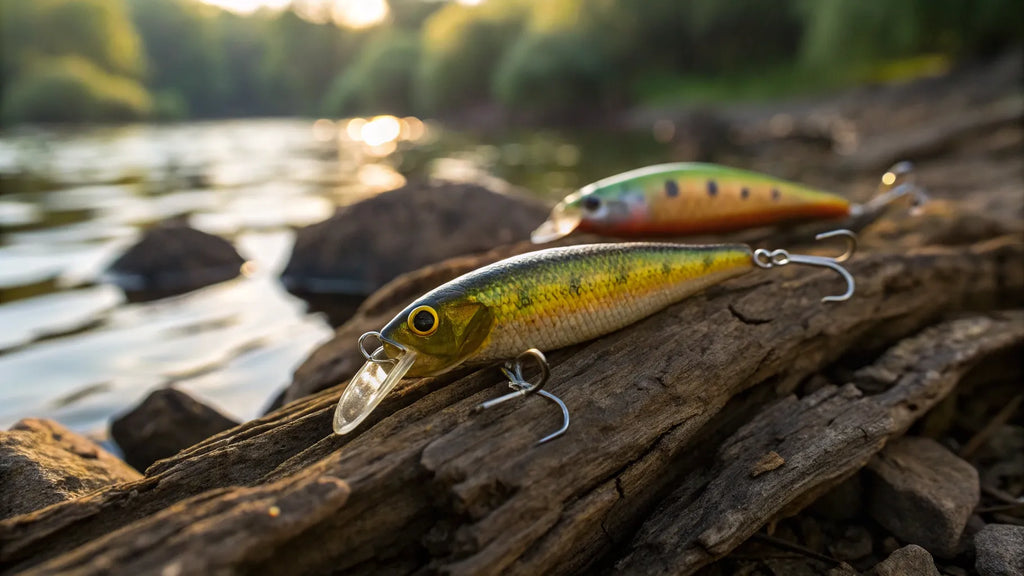
Are you planning a fishing trip and wondering if you can bring your favorite fishing lures on a plane? It’s a common question that can save you time, money, and stress at the airport.
You don’t want to get stuck without your trusted gear or face unexpected delays because of unclear rules. You’ll discover exactly what you need to know about carrying fishing lures on flights. Keep reading to make sure your trip starts smoothly and your fishing adventure goes off without a hitch.
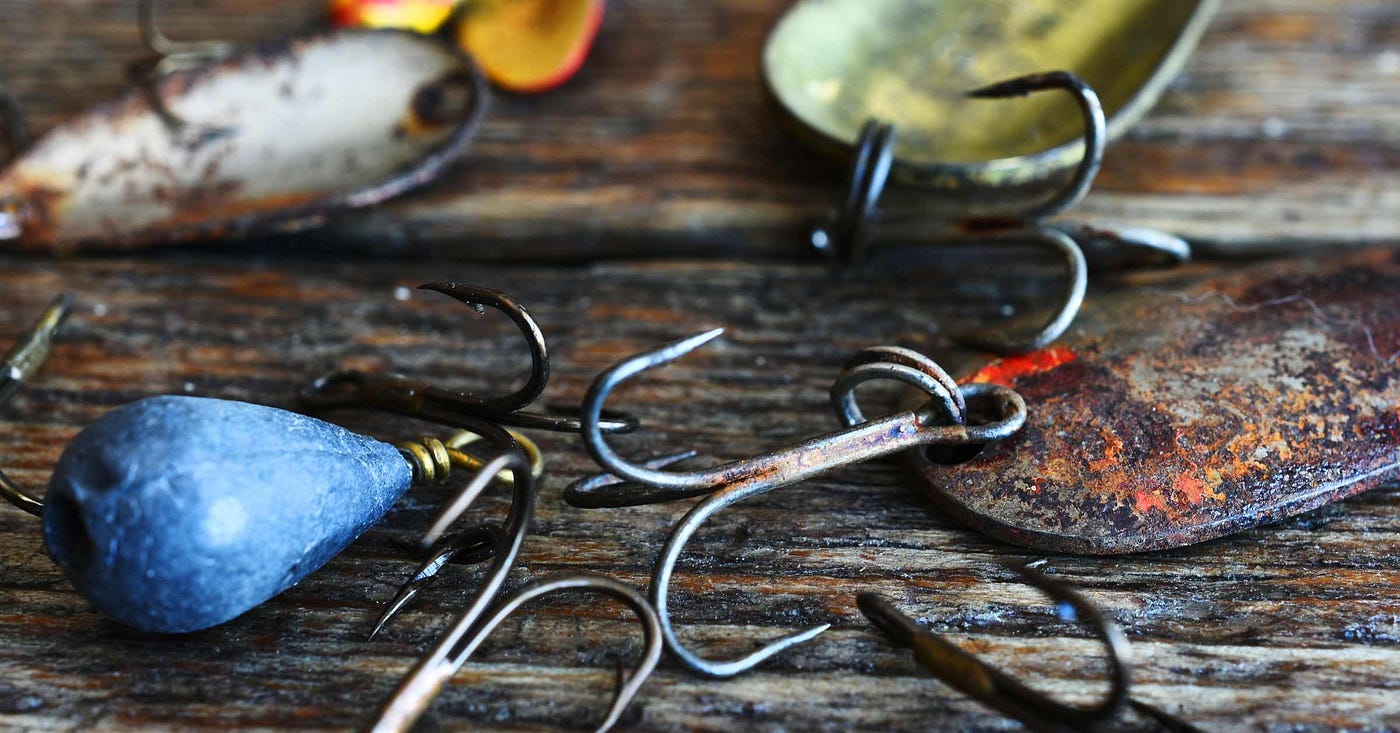
Credit: veronicahanson.medium.com
Carry-on Vs Checked Bags
When flying with fishing lures, you must know the rules for carry-on and checked bags. Different rules apply to each type of luggage.
Knowing these rules helps you avoid delays or losing your fishing gear at airport security.
Rules For Carry-on Lures
Most fishing lures are allowed in carry-on bags. You can bring hooks, but they must be safely packed to avoid injury.
Sharp hooks can be a problem if not secured. Airlines and security ask that hooks are covered or stored in a tackle box.
- Hooks should be covered or stored in a hard container
- Keep lures organized to avoid loose sharp items
- Check with your airline for any special rules
- Avoid carrying fishing knives or scissors with blades over 4 inches
Guidelines For Checked Luggage
You can pack fishing lures in checked bags with fewer restrictions. Hooks and lures do not need to be covered as strictly.
Still, pack your fishing gear carefully. Use a tackle box or wrap lures to prevent damage and injury to baggage handlers.
- Use a sturdy tackle box or container for lures and hooks
- Wrap sharp items in cloth or bubble wrap
- Keep lures separate from other items to avoid tangling
- Check airline and TSA rules for any updates
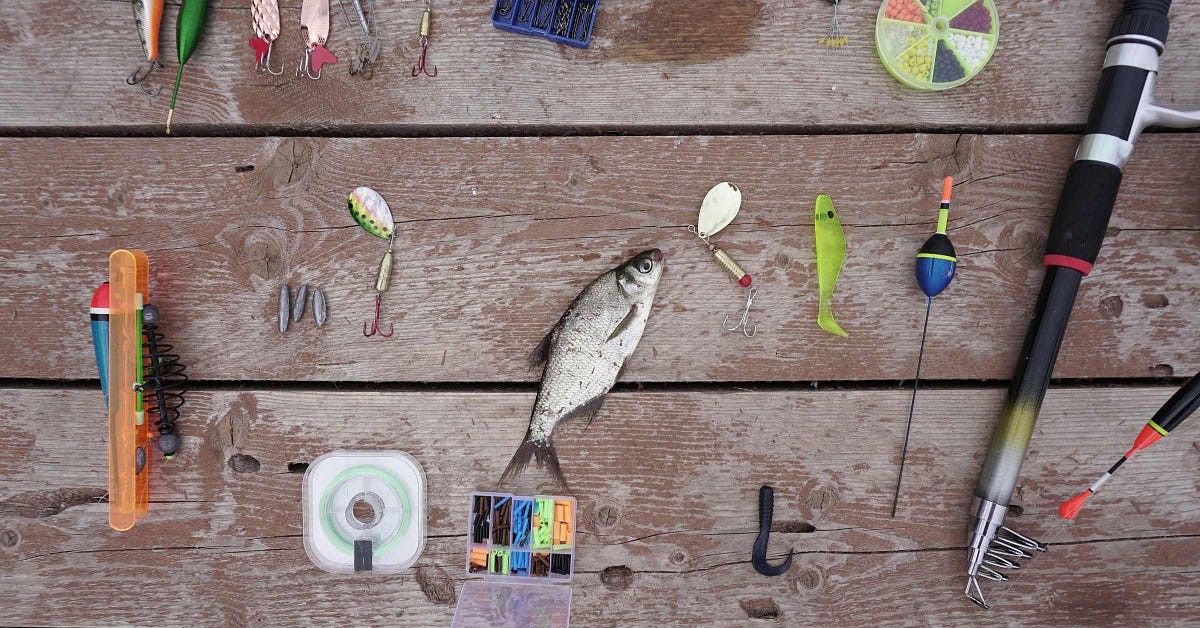
Credit: veronicahanson.medium.com
Types Of Fishing Lures Allowed
Traveling with fishing lures on a plane can be tricky. Knowing which types are allowed helps you pack smartly. Let’s explore the types of fishing lures you can bring.
Different rules apply to various kinds of lures. This guide explains which lures you can take with you when you fly.
Soft Baits And Plastics
Soft baits and plastics are popular among anglers. They are flexible and mimic real bait effectively. These are generally allowed in carry-on bags.
- Worms
- Grubs
- Soft frogs
Metal And Hard Lures
Metal and hard lures include spinners, spoons, and crankbaits. These lures are heavier and more durable. They are usually allowed in checked luggage.
| Lure Type | Allowed in Carry-On | Allowed in Checked |
| Spoons | No | Yes |
| Spinners | No | Yes |
| Crankbaits | No | Yes |
Live Bait Restrictions
Live bait has stricter rules. Airlines often restrict it due to biohazard concerns. Always check with your airline before your flight.
Security Screening Process
Flying with fishing lures requires understanding airport security rules. The screening process checks all items for safety.
TSA agents use machines and inspections to find any dangerous objects in your luggage. Knowing what they look for helps you prepare.
What Tsa Looks For
TSA checks fishing lures for sharp hooks and metal parts. These items can be seen as potential weapons.
If lures have sharp hooks, TSA may ask you to remove or pack them safely. Some lures might not be allowed in carry-on bags.
- Sharp hooks can trigger alerts
- Metal parts are scanned for threats
- Large fishing gear may need checked baggage
- Plastic or soft lures usually pass screening
Tips To Speed Up Inspection
Organize your fishing lures before screening. Pack them in clear containers to show TSA agents quickly.
Remove sharp hooks or cover them with protective caps. This reduces delays during security checks.
- Use clear plastic boxes for lures
- Cover sharp points with hook guards
- Keep fishing gear separate from other items
- Declare fishing equipment if asked by TSA
Packing Tips For Lures
Bringing fishing lures on a plane needs careful packing. Lures can get damaged or cause problems if not packed well.
Proper packing keeps your lures safe and makes security checks easier. Use smart ways to store and protect them.
Using Tackle Boxes
Tackle boxes are the best containers for carrying fishing lures on planes. They keep lures organized and secure.
Choose a tackle box with compartments to separate each lure. This prevents them from mixing and damaging each other.
- Pick a sturdy, hard-shell tackle box for protection
- Use boxes with adjustable dividers for different lure sizes
- Make sure the box closes tightly to avoid opening in luggage
Preventing Damage And Tangling
Fishing lures have hooks that can easily get tangled or bent. Proper packing stops damage and keeps hooks sharp.
Wrap each lure in soft material or use foam inserts inside the tackle box. This adds extra protection during travel.
- Wrap lures in cloth or bubble wrap before placing them in compartments
- Use hook covers to protect both hooks and other lures
- Keep lures separated to avoid tangling and scratches
- Check lures before packing to fix any loose parts
International Travel Considerations
Traveling with fishing lures on a plane requires careful planning. Different countries have unique rules about carrying fishing gear.
Understanding these rules helps avoid delays and confiscation at airports. Always check regulations before your trip.
Country-specific Regulations
Each country sets its own rules on fishing lures and gear. Some countries allow them in carry-on bags, while others require checked luggage only.
- United States: Fishing lures are allowed in both carry-on and checked bags, but sharp hooks must be sheathed.
- Canada: Permits fishing gear in checked luggage only. Carry-on fishing lures may be confiscated.
- Australia: Strict biosecurity laws require declaring fishing gear. Some lures may be banned.
- Japan: Fishing lures must be packed securely and declared at customs.
- European Union: Rules vary by country; check local customs websites for details.
Declaring Fishing Gear Abroad
Declaring fishing lures at customs is often required. Failure to declare can lead to fines or confiscation.
| Country | Declaration Required | Notes |
| Australia | Yes | Strict inspection of fishing gear for pests |
| Canada | Yes | Declare in checked luggage only |
| United States | Sometimes | Declare if carrying large amounts or unusual gear |
| Japan | Yes | Declare all fishing equipment at entry |
| United Kingdom | Yes | Declare if gear may carry biological material |
Alternatives To Carrying Lures
Carrying fishing lures on a plane can be tricky due to airline rules. You can choose other ways to have your fishing gear ready.
This guide explains two good alternatives to carrying lures in your luggage.
Buying Locally
One easy way is to buy fishing lures at your travel destination. Local shops offer a variety of lures. This saves you the trouble of carrying them through security.
- Check fishing shops near your hotel
- Ask locals for popular lure types
- Buy only what you need for your trip
- Support local businesses
Shipping Lures In Advance
Another option is to ship your fishing lures to your destination before you arrive. You can send them to your hotel or a friend’s address.
| Shipping Method | Pros | Cons |
| Standard Mail | Cost-effective | Slower delivery |
| Courier Service | Fast and reliable | More expensive |
| Specialized Sports Shipping | Handles fishing gear well | Limited availability |
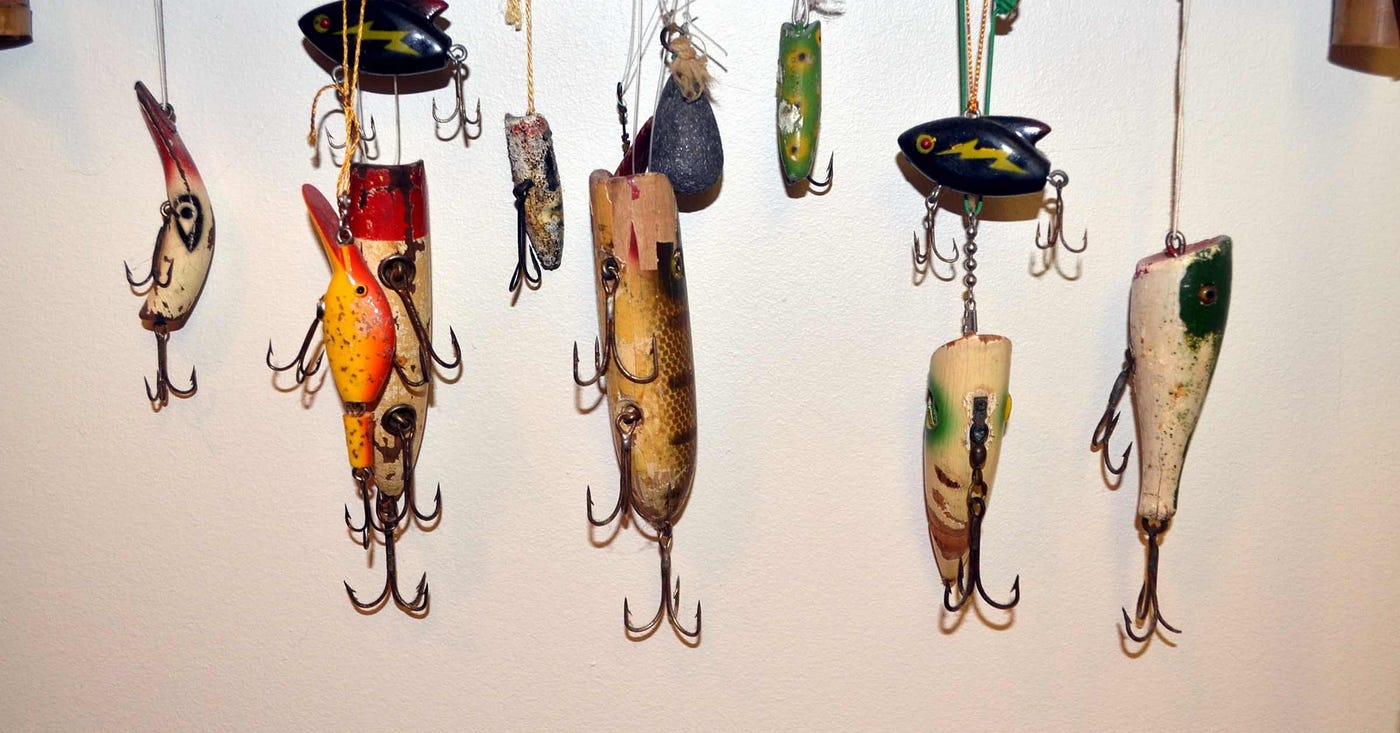
Credit: veronicahanson.medium.com
Frequently Asked Questions
Can I Bring Fishing Lures In Carry-on Luggage?
Yes, you can bring fishing lures in carry-on bags. However, sharp hooks must be securely covered to pass TSA security checks.
Are Fishing Lures Allowed In Checked Baggage On Planes?
Fishing lures are generally allowed in checked luggage. Make sure hooks are safely stored to avoid damage or injury.
Do Fishing Lures Need Special Packaging For Air Travel?
Fishing lures should be packed in a tackle box or container. This prevents injury and makes security screening easier.
Can Fishing Lures With Metal Parts Be Taken On Planes?
Yes, metal parts on fishing lures are allowed. Just ensure hooks are covered and comply with airline rules.
Conclusion
Fishing lures can be brought on planes with some rules. Carry them in checked bags to avoid problems. Sharp hooks may not be allowed in carry-on luggage. Always check the airline’s latest policies before traveling. Packing lures safely helps you avoid delays at security.
Plan ahead to enjoy your fishing trip without stress. Safe and smart packing makes your journey smoother. Keep your fishing gear ready for fun after you land.