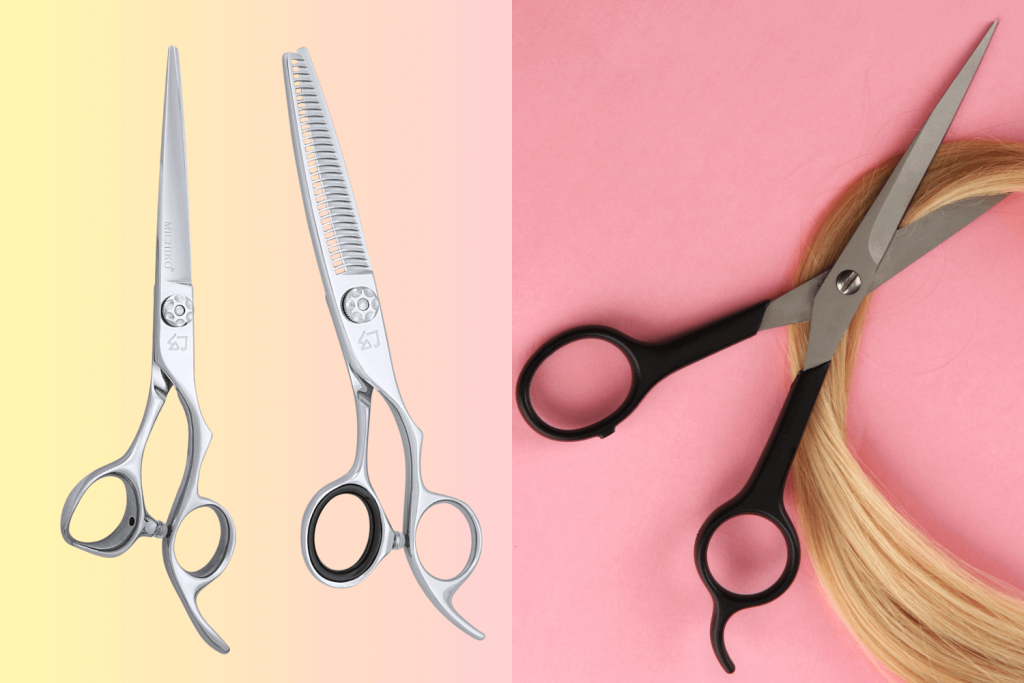
Have you ever found yourself confused between shears and scissors? You’re not alone.
Both tools look similar and are used for cutting, but knowing the difference can make your tasks easier and more precise. Whether you’re crafting, sewing, or just tackling everyday jobs, using the right tool can save you time and effort.
Keep reading to discover the key differences that will help you choose the perfect cutting tool for your needs.

Credit: leafyease.com
Shears Vs Scissors
Shears and scissors are cutting tools that look similar. Both have two blades joined at a pivot. They help cut different materials with ease.
Even though they seem alike, shears and scissors serve different purposes. This guide explains the key differences and common uses.
Basic Design Differences
Shears usually have longer blades and larger handles. They offer more leverage for cutting thick materials. Scissors have shorter blades and smaller handles for finer tasks.
| Feature | Shears | Scissors |
|---|---|---|
| Blade Length | Longer blades | Shorter blades |
| Handle Size | Larger handles | Smaller handles |
| Cutting Power | More leverage for tough materials | Less leverage, for light cutting |
| Blade Shape | Often curved or angled | Straight blades |
Typical Uses For Shears
Shears are ideal for cutting thicker or tougher items. Their design makes cutting easier and reduces hand strain.
- Cutting fabric and leather in sewing
- Trimming plants and small branches
- Snipping metal sheets or wires
- Gardening and landscaping tasks
Common Scissors Applications
Scissors are best for light and precise cutting tasks. They work well with thin materials and detailed work.
- Cutting paper and cardboard
- Trimming hair and nails
- Arts and crafts projects
- Opening packages and small boxes
Blade Structure
Shears and scissors are tools used for cutting. They look alike but have different blade structures. Knowing these differences helps choose the right tool for the job.
The blade structure affects how each tool cuts materials and how comfortable they are to use.
Blade Length And Shape
Shears have longer blades than scissors. This makes shears good for cutting large pieces. Scissors have shorter blades for small, precise cuts.
Shears often have one blade straight and the other curved. Scissors usually have two straight blades that meet in the middle.
- Shears: Longer blades, straight and curved shape
- Scissors: Shorter blades, both straight
Blade Sharpness And Edge
Shears blades are sharp but thicker. They are designed to cut tough materials like fabric or cardboard. Scissors blades are thinner and sharper for clean cuts on paper and light materials.
Shears often have beveled edges to help with cutting thick items. Scissors usually have smooth edges for precise slicing.
- Shears: Thick blades, beveled edges for strength
- Scissors: Thin blades, smooth edges for precision
Handle Design And Grip
Shears have larger handles to fit both hands. This gives more power and control. Scissors have smaller handles designed for one hand.
Shears handles often include a spring to open the blades automatically. Scissors handles usually do not have this feature.
- Shears: Large handles, two-handed use, often with springs
- Scissors: Small handles, one-handed use
Material And Construction
Understanding the materials and construction of shears and scissors helps in choosing the right tool. Both are common cutting tools but have different designs and uses.
This guide explores the materials used and how they affect durability and maintenance.
Materials Used In Shears
Shears are typically made from high-quality materials to handle tougher tasks. They are designed for cutting heavy fabrics and gardening tasks.
- Stainless steel: Offers resistance to rust.
- Carbon steel: Known for its sharpness.
- Plastic handles: Provide a comfortable grip.
Materials Used In Scissors
Scissors are often crafted for lighter tasks like paper cutting and general household use. They are made with materials that balance sharpness and ease of use.
| Material | Feature |
| Stainless steel | Rust resistance |
| Plastic | Lightweight handles |
| Aluminum | Durable and lightweight |
Durability And Maintenance
Durability and maintenance depend on the materials used in construction. Both tools require care to ensure longevity.
Store them in a dry place to prevent rust. Proper maintenance extends their life and keeps them sharp.

Credit: shihanshears.com
Functionality And Performance
Shears and scissors look alike but work differently. Both cut materials but suit different tasks. Understanding their differences helps you pick the right tool.
This guide explains how shears and scissors compare in cutting precision, force, and task versatility.
Cutting Precision
Scissors provide fine control for precise cuts. Their sharp, short blades work well on paper, fabric, and hair. Shears have longer blades to cut thicker materials but less detail.
Scissors suit detailed trimming. Shears handle rougher cuts without losing accuracy.
Force And Leverage
Shears deliver more cutting power. Their longer handles increase leverage and reduce hand effort. Scissors need more force for tough materials because of shorter handles.
- Shears multiply hand force efficiently.
- Scissors require direct hand strength.
- Shears reduce fatigue during heavy use.
- Scissors are best for light, quick cuts.
Versatility In Tasks
| Tool | Best Use | Material Types | Cutting Style |
|---|---|---|---|
| Scissors | Detail work | Paper, fabric, hair | Precise, small cuts |
| Shears | Heavy cutting | Thick fabric, leather, cardboard | Broad, strong cuts |
Choosing Between Shears And Scissors
Shears and scissors look alike but serve different purposes. Picking the right tool helps you work better and faster.
Both cut materials, but their design and use vary. Knowing these differences guides your choice.
Task-specific Recommendations
Shears have longer blades and stronger handles. They are best for cutting thick or heavy materials.
Scissors have shorter blades and are good for detailed or fine cutting tasks.
- Use shears for fabric, leather, and thick paper
- Use scissors for paper, hair, and light fabric
- Shears help with straight, long cuts
- Scissors work well for curves and small cuts
Ergonomics And Comfort
Shears often have larger handles for better grip. They reduce hand strain during long tasks.
Scissors are lighter and easier to control for quick or precise cuts. Choose what feels comfortable.
- Check handle size to fit your hand
- Look for cushioned grips to reduce pressure
- Try both tools before buying to test comfort
Cost Considerations
Shears usually cost more because of their size and strength. They last longer with proper care.
Scissors are less expensive and good for light use. You may need to replace them more often.
- Invest in shears for heavy or frequent cutting
- Choose scissors for occasional or light tasks
- Consider quality over price for durability
Specialized Types
Shears and scissors come in many types. Each type has a specific job. Some are for cloth, some for hair, and some for gardening.
Knowing the right tool helps you work better and get cleaner cuts. Let’s look at some common specialized types.
Tailoring And Fabric Shears
Tailoring shears are made to cut fabric smoothly. They are bigger than regular scissors and have sharp blades. The blades often have a bent handle to keep fabric flat.
- Long blades for straight cuts
- Sharp edges to cut different fabrics
- Ergonomic handles for comfort
- Usually made of stainless steel
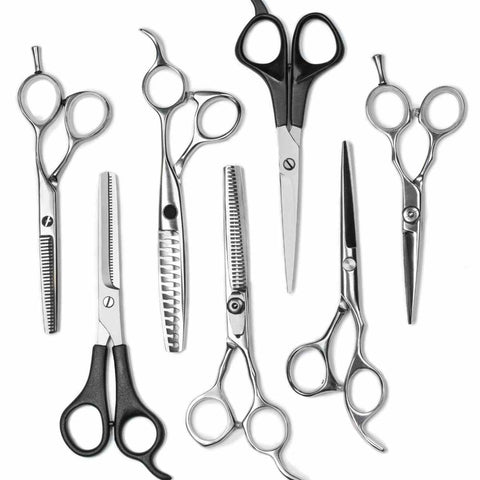
Hair Cutting Scissors
Hair cutting scissors are small and precise. They have very sharp blades to cut hair cleanly. These scissors often have a finger rest for better control.
| Feature | Description |
| Blade length | Short, usually 5 to 7 inches |
| Blade type | Sharp and thin for precise cuts |
| Handle design | Ergonomic with finger rest |
| Use | Cutting hair and trimming |
Gardening Shears
Gardening shears are strong and sturdy. They cut through branches and plants. These shears have thick blades and long handles for power.
Common types of gardening shears include:
- Pruning shears for small branches
- Hedge shears for shaping bushes
- Loppers for thicker branches
Care And Safety Tips
Shears and scissors need proper care to last long and work well. Safe handling keeps you from getting hurt.
Learn how to clean, store, and sharpen them safely. These tips help protect your tools and yourself.
Proper Cleaning Techniques
Clean your shears and scissors after each use. Dirt and sticky residue can damage the blades over time.
- Wipe blades with a soft cloth and warm, soapy water.
- Use a small brush to remove debris from the joint.
- Dry thoroughly to prevent rust.
- Apply a drop of oil to the pivot area to keep it smooth.
Safe Storage Practices
Store shears and scissors in a dry, safe place. Proper storage stops damage and accidents.
| Storage Method | Benefit |
|---|---|
| Use a protective sheath or cover | Protects blades and prevents injury |
| Keep tools in a dry toolbox | Prevents rust and corrosion |
| Store separately from other tools | Avoids blade dulling and damage |
Sharpening Methods
Keep blades sharp for clean cuts and safety. Dull blades can slip and cause injury.
- Use a sharpening stone or fine file made for scissors.
- Follow the original blade angle while sharpening.
- Sharpen both blades evenly for best results.
- Test sharpness carefully before use.
Credit: www.jpscissors.com
Frequently Asked Questions
What Is The Main Difference Between Shears And Scissors?
Shears are larger and have longer blades than scissors. They are designed for heavy-duty cutting, while scissors are for lighter tasks and precise cuts.
When Should I Use Shears Instead Of Scissors?
Use shears for cutting thick materials like fabric or paper stacks. Scissors work better for detailed or delicate cutting tasks.
Are Shears Better For Fabric Cutting Than Scissors?
Yes, shears provide cleaner cuts on fabric due to their longer blades and stronger construction compared to scissors.
Can Scissors Replace Shears For Heavy Cutting Tasks?
No, scissors lack the leverage and blade length needed for heavy materials. Shears offer better control and efficiency.
Conclusion
Shears and scissors both cut, but they serve different jobs. Shears are bigger and can cut thick materials. Scissors are smaller and work well for light tasks. Knowing which tool to choose helps you finish work faster. Both have their place in homes and workshops.
Pick the right one to get the best result every time. Simple tools, clear purpose. Easy to use, easy to understand.