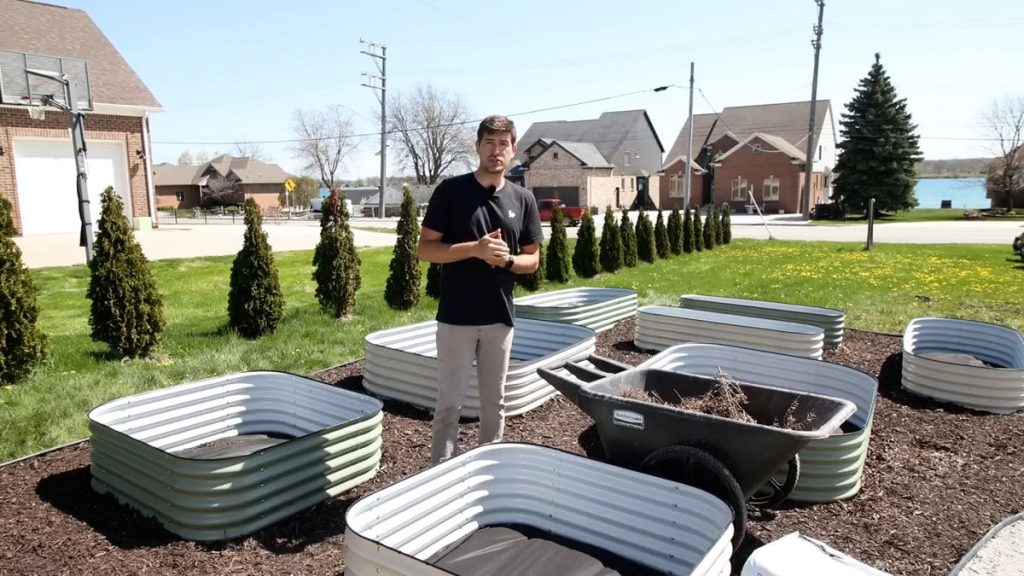
Are you ready to grow a thriving garden in your raised bed? One of the most important steps is deciding what to put at the bottom.
The right foundation can make your plants healthier, reduce weeds, and improve drainage. But with so many options out there, it’s easy to feel unsure about what works best. You’ll discover simple, effective choices to create the perfect base for your raised garden bed.
Keep reading to find out how to give your plants the best start possible!

Credit: migardener.com
Choosing The Base Material
Picking the right base material for your raised garden bed helps plants grow well. The base supports drainage and stops weeds from growing up.
Different materials work well depending on your soil and garden needs. Let’s look at common choices for the base.
Soil Vs. Gravel
Using soil at the bottom lets roots grow deeper. It also holds moisture and nutrients for plants.
Gravel helps water drain quickly. It stops water from pooling, which can cause root rot.
- Soil keeps plants hydrated but drains slower
- Gravel improves drainage but does not hold nutrients
- Choose soil if your garden bed sits on hard ground
- Use gravel if your soil is very wet or clay-heavy
Landscape Fabric Benefits
Landscape fabric blocks weeds from growing up into your garden bed. It lets water and air pass through.
This fabric helps keep soil from mixing with the base material below. It keeps roots healthy and soil clean.
- Stops weeds without using chemicals
- Allows water to drain well
- Prevents soil loss into gravel or dirt below
- Easy to cut and fit to any bed size
Using Cardboard Or Newspaper
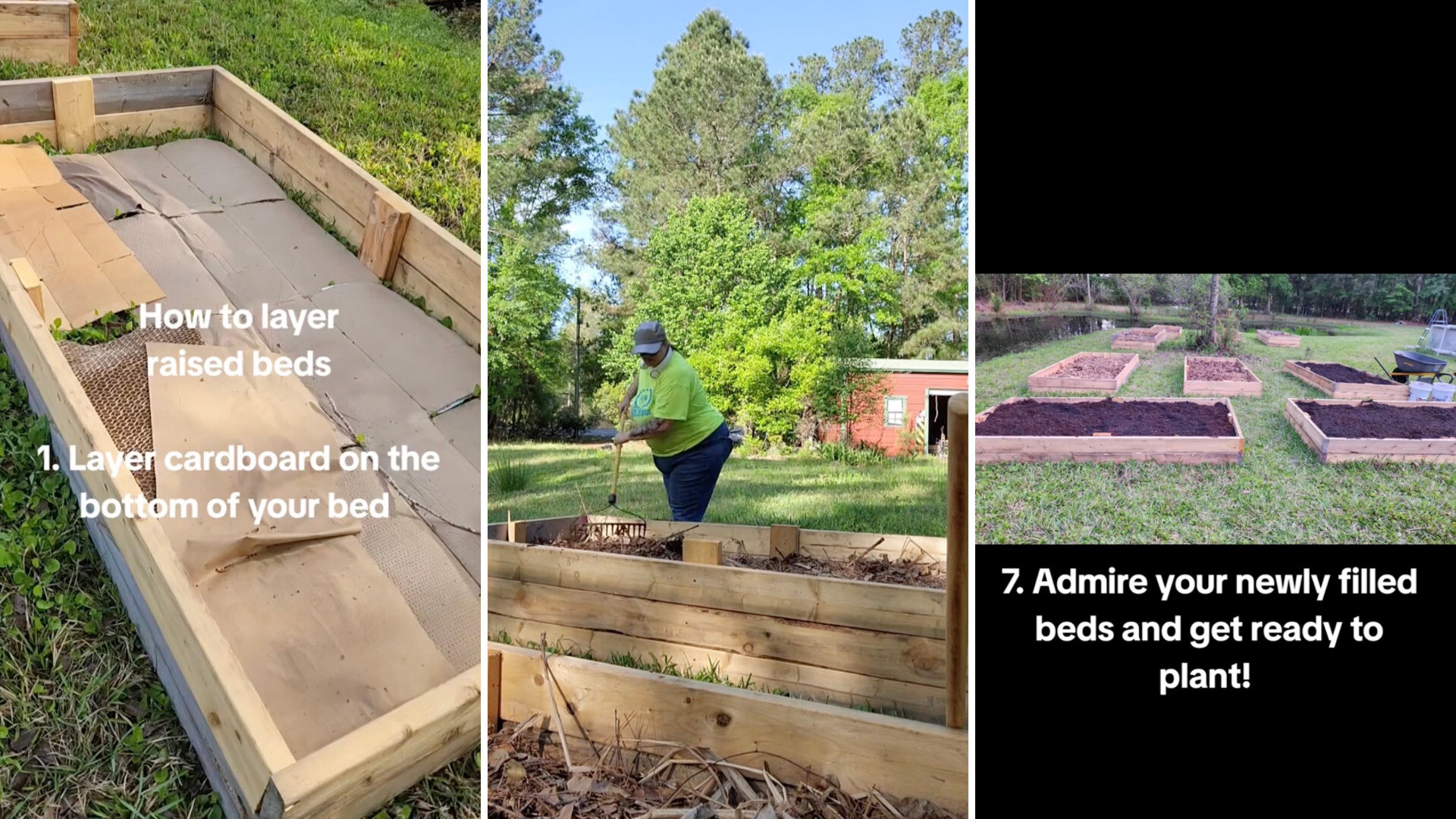
Cardboard or newspaper works as a cheap weed barrier at the bottom. They break down over time and add organic matter to the soil.
Lay several layers flat to block sunlight. Wet them well so they stay in place and start to decompose.
- Blocks weeds by cutting off light
- Biodegrades and enriches soil naturally
- Needs watering to keep it from blowing away
- May need replacing every few years
Credit: www.thecooldown.com
Drainage Solutions
Good drainage is key for healthy plants in raised garden beds. Water must flow out easily to stop root rot.
Choosing the right materials and layers at the bottom of your bed helps water drain well.
Importance Of Drainage
Drainage stops water from staying too long near plant roots. This prevents roots from rotting.
Good drainage also stops soil from becoming too heavy and compacted. Plants grow better in loose soil.
Layering For Water Flow
Layers help water move down and out of the bed. Start with coarse materials at the bottom.
Smaller soil or compost goes on top of these layers. This keeps soil from washing away.
- Bottom layer: stones or gravel for drainage
- Middle layer: coarse sand or small rocks
- Top layer: good quality soil and compost
Common Drainage Materials
Use materials that let water pass through but keep soil in place. These help roots get oxygen.
- Crushed stones or gravel
- Broken terra cotta pots or bricks
- Coarse sand
- Landscape fabric to separate layers
Preventing Weeds And Pests
Having a raised garden bed is a great way to grow healthy plants. Keeping weeds and pests out is important for your garden’s success. Let’s explore some effective methods to achieve this.
With the right strategies, you can enjoy a thriving garden with minimal trouble. Here are some tips to help keep your garden free from unwanted guests.
Barrier Options
Barriers are useful in keeping weeds and pests away from your plants. You can use various materials to create these barriers.
- Landscape fabric helps prevent weeds from growing.
- Wire mesh can stop burrowing pests like moles.
- Cardboard layers can block sunlight from reaching weed seeds.
Natural Pest Deterrents
Using natural methods to deter pests is both safe and effective. This helps maintain a healthy ecosystem in your garden.
Consider planting marigolds. They repel certain bugs.
Garlic spray can deter many harmful insects.
Crushed eggshells around plants can stop slugs.
Using Mulch Effectively
Mulch is a great way to keep weeds at bay while also retaining soil moisture. It can also deter some pests when used correctly.
| Type of Mulch | Benefits |
| Wood chips | Long-lasting and prevents weed growth |
| Straw | Light and easy to apply |
| Grass clippings | Rich in nutrients for the soil |
Improving Soil Health
Good soil health is important for a strong garden. The bottom of a raised garden bed can help improve soil over time. Adding the right materials helps plants grow better.
Let’s look at ways to build healthy soil from the bottom up. This includes layering compost, adding organic matter, and using soil amendments.
Compost Layering
Start with a compost layer at the bottom of your raised bed. This helps feed soil microbes and improves soil structure. Use well-aged compost to avoid bad smells and pests.
Layering compost creates a sponge effect that holds water and nutrients. It also encourages earthworms and beneficial insects to thrive under your plants.
Adding Organic Matter
Organic matter breaks down slowly and feeds the soil. Add materials like leaves, grass clippings, and straw at the bottom. These items help keep the soil loose and moist.
- Shredded leaves improve airflow
- Grass clippings add nitrogen
- Straw adds carbon and helps with drainage
- Wood chips break down slowly for long-term benefit
Soil Amendments To Consider
Some soil amendments improve nutrient levels and soil texture. These help the bed stay healthy for many seasons. Choose amendments based on your soil’s needs.
| Amendment | Benefit | How to Use |
|---|---|---|
| Peat Moss | Increases moisture retention | Mix a thin layer over compost |
| Bone Meal | Boosts phosphorus for root growth | Sprinkle lightly at the bottom |
| Gypsum | Improves soil structure and drainage | Apply before adding soil |
| Worm Castings | Rich in nutrients and microbes | Mix into organic matter layers |
Special Considerations For Different Plants
Raised garden beds need different bases depending on the plants you grow. Choosing the right bottom layer helps plants grow strong.
Some plants need good drainage, while others need nutrient-rich soil layers. Learn what to put at the bottom for each type.
Vegetable Gardens
Vegetables need well-drained soil to avoid root rot. Use materials that improve drainage and add nutrients as plants grow fast.
- Start with a layer of coarse gravel or small rocks to help water drain.
- Add a layer of cardboard or newspaper to block weeds.
- Cover with compost or rich garden soil for nutrients.
- Ensure the bottom layers do not hold standing water.
Flower Beds
Flowers often need good drainage and organic matter to keep soil loose. Some flowers prefer acidic or alkaline soil conditions.
| Flower Type | Bottom Layer Advice |
| Roses | Use gravel for drainage and rich compost |
| Lavender | Sand or fine gravel to improve drainage |
| Azaleas | Acidic organic matter like pine needles |
Herb Gardens
Herbs need well-drained soil but less rich than vegetables. Avoid too much moisture at the bottom to prevent root disease.
Consider this simple setup for herb garden beds:
- Layer 1: Coarse sand or small stones for drainage
- Layer 2: Straw or dried leaves to keep soil light
- Layer 3: Light potting soil mixed with compost
Maintenance Tips For Long-lasting Beds
Raised garden beds need care to stay healthy and strong. Proper maintenance helps plants grow well year after year.
Use simple steps to keep your garden bed layers fresh and avoid common problems. This guide covers key tips for lasting beds.
Seasonal Bed Care
Check your garden bed each season to prepare for new plants. Remove old plants and weeds before adding fresh soil or compost.
- Clear dead leaves and plant debris in fall
- Loosen soil in spring to improve air flow
- Add mulch to protect soil in winter
- Water regularly during dry months
Replenishing Bottom Layers
The bottom of your raised bed supports plant roots. Add organic matter to keep it rich and well-drained. This helps plants grow strong.
| Layer | Materials to Add | Purpose |
|---|---|---|
| Bottom Layer | Small branches, twigs, straw | Drainage and airflow |
| Middle Layer | Compost, aged manure | Nutrition for plants |
| Top Layer | Topsoil, mulch | Plant support and moisture retention |
Avoiding Common Mistakes
Prevent issues by following simple rules. Avoid packing soil too tight or skipping seasonal cleanups. Use good materials for each layer.
- Do not use fresh wood chips at the bottom; they can steal nutrients.
- Keep soil loose to help roots grow.
- Do not ignore signs of pests or disease.
- Replace compost yearly to maintain nutrients.

Credit: www.hgtv.com
Frequently Asked Questions
What Materials Are Best For The Bottom Of Raised Beds?
Use landscape fabric or cardboard to block weeds. Add gravel or small rocks for drainage. These materials prevent soil loss and improve water flow, promoting healthy plant roots.
Should I Put A Barrier At The Bottom Of Raised Beds?
Yes, a barrier like landscape fabric stops weeds and pests. It allows water drainage while keeping soil in place. This creates a clean, healthy growing environment for plants.
Can I Put Soil Directly On The Ground In Raised Beds?
Yes, but adding a layer of cardboard or newspaper first helps suppress weeds. This also improves soil quality over time as it breaks down naturally.
Is Drainage Important At The Bottom Of Raised Garden Beds?
Absolutely. Good drainage prevents waterlogging and root rot. Adding gravel or coarse material at the bottom ensures excess water drains away efficiently.
Conclusion
Choosing the right materials for the bottom of your raised garden bed helps plants grow well. Start with coarse materials like stones or wood chips to improve drainage. Add compost or soil on top for nutrients. This mix keeps roots healthy and stops water from pooling.
Your plants will thank you with better growth and more flowers or vegetables. Try these simple steps to give your garden bed a strong start. Gardening becomes easier and more fun this way. Give it a try and watch your garden thrive.