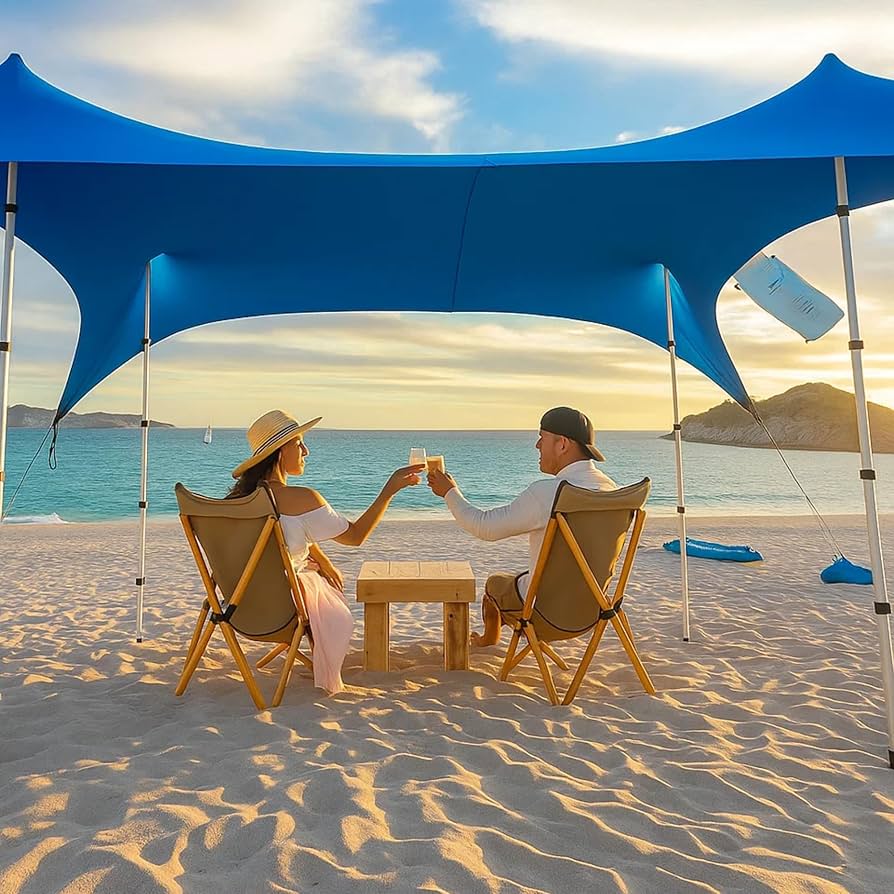
Setting up a beach tent might seem simple, but doing it right can make all the difference to your day by the sea. Imagine having a cool, shady spot where you can relax, protect your skin, and keep your belongings safe from the sun and wind.
You’re just a few easy steps away from making that happen. Whether you’re a beach newbie or want to improve your setup skills, this guide will show you exactly how to put up your beach tent quickly and securely. Keep reading, and soon you’ll enjoy the perfect beach shelter every time you visit.

Credit: www.amazon.ca
Choosing The Right Tent
Picking the right beach tent helps you enjoy your day by the sea. It protects you from sun, wind, and sand.
Think about what you need before buying a tent. This guide explains key points to consider.
Types Of Beach Tents
Beach tents come in many styles. Each style offers different benefits for your beach trip.
Some tents are simple shelters. Others are fully enclosed for privacy and wind protection.
- Pop-up tents:Easy to set up and take down.
- Cabana tents:Open sides with good airflow.
- Sun shelters:Lightweight, mainly for shade.
- Enclosed tents:Protect from wind and insects.
Size And Capacity
Think about how many people will use the tent. Choose a size that fits everyone comfortably.
Also consider space for your beach gear. Bigger tents give more room but can be harder to carry.
- Small tents: Good for 1-2 people.
- Medium tents: Fit 3-4 people.
- Large tents: Hold 5 or more people.
Material And Durability
Beach tents must resist sun, salt, and wind. Look for strong fabrics and sturdy frames.
Check if the tent fabric blocks UV rays. Also, the frame should be rust-resistant and flexible.
| Material | Benefit |
|---|---|
| Polyester | Lightweight and dries quickly |
| Ripstop nylon | Strong and tear-resistant |
| Fiberglass poles | Flexible and rust-proof |
| Aluminum poles | Light and durable |
Preparing For Setup
Setting up a beach tent starts with good preparation. This helps ensure a smooth and safe experience on the beach.
Focus on choosing the right spot, checking the weather, and gathering all needed tools before you arrive.
Selecting The Perfect Spot
Pick a flat area free from rocks and sharp shells. Avoid places near water that may flood with high tide.
- Look for natural shade or bring an umbrella for sun protection.
- Set up away from crowded spots to enjoy privacy.
- Check the ground firmness to anchor your tent properly.
- Avoid areas with strong wind flow if possible.
Checking Weather Conditions
Review weather reports before heading out. Strong winds and rain can make setup hard and unsafe.
| Condition | What to Watch For | Impact on Setup |
| Wind | Strong gusts over 15 mph | Tent may collapse or blow away |
| Rain | Showers or storms | Ground may become muddy or slippery |
| Sun | Clear skies and bright sun | Bring extra shade and sun protection |
Gathering Essential Tools
Collect all tools and equipment to make setup easier. Missing parts can delay or prevent setup.
- Tent poles and stakes
- Hammer or mallet for stakes
- Groundsheet or tarp
- Sandbags or weights
- Repair kit for tears or broken parts
Step-by-step Assembly
Setting up a beach tent is easy when you follow clear steps. This guide helps you build your tent quickly and safely. Get ready to enjoy shade and comfort by the water.
We will cover unpacking the tent, assembling the poles, and securing the tent. Each section has simple instructions to guide you through the process.
Unpacking The Tent
First, find a clean and flat area to unpack your tent. Remove the carrying bag and lay out all parts. Check that you have all pieces before starting.
- Tent fabric
- Poles and connectors
- Stakes or sandbags
- Guy ropes or cords
- Instruction manual
Assembling Poles And Frame
Connect the poles by fitting each section together. Most poles use shock cords to keep pieces linked. Once assembled, form the frame shape as shown in the manual.
| Step | Action | Tip |
| 1 | Lay poles flat | Align ends before connecting |
| 2 | Join sections | Listen for a click or snug fit |
| 3 | Bend frame into shape | Check the frame matches tent design |
| 4 | Attach frame to tent fabric | Use clips or sleeves provided |
Securing The Tent To The Ground
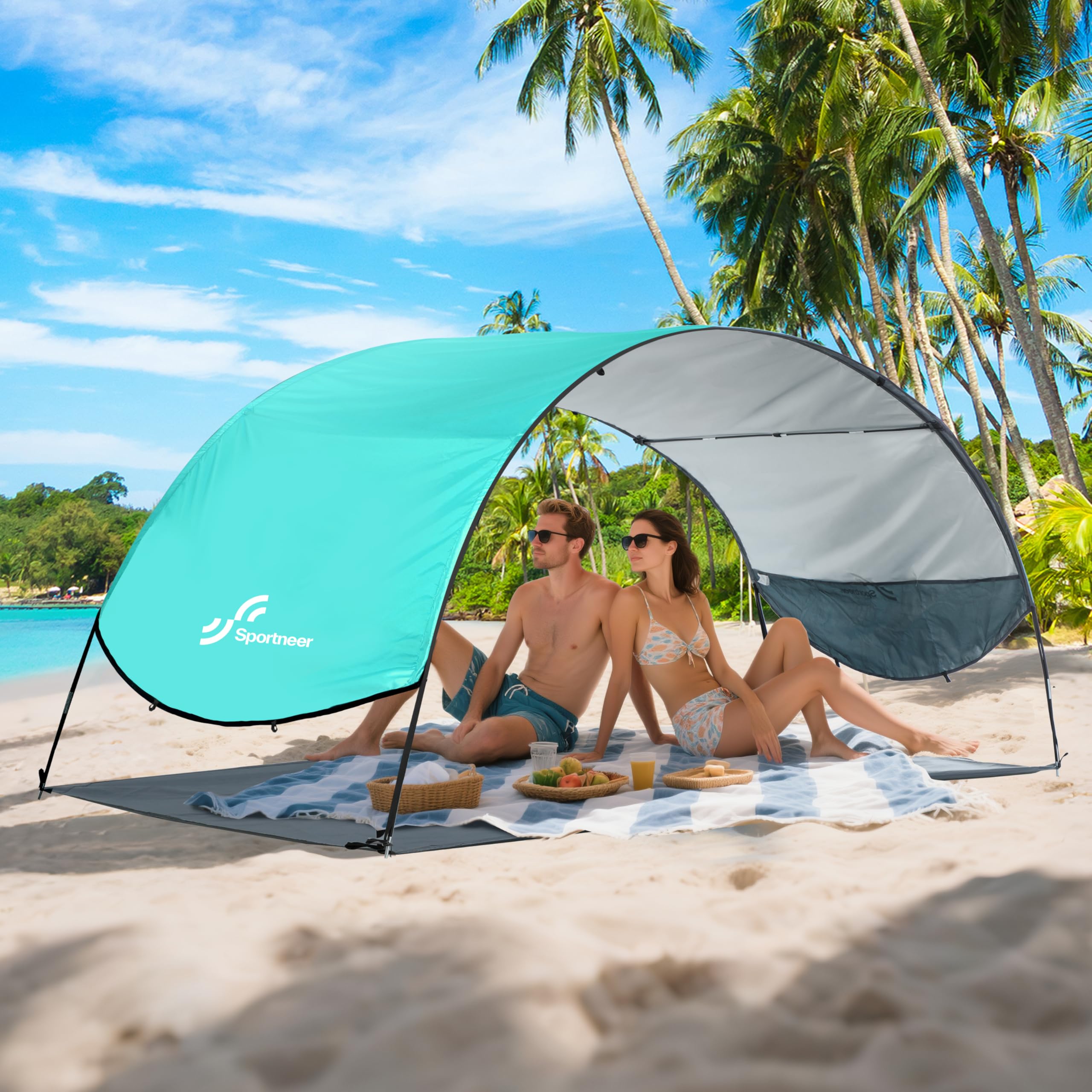
Anchor the tent firmly to prevent it from blowing away. Use stakes on hard sand or sandbags on soft sand. Tie guy ropes to secure extra stability.
- Push stakes into the ground at an angle
- Attach ropes to stakes and tighten
- Fill sandbags and place them on tent corners
- Check all ties and anchors for tightness
Credit: www.amazon.com
Tips For Stability And Safety
Setting up a beach tent requires attention to stability and safety. Follow these tips to ensure a secure setup.
A stable beach tent protects you from the sun and wind. Use these guidelines for a safe and enjoyable day at the beach.
Using Sandbags And Stakes
Sandbags and stakes are essential for anchoring your beach tent. Proper anchoring prevents your tent from blowing away.
- Fill sandbags and place them at each corner of the tent.
- Use stakes to secure the tent into the sand for extra stability.
- Check that all anchors are tightly secured before use.
Adjusting For Wind
Wind can affect the stability of your beach tent. Position your tent with its back to the wind for better support.
Ensuring Proper Ventilation
Proper ventilation keeps the inside of your tent cool and comfortable. Open windows and vents to allow air to flow.
| Ventilation Tip | Benefit |
| Open windows | Improves airflow |
| Use mesh panels | Reduces heat buildup |
| Avoid direct sunlight | Keeps tent cooler |
Maintaining Your Beach Tent
Keeping your beach tent in good shape helps it last longer. Clean and store it properly after each use.
Fix small problems early to avoid bigger damage. This guide explains how to care for your beach tent.
Cleaning After Use
Remove sand and dirt from the tent before storing it. Use a soft brush or cloth to clean the fabric.
Rinse the tent with fresh water if it has salt or sunscreen on it. Let it dry completely in the shade.
- Shake out sand and debris
- Use mild soap if needed
- Avoid harsh chemicals
- Dry fully to stop mold
Proper Storage Techniques
Store your beach tent in a cool, dry place. Avoid direct sunlight to protect the fabric from fading.
Fold the tent loosely to prevent creases and damage to the poles. Keep it inside a storage bag.
- Choose dry, shaded storage
- Fold gently without sharp creases
- Keep all parts together
- Check storage area for pests
Repairing Common Issues
Fix small tears with fabric patches or tape made for tents. Repair poles with replacement parts.
Check zippers and seams often. Clean and lubricate zippers to keep them working well.
- Patch holes quickly
- Replace broken poles
- Lubricate zippers with silicone spray
- Re-sew loose seams if needed

Credit: www.youtube.com
Frequently Asked Questions
How Do I Choose The Best Spot For A Beach Tent?
Pick a flat, firm area away from high tide lines. Check for natural wind barriers like dunes or trees. Avoid crowded spots to ensure privacy. This ensures stability, safety, and comfort during your beach day.
What Essential Tools Are Needed To Set Up A Beach Tent?
You need tent stakes, a mallet, and guy lines for secure setup. Some tents come with a carrying bag containing these tools. Having a sandbag or weights is helpful for windy conditions to prevent the tent from blowing away.
How Can I Secure My Beach Tent In Windy Conditions?
Use heavy-duty stakes and anchor them deep into the sand. Attach guy lines to the tent corners and secure them tightly. Adding sandbags or weights inside the tent’s base helps prevent movement and ensures stability against strong winds.
How Do I Maintain My Beach Tent After Use?
Shake out sand and debris before packing the tent. Clean with fresh water to remove salt and prevent damage. Let it dry completely to avoid mold and mildew. Store in a cool, dry place to extend its lifespan.
Conclusion
Setting up a beach tent can be simple and quick. Follow the steps carefully to ensure stability. Choose a good spot with enough shade and space. Secure the tent well to avoid wind problems. Enjoy your time by the sea with comfort and protection.
Practice a few times to get faster and better. A good tent makes your beach day more relaxing. Keep your gear organized inside for easy access. Stay safe and have fun under your beach tent!