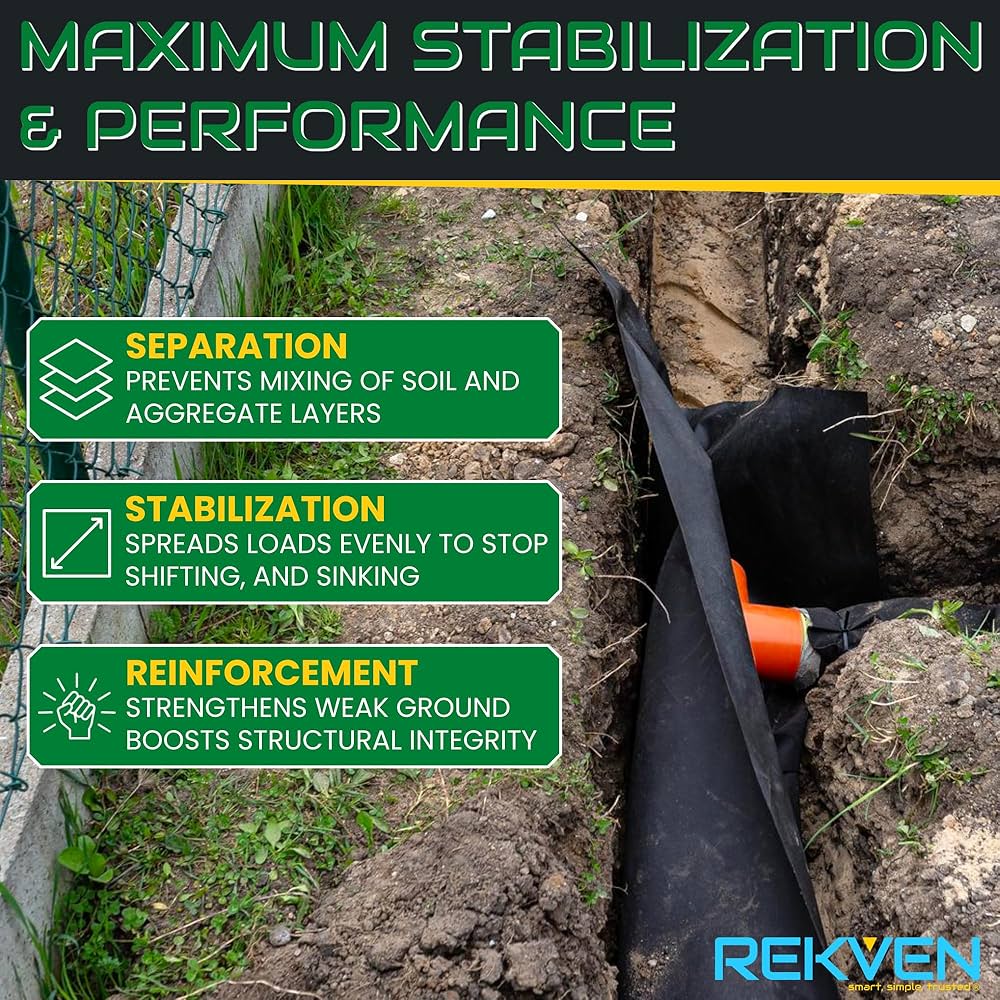
Are you wondering if landscape fabric actually helps with drainage in your garden? You’re not alone.
Many people use landscape fabric to control weeds but aren’t sure if it can keep water flowing properly. Understanding how landscape fabric works with water can save you from soggy soil or poor plant health. Keep reading, and you’ll discover the truth about landscape fabric and drainage—so you can make the best choice for your outdoor space.

Credit: www.amazon.ca
How Landscape Fabric Works
Landscape fabric helps control weeds in gardens and yards. It allows water and air to pass through while blocking weed growth.
This fabric is placed under mulch or soil to keep the area clean and healthy. It also helps soil retain moisture and prevents erosion.
Material Composition
Landscape fabric is usually made from synthetic materials like polypropylene or polyester. These materials are strong and last for several years.
- Polypropylene offers durability and resistance to tearing.
- Polyester provides flexibility and UV resistance.
- Some fabrics have woven or non-woven designs for different uses.
Permeability Features
The fabric lets water and air pass through easily. This helps plants grow well by keeping roots moist and healthy.
| Feature | Effect |
| Water Permeability | Allows rain and irrigation to reach soil |
| Air Flow | Prevents root suffocation |
| Weed Barrier | Blocks sunlight to stop weed growth |
| Durability | Resists breakdown under sun and weather |
Common Uses In Landscaping
Landscape fabric is popular for several gardening tasks. It helps reduce maintenance and keeps plants healthy.
- Under mulch in flower beds to stop weeds
- Below gravel paths to prevent weed growth
- In vegetable gardens to improve soil moisture
- Around trees and shrubs for clean appearance
Factors Affecting Drainage
Landscape fabric helps control weeds and manage soil. Its ability to drain water depends on many factors. Understanding these factors helps in choosing and installing the right fabric.
This guide covers how soil type, installation methods, and environment affect drainage through landscape fabric.
Soil Type Influence
The type of soil under the fabric affects how water moves. Sandy soil drains quickly but holds less water. Clay soil drains slowly and can cause water pooling.
- Sandy soil allows water to pass fast through the fabric.
- Loamy soil balances drainage and moisture retention well.
- Clay soil can block water flow and cause soggy areas.
Fabric Installation Techniques
How you install landscape fabric changes its drainage ability. Proper tension and overlap prevent water from pooling. Adding a layer of mulch or gravel improves drainage on top.
| Installation Method | Effect on Drainage |
| Tight and flat installation | Allows water to flow freely |
| Loose or wrinkled fabric | Water may pool and cause blockage |
| Overlap at seams | Prevents water leakage under fabric |
| Adding mulch or gravel | Improves surface water drainage |
Environmental Conditions
Weather and location also affect drainage through landscape fabric. Heavy rain, slope, and temperature changes can change how water moves.
Key environmental factors include:
- Heavy rainfall can saturate soil and slow drainage.
- Steep slopes help water run off faster under the fabric.
- Freezing temperatures may cause fabric to crack or shift.
- Sunlight can dry out soil, improving drainage speed.
Pros And Cons Of Drainage
Landscape fabric is often used to manage water in gardens. It has both benefits and drawbacks for drainage.
Understanding these can help you decide if landscape fabric is right for your garden needs.
Benefits For Water Management
Landscape fabric helps in controlling water flow. It can direct water to desired areas and prevent waterlogging.
- Reduces soil erosion by keeping soil in place
- Improves water distribution across garden beds
- Prevents puddles and water accumulation
Potential Drainage Challenges
While landscape fabric can aid drainage, it may also cause problems. It can sometimes restrict water flow if not installed properly.
Comparison With Alternative Solutions
Landscape fabric is one of many options for managing water. Comparing it with other solutions can be helpful.
| Solution | Pros | Cons |
| Landscape Fabric | Controls erosion | May restrict water flow |
| Gravel Beds | Excellent drainage | Can be costly |
| Mulch Layers | Retains moisture | Needs regular replacement |
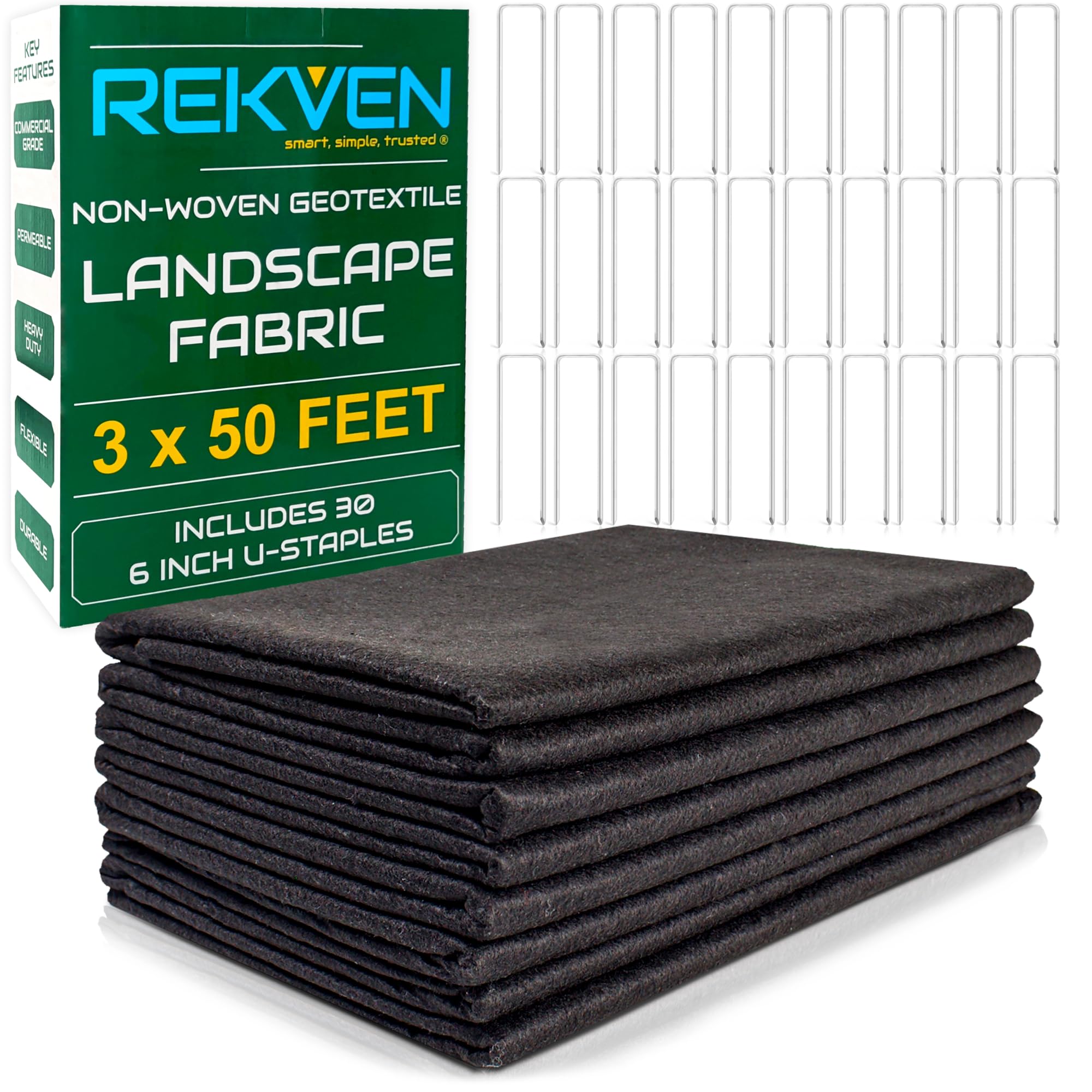
Credit: www.amazon.ca
Expert Tips For Optimal Use
Landscape fabric helps control weeds and supports plant health. Using it correctly improves drainage and soil quality. This guide shares tips on choosing, installing, and caring for landscape fabric.
Proper use of landscape fabric keeps your garden neat and reduces maintenance work. Follow these expert tips to get the best results.
Selecting The Right Fabric
Choose fabric that fits your garden needs. Different fabrics offer varying levels of water flow and durability. Pick one that allows water to drain well while blocking weeds effectively.
- Look for woven or non-woven fabrics with good permeability.
- Thicker fabrics last longer and resist tearing.
- UV-resistant fabric handles sun exposure better.
- Check product labels for water drainage ratings.
Proper Installation Methods
Installing landscape fabric correctly helps water drain and stops weeds from growing. Lay fabric flat and secure it well to keep it from shifting.
| Installation Step | Tip |
| Prepare the area | Remove debris and level soil before laying fabric. |
| Overlap edges | Overlap fabric pieces by 6 inches to block weeds. |
| Secure fabric | Use landscape staples every 12 inches along edges. |
| Cover fabric | Add mulch or gravel to protect fabric and improve appearance. |
Maintenance Practices
Keep fabric working well by checking it regularly. Remove debris and fix any tears to keep water flowing.
- Clear leaves and dirt that collect on the fabric surface.
- Check for holes or rips and patch them quickly.
- Replace mulch to prevent fabric exposure to sun.
- Inspect fabric edges to keep staples tight.
Real-world Performance Cases
Landscape fabric is used to control weeds and manage soil moisture. Its ability to drain water is important for healthy plant growth. We will look at real cases to see how well it works.
This article covers three key areas: residential use, commercial landscaping, and long-term results.
Residential Applications
Many homeowners use landscape fabric under mulch or gravel. It helps reduce weed growth and keeps soil dry. In gardens with sandy soil, it allows water to pass through quickly. In clay soils, drainage can be slower but still effective.
- Placed under flower beds to prevent weed growth
- Used beneath patios and walkways for soil stability
- Installed in vegetable gardens to control moisture levels
Commercial Landscaping Examples
Commercial landscapers often use fabric in large projects. It helps manage water flow and reduces maintenance costs. Good drainage prevents plant roots from sitting in water, which can cause rot.
| Project Type | Fabric Type | Drainage Result |
| Office Park | Permeable Woven | Excellent, no water pooling |
| Shopping Mall Garden | Non-Woven | Good, minor water retention |
| City Park Pathways | Heavy-Duty Mesh | Very good, soil stayed dry |
Long-term Effectiveness
Over time, landscape fabric can clog with soil and debris. This reduces its drainage ability. Regular checks and cleaning help maintain performance. Some fabrics last up to 10 years before replacement is needed.
Signs of reduced drainage:
- Water pooling on fabric surface
- Slow absorption after rain
- Weed growth breaking through fabric
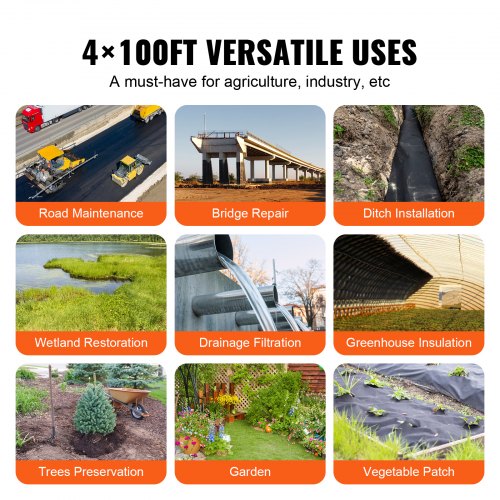
Credit: www.vevor.ca
Frequently Asked Questions
Does Landscape Fabric Help With Water Drainage?
Landscape fabric allows water to pass through while blocking weeds. It improves drainage by preventing soil erosion and water pooling. Proper installation ensures water flows freely beneath the fabric, promoting healthy plant growth and reducing excess moisture problems in garden beds.
Can Landscape Fabric Cause Drainage Problems?
If installed incorrectly, landscape fabric can trap water and cause drainage issues. Using non-permeable fabric or layering soil over it improperly may lead to water pooling. Choosing breathable, high-quality fabric and ensuring proper layering helps maintain effective drainage.
How Does Landscape Fabric Affect Soil Moisture?
Landscape fabric helps retain soil moisture by reducing evaporation. It allows water to penetrate while minimizing weed growth, which competes for moisture. This balance supports healthier plants by maintaining consistent soil hydration without waterlogging.
Is Landscape Fabric Suitable For All Drainage Types?
Landscape fabric works well for many drainage needs, especially in garden beds and pathways. However, it is not ideal for heavy clay soils or areas with standing water. In such cases, additional drainage solutions may be necessary.
Conclusion
Landscape fabric helps control weeds while letting water flow through. It allows rain to drain, preventing water buildup under plants. This keeps soil healthy and roots safe from rot. Good drainage also stops puddles that attract bugs or cause damage.
Choosing the right fabric ensures water moves well and lasts longer. Use it with proper soil and mulch for best results. Landscape fabric can be a useful tool in your garden’s health and beauty. Simple and effective, it supports strong plants and clean soil.