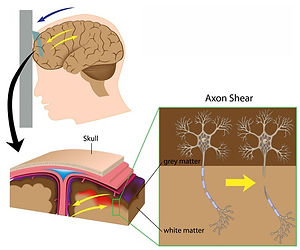
Have you ever wondered what happens inside your brain when it faces extreme stress or injury? Understanding the concept of shearing in the brain can reveal a lot about how certain injuries affect your mind and body.
This isn’t just medical jargon—it’s something that could impact you or someone you care about. By the end of this article, you’ll know exactly what shearing means, why it matters, and how it can influence brain function. Keep reading to uncover the facts that could help you protect your brain health better.

Credit: fox-ae.com
Shearing Injury In The Brain
Shearing injury in the brain happens when brain tissue is stretched or torn. This can occur during sudden movement or impact.
These injuries can cause serious damage to brain cells and affect how the brain works.
Definition And Mechanism
Shearing injury means damage caused by forces that pull brain tissue in different directions. This force stretches and tears nerve fibers.
The brain moves inside the skull during an accident. When it moves too fast, parts of the brain slide past each other. This causes shearing.
Types Of Shearing Injuries
There are different types of shearing injuries based on how deep and where the damage happens.
- Diffuse Axonal Injury (DAI):Widespread tearing of nerve fibers in the brain.
- Focal Shearing:Local damage in one area of the brain.
- Microscopic Shearing:Small tears not visible on scans but still harmful.

Credit: www.trialguides.com
Common Causes
Shearing in the brain happens when parts inside the brain slide or tear apart. This can damage brain cells and connections.
Many events can cause shearing injuries. These often involve strong forces that move the brain quickly inside the skull.
Traumatic Brain Injury
Traumatic brain injury happens after a hard hit to the head. The brain may twist or stretch inside the skull.
Shearing injuries occur because the brain moves unevenly, causing nerves to tear. This can lead to loss of brain function.
Sports And Physical Activities
Contact sports like football or boxing can cause shearing in the brain. Quick impacts or sudden stops make the brain shift.
Even non-contact sports can cause injuries if players fall or collide hard. These actions create forces that stretch brain tissue.
Motor Vehicle Accidents
Car crashes often cause the head to move violently. The brain can slide inside the skull during sudden stops or hits.
Shearing injuries from these accidents can be severe. The rapid movement tears nerve fibers and damages brain cells.
Falls And Impact
Falling from a height or slipping causes the head to hit the ground or an object. The brain moves fast inside the skull.
This sudden impact can cause shearing injuries. Older adults and children are more at risk from falls.
Recognizing Symptoms
Shearing in the brain can lead to various symptoms. It is crucial to recognize these symptoms early. This helps in getting timely medical help.
The signs can be physical, cognitive, or emotional. Knowing what to look for can make a big difference.
Physical Signs
Physical signs are often the first to appear. They can be noticed by the person or those around them.
- Headaches that do not go away
- Dizziness or balance issues
- Loss of coordination or motor skills
Cognitive And Emotional Changes
Changes in thinking or emotions are also common. These can affect daily life and interactions.
Look out for:
- Memory problems or confusion
- Difficulty concentrating
- Sudden mood swings or irritability
Long-term Effects
Some effects of brain shearing can last a long time. They might even become permanent if not addressed.
| Effect | Duration |
| Chronic headaches | Months to years |
| Memory loss | Permanent or temporary |
| Emotional instability | Variable |
Diagnosis And Medical Evaluation
Shearing in the brain refers to damage caused by forces that stretch or tear brain tissues. Doctors use various methods to find and assess this injury. Proper diagnosis helps guide treatment decisions.
Medical evaluation includes imaging tests and neurological exams. These steps check how much the brain is affected and what areas need care.
Imaging Techniques
Imaging shows detailed pictures of the brain. It helps spot shearing injuries and related problems. Common imaging methods include CT scans and MRI.
- CT Scan:Quick and useful for detecting bleeding and swelling.
- MRI:Offers detailed images of soft brain tissues and shearing damage.
- Diffusion Tensor Imaging (DTI):A special MRI type that maps nerve fiber damage.
Neurological Assessments
Doctors perform tests to check brain function. These exams measure movement, senses, and thinking skills to find injury effects.
| Test | Purpose |
| Glasgow Coma Scale | Measures level of consciousness |
| Motor Function Tests | Checks muscle strength and coordination |
| Cognitive Tests | Assesses memory and problem-solving skills |
| Reflex Tests | Evaluates nervous system response |
Recovery Strategies
Shearing in the brain causes serious injury to nerve fibers. Recovery can take time and needs careful care. Different strategies help the brain heal and regain function.
These strategies include medical treatments, rehabilitation, and lifestyle changes. Each plays a key role in helping patients improve over time.
Medical Treatments
Doctors use medicine and surgery to treat brain shearing injuries. They focus on reducing swelling and preventing further damage. Medicines can help control pain and seizures.
Sometimes surgery is needed to remove blood clots or relieve pressure. Early medical care improves chances of recovery.
- Use of anti-inflammatory drugs
- Medication to control seizures
- Surgery to reduce brain pressure
- Monitoring vital signs closely
Rehabilitation Approaches
Rehabilitation helps patients regain lost skills. Therapists work on movement, speech, and thinking abilities. Rehab starts as soon as the patient is stable.
Physical therapy improves muscle strength and coordination. Speech therapy helps with communication problems. Occupational therapy assists in daily tasks.
- Physical therapy for movement skills
- Speech therapy for talking and swallowing
- Occupational therapy for daily activities
- Cognitive therapy for memory and thinking
Lifestyle Adjustments
Changing daily habits supports long-term recovery. Patients should get enough rest and eat healthy foods. Avoiding alcohol and drugs helps brain healing.
Regular exercise can improve mood and brain function. Support from family and friends also boosts recovery progress.
- Follow a balanced diet
- Get regular, restful sleep
- Exercise safely and often
- Avoid harmful substances
- Seek social and emotional support
Preventing Shearing Injuries
Shearing injuries happen when the brain shifts inside the skull. This movement can damage brain cells and cause serious problems.
Preventing these injuries is important for safety in sports, work, and daily life. Simple actions can lower the risk greatly.
Safety Measures
Keeping safe can stop shearing injuries before they start. Avoid risky actions that cause sudden head motions.
- Use seat belts in vehicles at all times
- Follow traffic rules and signals
- Avoid driving under the influence of alcohol or drugs
- Keep floors and walkways clear to prevent falls
- Use handrails on stairs and ramps
Protective Gear
Wearing the right gear helps protect the head and brain from injury. Helmets and pads reduce the force of impacts.
| Activity | Recommended Protective Gear | Key Benefit |
|---|---|---|
| Cycling | Helmet | Protects skull and reduces brain movement |
| Contact Sports | Helmet, Mouthguard, Pads | Absorbs shocks and prevents sudden jolts |
| Construction Work | Hard Hat | Shields against falling objects and impacts |
| Skateboarding | Helmet, Wrist Guards | Minimizes head injury and wrist fractures |
Awareness And Training
Knowing about shearing injuries helps people act safely. Training teaches how to avoid risks and respond to accidents.
- Learn proper techniques for falls and tackles
- Practice safe movement and balance exercises
- Recognize early signs of brain injury
- Encourage a culture of safety in teams and workplaces

Credit: centenoschultz.com
Frequently Asked Questions
What Does Shearing In The Brain Mean?
Shearing in the brain refers to the tearing of nerve fibers due to sudden brain movement. It often occurs in traumatic brain injuries, causing disrupted communication between brain cells and potential cognitive or physical impairments.
What Causes Shearing Injuries In The Brain?
Shearing injuries happen from rapid acceleration or deceleration, like car accidents or falls. The brain shifts inside the skull, stretching and damaging nerve fibers, leading to diffuse axonal injury.
How Does Shearing Affect Brain Function?
Shearing disrupts nerve connections, impairing communication between brain regions. This can result in memory loss, confusion, impaired coordination, or even coma, depending on injury severity.
Can Shearing In The Brain Be Detected By Mri?
Yes, advanced MRI techniques can detect shearing by revealing damaged nerve fibers. Diffusion tensor imaging (DTI) is especially useful in identifying diffuse axonal injuries caused by shearing.
Conclusion
Shearing in the brain happens when forces stretch brain tissue. This can cause damage to brain cells and affect how the brain works. Understanding shearing helps doctors treat brain injuries better. Keeping the brain safe is very important. Knowing the risks and signs helps in seeking quick help.
Protect your head during activities to reduce harm. Brain health matters for a good life. Always take care and stay informed about brain safety.