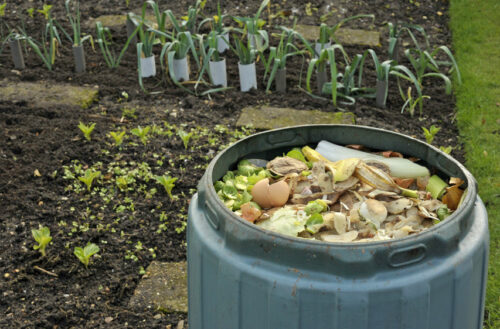
Are you ready to turn your kitchen scraps and yard waste into rich, natural fertilizer? Where you place your compost bin plays a big role in how fast and well your compost breaks down.
The right spot can save you time, reduce odors, and keep pests away. You’ll discover simple tips to choose the perfect location for your compost bin—making your composting experience easier and more rewarding. Keep reading to find out how a small change in placement can make a huge difference for your garden and the environment.
Choosing The Right Location
Placing your compost bin in the right spot helps it work well. The location affects how fast the compost breaks down.
Think about sunlight, access, and soil before setting up your bin. These factors keep your compost healthy and easy to manage.
Sunlight And Shade Balance
Your compost needs some sunlight to stay warm and active. Too much sun can dry it out quickly, though.
Choose a spot that gets partial sunlight or shade during the day. This keeps moisture and heat balanced.
- Morning sun helps warm the compost
- Afternoon shade prevents drying
- Avoid full sun or deep shade spots
Accessibility And Convenience
Place the compost bin near your kitchen or garden. This makes adding scraps easy and quick.
Make sure you can reach the bin for turning and harvesting compost without trouble.
- Close to kitchen for food waste
- Near garden for easy soil access
- Clear path for wheelbarrow or tools
Soil And Drainage Conditions
Good drainage stops water from pooling around your compost bin. Too much water slows composting.
Place the bin on soil that lets water drain well. Avoid hard surfaces like concrete or asphalt.
- Loose, well-drained soil is best
- Soil helps worms and microbes enter
- Elevate bin if ground is often wet

Credit: www.bamboozlehome.com
Ideal Backyard Spots
Choosing the right spot for your compost bin helps it work better. The bin needs good air, moisture, and easy access.
Here are some of the best backyard places to put a compost bin for good results.
Near The Garden Beds
Placing your compost bin close to garden beds saves time and effort. You can quickly add compost to your plants.
This spot also helps keep the soil healthy and plants strong by using fresh compost regularly.
- Easy to water compost when near plants
- Quick access for adding soil nutrients
- Helps reduce trips carrying compost
Close To The Kitchen Door
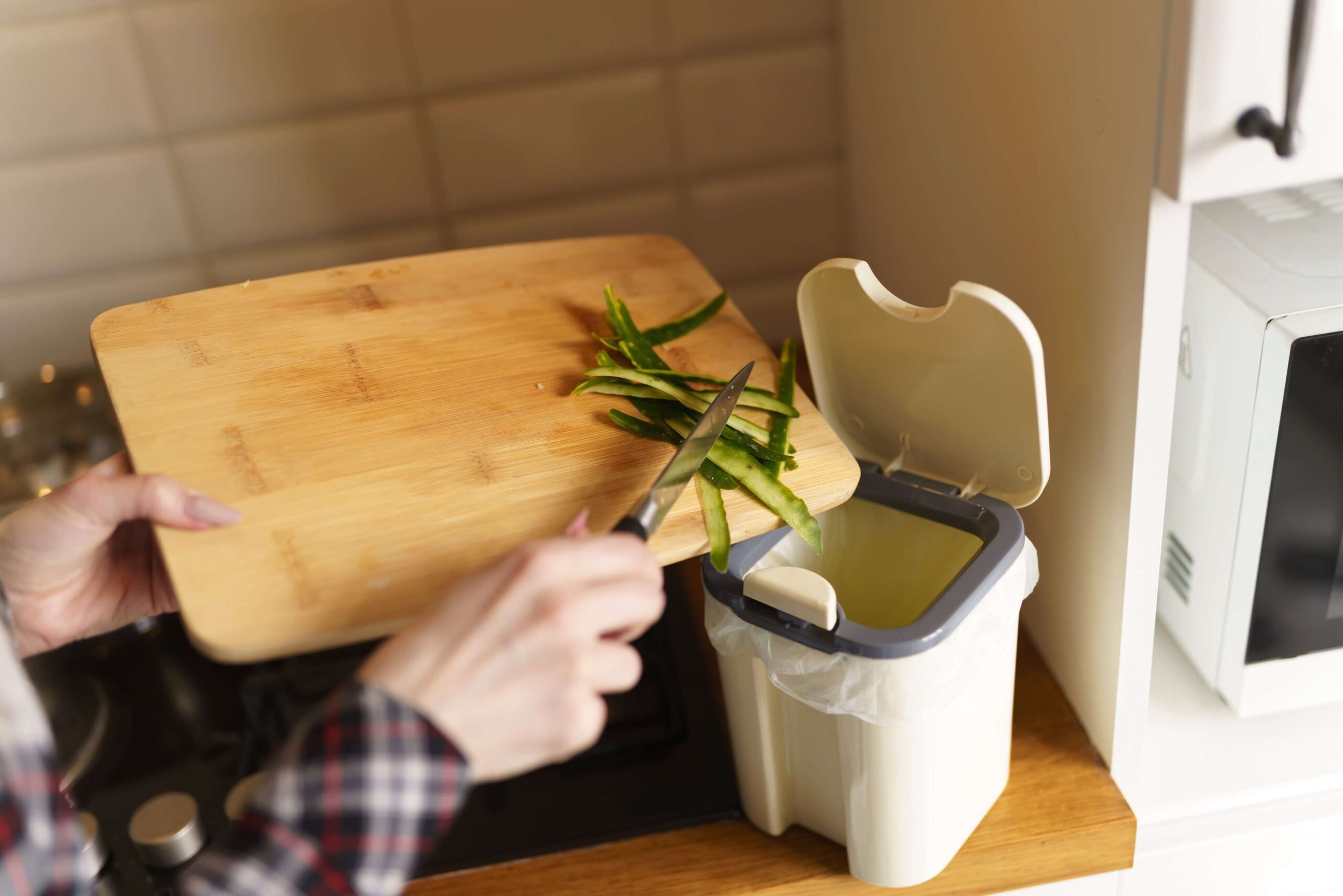
Keeping the bin near the kitchen door makes it easy to add food scraps. This spot saves you time.
It also encourages daily composting by keeping scraps handy and reducing odors inside the house.
- Quick to toss vegetable peels
- Reduces trips with scraps
- Helps control kitchen smells
Shady Corners
Placing the compost bin in a shady spot keeps it from drying out. Shade helps keep moisture in the pile.
Shady corners also protect the bin from too much sun, which can slow down composting.
- Prevents compost from drying out
- Keeps microbes active longer
- Protects bin from sun damage
Urban Composting Locations
Composting in urban areas helps reduce waste. It also creates rich soil for gardens.
Finding the right spot for a compost bin can be tricky in cities. Here are some ideas for placing your compost bin in urban settings.
Balcony And Patio Options
Balconies and patios are great for small compost bins. They are convenient and easy to access.
Choose a spot with some shade to keep the compost cool. Make sure it is near the kitchen for easy waste disposal.
- Use a small, sealed compost bin to prevent odors.
- Consider a worm bin for faster composting.
- Ensure proper drainage to avoid mess.
Community Garden Spaces
Community gardens are perfect for composting. Many gardens have shared compost bins.
Check with the garden manager about composting rules. Community composting is a great way to meet neighbors.
- Contribute your kitchen scraps to the shared bin.
- Help turn the compost regularly.
- Learn composting tips from other gardeners.
Rooftop Composting
Rooftop composting is ideal for urban dwellers with access to a roof. It provides ample space and sunlight.
Make sure the roof can handle the weight of the bin. Secure the bin to prevent it from tipping over.
- Use a lightweight compost bin for easy handling.
- Ensure the roof has proper ventilation.
- Consider adding plants to use the compost directly on the roof.

Credit: growingspaces.com
Avoiding Common Mistakes
Placing your compost bin correctly helps it work well and keeps your yard clean. Avoid common mistakes to save time and effort.
This guide shows where to put your compost bin to prevent issues with neighbors, pests, and water problems.
Keeping Distance From Neighbors
Place your compost bin away from your neighbors’ homes. This avoids bad smells and keeps good relations.
- Keep at least 10 feet away from neighbor’s property lines.
- Choose a spot downwind to reduce odor reaching neighbors.
- Use a bin with a lid to control smells.
- Check local rules about compost bin placement.
Preventing Pest Attraction
Pests like rats and flies come to compost bins with food scraps. Keep pests away by following these tips.
| Cause | Solution |
| Open bin with food scraps | Use a sealed bin with a tight lid |
| Fruits and meats in compost | Avoid adding meats and oily foods |
| Bin placed near bushes or wood piles | Put bin in open space, away from hiding spots |
Avoiding Waterlogged Areas
Waterlogged soil stops air flow and slows composting. Choose a dry spot that drains well.
- Pick a raised area or add gravel under the bin.
- Do not place bin near gutters or low spots where water collects.
- Check soil after rain to avoid soggy ground.
- Make sure bin base allows water to drain out.
Enhancing Composting Efficiency
Placing your compost bin in the right spot helps it break down faster. Good placement improves airflow, moisture, and temperature. These factors speed up the composting process.
Choosing the right container and location makes your compost healthy and ready to use sooner. This guide explains where to put your compost bin for best results.
Using Raised Beds Or Bins
Raised beds or bins keep compost neat and easy to manage. They help keep pests away and maintain a good temperature inside the pile.
- Raised beds improve drainage and prevent soggy compost.
- Bins hold heat better, speeding up decomposition.
- Using a bin keeps your compost tidy and contained.
- Choose a size that fits your garden space and waste.
Ensuring Proper Airflow
Air is vital for compost bacteria to work well. Without enough airflow, your compost may smell bad or take too long to break down.
| Airflow Tip | Why It Helps |
| Place bin on soil or grass | Allows air from below |
| Turn compost weekly | Mixes materials and adds oxygen |
| Leave gaps in bin sides | Improves ventilation |
| Do not pack materials tightly | Keeps air pockets open |
Covering The Compost
Covering your compost protects it from too much rain and stops it from drying out. It also keeps animals away.
Use these covers for best results:
- Tarp or plastic sheet to keep rain out
- Old carpet or burlap sacks to retain moisture
- Wooden or metal lid for bins
Credit: www.texasdisposal.com
Frequently Asked Questions
Where Is The Best Spot For A Compost Bin?
The best spot is a dry, shaded area with good drainage. It should be close to your kitchen for easy access and away from strong winds to maintain moisture.
How Far Should Compost Bin Be From The House?
Place the compost bin at least 3 to 10 feet from your house. This distance prevents odors and pests from entering your home while keeping composting convenient.
Can Compost Bins Be Placed In Direct Sunlight?
Avoid placing compost bins in direct sunlight. Too much sun dries out the compost, slowing decomposition. Partial shade helps maintain moisture and encourages healthy microbial activity.
Should Compost Bins Be Placed On Soil Or Concrete?
Place compost bins directly on soil to allow beneficial organisms to enter. Concrete or paved surfaces restrict airflow and slow down the composting process.
Conclusion
Choosing the right spot for your compost bin makes a big difference. Pick a place with good air and easy access. Avoid areas too close to your house or where water pools. Keep it shaded to help maintain moisture. A well-placed bin helps your compost break down faster.
It also keeps your garden clean and healthy. Take time to find a spot that fits your space and needs. This simple step improves your composting experience a lot.