If you want smooth, professional-looking concrete surfaces, knowing how to use a trowel machine is a game changer. Whether you’re a DIY enthusiast or working on a construction site, mastering this tool will save you time and effort.
You’ll discover simple steps to operate a trowel machine safely and efficiently. By the end, you’ll feel confident handling the machine and achieving perfect finishes every time. Ready to take your concrete work to the next level? Let’s dive in!
Choosing The Right Trowel Machine
Selecting the right trowel machine is important for smooth concrete finishing. It saves time and effort on your project.
Different types of trowel machines suit different tasks. Knowing what fits your needs helps you work better.
Types Of Trowel Machines
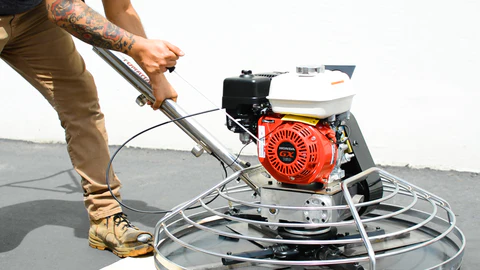
Trowel machines come in various designs. The main types are walk-behind, power trowels, and ride-on trowels.
- Walk-behind trowels:Best for small to medium areas. Easy to control.
- Power trowels:Offer more power. Good for medium to large spaces.
- Ride-on trowels:Designed for large surfaces. Operator rides on the machine.
Selecting Based On Project Size
| Project Size | Recommended Trowel Machine | Reason |
|---|---|---|
| Small (up to 500 sq ft) | Walk-behind trowel | Easy to maneuver in tight spaces |
| Medium (500 to 2000 sq ft) | Power trowel | Balances power and control |
| Large (over 2000 sq ft) | Ride-on trowel | Speeds up finishing on big floors |
Key Features To Consider
Look for features that match your project needs. These affect performance and ease of use.
- Blade size and number affect finishing quality
- Engine power determines working speed
- Handle type controls comfort and control
- Weight impacts machine stability
- Ease of maintenance saves time and cost

Credit: www.excalibur-generator.com
Preparing The Concrete Surface
Using a trowel machine correctly begins with preparing the concrete surface. This helps achieve a smooth and even finish. Proper preparation also makes the troweling process easier and safer.
Several factors affect how and when to start troweling. Pay close attention to timing, surface moisture, texture, and safety rules before you begin.
Timing For Troweling
Timing is important for good concrete finishing. Troweling too early or too late can cause surface defects. Wait until the concrete has firmed up but still has some moisture.
- Start when the surface resists light thumb pressure.
- Stop before the surface becomes too hard.
- Adjust timing based on weather conditions.
- Check often by pressing the surface gently.
Surface Moisture And Texture
Moisture level affects how the trowel machine works. Too wet makes the surface sticky. Too dry causes cracks and poor finish. The texture should be even and free of debris.
| Moisture Level | Effect on Surface | Action Needed |
|---|---|---|
| Too Wet | Sticky and soft | Wait for more drying time |
| Ideal | Firm but damp | Start troweling |
| Too Dry | Cracked and rough | Lightly mist surface before finishing |
Safety Precautions Before Starting
Safety is key when using a trowel machine. Always check your equipment and wear protective gear. Make sure the work area is clear and dry.
- Wear gloves and safety glasses.
- Inspect the trowel machine for damage.
- Clear the area of obstacles and wet spots.
- Keep cords and hoses organized to avoid trips.
- Have a first aid kit nearby.
Operating The Trowel Machine
A trowel machine is essential for finishing concrete surfaces. It provides a smooth and durable finish.
Knowing how to operate a trowel machine safely and efficiently is important for quality results.
Starting And Stopping Procedures
Before starting the machine, inspect it for any visible damage. Ensure all parts are in good condition.
- Make sure the area is clear of debris.
- Check the fuel and oil levels.
- Start the machine by pulling the starter cord or pressing the ignition button.
- To stop, turn off the engine and allow the blades to slow down.
Proper Handling And Movement
Handle the trowel machine with care to avoid accidents. Use both hands to maintain control.
Move the machine smoothly over the surface. Avoid sudden movements to prevent uneven finishes.
Adjusting Blade Pitch And Speed
Adjusting the blade pitch and speed is crucial for the desired finish. Begin with a flat pitch for a rough finish.
| Finish Type | Blade Pitch | Speed |
| Rough Finish | Flat | Low |
| Medium Finish | Slightly Tilted | Medium |
| Fine Finish | More Tilted | High |
Adjust the pitch as needed while monitoring the finish quality. Increase speed gradually for a finer finish.

Credit: www.china-dimec.com
Techniques For Smooth Finishing
Using a trowel machine helps create a flat and smooth surface on concrete. Proper techniques improve the final look and durability.
Follow simple steps to get an even finish. Focus on how you move the machine and adjust the blades.
Initial Pass Strategies
Start the trowel machine when the concrete is firm but still soft. This lets the blades cut and level the surface well.
Keep the machine moving steadily. Avoid stopping to prevent marks or uneven spots.
- Set blades at a low angle for cutting
- Move in straight lines or wide circles
- Overlap passes slightly to avoid gaps
- Keep a steady speed for even smoothing
Final Pass For Polishing
Raise the blades to a higher angle for the last pass. This polishes the surface instead of cutting.
Use slow, smooth movements. This helps close tiny holes and creates a shiny finish.
- Blade angle should be nearly flat
- Make multiple slow passes
- Keep pressure even on all blades
- Check for any rough spots and re-trowel
Dealing With Edges And Corners
Edges and corners need careful attention. The trowel machine may not reach these areas well.
Use hand tools like a hand trowel to finish these spots. Blend the edges smoothly with the rest of the surface.
- Start hand finishing while concrete is still soft
- Use small, circular motions for corners
- Smooth edges to match machine-finished areas
- Check edges after final pass and touch up
Troubleshooting Common Issues
Using a trowel machine can speed up finishing concrete surfaces. Still, some common problems might occur. Knowing how to fix these issues helps keep your work smooth and even.
This guide covers how to avoid surface blemishes, fix uneven finishes, and solve machine malfunctions.
Avoiding Surface Blemishes
Surface blemishes like marks, stains, or rough patches spoil the look of your concrete. These blemishes often come from dirt, improper machine settings, or timing errors.
- Clean the trowel blades before use to remove debris.
- Adjust blade pressure to avoid deep marks on the surface.
- Work on the concrete when it is partially set, not too wet or dry.
- Check for oil or grease on machine parts that can stain the surface.
Fixing Uneven Finishes
Uneven finishes happen when the machine blades do not level the concrete properly. This can result from wrong blade height or speed settings.
| Issue | Cause | Solution |
| High spots | Blades set too low | Raise blades slightly |
| Low spots | Blades set too high | Lower blades carefully |
| Rough texture | Machine speed too fast | Slow down machine speed |
| Uneven edges | Operator steering errors | Guide machine steadily |
Machine Malfunctions And Solutions
Machine malfunctions can stop your work. Common problems include engine failure, blade damage, and control issues.
- Engine won’t start: Check fuel level and spark plug condition.
- Blades wobble: Tighten blade mounts or replace worn parts.
- Controls unresponsive: Inspect cables and electrical connections.
- Overheating: Clean air filters and check cooling system.
Maintenance And Care Tips
Using a trowel machine properly helps it last longer. Regular maintenance keeps it working well and safe.
Simple care steps can prevent damage and costly repairs. Follow these tips to keep your machine in good shape.
Cleaning After Use
Clean the trowel machine right after using it. Remove all concrete and dirt before it dries on the blades.
Use water and a brush to clean the blades and body. Avoid harsh chemicals that can harm parts.
- Rinse blades with water
- Use a stiff brush for stuck debris
- Wipe dry to stop rust
- Check for leftover concrete in hard spots
Regular Inspection And Repairs
Inspect the machine before and after each use. Look for loose bolts, cracks, and worn parts.
Fix small problems quickly to avoid bigger damage. Replace damaged blades and tighten loose screws.
- Check blade sharpness
- Look for broken or bent parts
- Tighten all screws and nuts
- Test motor and controls
Storage Best Practices
Store the trowel machine in a dry, covered place. Keep it away from rain and moisture to prevent rust.
Cover the machine with a tarp or cloth. Keep the blades off the ground to avoid damage.
- Choose a dry storage area
- Cover machine with a protective cover
- Place blades on a raised surface
- Disconnect power before storage
Credit: www.excalibur-generator.com
Frequently Asked Questions
What Is A Trowel Machine Used For?
A trowel machine smooths and finishes concrete surfaces quickly. It ensures a flat, polished finish on large slabs. This tool improves work efficiency and surface durability in construction projects.
How Do You Operate A Trowel Machine Safely?
Always wear protective gear before operating. Check the machine for damage and clear the area. Start slowly, keep a firm grip, and follow manufacturer instructions carefully to avoid accidents.
When Should You Use A Trowel Machine On Concrete?
Use it after the concrete has partially set but is still workable. This timing allows for effective smoothing without damaging the slab’s integrity. Proper timing ensures a professional finish.
What Maintenance Does A Trowel Machine Require?
Regularly clean blades and engine parts after use. Check for loose bolts and oil levels. Proper maintenance extends machine life and ensures optimal performance on every job.
Conclusion
Using a trowel machine makes concrete work easier and faster. It helps create a smooth, even surface with less effort. Always follow safety steps and read the manual before use. Practice will improve your control and results. With patience, you can handle the machine well.
Remember, good preparation leads to better finishing. Keep your equipment clean after each job. This simple tool can save time and energy on your projects. Give it a try, and see the difference yourself.