Are you someone who loves the smoky flavor of food cooked on a charcoal grill? You might wonder if using a charcoal grill is actually good for your health.
After all, the way you cook your food can affect not just the taste but also your well-being. You’ll discover the facts about charcoal grilling—what’s healthy, what risks might be involved, and how you can enjoy your favorite grilled meals without worry.
Keep reading to learn how to make smart choices every time you fire up your grill.
Charcoal Grilling Basics
Charcoal grilling is a popular way to cook outdoors. It uses charcoal as fuel to cook food over direct heat.
This method adds a smoky flavor to the food. Many people enjoy the taste and experience of charcoal grilling.
How Charcoal Grills Work
Charcoal grills use charcoal briquettes or lump charcoal as fuel. When lit, the charcoal burns and produces heat.
The heat cooks the food placed on a metal grate above the charcoal. You can control the temperature by adding or moving charcoal.
- Light the charcoal until it is covered with white ash
- Arrange the charcoal for direct or indirect cooking
- Place food on the grill grate for cooking
- Adjust vents to control airflow and temperature
Types Of Charcoal Used
There are two main types of charcoal for grilling: lump charcoal and briquettes. Each type has different features.
Lump charcoal is made from wood chunks burned without air. Briquettes are made by compressing charcoal dust and other materials.
- Lump Charcoal:Burns hotter and faster
- Briquettes:Burn longer and more evenly
- Natural vs. Additives:Some briquettes have chemicals to help light easily
Credit: globalticltd.co.uk
Health Concerns Linked To Charcoal Grilling
Charcoal grilling is a popular cooking method. It adds a smoky flavor to food that many people enjoy.
Some health concerns come with this cooking style. It is important to know what these concerns are.
Potential Carcinogens In Charcoal Smoke
Charcoal smoke contains substances that may cause cancer. These are called carcinogens. They form when charcoal burns.
People can breathe in these harmful particles. The smoke can also settle on the food being grilled.
- Polycyclic aromatic hydrocarbons (PAHs)
- Volatile organic compounds (VOCs)
- Benzene and formaldehyde
Impact Of High Heat On Food
High heat from charcoal grills cooks food quickly. It can burn the outside while leaving the inside raw.
Burnt or charred food may contain harmful chemicals. These chemicals may increase health risks over time.
- Burning creates blackened crusts on meat
- Overcooking can destroy nutrients in food
- High heat speeds chemical reactions that harm food quality
Formation Of Harmful Compounds
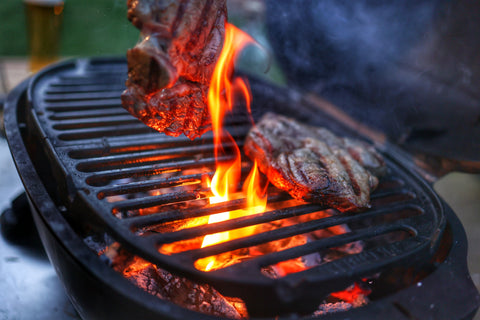
When fat drips onto hot charcoal, it creates smoke. This smoke carries harmful compounds to the food.
Two main harmful compounds form during grilling: heterocyclic amines (HCAs) and polycyclic aromatic hydrocarbons (PAHs). Both may affect health negatively.
- HCAs form in meat cooked at high temperatures
- PAHs form when fat burns and rises as smoke
- Both compounds have links to cancer in studies
Common Myths About Charcoal Grilling
Charcoal grilling is a popular way to cook food. Some people believe it is unhealthy. Let’s explore common myths about charcoal grilling.
Understanding these myths helps us make better choices. We can enjoy grilling while staying healthy.
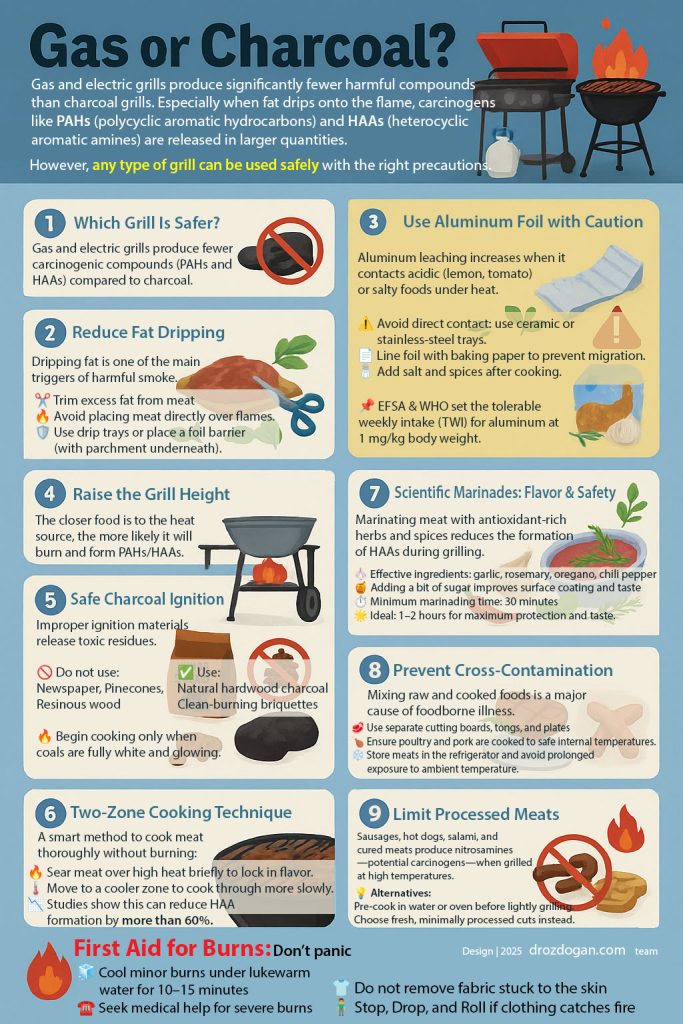
Charcoal Grilling Always Produces Toxins
Many think charcoal grilling always creates toxins. This is not true. Toxins form when fat drips on hot coals. They rise with smoke.
We can reduce toxin formation. Use lean meats and avoid high flames. This helps keep grilling safe.
Gas Grills Are Safer Than Charcoal
Some believe gas grills are safer than charcoal. Both have risks. Gas grills can leak, while charcoal needs careful handling.
Safety depends on how we use grills. Following instructions and being alert make any grill safer.
Marinating Eliminates All Risks
Marinating adds flavor and moisture. Some think it removes all grilling risks. This is not completely true.
Marinating can reduce some harmful compounds. It does not eliminate all risks. Safe grilling practices are still important.
- Use proper grill temperature
- Turn food often to avoid burning
- Keep grill clean to prevent flare-ups

Credit: www.drozdogan.com
Scientific Facts On Charcoal Grilling
Charcoal grilling is popular for adding a smoky flavor to food. It uses charcoal as the heat source. People often ask if this method is healthy or risky.
We will look at scientific facts about charcoal grilling. This includes health effects, comparisons to other grills, and safe cooking temperatures.
Research On Health Effects
Studies show charcoal grilling creates compounds called PAHs and HCAs. These form when fat drips on hot coals and smoke rises. Some PAHs and HCAs can damage DNA and increase cancer risk.
Cooking time and temperature affect these compounds. Longer cooking and very high heat make more of them. Using lean meats and marinating can reduce their formation.
Comparing Charcoal And Other Grilling Methods
- Charcoal grilling adds more smoky flavor than gas grilling.
- Gas grilling produces fewer PAHs because it burns cleaner.
- Electric grills create the least PAHs and HCAs.
- All grills can form HCAs if cooking at high heat for long times.
- Using a drip pan can lower harmful smoke exposure on any grill.
Choosing the grill type depends on taste preference and health concerns. Using safe cooking practices helps reduce risks in all types.
Safe Grilling Temperatures
| Food Type | Safe Internal Temperature (°F) | Safe Internal Temperature (°C) |
|---|---|---|
| Poultry (chicken, turkey) | 165 | 74 |
| Beef, pork, lamb (steaks, chops) | 145 | 63 |
| Ground meats (beef, pork, lamb) | 160 | 71 |
| Fish and shellfish | 145 | 63 |
Cook meats to these safe temperatures to kill bacteria. Avoid charring or burning food. Charring increases harmful compounds in grilled food.
Expert Tips For Healthier Charcoal Grilling
Charcoal grilling adds a unique flavor to your food. It can be healthy if done right. Follow expert tips to make your grilling safer and better.
Focus on the type of charcoal, cooking methods, and food prep. These steps reduce harmful chemicals and keep your meals tasty.
Choosing Quality Charcoal
Pick charcoal that burns clean and produces less smoke. Avoid charcoal with fillers or chemicals. Natural lump charcoal is a good choice.
- Choose natural lump charcoal over briquettes with additives
- Look for charcoal made from hardwood for steady heat
- Avoid charcoal with artificial lighter fluids or chemicals
- Store charcoal in a dry place to keep it fresh
Cooking Techniques To Reduce Risks
Use safe grilling methods to lower harmful substances. Keep food from burning and avoid charring. Cook over moderate heat for best results.
- Preheat the grill to reduce cooking time
- Use indirect heat for thicker cuts of meat
- Flip food often to prevent burning
- Trim fat to reduce flare-ups and smoke
- Use a drip pan to catch fat and juices
Food Preparation And Timing
Prepare food well before grilling. Marinate meats to reduce harmful compounds. Cook food just until done to keep it juicy and safe.
| Preparation Tip | Reason |
| Marinate for 30 minutes or more | Reduces formation of harmful chemicals |
| Cut food into even pieces | Ensures even cooking and reduces charring |
| Cook at proper temperature | Prevents undercooked or burnt food |
| Rest food after grilling | Allows juices to redistribute for better taste |
Credit: www.coastalcountry.com
Alternatives To Charcoal Grilling
Charcoal grilling gives food a smoky taste but may create harmful chemicals. Some people want safer options for grilling. Several alternatives offer good flavor without some risks of charcoal.
These alternatives use different heat sources and can be easier to control. They may also be better for health and the environment.
Electric Grills
Electric grills use electricity to heat the cooking surface. They do not produce smoke or flames. This makes them a cleaner choice for indoor or outdoor use.
Electric grills cook food evenly and quickly. They are easy to start and stop with a switch. These grills produce less harmful chemicals than charcoal.
- No open flames reduce flare-ups
- Less smoke means fewer harmful particles
- Good for apartments and small spaces
Gas Grills
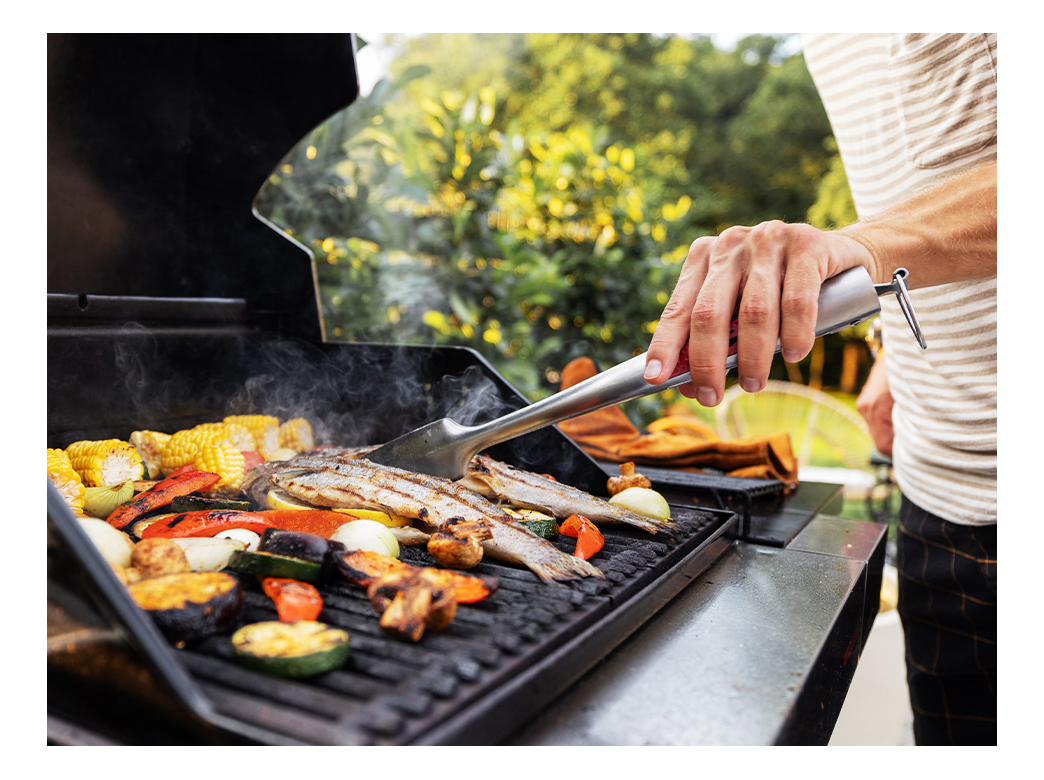
Gas grills use propane or natural gas to create heat. They offer strong heat with less smoke than charcoal. Gas grills heat up fast and are easy to control.
They produce fewer dangerous chemicals than charcoal grills. Gas grills still give good grilled flavor. Many models have features to reduce flare-ups.
- Quick temperature adjustments
- Less smoke and ash than charcoal
- Good for backyard cooking
Infrared Grills
Infrared grills use infrared technology to cook food. They heat food directly with infrared light. This method cooks food faster and keeps it juicy.
Infrared grills create less smoke and fewer harmful chemicals. They can reach very high temperatures quickly. This helps seal in flavors and juices well.
- Fast cooking with even heat
- Less flare-ups and smoke
- Good for searing meats
Frequently Asked Questions
Is Charcoal Grilling Healthier Than Gas Grilling?
Charcoal grilling adds smoky flavor but can produce more harmful compounds. Gas grilling burns cleaner with fewer carcinogens. Both methods have health pros and cons. Moderation and proper cooking techniques make either option safer.
Does Charcoal Grilling Produce Harmful Chemicals?
Yes, charcoal grilling can create carcinogens like PAHs and HCAs. These chemicals form when fat drips onto hot coals. Using lean meats and avoiding overcooking reduces harmful chemical production.
Can Charcoal Grills Cause Cancer Risks?
Charcoal grilling may increase cancer risk if consumed frequently and charred. Limiting intake of burnt food and using marinades can lower these risks. Balanced diet and safe grilling habits are essential.
How To Make Charcoal Grilling Healthier?
Choose lean cuts and trim fat to avoid flare-ups. Use marinades to reduce harmful compounds. Cook at moderate temperatures and avoid charring food for a healthier experience.
Conclusion
Charcoal grilling can be healthy with the right choices. Use lean meats and avoid charring food. Cook at moderate heat to reduce harmful chemicals. Add vegetables for extra nutrients and flavor. Clean your grill to prevent residue buildup. Enjoy the smoky taste without risking health.
Balance charcoal grilling with other cooking methods. Simple steps make charcoal grilling a safer option.