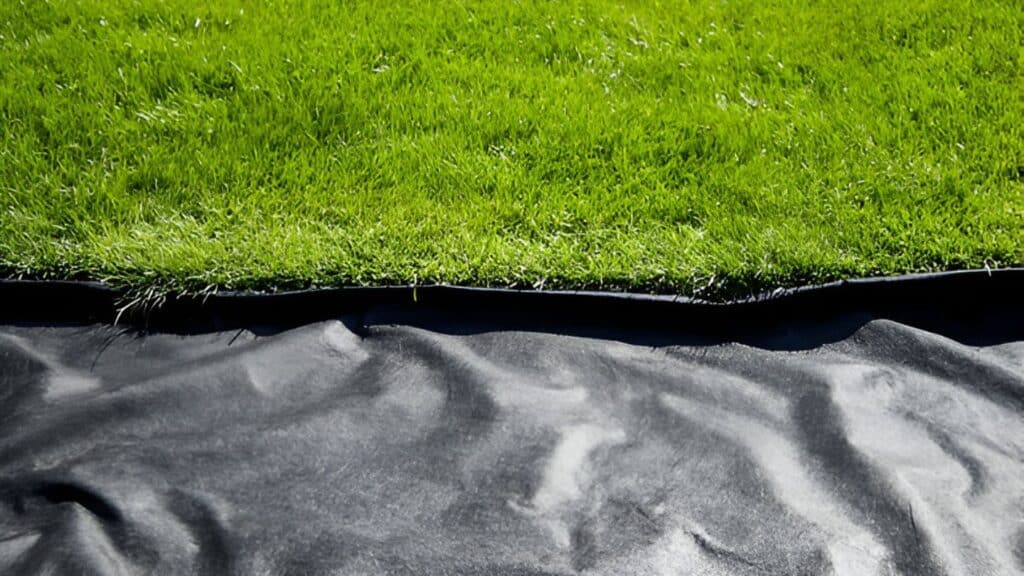
Have you ever wondered what makes landscape fabric so effective at keeping weeds at bay? If you’re planning to improve your garden or yard, understanding what landscape fabric is made of can help you choose the right one for your needs.
Knowing the materials behind this popular gardening tool not only reveals how it works but also shows you how to get the best results for your outdoor space. Keep reading to discover the simple secrets behind landscape fabric and how it can transform your gardening experience.
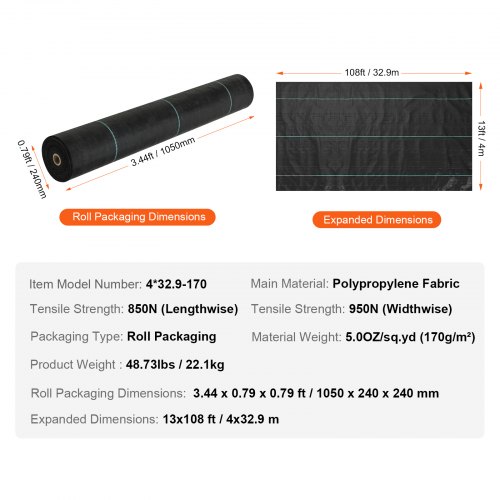
Credit: www.vevor.com
Types Of Landscape Fabric Materials
Landscape fabric is used to control weeds and improve soil conditions. Different materials make up these fabrics. Each type has unique features for gardening needs.
Understanding fabric types helps choose the right one. It also affects durability and environmental impact.
Woven Fabrics
Woven fabrics are made by weaving polypropylene or polyester threads. The threads create a strong, grid-like material. This allows water and air to pass through easily.
These fabrics are durable and resist tearing. They are good for long-term use in gardens and landscapes.
Non-woven Fabrics
Non-woven fabrics are made by bonding fibers together with heat or chemicals. They do not have a woven pattern. This makes them softer and lighter than woven fabrics.
- Allow water and air to flow
- Break down faster than woven fabrics
- Good for temporary use
- Used in flower beds and vegetable gardens
Biodegradable Options
Biodegradable fabrics are made from natural materials like jute, coir, or paper. These fabrics break down into the soil over time. They improve soil health as they decompose.
| Material | Source | Decomposition Time |
| Jute | Plant fibers | 6 to 12 months |
| Coir | Coconut husks | 12 to 24 months |
| Paper | Wood pulp | 3 to 6 months |

Credit: www.amazon.com
Common Fibers Used In Fabric
Landscape fabric is made from different types of fibers. These fibers give the fabric strength and durability. They help control weeds and allow water to pass through.
Understanding the fibers helps you know how the fabric works in your garden. Some fibers are synthetic, and some are natural.
Polypropylene
Polypropylene is a common synthetic fiber used in landscape fabric. It is lightweight and strong. This fiber resists water and does not break down easily.
Polypropylene fabric helps prevent weeds while letting air and water reach the soil. It is also affordable and lasts a long time in the garden.
Polyester
Polyester is another synthetic fiber found in landscape fabric. It is known for its toughness and resistance to stretching. Polyester dries quickly after rain or watering.
This fiber holds up well under sunlight. Polyester fabric helps keep weeds down and supports healthy plant growth by allowing moisture flow.
Natural Fibers
Natural fibers like jute, coir, or cotton are sometimes used in landscape fabric. These fibers break down over time and add nutrients to the soil. They are eco-friendly choices.
Natural fiber fabrics work best for temporary weed control. They let water and air reach the roots easily. These fabrics also help improve soil health as they decay.
Properties Of Landscape Fabric
Landscape fabric is a crucial component in gardening and landscaping. It helps control weeds and allows your plants to thrive.
Understanding its properties can help you select the right type for your garden needs.
Durability And Strength
Landscape fabric is made to last. It withstands heavy use and is resistant to tearing.
- Strong against foot traffic
- Resilient to environmental wear
- Long-lasting performance
Water Permeability
This fabric allows water to pass through. This ensures that plant roots receive necessary moisture.
| Property | Description |
| Permeability | High water flow |
| Soil Retention | Keeps soil in place |
Uv Resistance
Landscape fabric is often UV resistant. This prevents sun damage and extends its lifespan.
Environmental Impact Of Fabrics
Landscape fabric is used to control weeds and help soil retain moisture. Its environmental impact depends on the materials used in making it.
Many fabrics are made from synthetic or natural fibers. Each type affects the environment in different ways.
Recyclability
Some landscape fabrics are made from recyclable materials like polypropylene. These can be processed and reused to reduce waste.
Other fabrics are hard to recycle because they mix different fibers or contain chemical coatings.
- Polypropylene fabrics are often recyclable
- Mixed materials reduce recycling options
- Recycling helps lower landfill waste
Biodegradability
Natural fiber fabrics break down over time and return to the soil. These include fabrics made from jute or cotton.
Synthetic fabrics like polyester do not biodegrade easily. They can stay in the environment for many years.
- Natural fabrics decompose within months or years
- Synthetic fabrics last decades without breaking down
- Biodegradable fabrics reduce long-term pollution
Chemical Treatments
Many landscape fabrics receive chemical treatments. These help resist pests, mold, or UV damage.
Chemicals can harm soil and water if they leach out. Choosing fabrics with fewer chemicals is better for the environment.
- Anti-fungal treatments protect fabric from mold
- UV stabilizers prevent fabric from breaking down
- Some chemicals may pollute soil and water
Choosing The Right Fabric For Your Garden
Landscape fabric helps control weeds and keep soil healthy. Picking the right fabric can protect your plants and soil.
Different fabrics work better for different garden needs. Knowing what your garden needs helps you choose well.
Soil Type Considerations
Soil type affects how water and air move through fabric. Sandy soil drains fast and needs fabric that holds soil well.
Clay soil holds water and can cause fabric to clog. Choose breathable fabric to allow water and air to pass.
- Sandy soil: Use fabric with tight weave to prevent soil loss
- Clay soil: Use fabric with good drainage and breathability
- Loamy soil: Most fabrics work well
Plant Compatibility
Some plants need more water and air than others. Choose fabric that matches your plant’s needs to help them grow.
Plants with shallow roots need thinner fabric so roots can spread. Deep-rooted plants need stronger fabric to stop weeds.
- Shallow-root plants: Use thin, breathable fabric
- Deep-rooted plants: Use durable, thick fabric
- Vegetables and flowers: Choose fabric that lets water through easily
Climate Factors
Climate affects fabric durability and performance. Hot climates need fabric that resists sun damage.
Wet climates need fabric that drains water well and prevents mold. Cold climates need fabric that lasts through frost.
- Hot climates: Use UV-resistant fabric
- Wet climates: Use quick-draining fabric
- Cold climates: Use frost-resistant fabric
Installation Tips For Landscape Fabric
Landscape fabric helps control weeds and keeps soil healthy. Installing it correctly makes it work better and last longer.
Use simple steps to prepare, secure, and maintain the fabric. This will help your garden or yard look neat and stay weed-free.
Preparing The Area
Start by clearing the area of weeds, rocks, and debris. Smooth the soil to create a flat surface for the fabric.
Water the soil lightly if it is dry. This helps the fabric lay flat and stay in place after installation.
Securing The Fabric
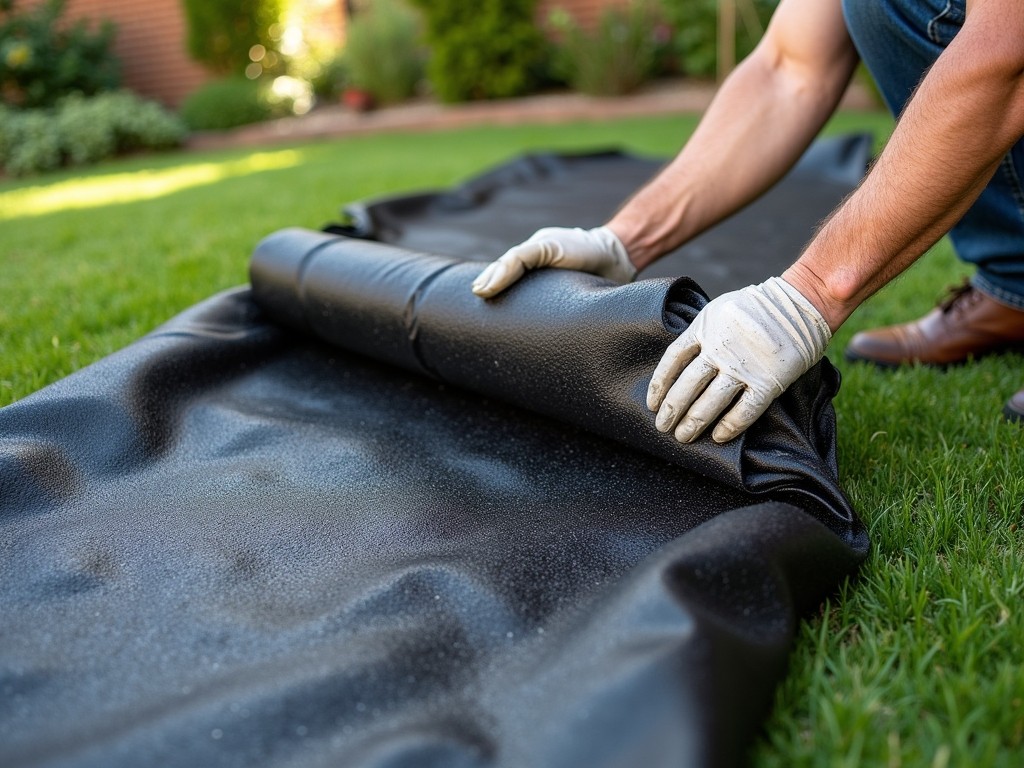
Roll out the fabric over the prepared soil. Cut it to fit the shape of your planting area.
Use landscape staples or pins to hold the fabric down. Place them every few feet and along edges to prevent movement.
- Overlap fabric edges by 6 to 12 inches to block weeds.
- Cut holes for plants before placing fabric.
- Cover fabric with mulch for extra protection.
Maintenance Practices
Check the fabric regularly for tears or gaps. Fix any holes to stop weeds from growing through.
Add mulch on top to keep the fabric clean and protect it from sunlight. This helps it last longer.
- Remove weeds that grow on the fabric surface.
- Re-secure any loose edges or staples.
- Replace fabric if it becomes damaged or worn out.
Credit: www.leisurelandscapes.com
Frequently Asked Questions
What Materials Are Used To Make Landscape Fabric?
Landscape fabric is mainly made from woven or non-woven polypropylene or polyester fibers. These materials provide durability and allow water and air to pass through while blocking weeds.
Is Landscape Fabric Biodegradable Or Synthetic?
Most landscape fabrics are synthetic and non-biodegradable. They are designed to last several years without breaking down, providing long-term weed control and soil protection.
How Does Landscape Fabric Prevent Weed Growth?
The fabric blocks sunlight from reaching weed seeds, preventing their germination. Its porous nature allows water and nutrients to reach plant roots while stopping weeds from growing through.
Can Landscape Fabric Improve Soil Health?
Yes, landscape fabric helps maintain soil moisture by reducing evaporation. It also prevents soil erosion and helps soil retain nutrients, promoting healthier plant growth.
Conclusion
Landscape fabric is usually made from woven or non-woven materials. These include polypropylene or polyester fibers. They help stop weeds while letting water pass through. This fabric is strong and lasts a long time outdoors. Choosing the right type depends on your garden needs.
Using landscape fabric can make gardening easier and cleaner. It helps keep plants healthy by controlling weeds. Simple and practical. A useful tool for many gardeners.