If you want your fishing trip to be a success, the first step is making sure your fishing line is securely tied to your reel. It might sound simple, but tying your line the right way can save you from losing fish and frustrating moments on the water.
In this guide, you’ll discover easy, step-by-step instructions to tie your fishing line quickly and strong. Whether you’re a beginner or just need a refresher, mastering this skill will boost your confidence and improve your fishing experience. Keep reading to learn how to get it done right every time.
Credit: www.epicflyrods.com
Choosing The Right Fishing Line
Choosing the right fishing line is important for a good fishing experience. The line must fit your reel and fishing style.
Different lines have different strengths and uses. Picking the right one helps you catch more fish and avoid line problems.
Types Of Fishing Lines
Fishing lines come in several types. Each type works best in different fishing conditions and with different fish.
- Monofilament:Easy to handle and good for beginners. It stretches to absorb shocks.
- Fluorocarbon:Nearly invisible underwater. It sinks faster and resists abrasion.
- Braid:Very strong and thin. It has little stretch and is good for heavy cover.
Choose the type based on your fishing needs and the water where you fish.
Matching Line To Reel
Not all lines fit all reels. Match the line strength and type to your reel size and style.
Check the reel’s spool capacity and line recommendations. Using the wrong line can cause tangles and reduce casting distance.
| Reel Type | Recommended Line Type | Line Strength (lbs) |
|---|---|---|
| Spinning Reel | Monofilament or Fluorocarbon | 6-12 |
| Baitcasting Reel | Braid or Monofilament | 10-20 |
| Fly Reel | Special Fly Line | Varies |
Preparing Your Reel
Before tying the fishing line, prepare your reel carefully. A clean and well-positioned reel makes the process easier.
This guide covers cleaning the spool and positioning the reel for best results.
Cleaning The Spool
Cleaning the spool removes dirt and old line debris. This helps the new line attach smoothly and reduces friction.
- Remove the spool from the reel body.
- Wipe the spool with a soft cloth to remove dust.
- Use mild soap and water if the spool is very dirty.
- Dry the spool completely before adding new line.
- Check the spool lip for any damage or rough edges.
Positioning The Reel
Position the reel correctly on your fishing rod. This ensures smooth line flow and reduces tangles.
| Position | Purpose | Tip |
| Level with rod guides | Aligns line path | Check reel foot fits snugly |
| Securely tightened | Prevents wobble | Use reel seat lock |
| Handle orientation | Comfortable winding | Adjust for left or right hand |
Basic Knots For Attachment
Attaching fishing line to a reel is an essential skill for any angler. Knowing how to tie secure knots helps keep your line from slipping.
Here are three basic knots you can use to attach your fishing line to a reel effectively.
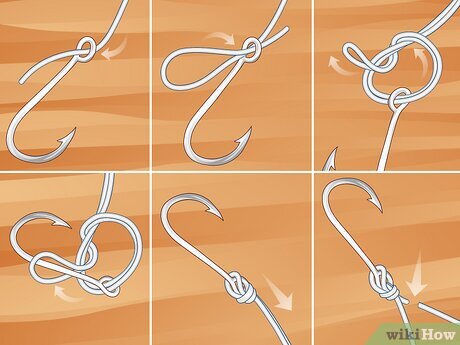
Improved Clinch Knot
The Improved Clinch Knot is reliable and often used for securing a line to a hook or lure.
- Thread the line through the hook eye.
- Make five turns around the standing line.
- Pass the end of the line through the first loop above the eye.
- Bring the end back through the loop you just made.
- Moisten the knot and pull on the tag end to tighten.
Palomar Knot
The Palomar Knot is simple and strong, making it ideal for braided lines.
- Double about 6 inches of line and pass it through the hook eye.
- Tie a loose overhand knot with the doubled line.
- Pass the hook through the loop.
- Pull on both the standing line and tag end to tighten.
- Trim the excess line if necessary.
Uni Knot
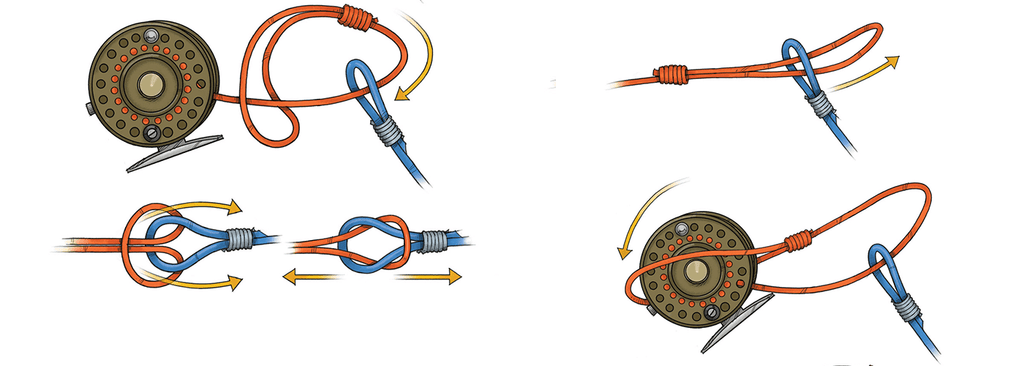
The Uni Knot is versatile and can be used for attaching line to a reel or joining two lines together.
Steps to tie a Uni Knot:
| Step | Action |
| 1 | Pass the line through the reel eye and make a loop. |
| 2 | Wrap the line around the standing line and through the loop 5 times. |
| 3 | Moisten the knot and pull tight. |
| 4 | Slide the knot down to the reel. |
Step-by-step Knot Tying
Tying fishing line to a reel is a basic but important skill. A good knot keeps your line secure and prevents slipping.
This guide shows you how to tie the line step-by-step. Follow these simple instructions for a strong connection.
Threading The Line
Start by pulling the fishing line through the reel spool hole. Make sure you have enough line to work with.
Keep the line straight and avoid tangles. Hold the line firmly but gently to control it.
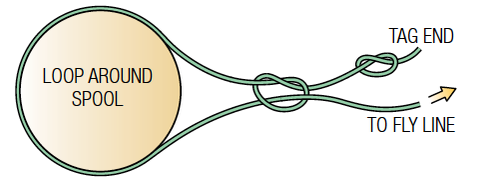
Forming The Knot
Wrap the end of the line around the spool two to three times. Make sure the coils are neat and close together.
Pass the tag end of the line through the loop near the spool. This forms the basic knot shape.
- Hold the main line and tag end separately
- Wrap tag end around spool 2-3 times
- Thread tag end through the loop
Tightening And Securing
Pull both the main line and tag end slowly. Tighten the knot close to the spool to avoid slipping.
Trim the extra tag end with scissors. Leave a small tail to keep the knot strong.
- Pull lines evenly and firmly
- Slide knot close to spool
- Trim tag end, leave 1/4 inch
Testing Knot Strength
Testing knot strength is important to ensure your fishing line holds well. A strong knot prevents losing fish and gear.
After tying the line to the reel, check the knot carefully. This helps avoid surprises during fishing.
Pull Test Techniques
Pull tests help check if the knot can handle tension. Pull the line slowly and firmly to feel the knot’s hold.
- Hold the reel with one hand and the line with the other.
- Pull the line away from the reel with steady force.
- Watch for any slipping or loosening in the knot.
- Repeat a few times to confirm the knot stays tight.
- If the knot slips, retie it and test again.
Signs Of Weak Knots
| Sign | What It Means |
| Knot slips under light pull | Knot is too loose or tied wrong |
| Line frays near the knot | Line is damaged or knot is too tight |
| Knot looks uneven or twisted | Knot was not tied properly |
| Knot loosens after repeated pulls | Knot needs to be retied securely |
Check the knot carefully before fishing. Fix weak knots to avoid losing fish or gear.

Credit: n1outdoors.com
Tips For Line Maintenance
Maintaining your fishing line helps you catch fish better. Good care keeps the line strong and ready to use.
Follow simple steps to avoid problems like tangles and weak spots on your line.
Avoiding Line Twist
Line twist makes your fishing line tangle and knot easily. It happens when the spool spins too fast or the lure spins in water.
To stop line twist, use these tips:
- Attach the line to the reel spool properly without loose loops.
- Use swivel hooks to let the lure spin freely without twisting the line.
- Keep the reel drag tight to prevent extra line from coming out.
- Use your finger to guide the line as you reel in to control twists.
Regular Line Replacement
Fishing line wears out over time. Old line can break or lose strength when you catch fish.
Change your line often to keep it strong and reliable. Check your line for these signs:
- Small cuts or nicks on the line
- Discoloration or fading
- Line feels rough or brittle
- Line twists or tangles easily
Replace your line at least once every few months or after heavy use.
Credit: monsterbass.com
Frequently Asked Questions
How Do I Tie Fishing Line To A Spinning Reel?
To tie fishing line to a spinning reel, thread the line through the rod guides. Wrap it around the spool, then tie a strong knot like the arbor knot. Pull tight and trim excess line for a secure attachment.
What Knot Is Best For Securing Fishing Line?
The arbor knot is best for securing fishing line to a reel. It’s simple, strong, and holds well under tension. This knot prevents slipping and ensures your line stays firmly attached during casting and reeling.
How Much Fishing Line Should I Spool On My Reel?
Fill the reel spool to about 1/8 inch below the spool’s edge. Overfilling can cause tangles, and underfilling reduces casting distance. This amount balances smooth casting and prevents line damage.
Can I Use Braided Line On A Spinning Reel?
Yes, you can use braided line on a spinning reel. Braided line is strong and thin, ideal for long casting. Just ensure you add a leader line to prevent abrasion and improve knot security.
Conclusion
Tying your fishing line to a reel is simple with practice. Start slow and follow each step carefully. A strong knot keeps your line secure and fishing fun. Check your knot before every trip to avoid surprises. Keep your tools ready and stay patient while learning.
Soon, this task will feel easy and natural. Enjoy your time fishing with confidence and skill.